




Palworld developer Pocketpair rejects generative AI
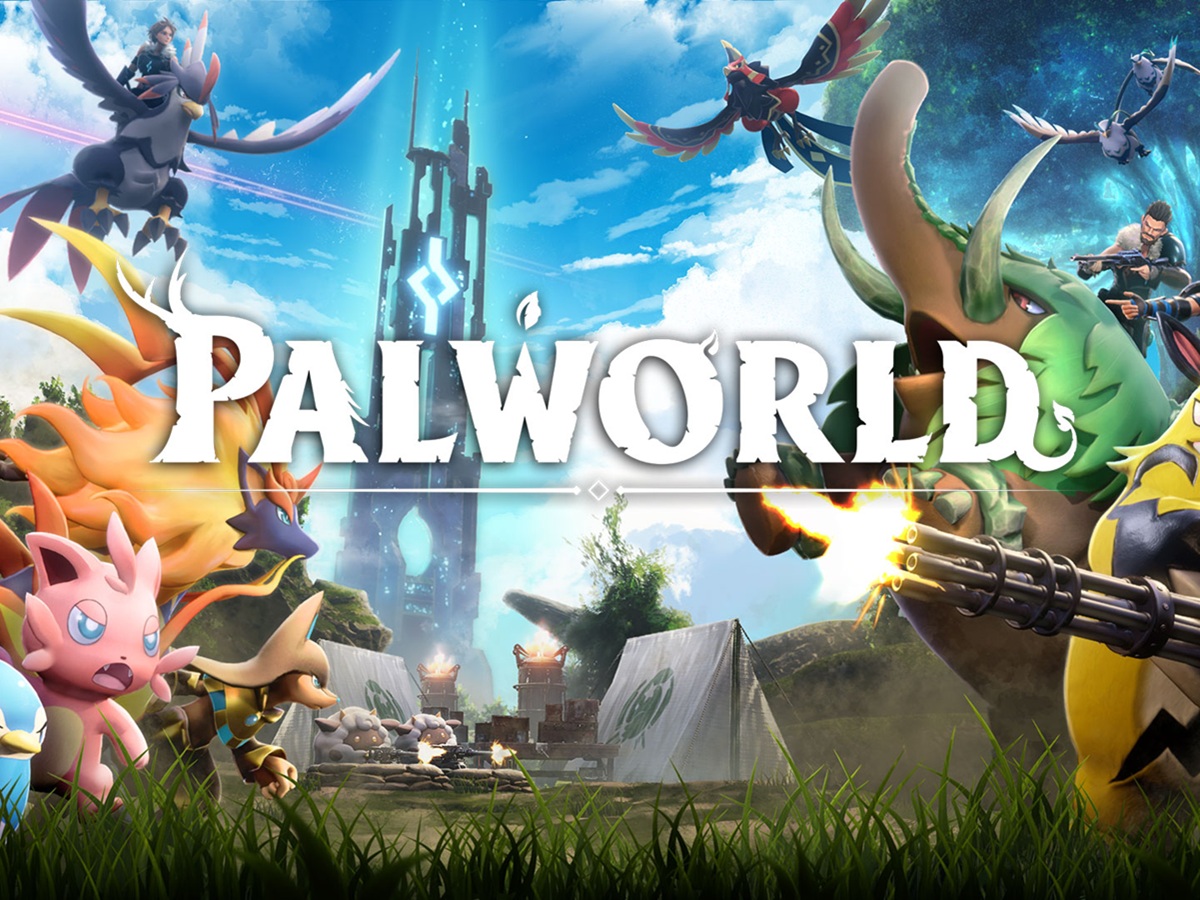
Pocketpair is drawing a definitive line against generative AI. While major publishers continue scrambling to integrate automated tools into their production cycles, the studio behind the survival phenomenon Palworld has completely ruled out machine-generated assets for its upcoming release schedule.
"Gamers don't want it"
The studio's anti-AI position was brought to the forefront by John Buckley, Pocketpair's head of publishing and communications. Speaking on the public reception of machine-generated content, Buckley cut straight through the corporate hype, stating flatly that the player community has already delivered its verdict.
"Gamers don't want it, and if the gamers don't want it, I guess that's it, right? Not much of a conversation to be had," Buckley stated. To Pocketpair, the current executive obsession with generative tools seems entirely intrusive, driven less by actual game creators and more by tech-industry outsiders seeking a quick payout on a trend.
Protecting in-house artistry
Beyond reading the room on consumer sentiment, the decision to reject generative art comes down to a practical defense of human talent. Despite facing ungrounded internet speculation regarding its creature models during Palworld's initial breakout launch, the studio has consistently doubled down on traditional design.
Pocketpair maintains a robust team of internal artists who prefer building assets by hand. According to leadership, replacing these creators with algorithms simply to shave down a budget makes no sense. "We have a lot of artists in-house," Buckley noted. "They like doing stuff themselves. There's no reason to get rid of them for the sake of an AI doing it. Just seems pointless."
A dystopian trend for storefronts
Buckley also expressed concern over how Steam's mandatory AI disclosure policies are shifting the indie landscape. With an influx of machine-assisted assets hitting digital storefronts, many independent creators now feel forced to explicitly market their projects as "100 percent human-made" in press emails and store listings just to establish trust.
Slapping that sticker on a Steam page just to earn player trust is a trend Buckley finds incredibly bleak. To him, the fact that developers now feel forced to use these disclaimers is pretty dystopian. He argues that gamers should just be able to assume a game was built by actual people, rather than expecting automated shortcuts by default.
Source(s)
 Add as a preferred source on Google


