



"Only to humans who coded their own games": 9th Atari Homebrew Awards suspended as AI-made games swamp the retro scene
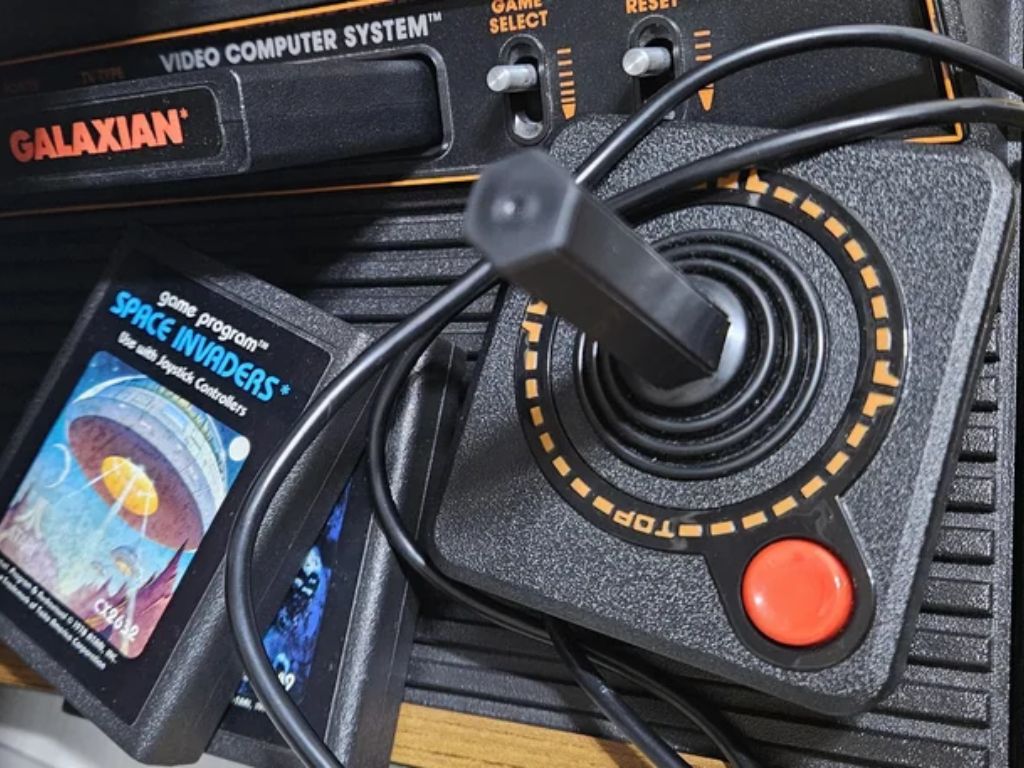
The ninth Atari Homebrew Awards will not go ahead this year, and the reason has nothing to do with a shortage of new games or a copyright dispute. James, the host of the ZeroPage Homebrew stream who has run the awards since their first ceremony in February 2019, has suspended the event after a surge of AI-assisted and AI-generated releases left him with no fair way to decide which games should qualify. He announced the decision on November 23 in a post on the AtariAge forums.
The community-voted awards, presented by ZeroPage Homebrew alongside AtariAge and, more recently, Atari itself, celebrate new games built for classic Atari hardware, from the 2600 and 7800 to the Lynx and Jaguar. The ninth ceremony would have honored homebrew titles released during 2026.
A flood of AI-generated releases
In his post, James explained that the far greater capabilities of large language models had transformed retro game development this year, to the point where complete games could be produced without the developer writing any code. Tracking "AI-assisted" releases grew harder as the year went on, with some developers publishing several games a week. He also found that a large majority of developers were using AI at some level, whether to test their games or to generate them wholesale.
James was clear about who the awards were for. He wanted to celebrate human developers rather than the output of language models, with prizes going "only to humans who coded their own games." Drawing that line in practice, he soon realized, would be far harder than he had expected.
Why every option fell short
James considered three options, and each one created a new problem. A ban on any AI involvement would exclude talented coders who had relied on it for something as minor as automating a repetitive data entry task. Admitting fully AI-made games raised the opposite concern, as titles generated in a few days would compete against hand-coded games that took many months to program, a mismatch he believed would rightly provoke complaints of unfairness. A cutoff somewhere in between would mean measuring how much AI each game used, yet no standard exists for reporting or calculating that, and many games do not disclose it at all.
Where disclosure did happen, it was inconsistent. Some developers explained exactly how they had used AI, others acknowledged using it to some degree, and a few refused to say either way despite repeated, pointed questions. Detection software offers little help, since it is prone to false positives, and in a contest settled by public vote, suspicion alone could unfairly tarnish developers who never used AI at all.
Other events have taken a harder line. The Indie Game Awards bars generative AI at every stage of development and stripped Clair Obscur: Expedition 33 of its Game of the Year prize in December 2025 after the studio's AI use came to light. James, however, concluded that neither an outright ban nor any looser rule could be applied fairly to this year's Atari homebrew releases.
A pause rather than a farewell
Despite some reports that the awards are finished for good, the post describes a suspension for this year only. James called the outcome deeply upsetting, since honoring the community's work is one of the highlights of his year, and said he hopes to continue the tradition in the coming years once things settle into a new normal. ZeroPage Homebrew's regular stream is unaffected, too: in a post on X sharing the announcement, the channel confirmed it will keep playing community-made games.
Source(s)
 Add as a preferred source on Google


