




Nvidia and MediaTek extend collaboration to develop multiple generations of RTX Spark and DGX Spark PC chips
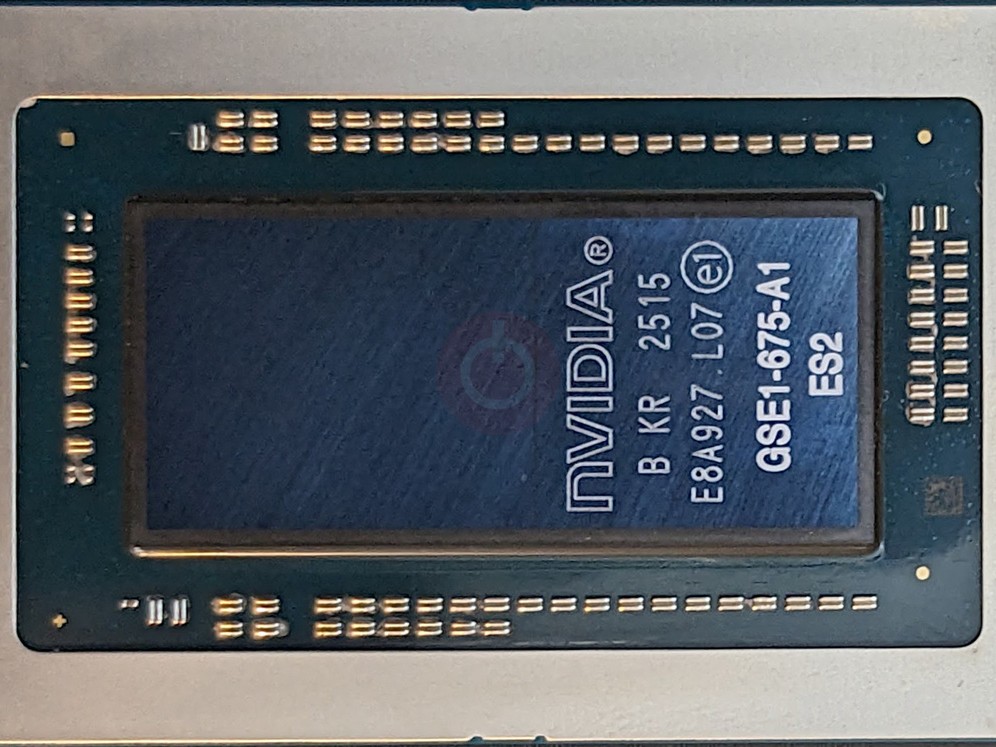
Nvidia and MediaTek today announced an even deeper collaboration that started with the development of the DGX and RTX Spark chips in previous years. The extended collaboration will be focusing on three major areas:
- AI infrastructure: MediaTek will work with Nvidia’s NVLink Fusion ecosystem to enable customers to develop custom AI infrastructure designed to integrate with Nvidia rack-scale systems and AI factories.
- Local AI computing: The companies will continue to collaborate on multiple generations of Nvidia RTX Spark and DGX Spark PC chips, powering consumer PCs, AI developer supercomputers and enterprise-class workstations, that integrate Nvidia GPUs with MediaTek SoCs.
- Automotive: MediaTek and Nvidia will continue developing platforms for AI-powered, software-defined vehicles in the era of physical AI.
For the past few years, MediaTek has been collaborating with Nvidia on local AI computing solutions like the GB10 Grace Blackwell Superchip that powers Nvidia DGX Spark, which combines an Nvidia Blackwell GPU and Grace CPU connected by NVLink-C2C to bring powerful AI capabilities to edge systems. The companies have further extended their collaboration with Nvidia RTX Spark to power the next generation of consumer desktop and mobile PCs, which are expected to be available later this fall.
The two companies have committed to producing multiple future generations of these chips, seamlessly blending MediaTek's ultra-low-power SoC integration with Nvidia's heavy-duty graphics and AI architectures for edge computing. To cement the collaboration, NVIDIA has also invested $3.5 billion in convertible bonds issued by MediaTek.
As far as future chip generations are concerned, Nvidia will continue to provide the raw compute power derived from the current Vera Rubin and the upcoming Feynman architectures that integrate unified memory frameworks. MediaTek, on the other hand, will offer its expertise for the complex system-on-chip (SoC) integration and power management, allowing the AI processors to run efficiently in thin laptop chassis without sacrificing peak performance or thermal safety.
Source(s)
 Add as a preferred source on Google


