




Lili for Life unveils the Lili Screen: A monitor that helps dyslexics read better by pulsing the backlight
 CES 2026
Lili for Life has unveiled the Lili Screen, a 27-inch, 75 Hz, 2,560 x 1,440-pixel IPS LCD computer monitor designed to reduce the visual artifacts that can prevent users with dyslexia from reading on-screen text easily. The monitor can be ordered for €599 (~$700), with deliveries beginning in January 2026.
The Lili Screen is a follow-up to the Lili+ Lamp previously released by the company to address the same issue when reading printed text. Users can connect the monitor to their computers using an HDMI or USB-C cable, then adjust the light-modulation rate of the monitor using the app to suit their needs.
Dyslexics have physical differences in their visual system that create mirror images of text and other visual artifacts, preventing them from properly tracking lines of text and reading words. One of the notable differences is their Maxwell’s centroids, the blue photoreceptor-free area of the fovea located in the retina, where the sharpest vision occurs. In most humans, the centroid for the dominant eye has a circular shape, while the non-dominant eye has an oval shape.
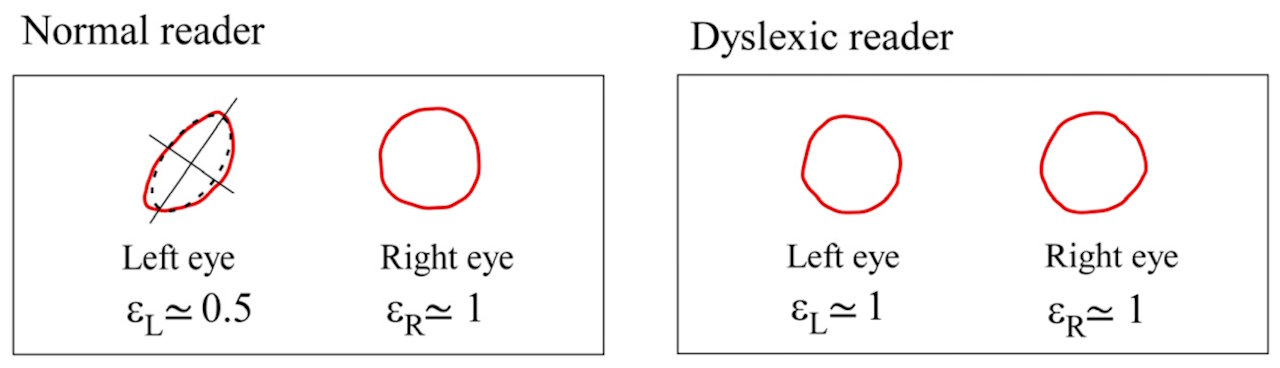
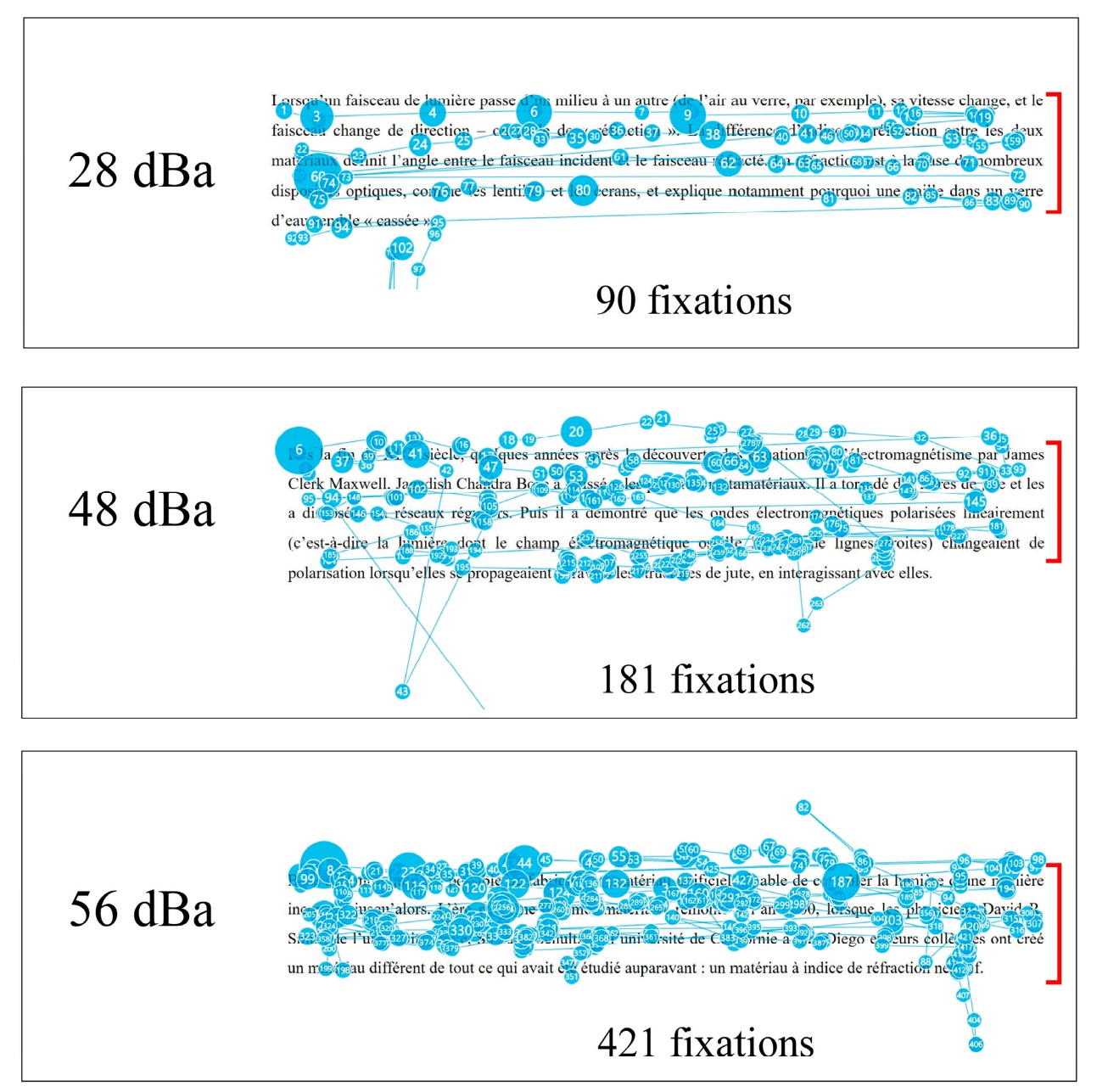
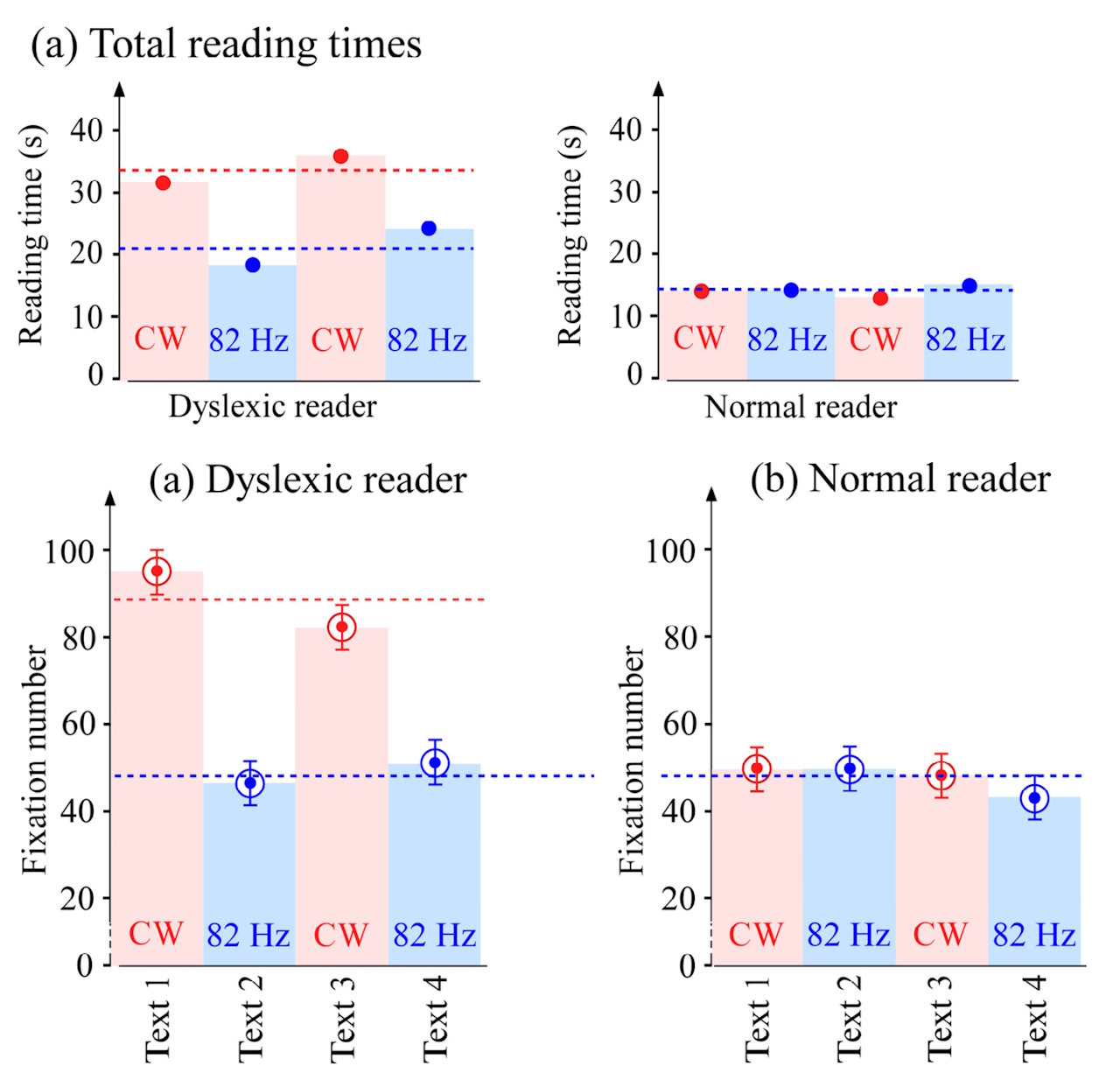
Although not well understood, the differences in Maxwell's centroids allow the human brain to properly recognize text seen by the left and right eyes since their afterimages differ, but for those who have dyslexia, mirror images of text appear. In addition, eye fixation is relatively linear and steady among normal subjects, but quite scattered among those with dyslexia when reading lines of text, increasing the time needed to read and comprehend each sentence.

Additionally, ambient noise levels greatly affect the ability to concentrate on text while reading, while scattering eye fixation. Although normal subjects are affected by noise, those with dyslexia are affected significantly more. Even a relatively quiet 52 dB ambient noise level can fully disrupt the ability of a dyslexic to understand any text, according to one study.
The Lili Screen leverages light modulation of the display backlight to disrupt the mirroring of text, resetting the visual system much as Panasonic HDTVs with Motion Flow technology do by displaying a black frame between each video frame. Although further research is required to understand the exact mechanisms by which pulsed displays work, the Lili for Life monitor can make reading digital text easier for dyslexics, the company says.
Source(s)
 Add as a preferred source on Google


