




Lenovo Legion Pro 5 16ADR10

Pros
Cons
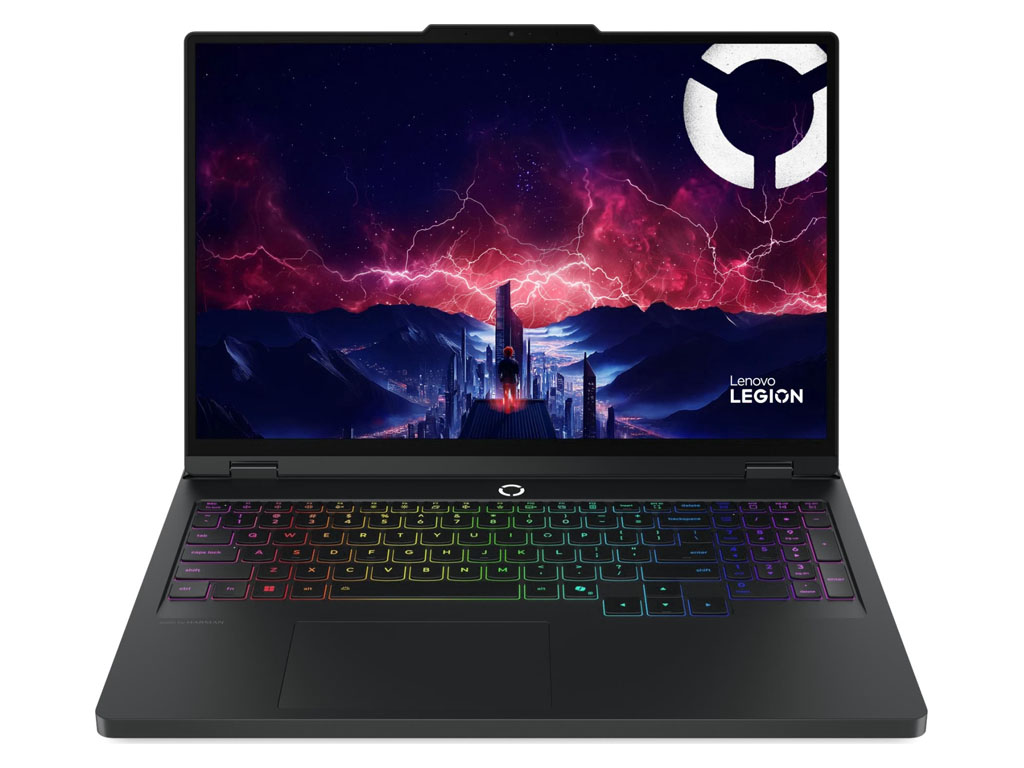
The article examines the Lenovo Legion Pro 5 16ADR10 as a midrange gaming laptop, specifically the configuration combining an AMD Ryzen 7 8745HX with an Nvidia GeForce RTX 5060 and 32 GB of DDR5-5200 RAM. Its 16-inch 2560×1600 OLED display at 165 Hz is a central highlight, praised for sharpness, vivid colors and overall image quality. Benchmarks and hands-on impressions show sufficient performance for modern titles in QHD+ and demanding multitasking, positioning it as a capable all-rounder rather than an extreme FPS machine. Reviewers appreciate the solid build, good keyboard, ample storage options and wide port selection including USB-C Power Delivery and Wi-Fi 6. Criticism focuses on the conservative design, fingerprint-prone lid and the fact that rivals like Acer’s Predator Helios Neo 16S AI can deliver faster CPUs, 240 Hz panels and longer warranties. Overall, the Legion Pro 5 16ADR10 is recommended for gamers who value an excellent OLED display plus plenty of RAM and storage over absolute top-end performance.
Specifications
Price comparison
Average of 3 scores (from 8 reviews)
Reviews for the Lenovo Legion Pro 5 16ADR10
Source: Laptop Media

The Lenovo Legion Pro 5 (16″, Gen 10) is a gaming laptop that knows exactly what it wants to be: a real performance machine. It delivers class-leading gaming power in a chassis that is refreshingly understated and professional. It’s a laptop designed for the gamer who values frame rates and stability over flashy RGB or aggressive styling, offering a mature alternative in a market often dominated by “gamer” aesthetics. However, this laser focus on performance comes with a significant trade-off. While it excels when plugged in, its portability is severely hampered by abysmal battery life, making it more of a stationary powerhouse than a true mobile companion.
Single Review, online available, Very Long, Date: 03/25/2026
Source: PC Mag
Lenovo's Legion Pro 5 is a highly specialized and prioritized midrange gaming laptop. One of the biggest highlights is its OLED display, which makes gaming with a low-end GPU, such as the RTX 5060, feel more like a high-end experience. Serious speakers and a punchy keyboard elevate gameplay to feel even more intuitive. However, the Ryzen 7 8745HX CPU falls slightly behind the chips in its class, and the laptop's battery life is notably subpar. The former might cause some slight issues with production-related tasks related to content creation, if that's your thing, but it will have little bearing on this Legion Pro's gaming performance. The lack of battery life is a drawback for anyone looking to convert a gaming laptop into a work or college laptop, as it may not last through a three-hour lecture.
Single Review, online available, Medium, Date: 12/24/2025
Rating: Total score: 80%
Source: Ben G Kaiser
Struggling to choose between the Lenovo Legion Pro 5 and Legion 7i? Both feature nearly identical RTX 5060 specs, but this head-to-head comparison reveals key differences in display refresh rates, battery life, export times, and build quality that could make or break your buying decision.
Comparison, online available, Long, Date: 12/23/2025
Source: Ben G Kaiser
The Lenovo Legion Pro 5 delivers exceptional value at $1,659 with an RTX 5060 that matches last-gen RTX 4070 performance, 32GB RAM, and one of the most color-accurate OLED displays I've tested this year. See how this redesigned 2025 model competes with laptops costing $500+ more in video editing, 3D modeling, and creative workflows.
Single Review, online available, Very Long, Date: 12/09/2025
Source: Gadgetbyte Nepal
So yeah, all in all, the Legion Pro 5 (AMD) is a solid midrange gaming laptop. Where you get a sleek design, a gorgeous OLED display, a fantastic keyboard, and good overall performance, making it a perfect choice for Legion fans out there. That said, its closest competitor is the Acer Predator Helios Neo 16S AI, which usually costs a bit more at around NPR 255,000. However, it often gets good discounts, and if you catch one, you can get it for a similar price. In that case, you are getting a much faster CPU and a smoother 240Hz display. Plus you get three years of warranty in Predator compared to two years in Legion. In the end, the Legion still offers more RAM and storage, so the decision comes down to whether you want extra performance or more memory and storage.
Single Review, online available, Medium, Date: 12/01/2025
Rating: Total score: 70% price: 75% performance: 80% display: 95% mobility: 50% workmanship: 80%
Source: Techaeris
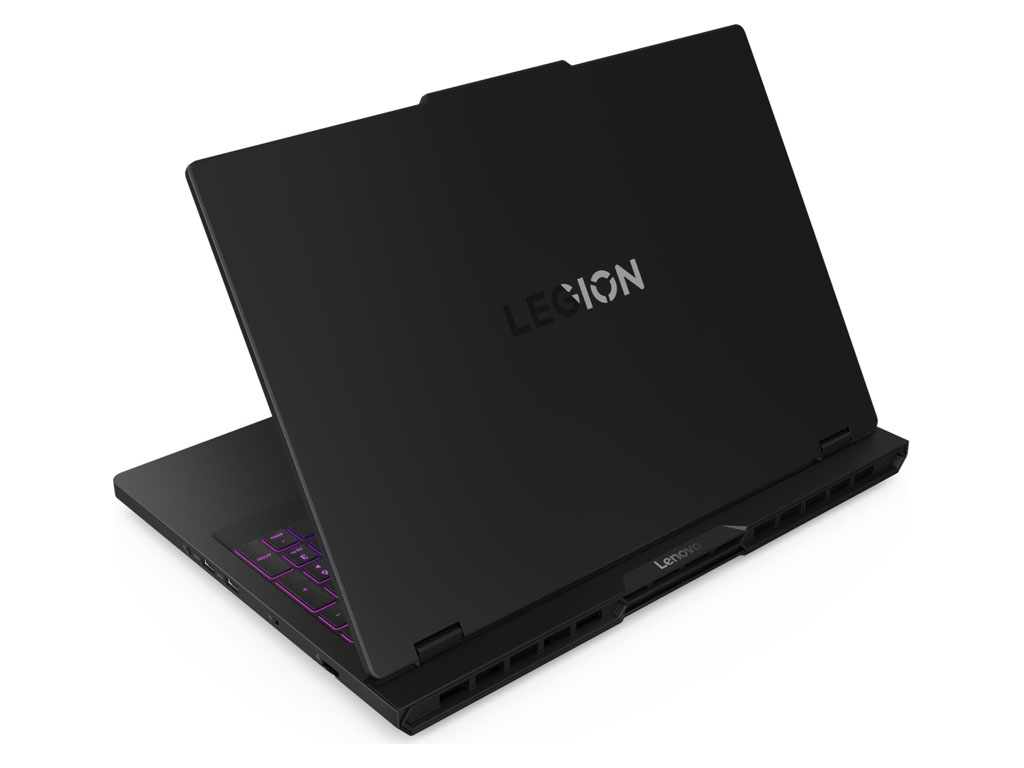
The Lenovo Legion Pro 5 Gen 10 does not stray from its roots when it comes to design and build. This Gen 10 gaming laptop looks great, but I do wish Lenovo would change up the design a bit. The lid still has the nasty habit of picking up fingerprints like mad. But those are minor gripes. Here are my key takeaways, both good and bad, of this AMD Ryzen gaming laptop. There’s always a give and take for almost every device, and the Lenovo Legion Pro 5 Gen 10 certainly has some give and take. In the end, I think the pros outweigh the cons, and this is an excellent midrange laptop that any gamer will enjoy. The Lenovo Legion Pro 5 Gen 10 is a solid mid-range gaming laptop with a brilliant OLED display that just looks beautiful.
Single Review, online available, Long, Date: 11/18/2025
Rating: Total score: 91% price: 90% performance: 95% display: 95% mobility: 90% workmanship: 85%
Source: Ben G Kaiser
Unboxing the 2025 Lenovo Legion Pro 5 with Ryzen and RTX 5060 to see how it stacks up against the competition. From design changes to upgrade potential, here's everything you need to know before buying.
Single Review, online available, Long, Date: 09/10/2025
Foreign Reviews
Source: [link]
Single Review, online available, Very Long, Date: 02/14/2026
Comment
NVIDIA GeForce RTX 5060 Laptop: Mobile mid-range graphics card from the Blackwell family based on the GB206 chip with 3328 shaders and 8 GB GDDR7 graphics memory (128 bit).
With these GPUs you are able to play modern and demanding games fluently at medium detail settings and HD resolution.
» Further information can be found in our Comparison of Mobile Graphics Cards and the corresponding Benchmark List.
R7 8745HX: A higher-end octa-core Dragon Range refresh lineup processor that debuted in April 2025 and is primarily targeted at gaming laptops. This is essentially a rebadged Ryzen 7 7745HX; as such, the product offers 8 SMT-enabled Zen 4 cores (16 threads) running at 3.6 GHz to 5.1 GHz, along with a rather basic Radeon 610M RDNA 2 architecture iGPU.» Further information can be found in our Comparison of Mobile Processsors.
Devices from a different Manufacturer and/or with a different CPU
 Add as a preferred source on Google


