




Keychron’s new Lemokey P3 HE is a Hall-effect gaming keyboard built for easy modding
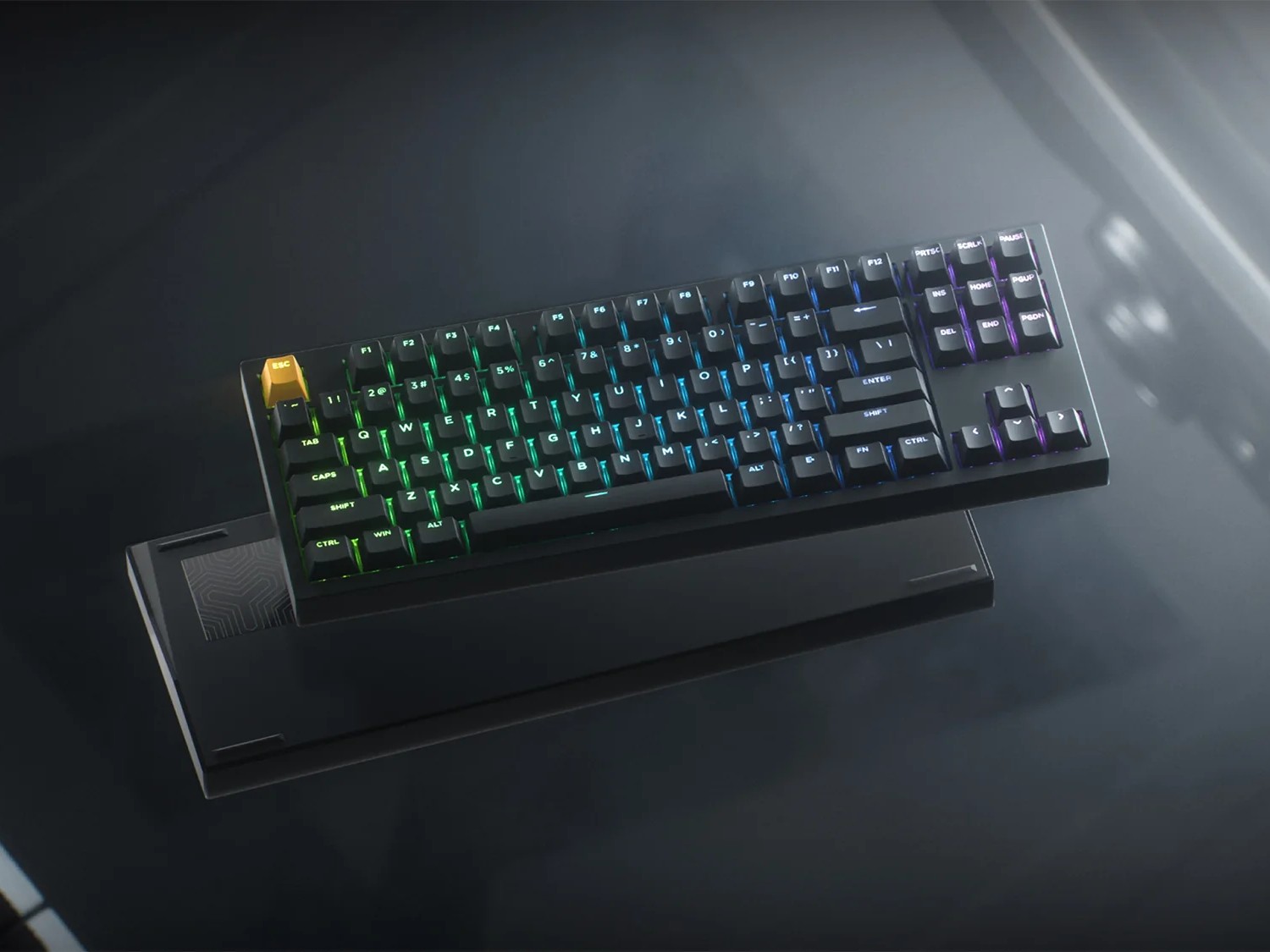
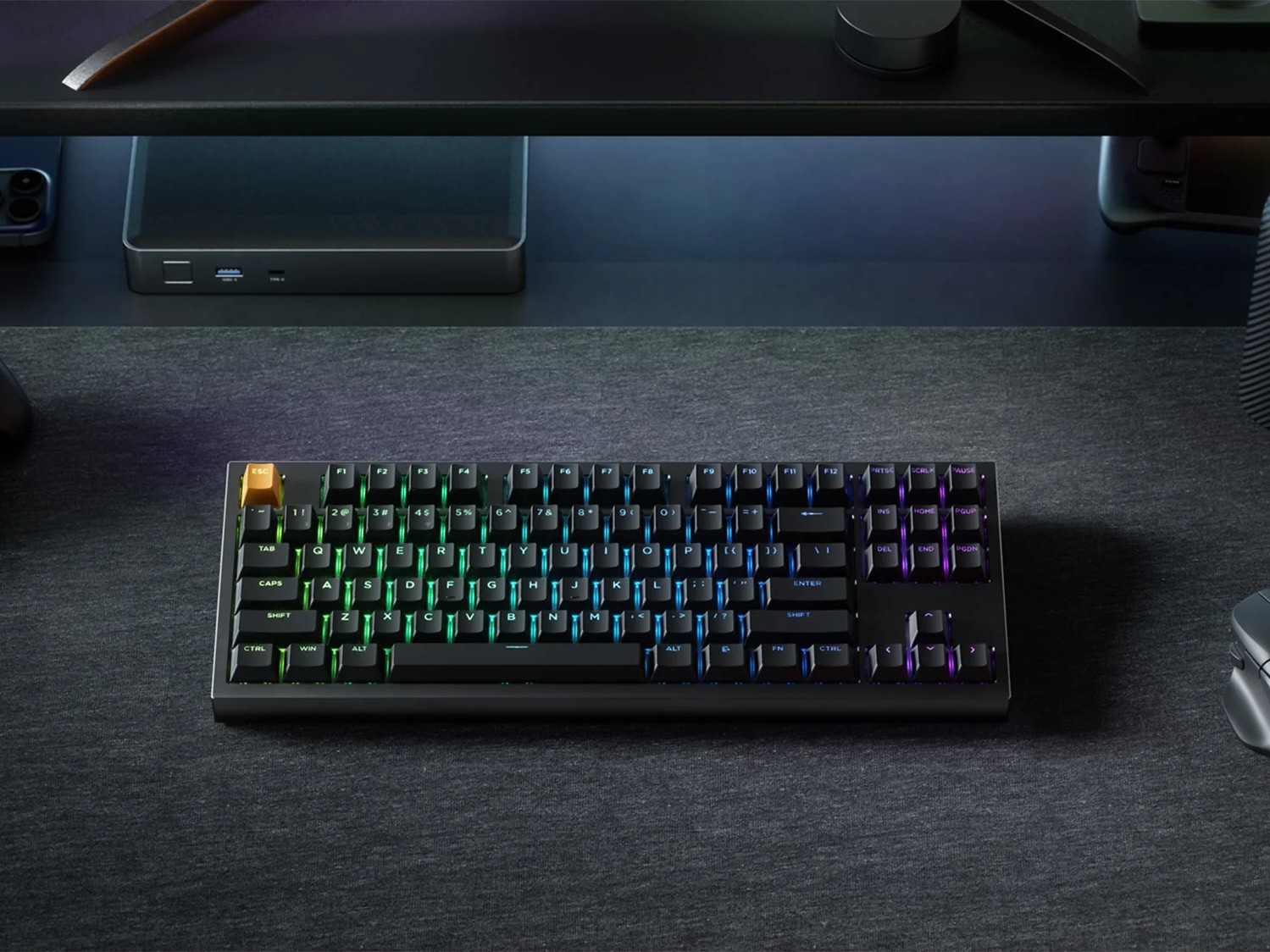
Keychron has expanded its Hall effect magnetic keyboard lineup with a new 80% TKL model under its Lemokey sub-brand. The new P3 HE builds on the Lemokey P Series, which includes strong boards like the P2 HE that we recently reviewed. Specifically, it is an 80% version of that keyboard, offering an expanded layout with an F-row and extra keys but still no numpad. Keychron also removed the customizable knob in this new model.
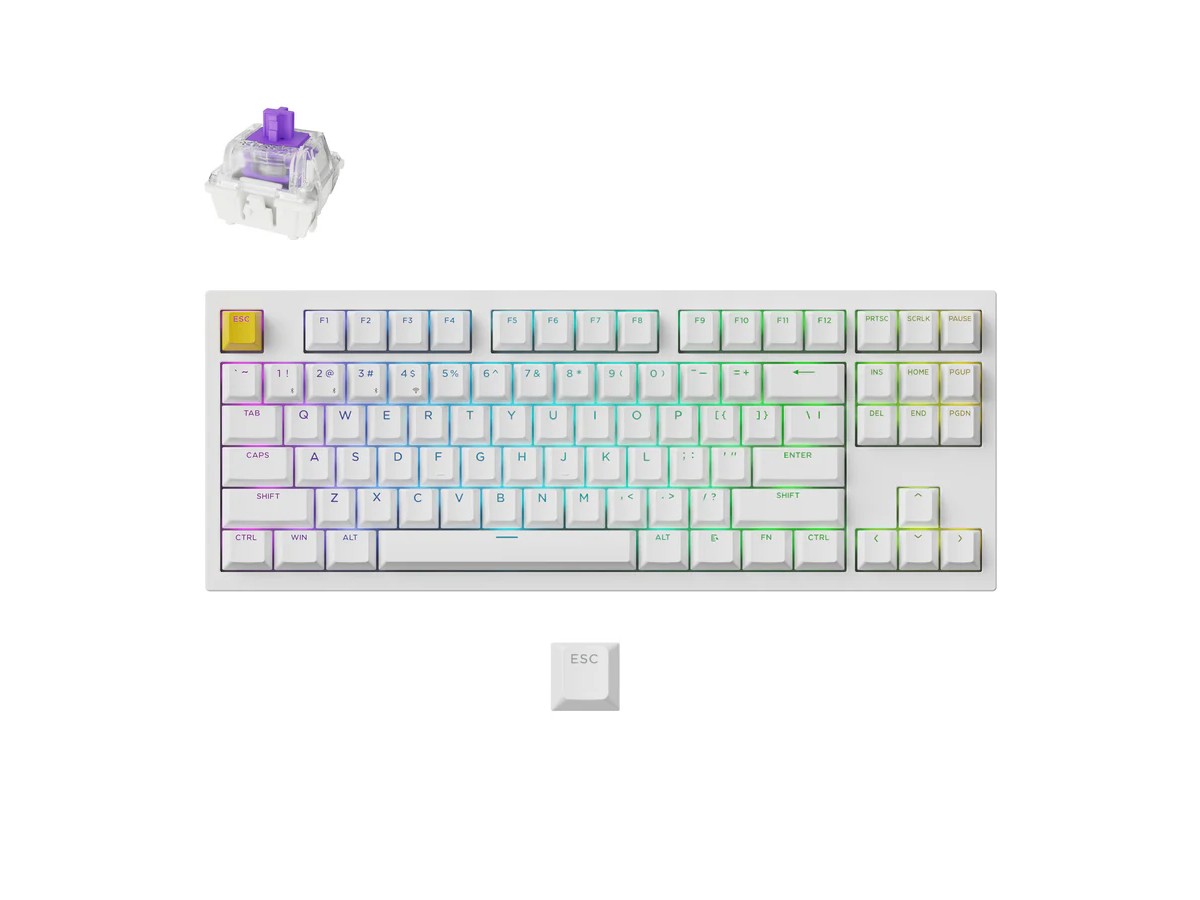
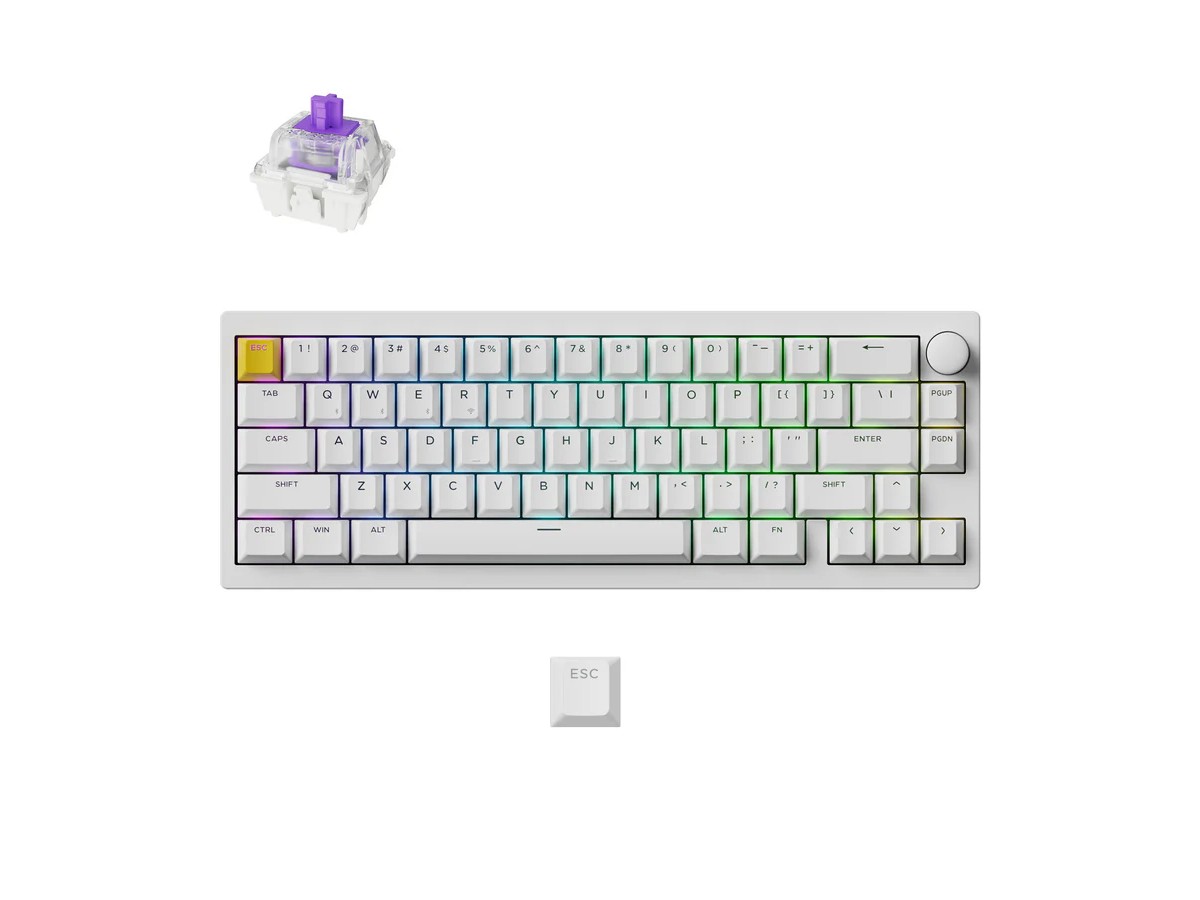
Smooth Gateron Double-Rail Magnetic Nebula switches
We liked the Gateron Double-Rail Magnetic Nebula switches in our review of the Lemokey P2 HE, and the new P3 HE uses the same switches. As a result, it should deliver a similarly smooth and stable typing experience. That said, these switches are not compatible with other magnetic options such as the Gateron Jade Pros or Wooting Lekker switches, and they can also feel fatiguing over longer typing sessions. On the plus side, the keyboard uses a gasket-mounted design with multiple layers of sound-dampening foam and double-shot Cherry profile PBT keycaps, which help improve comfort and acoustics.
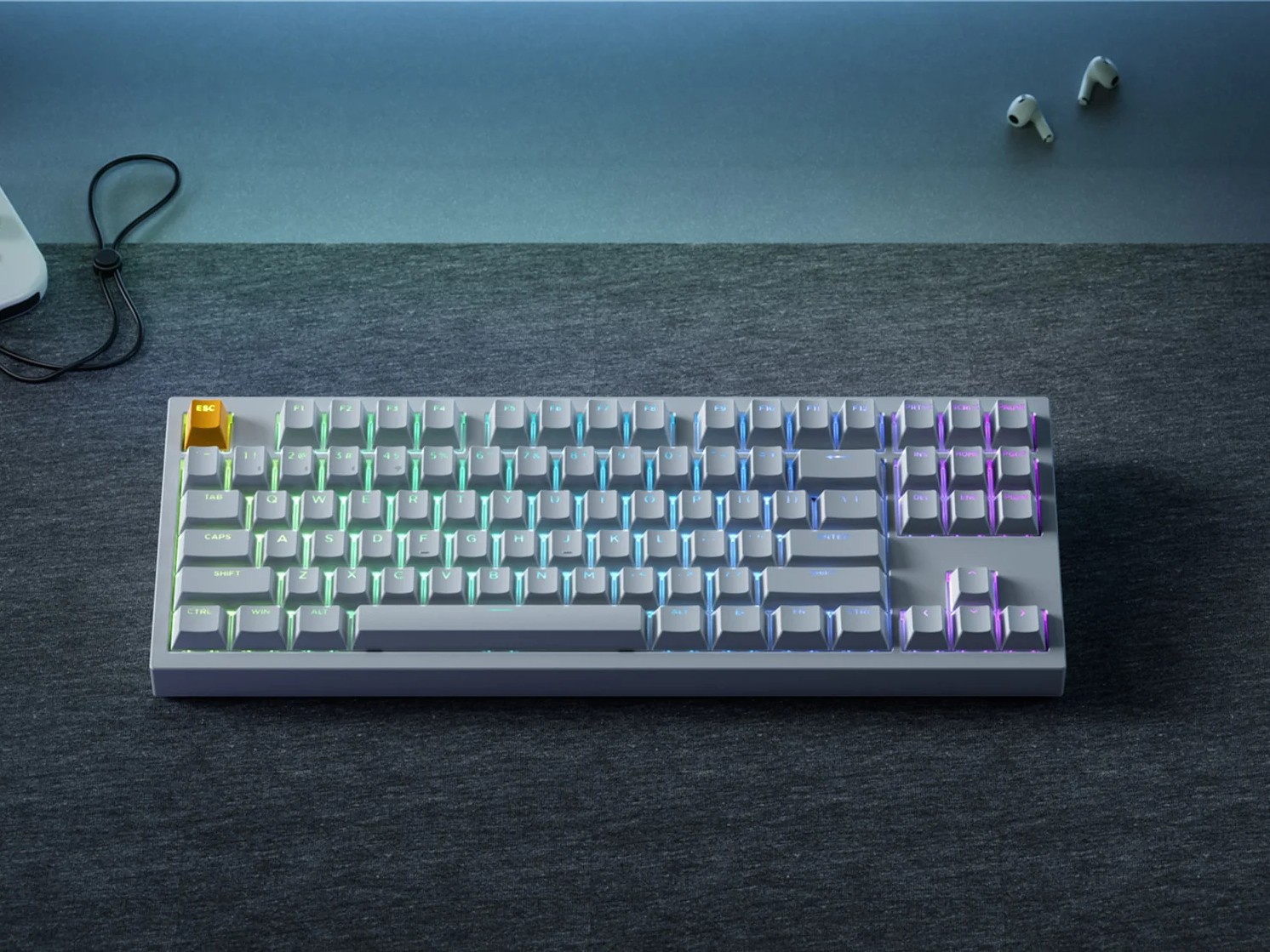
Another major highlight is the quick-release design. Like other keyboards in the Lemokey P series, the top case can be disassembled without tools for quick modification. No other Keychron keyboards currently offer this feature. That said, it's a full metal case, available in a choice of black and white. Additional highlights include improved stabilizers, a 1,000 Hz polling rate, north-facing RGB backlighting, and a full suite of Hall effect features such as rapid trigger, adjustable actuation with 0.01 mm sensitivity, SOCD, and DKS.
The keyboard supports both Mac and Windows and connects over Bluetooth, 2.4 GHz wireless, or USB-C. Battery life is rated at up to 120 hours, which is relatively modest compared to Keychron’s newer Q Ultra keyboards such as the Q3 Ultra (curr: $229.99 at Amazon), that claim up to 660 hours. The Lemokey P3 HE wireless magnetic keyboard is available to order now from the Lemokey and Keychron websites for $169.99, the same price as the P2 HE.
 Add as a preferred source on Google


