




Intel Arc B580 sees major performance boost with XeSS 3 Multi-Frame Generation without big latency hit
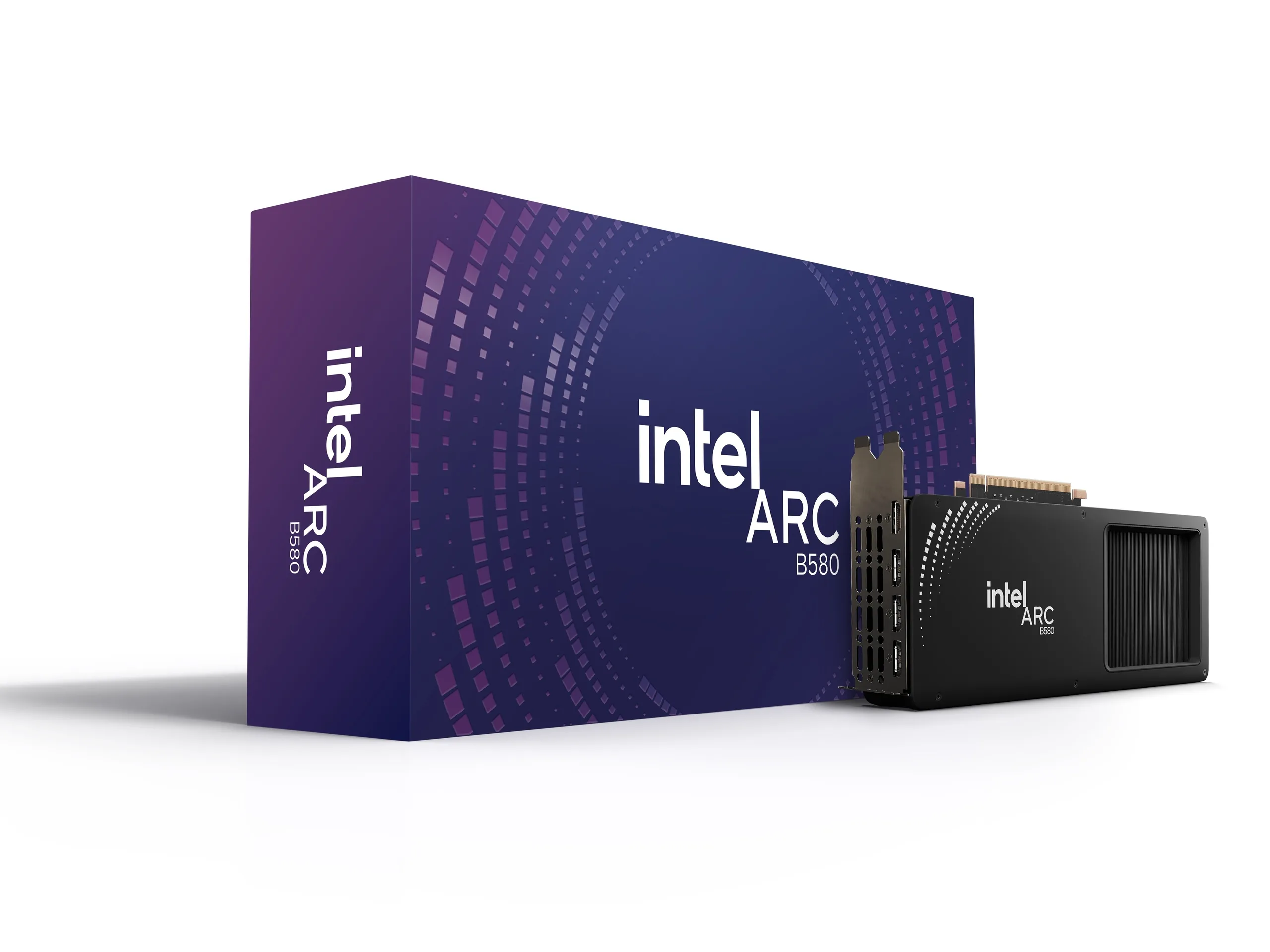
On February 13 as part of a new driver update, Intel released XeSS 3 Multi-Frame Generation (MFG) for desktop Arc Alchemist and Arc Battlemage GPUs, as well as integrated Arc GPUs in Lunar Lake, Meteor Lake, and Arrow Lake-H mobile APUs. According to PC Games Hardware’s detailed testing, XeSS 3 MFG increases FPS by more than 200% for Arc B580 and Arc A770 GPUs when using 4x MFG.
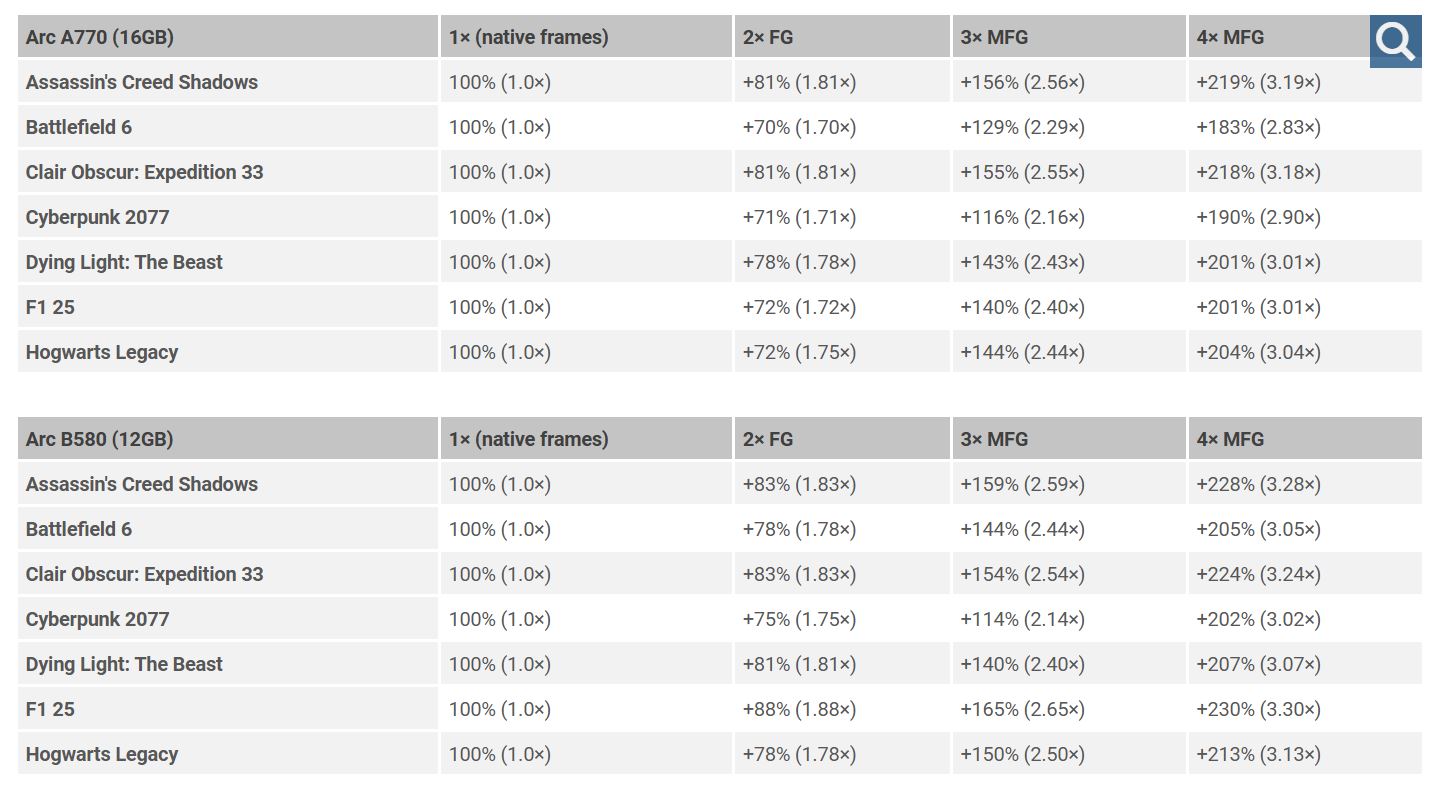
PCGH tested the Arc B580 and the Arc A770 in seven AAA titles, including Assassin’s Creed Shadows and Battlefield 6, at 1440p, and using XeSS Quality. The difference in native and 4x MFG performance of the Arc B580 and the Arc A770 is night and day, with the old Arc A770 managing to achieve 183% better FPS vs native rendering in Battlefield 6. The Arc B580 showed a 205% FPS gain in the same scenario.
Both the Arc A770 and the Arc B580 displayed similar performance gains with 4x MFG in other titles. For instance, both GPUs were more than 200% faster in Dying Light: The Beast with 4x MFG enabled.
One of the biggest inherent side effects of Multi-Frame Generation is the added latency. Latency increases with each artificial frame generated. Like Nvidia and AMD, Intel has a software solution to reduce latency called XeLL. PCGH’s testing reveals that XeLL works surprisingly well, as it can reduce latency by quite a bit compared to not using XeLL at all.
In Cyberpunk 2077, the Arc A770 suffers from a 79 ms latency without using any Frame Generation and XeLL. Enabling XeLL brings this latency down to 37 ms. Enabling 4x MFG but with XeLL only increased the latency to 56 ms, which is still 28% lower than no FG and no XeLL. The Arc B580 shows a similar pattern.
Intel Arc B580 is a value champ
According to our testing, the Intel Arc B580 performs at the level of an RTX 5060. Nvidia’s RTX 50 series GPUs have gotten considerably more expensive. As such, even the cheapest RTX 5060 is currently $349 on Amazon, $50 more than the official MSRP. This makes the Arc B580 a much better value in this regard.
Intel’s Xe2-based Arc Battlemage B580 brings 4 GB more VRAM and can be yours for only $299.99. With the release of XeSS 3 MFG and repeated driver updates that have polished the performance of the GPU, gamers looking for a budget-friendly desktop GPU for 1080p/1440p gaming will find a lot to like in the Arc B580.
Source(s)
 Add as a preferred source on Google


