




Images of a solar eclipse passing over Antarctica on February 17, 2026, have been unveiled
On February 17, 2026, a solar eclipse took place, but few people were able to enjoy it. It was only visible in a remote area of Antarctica, and only scientists were able to observe it. Nevertheless, satellites managed to capture the shadow of the Moon passing over this continent, providing magnificent images.
Indeed, satellites GEO-KOMPSAT-2A and GOES-19 have obtained images from their orbit showing the Moon's shadow on Earth's surface. And that’s not all, because the weather satellite GEO-KOMPSAT-2A was able to capture several images, showing the shadow of our natural satellite moving from left to right.
A phenomenon that will happen again in 2026
While these images are impressive and beautiful, it is important to remember that solar eclipses are not rare. They occur every year in different parts of the world, and 2026 could be an exceptional year for many people.
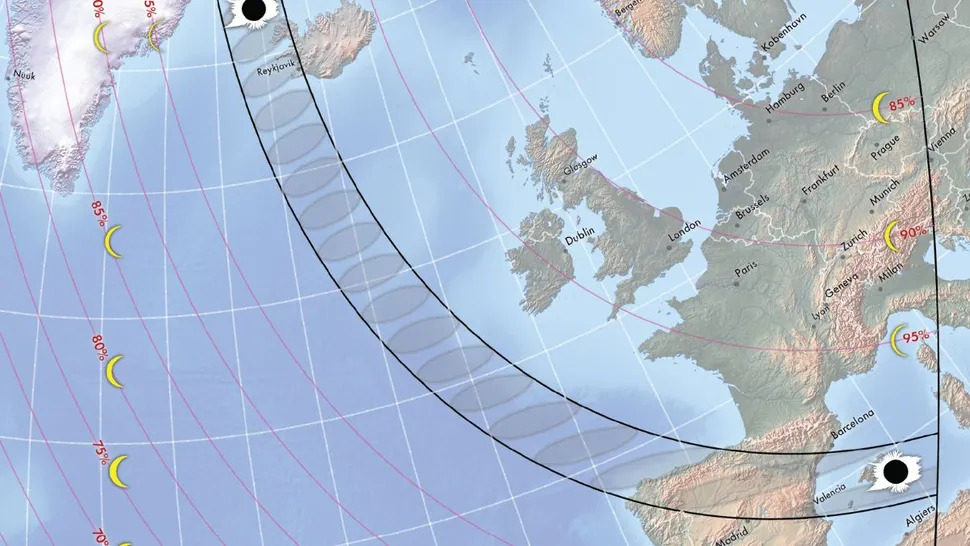
Indeed, the next solar eclipse will be visible in many countries, as the Moon's shadow will pass over Greenland and head towards the Mediterranean Sea. As a result, those living in the Russian North, Greenland, Iceland, in Western Europe, in North Africa, and North America will be able to observe it.
Finally, lunar eclipses will also occur, such as the one scheduled for March 3, 2026, which will be visible from North America, Russia, and Japan. Not to mention the lunar eclipse planned for August 28, which will also be visible from North America and Western Europe.
Source(s)
 Add as a preferred source on Google


