First ear infections, now potential loss of fingers: Samsung ignores health risks of Galaxy Ring
History is repeating itself. In 2021, we reported on widespread ear infections caused by the Samsung Galaxy Buds Pro. When questioned, Samsung downplayed the problem and recommended that affected customers contact Samsung directly only to be forced to sign a non-disclosure agreement in order to have the earbuds replaced.
It wasn't until 2023 that Samsung finally quietly published a support page pointing out possible complications from a nickel allergy, confirming our suspicion. However, sales of the Galaxy Buds Pro were not stopped, customers did not get their money back, and an allergy warning remains conspicuously absent from the product page. Last September, Daniel from YouTube channel Zone of Tech reported on a health risk associated with the Samsung Galaxy Ring.
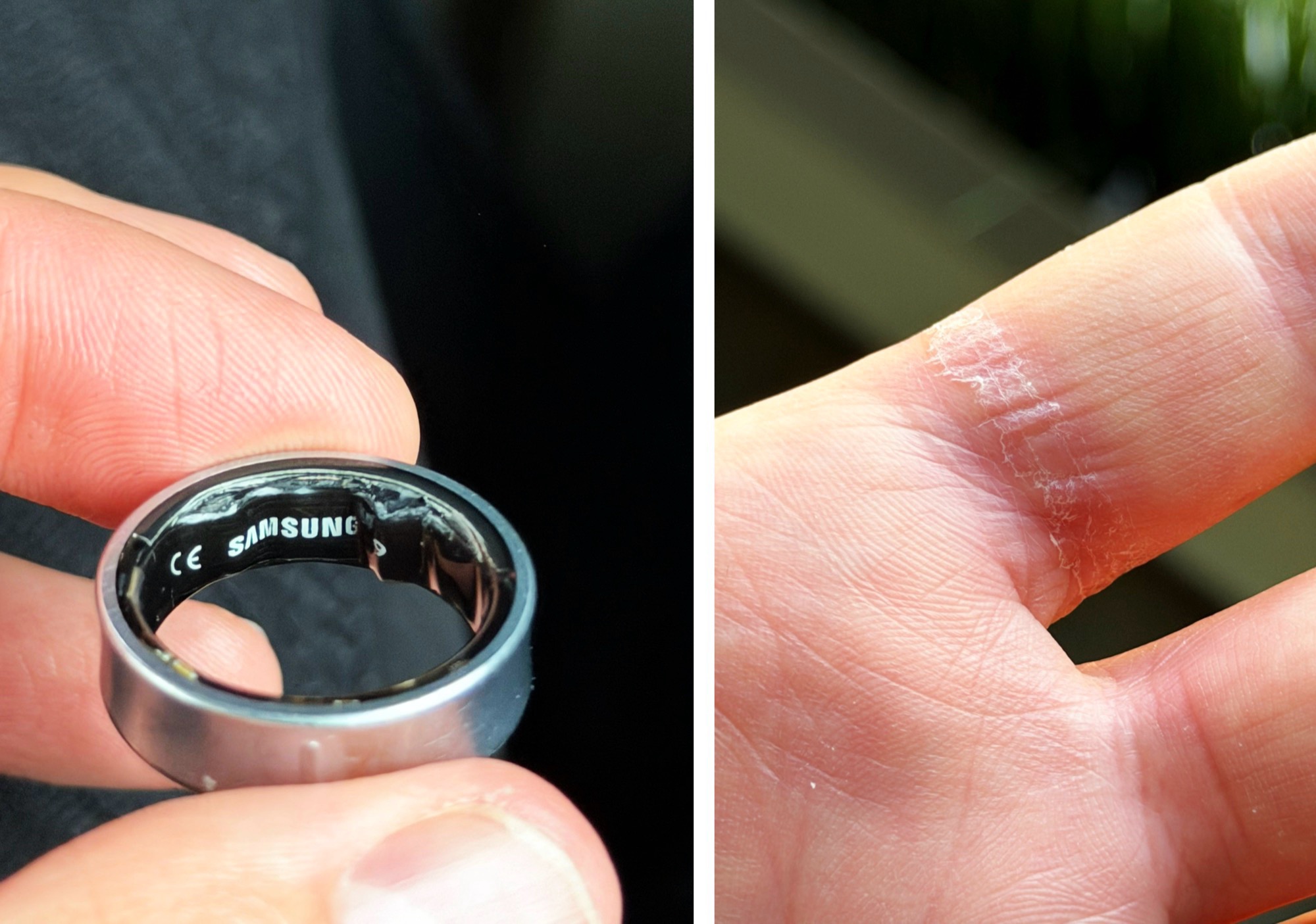
The Galaxy Ring's battery had swollen, causing painful pressure on the finger and rendering it stuck in place. The ring was finally removed in an emergency room. Swollen batteries can also catch fire, so such an incident could have turned out much worse. Three months after the incident, Samsung sent the following statement to Zone of Tech:
Customer safety is our highest priority. Samsung has been in regular contact with Daniel whilst we conducted our investigation. Following an examination by Samsung and then a further analysis by an independent external agency, it was confirmed that the swelling in Daniel’s Galaxy Ring was caused by a crack in the internal moulding and that there was no wider product battery safety risk. The Galaxy Ring has been designed for everyday wear, with durability at the core. Customer care guides for all our devices can be found at: samsung.com/uk/support
According to this, both an internal analysis and an independent investigation revealed the battery swelled due to a crack in the inner housing cover. Samsung stresses that there are no inherently serious safety risks. For Samsung, the matter appears to be closed, and no design adjustments or measures will be taken to prevent such incidents in the future.
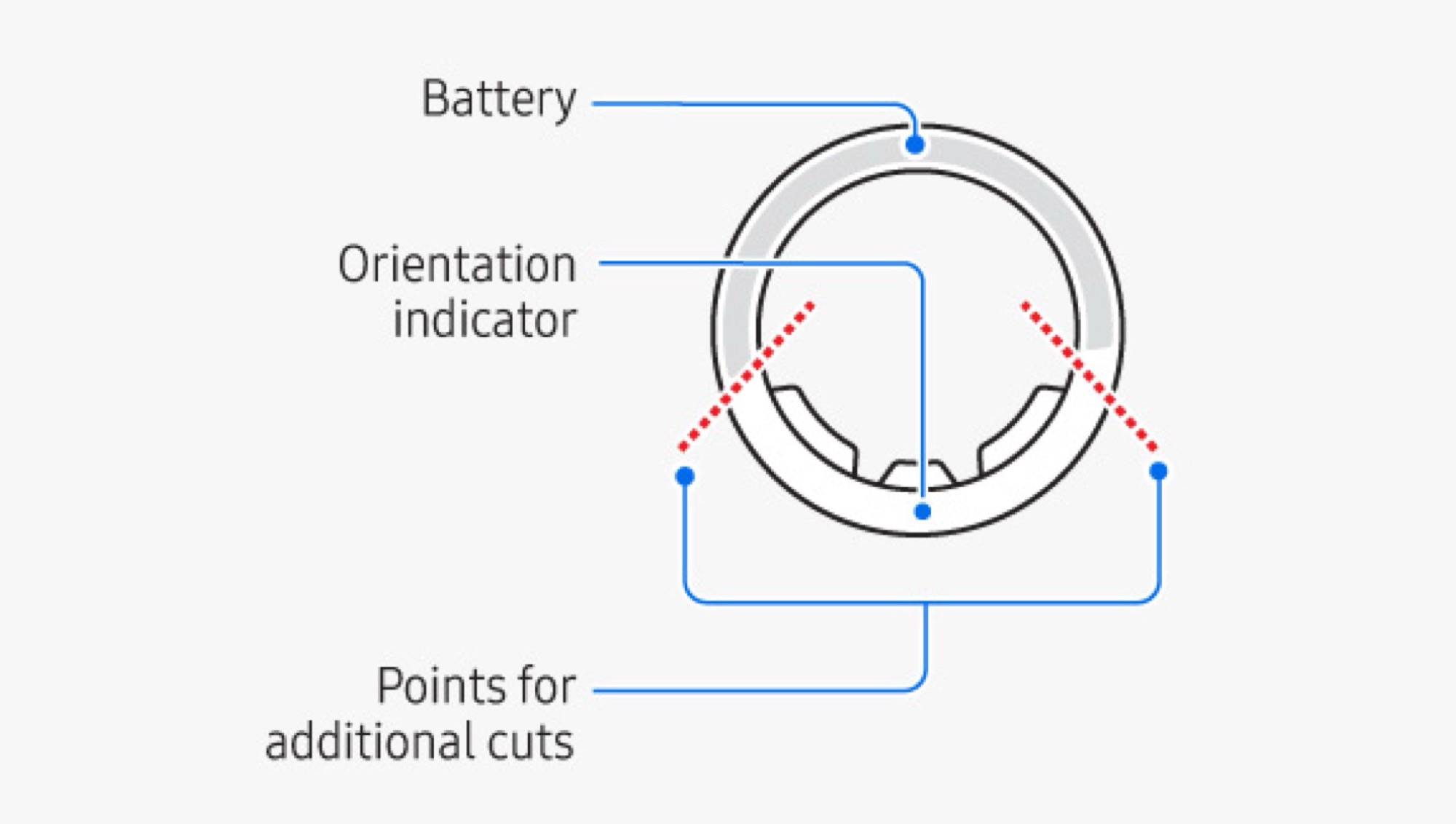
The fact that batteries always carry the risk of swelling is no secret. However, in a smartphone or smartwatch, this is not nearly as direct a health risk as it is in a smart ring. To ensure that the ring can still be removed from the finger even with a swollen battery, an open design like the Evie Ring would be a possible solution. Or at least an early warning system that detects battery swelling before it's too late. However, as past experience has shown, it's unlikely that Samsung will prioritize the health and safety of its customers.
Source(s)
Own | @ZoneofTech (X) | Samsung
 Add as a preferred source on Google