




Chinese storage breaks into top three for the first time, but with a catch
Yangtze Memory Technologies (YMTC) has broken into the global top three NAND suppliers for the first time, capturing a 14% shipment share in Q2 2026 and narrowly edging out Kioxia, according to Counterpoint Research's Q2 2026 Memory & Storage Tracker. The Chinese memory maker grew shipments 22% YoY and 5% QoQ, capitalizing on a broader NAND shortage as demands for memory for AI increasing.
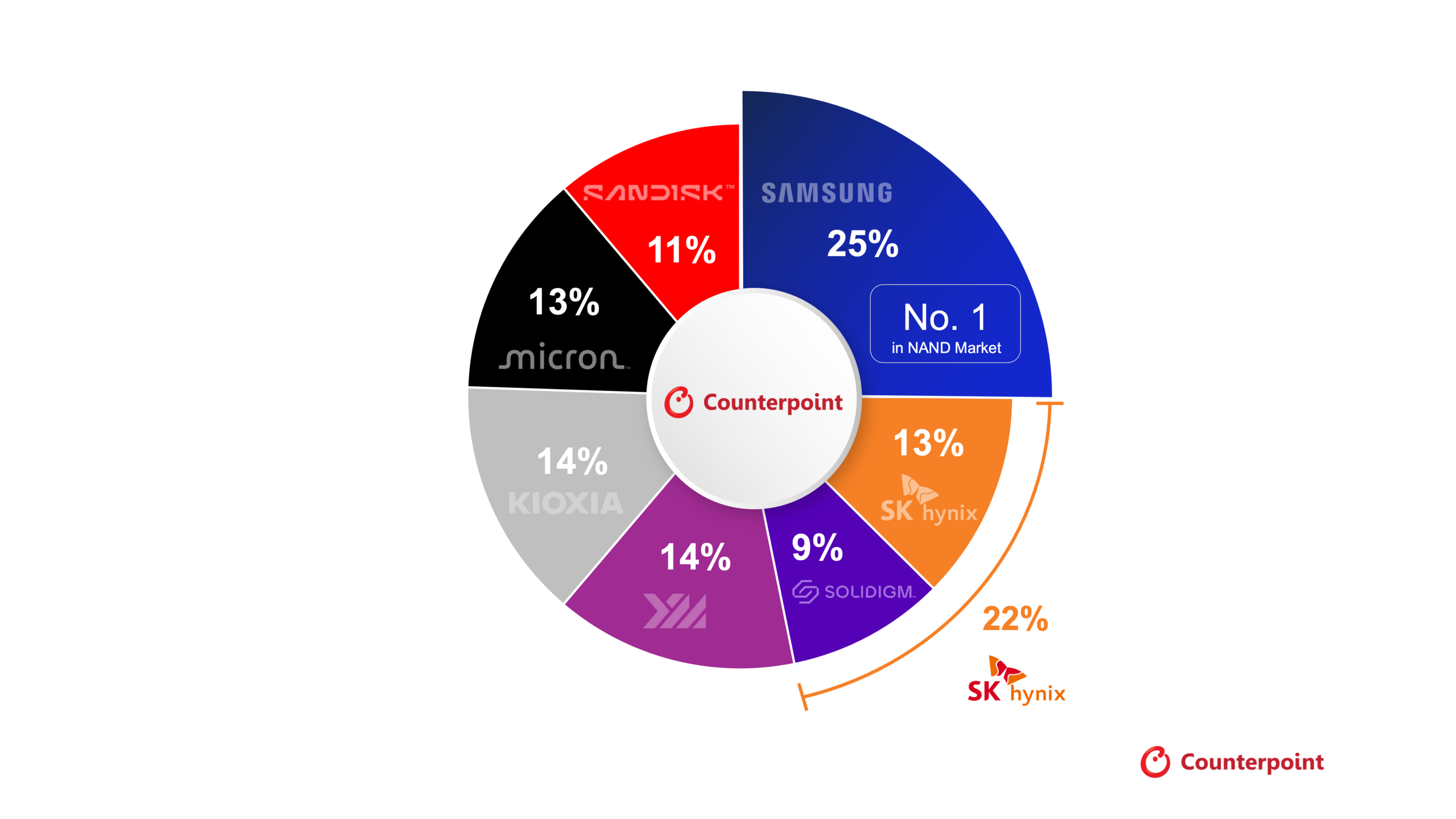
Samsung still leads with 25% share, down from 32% two years ago, as the company has shifted capacity toward DRAM. SK hynix holds second at 22%.
YMTC's rise comes despite still being on the US Commerce Department's Entity List since late 2022, which restricts its access to advanced fab tools from suppliers like ASML, Applied Materials, and Lam Research.
Still, shipment volume hasn't yet translated into revenue. YMTC ranks third in NAND shipments this quarter but only fifth in revenue, trailing Micron and Kioxia, because most of its output still goes into lower-priced consumer NAND rather than high-margin data-center eSSDs.
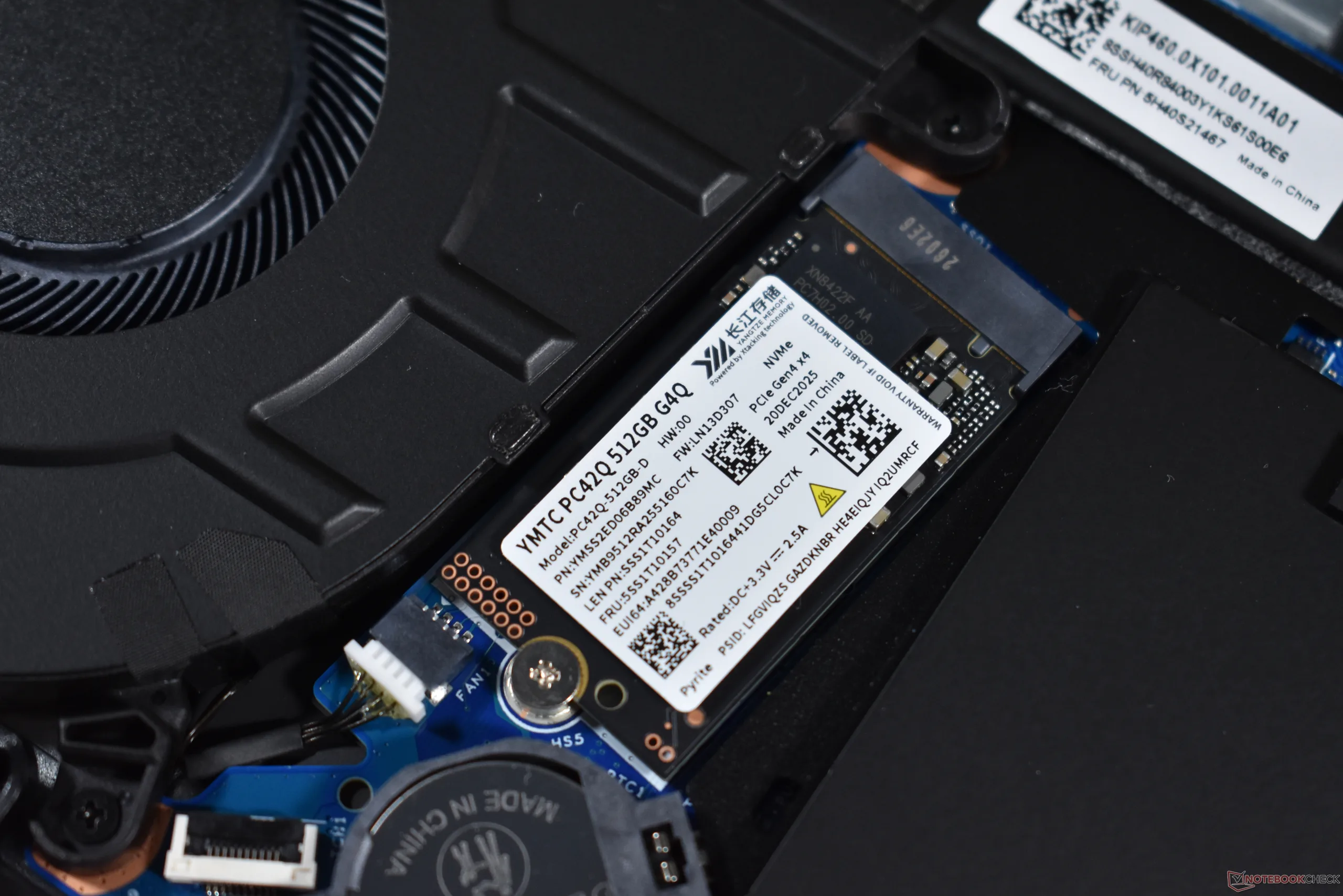
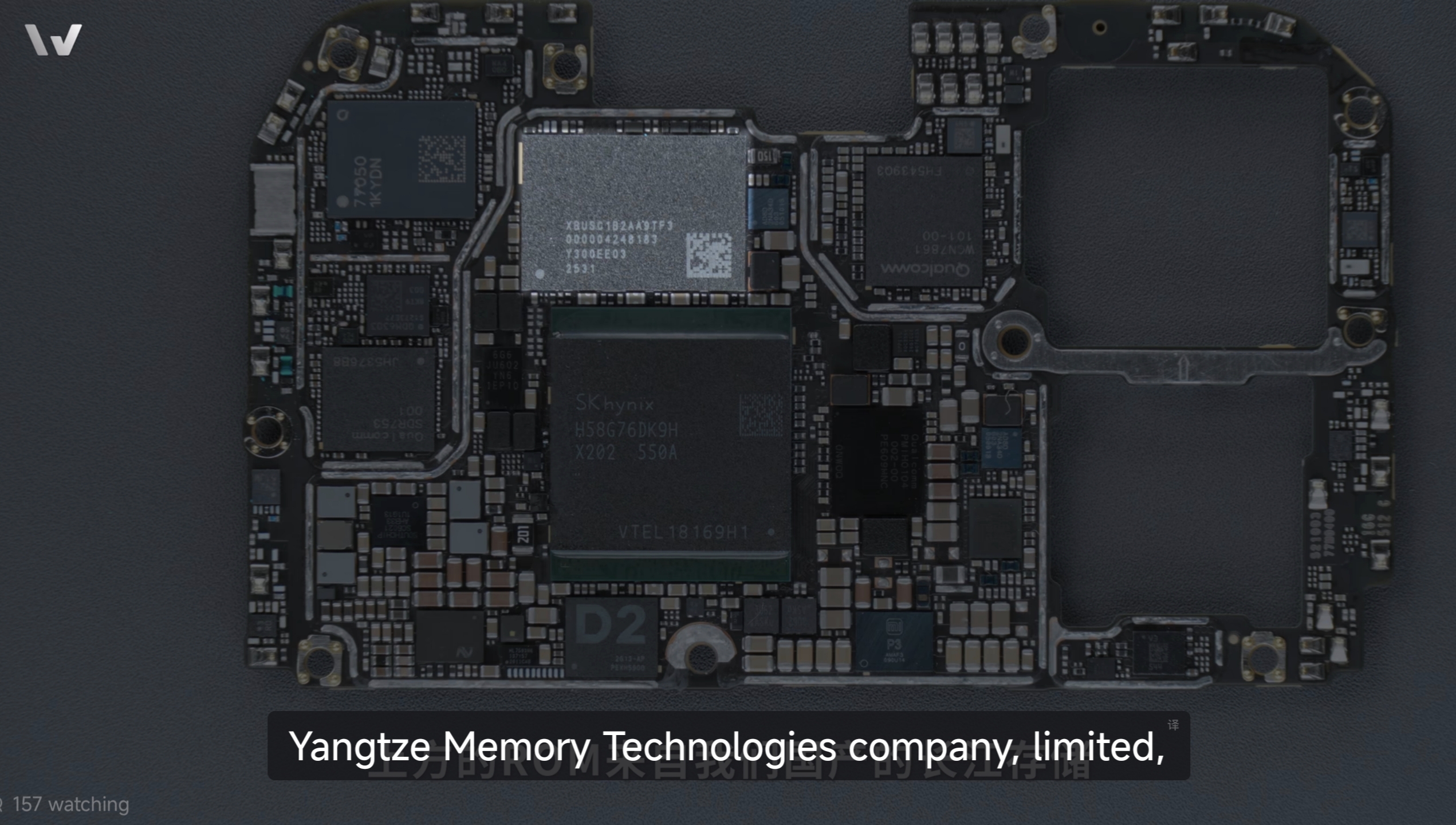
That mix is starting to shift, in our testing, the Lenovo's ThinkBook 14 G9 IPL has shipped with a YMTC SSD in at least one configuration. Its write and read speeds land below average for a productivity class SSD, but the appearance of YMTC storage in a Lenovo model outside China matters, given Lenovo's position as the largest PC OEM by volume. It also puts Chinese NAND in front of a mainstream global buyer rather than confining it to budget PC builds and enterprise storage. YMTC has also been breaking into upper flagship phones, with the latest Redmi K100 Pro carrying YMTC memory in at least one configuration, as revealed by Bilibili UP Wekihome.
YMTC has publicly targeted 15% global NAND share by the end of 2026. Whether it gets there depends on how quickly the company can shift its production mix toward enterprise SSDs, and how consistently its domestic fab tools can run at scale.
Note: shipment share figures are Counterpoint Research estimates, not company reported financials.
Source(s)
 Add as a preferred source on Google


