




Mercedes, BMW, Audi and Volkswagen are losing China’s EV battle as local EV rivals like Xiaomi and Nio race ahead
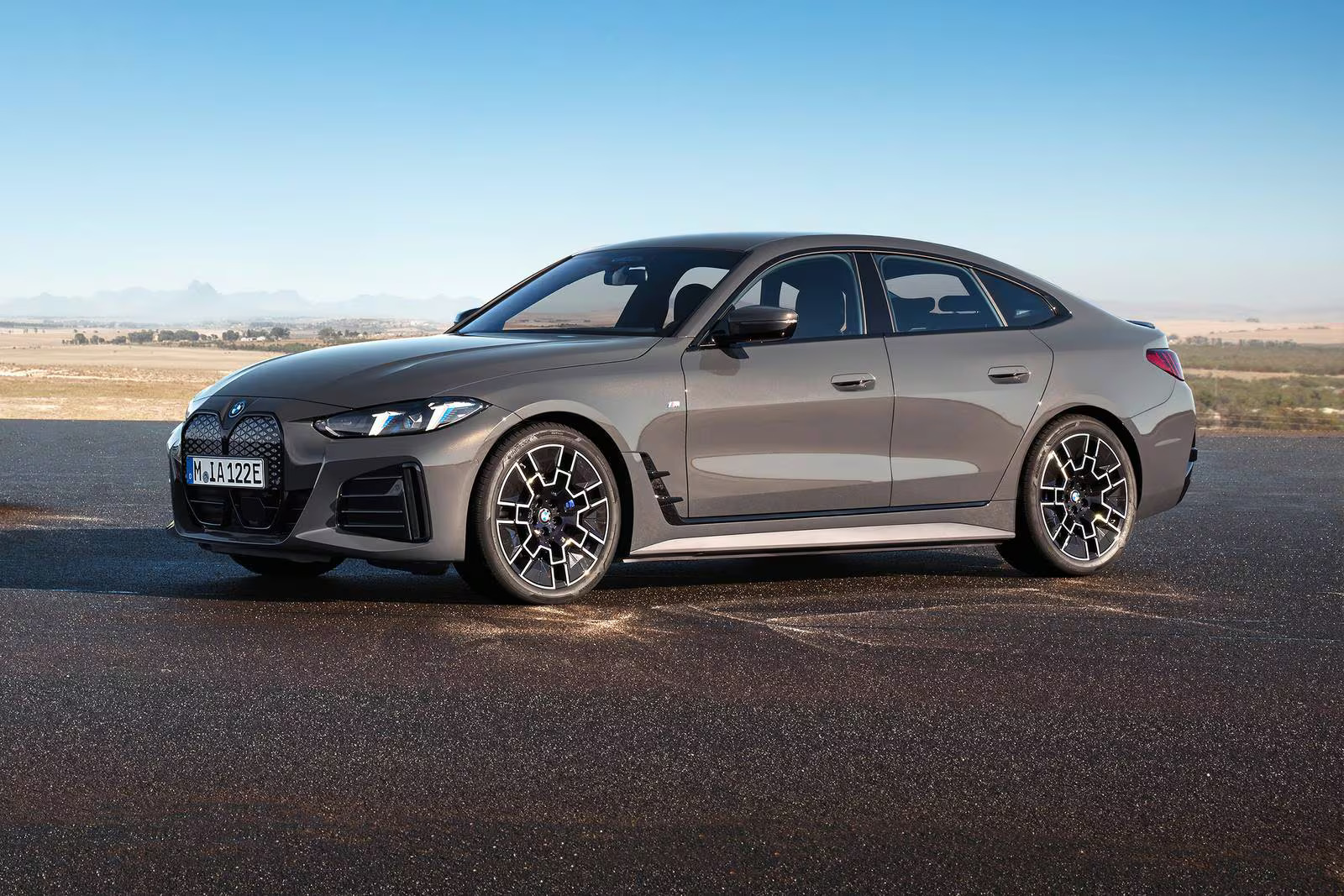
Mercedes-Benz was expected to be the German car brand best positioned to prosper in China’s brutal EV market. While the German automaker’s badge still commands loyalty and prestige among wealthier, older buyers, its quarterly earnings, reported on July 28, present a decent second-quarter performance.
As reported by Bloomberg, a closer look shows the group's EBIT rose 22% year over year to €1.5 billion. But if you dig further into the regional breakdowns, the story changes quite a bit. Mercedes’ China sales cratered by 30% in the quarter, forcing the German automaker to slash its full-year sales and revenue guidance below 2025 levels, a year when the company was already down 19% in sales in China.
CEO Ola Källenius insisted Mercedes isn’t walking away, telling analysts on the earnings call that it “remains committed to China, focusing on tech products and localization.”
A brutal numbers game
Part of that focus includes shifting automotive manufacturing onto Chinese soil, which could reduce overall EV and automotive production costs. CFO Harald Wilhelm affirmed that the automaker “will start production of the China-specific GLE in August” to respond faster to local demand and further localize costs.
It’s largely a textbook play: build closer to the customer. But Mercedes’ efforts have yet to pay off because the company still hasn’t stopped the bleeding involved in the process. Additionally, CFO Wilhelm has already acknowledged that Mercedes’ Chinese joint venture reflects lower profit contributions moving forward.
However, Mercedes isn’t alone in the sales decline in China. BMW is seeing a softer sales decline after China deliveries fell 12.5%, while Audi’s global boss blames “geopolitical and economic challenges” for a 5% China sales drop, even as the brand continues to set records elsewhere, such as shipping more than 200,000 EVs globally, driven mostly by heavy demand for the Audi Q6 e-tron.
Volkswagen, BMW, Audi, Porsche, and Mercedes are facing a steep decline in EV sales after Beijing ended the EV purchase tax rebate, causing combined electric sales across all five companies to plunge 55% in the first quarter of 2026.
Meanwhile, domestic Chinese EV rivals are sprinting ahead: Nio is projecting 40–50% sales growth this year, and Xiaomi’s EV division has set a massive target of 550,000 deliveries, a 34% increase from its previous annual sales, presumably via its popular SU7 sedan and YU7 SUV.
Source(s)
Investing – Mercedes-Benz Q2 Earnings Call | Bloomberg (Paywall)
 Add as a preferred source on Google


