




Intel Core i5-13500HX vs AMD Ryzen 7 7435HS
Intel Core i5-13500HX
► remove from comparison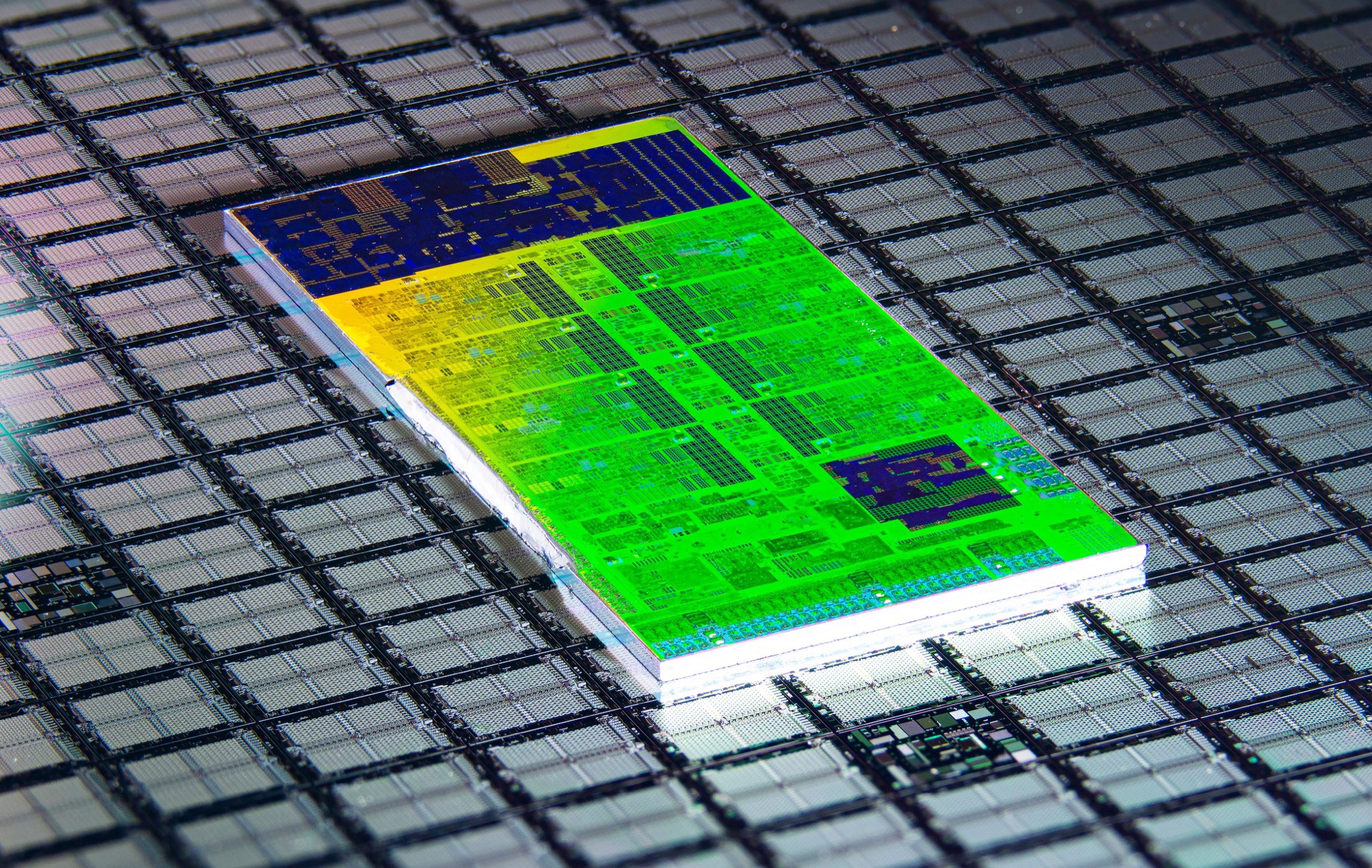
The Intel Core i5-13500HX is a fast mid-range mobile processor of the Raptor Lake series. Is was announced in early 2023 and integrates 6 fast Raptor Cove performance cores (P-cores) with HyperThreading and 8 Gracemont efficiency cores without Hyper-Threading. The P-Cores clock between 2.5 GHz (base) up to 4.7 GHz (single core boost, all-core 4.5 GHz). The smaller E-Cores clock between 1.8 and 3.5 GHz. All cores can access the combined 24 MB L3 cache.
Compared to Alder Lake, Raptor Lake offers improved P-Cores (Raptor Cove micro-architecture) with bigger Caches and more E-Cores (same Gracemont micro-architecture). Furthermore, the chip supports faster DDR5 memory (up to 5600 MHz for the 13980HX, but only 4800 MHz for the i5).
Performance
The average 13500HX in our database is in the same league as the Ryzen 7 7745HX, Core i7-13705H, Core i9-12900HK, Core i9-13900H, Core i9-13905H, as far as multi-thread benchmark scores are concerned. This is a very, very fast CPU, as of mid 2023.
Your mileage may vary depending on how competent the cooling solution of your laptop is and how high the CPU power limits are.
Power consumption
The chip's "minimum assured" power consumption sits at 45 W. Its maximum Intel-recommended Turbo power consumption is 157 W and the Base power consumption is supposed to be around 55 W. Most laptop makers will go for a value much higher than 55 W to get better performance.
The i5-13500HX is manufactured on Intel's 4th generation 10 nm process marketed as Intel 7 for average, as of early 2023, energy efficiency.
AMD Ryzen 7 7435HS
► remove from comparison
The AMD Ryzen 7 7435HS is a mid-range CPU for gaming laptops that features 8 Zen 3+ cores and no iGPU. Unlike the Ryzen 7 7435H that appears to be a CPU for use by Chinese OEMs in China, the HS variant seems to be available globally.
This 16-thread Rembrandt Refresh family processor runs at 3.1 GHz to 4.5 GHz.
Architecture
Rembrandt family chips are powered by Zen 3+ (Zen 3 Plus) architecture CPU cores and RDNA 2 architecture iGPUs; it appears the iGPU is disabled permanently on the 7435HS.
Mobile Zen 3+ is built around TSMC's 6 nm process and it delivers a variety of power management features and refinements that Zen 3 and Zen 2 did not have, such as the Microsoft Pluton security feature. No NPU of any kind is present here, however. These APUs are supposed to be compatible with DDR5-4800 as well as LPDDR5-6400 RAM; strangely enough, LPDDR5 memory support isn't mentioned on the official 7435HS product page. PCIe 4 is supported natively for speeds up to 1.9 GB/s per lane and its L3 cache looks very healthy at 16 MB. USB 4 (and Thunderbolt) support is supposed to be present as well however it gets no mention on the official product page suggesting this feature could have been disabled for reasons unbeknownst to us.
Performance
Considering the decent clock speeds, the CPU should be about as fast as the Ryzen 7 6800HS in multi-threaded workloads which, while far from record-breaking, is still nothing to sneeze at as of late 2024.
Power consumption
While the chip's long-term TDP power target is supposed to be in the 35 W to 54 W range, many OEMs will probably go a little higher than that, considering the Ryzen is targeted at gaming systems.
| Model | Intel Core i5-13500HX | AMD Ryzen 7 7435HS | ||||||||||||||||||||||||||||||||||||
| Codename | Raptor Lake-HX | Rembrandt-HS Refresh (Zen 3+) | ||||||||||||||||||||||||||||||||||||
| Series | Intel Raptor Lake-HX | AMD Rembrandt (Zen 3+) | ||||||||||||||||||||||||||||||||||||
| Series: Raptor Lake-HX Raptor Lake-HX |
| |||||||||||||||||||||||||||||||||||||
| Clock | 1800 - 4700 MHz | 3100 - 4500 MHz | ||||||||||||||||||||||||||||||||||||
| L3 Cache | 24 MB | 16 MB | ||||||||||||||||||||||||||||||||||||
| Cores / Threads | 14 / 20 6 x 4.7 GHz Intel Raptor Cove P-Core 8 x 3.5 GHz Intel Gracemont E-Core | 8 / 16 8 x 4.5 GHz AMD Zen 3+ | ||||||||||||||||||||||||||||||||||||
| TDP | 55 Watt | 45 Watt | ||||||||||||||||||||||||||||||||||||
| Technology | 10 nm | 6 nm | ||||||||||||||||||||||||||||||||||||
| Die Size | 257 mm2 | |||||||||||||||||||||||||||||||||||||
| max. Temp. | 100 °C | |||||||||||||||||||||||||||||||||||||
| Socket | BGA1964 | FP7r2 | ||||||||||||||||||||||||||||||||||||
| Features | DDR4-3200/DDR5-4800 RAM, PCIe 5, Thr. Director, DL Boost, GNA, MMX, SSE, SSE2, SSE3, SSSE3, SSE4.1, SSE4.2, AVX, AVX2, BMI2, ABM, FMA, ADX, VMX, SMEP, SMAP, EIST, TM1, TM2, HT, Turbo, SST, AES-NI, RDRAND, RDSEED, SHA | DDR5-4800 RAM incl. ECC, PCIe 4, USB 4, SMT, AES, AVX, AVX2, FMA3, MMX (+), SHA, SSE, SSE2, SSE3, SSSE3, SSE4.1, SSE4.2, SSE4A | ||||||||||||||||||||||||||||||||||||
| iGPU | Intel UHD Graphics Xe 16EUs (Tiger Lake-H) ( - 1500 MHz) | |||||||||||||||||||||||||||||||||||||
| Architecture | x86 | x86 | ||||||||||||||||||||||||||||||||||||
| Announced | ||||||||||||||||||||||||||||||||||||||
| Manufacturer | ark.intel.com | www.amd.com | ||||||||||||||||||||||||||||||||||||
| L1 Cache | 512 KB | |||||||||||||||||||||||||||||||||||||
| L2 Cache | 4 MB |
Benchmarks

Average Benchmarks Intel Core i5-13500HX → 100% n=2
Average Benchmarks AMD Ryzen 7 7435HS → 73% n=2
 - Average benchmark values for this graphics card
* Smaller numbers mean a higher performance
1 This benchmark is not used for the average calculation


 Add as a preferred