




Xiaomi announces its first open source robot model to help robots move more naturally
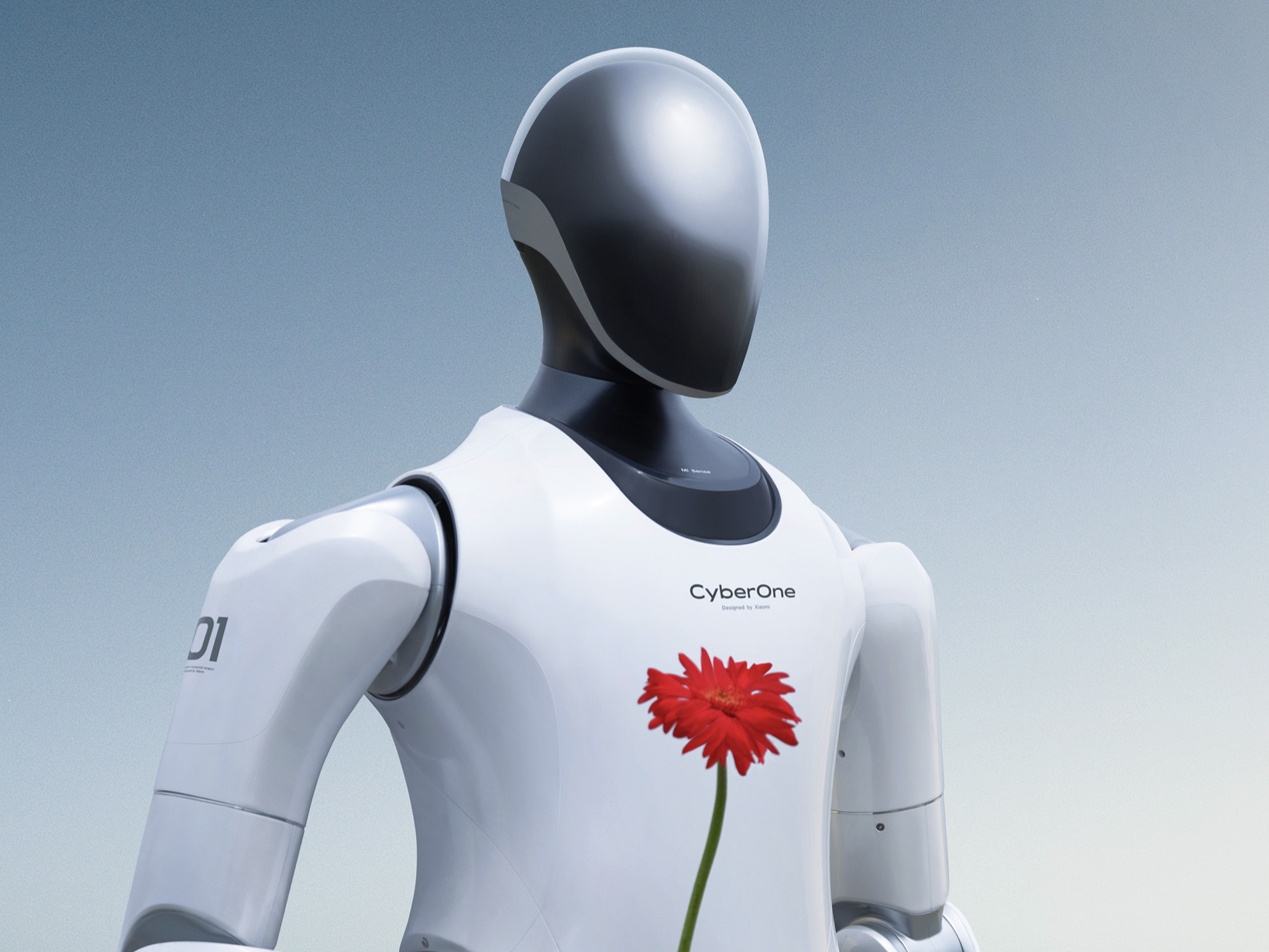
Xiaomi CEO Lei Jun has officially announced the release of Xiaomi-Robotics-0 which is the company's first large model designed to help robots understand and interact with the physical world. Unlike many other companies that keep their robot software private and secret, Xiaomi is releasing this new system as an open-source project so that everyone can use it to build better robots. The release includes the computer code and the mathematical models, which are available right now for researchers and developers to download and use on different types of robot hardware.
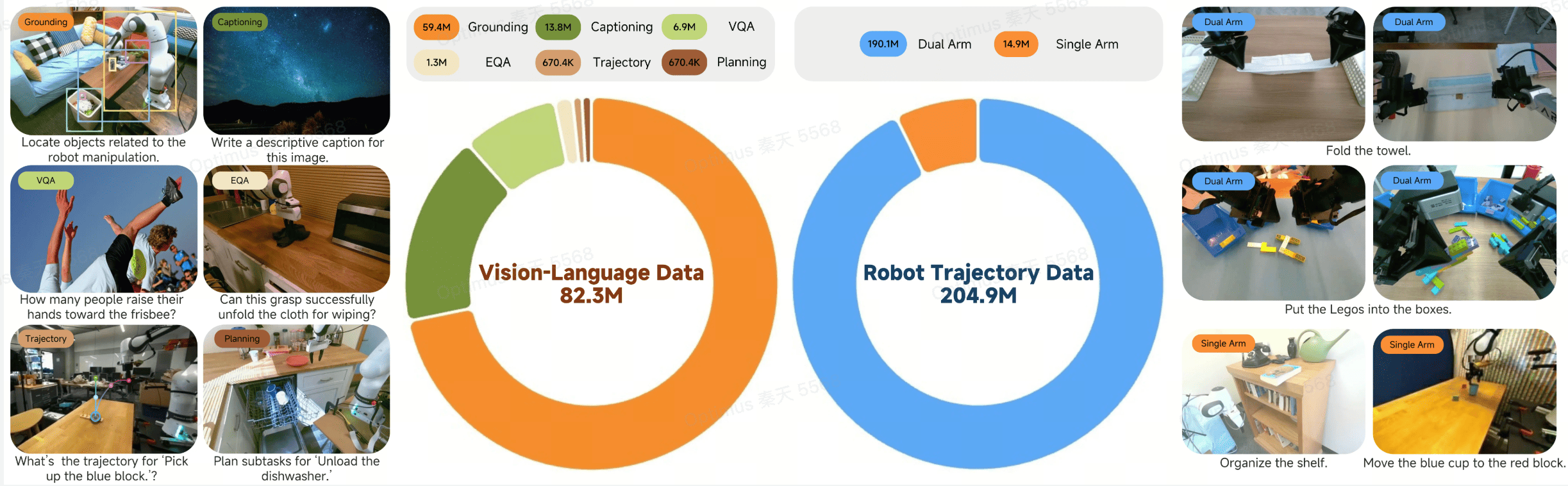
The model uses a special design that splits the work between a brain for thinking and a separate part for controlling movement by building upon the Qwen3 language model. The team trained this model using a massive amount of data that includes about 200 million distinct robot movements and over 80 million general images and text examples. This extensive training allows the robot to understand complicated instructions and recognize objects in the real world while also planning its physical actions with high precision.
This new model solves a common problem where robots pause to think before they move because it allows the robot to plan its next moves while it is still finishing the current ones. Xiaomi uses a technique called a Lambda-shaped mask, which ensures that the robot moves smoothly based on its previous actions but stays ready to react to new visual information instantly. Tests show that this new system performs very well in computer simulations, where it achieved a success rate of nearly 99 percent in the LIBERO benchmark, which is much higher than many competing models.
Xiaomi also demonstrated the robot performing difficult tasks in the real world, such as taking apart complex Lego structures made up of up to 20 bricks or folding towels with human-like skill. The robot is smart enough to fling a towel to find a hidden corner or even put back an extra towel if it accidentally picks up two at once.
Source(s)
 Add as a preferred source on Google


