




First solid-state battery standard sets performance benchmarks for a flood of 2027 EVs with solid electrolyte battery
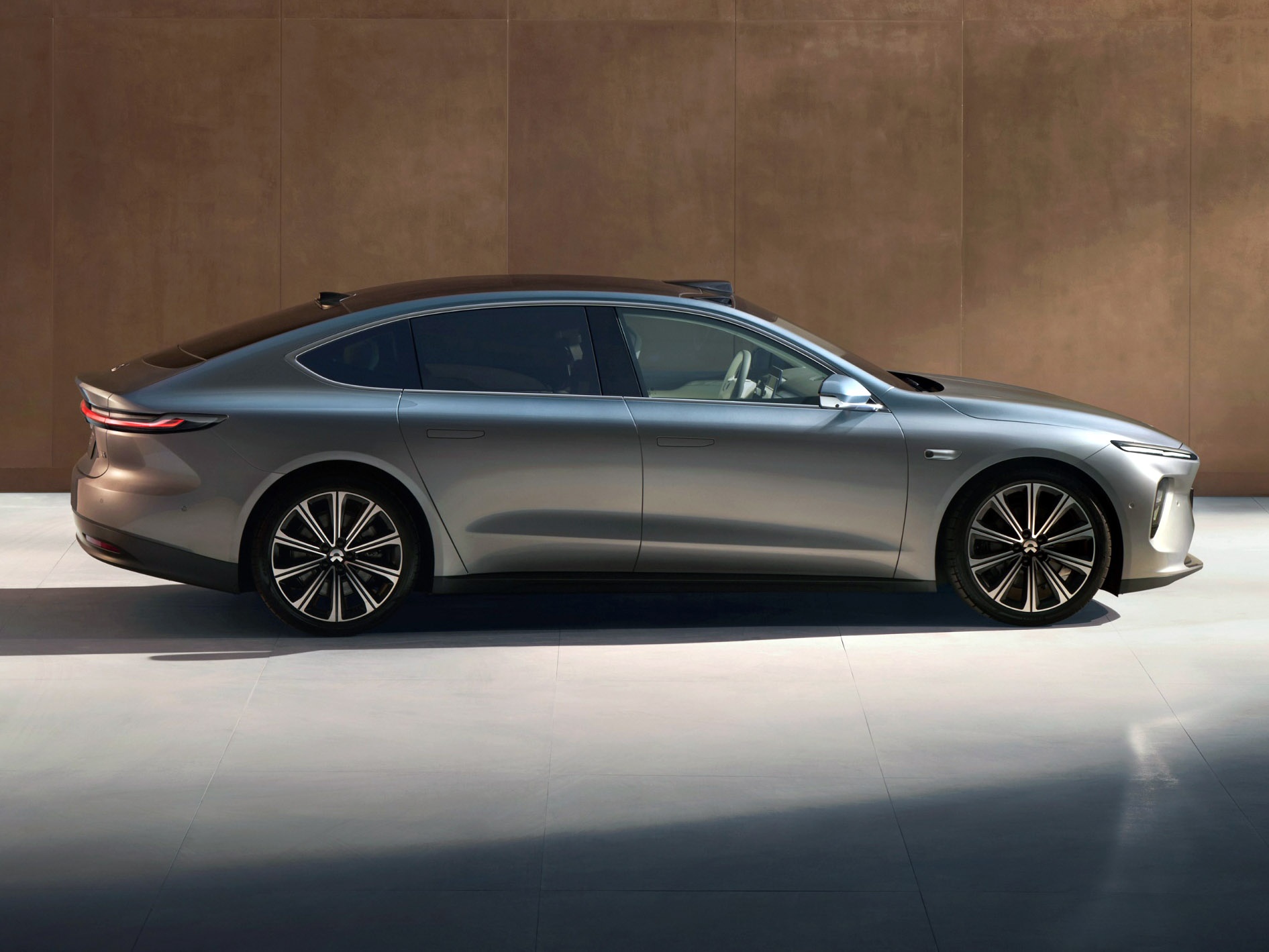
As companies accelerate their plans for solid-state battery production or deployment, the world's first standardization effort aims to set minimum performance and safety benchmarks for the nascent technology.
After a government-sponsored foray into electric vehicles, energy storage, and batteries bore fruit a decade later, making China their preeminent manufacturer; now its standardization body wants to do the same with the next frontier of battery technologies.
Solid-state battery standardization and categorization
The first part of the "Solid-state batteries for electric vehicles: terminology and classification" standard was ready in December, and the China Automotive Technology and Research Center (CATARC) that drafted it is now standardizing the certification tests. The goal is to release the first solid-state battery standard in July to set the following requirements:
Solid-state batteries use solid electrolytes instead of liquid electrolytes and separators, are non-flammable, leak-proof, temperature-resistant, and puncture-resistant, with an energy density of 300-500 Wh/kg, a 30-100% increase in range, and less energy loss at low temperatures.
Its solid-state battery standard initiative aims to speed up the commercialization of cells with solid or nearly solid electrolyte, as the new national categorization makes a distinction between the two. Previously called semi-solid, batteries with only 5% liquid and 95% solid electrolyte are now being categorized as hybrid solid-liquid batteries. They are cheaper to make than cells with 100% solid electrolyte but are almost as safe and offer much higher energy density than current ternary batteries with volatile liquid electrolyte.
According to CATARC, the standardization urgency stems from the fact that both automakers and battery manufacturers have sped up their retail product release schedule, and the first mass-produced electric vehicles with a solid-state battery are expected as soon as 2027. Some local battery startups don't even want to compete in the crowded industry of making batteries with liquid electrolyte and are trying their luck directly with the development and production of hybrid or solid-state batteries.
Their iterations range from 300 to 500 Wh/kg of energy density, depending on the electrolyte technology, safety profile, and manufacturing costs, which is still two to three times higher than current EV batteries. The world's largest EV maker and second-biggest battery producer, BYD, recently announced that it has made strides in its sulfide-based solid-state battery electrolyte technology that will allow mass production of cells with solid electrolyte that have heretofore been either cost prohibitive or with shorter lifespans than desired. Besides Chinese battery and automakers like CATL, Dongfeng, WeLion, Cherry, BYD, and others, who have announced solid-state battery commercialization projects, others like Toyota have also pegged 2027 as the year when they will have products like electric cars on the market, necessitating the rapid standardization and certification effort.
Get industry's first 27500 mAh sodium-ion jump starter on Amazon
 Add as a preferred source on Google


