




Solid-state battery electrolyte costs lowered 70% with new low-pressure production method
China introduced the world’s first solid-state battery categorization and standardization program not long ago. The country has now made solid-state battery development a priority in its electric vehicle and energy storage planning for the next five years.
Local companies, from startups to established juggernauts like CATL, have already started pilot production of solid-state batteries with energy density ranging from 360 to 500 Wh/kg and have raised the theoretical limits of the technology up to 700 Wh/kg by using polymer electrolytes.
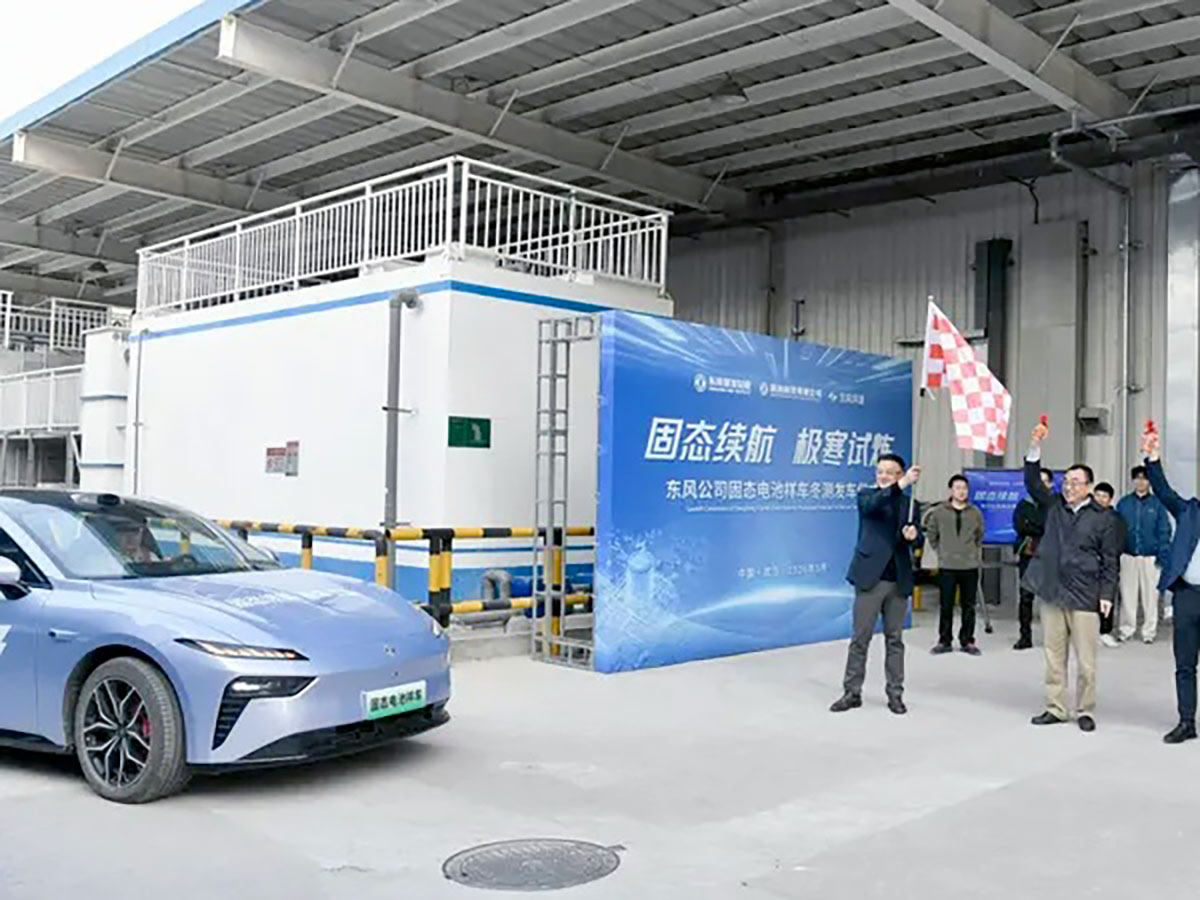
The energy density of the first solid-state batteries in mass production will be quite a bit lower than the heretofore theoretical limit of 500 Wh/kg, as companies like Hylic, which started the world’s first dedicated solid-state battery production line, or Dongfeng, which is now testing its homebrew solid-state battery on vehicles in extreme cold, are both advertising 350-360 Wh/kg energy density. They strive for a balance between performance, safety, and manufacturing costs that would be suitable for production ramp, says Hylic, which explains the comparatively low energy density.
Since the main challenge before successful commercialization of solid-state batteries becomes possible is their high manufacturing costs, Chinese researchers have begun to crack that code, too. After finding a way to lower solid-state battery prices by altering the electrolyte structure of a traditional zirconium-based mixture, another team has now rejiggled the mixture composition itself to achieve an estimated material cost of $43.70 per liter, which is about 70% lower than the price of the popular Li₂ZrCl6 solid electrolyte already preferred for its cost-effectiveness.
The new solid electrolyte comprises lithium, zirconium, aluminum, chlorine, and oxygen in 1.4Li2O-0.75ZrCl4-0.25AlCl3 proportions. This solid-state battery electrolyte compound offers a sufficient ion conductivity level but is way more flexible and can be deposited by applying a fraction of the pressure, drastically lowering manufacturing costs. The material has already been tested for compatibility with current widespread production methods and has exhibited good capacity retention.
“The simultaneous achievement of highly competitive mechanical compliance, Li-ion conductivity, and cost-effectiveness in 1.4Li2O-0.75ZrCl4-0.25AICI3 have the potential to pave the way for the realization of commercial, practical all-solid-state Li batteries,” tips the University of Science and Technology of China research team.
Get the 10,000 mAh solid-state Marastone power bank on Amazon.com
 Add as a preferred source on Google


