




High solid-state battery costs finally addressed with electrolyte structure hack using cheaper materials
The TS Pro bike that got announced at the CES 2026 expo will be the first production vehicle with a solid-state battery available for purchase in the US. Thanks to the solid-state battery technology, it can cover up to 370 miles on a charge, and the battery is basically guaranteed to last the lifetime of the vehicle.
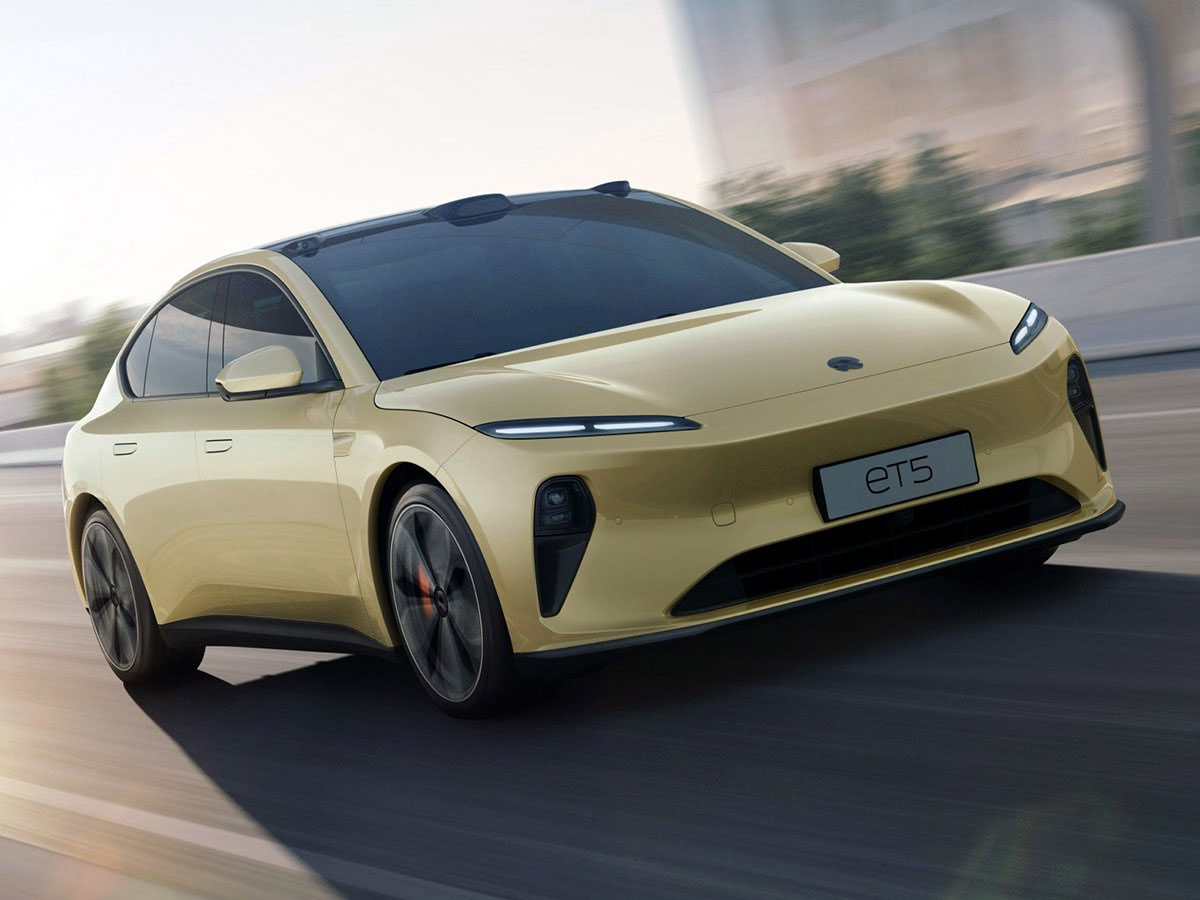
Its pricing, however, reflects the inherent challenge in solid-state battery commercialization: the exorbitant costs. The bike costs $34,900, or about as much as a base Tesla Model 3 electric sedan. Toyota, which is expected to be one of the commercialization pioneers starting in 2027, cautioned that its first cars with solid-state batteries will be released in limited batches in the premium segment under the Lexus brand, which can only mean high prices. Even batteries with semi-solid electrolyte that still have a 5% liquid component in cars like the ET7 can cost as much as a whole ET5 electric sedan, so NIO is now only renting the pack for longer summer trips.
While economies of scale during mass solid-state battery production could bring costs down, they are inherently more expensive to craft, as the solid electrolyte requires far more expensive materials and production procedures than liquid ones. While Samsung and others are addressing the manufacturing challenge and trying to lower its costs, Korean researchers from KAIST have now solved the solid-state battery cost equation in terms of materials.
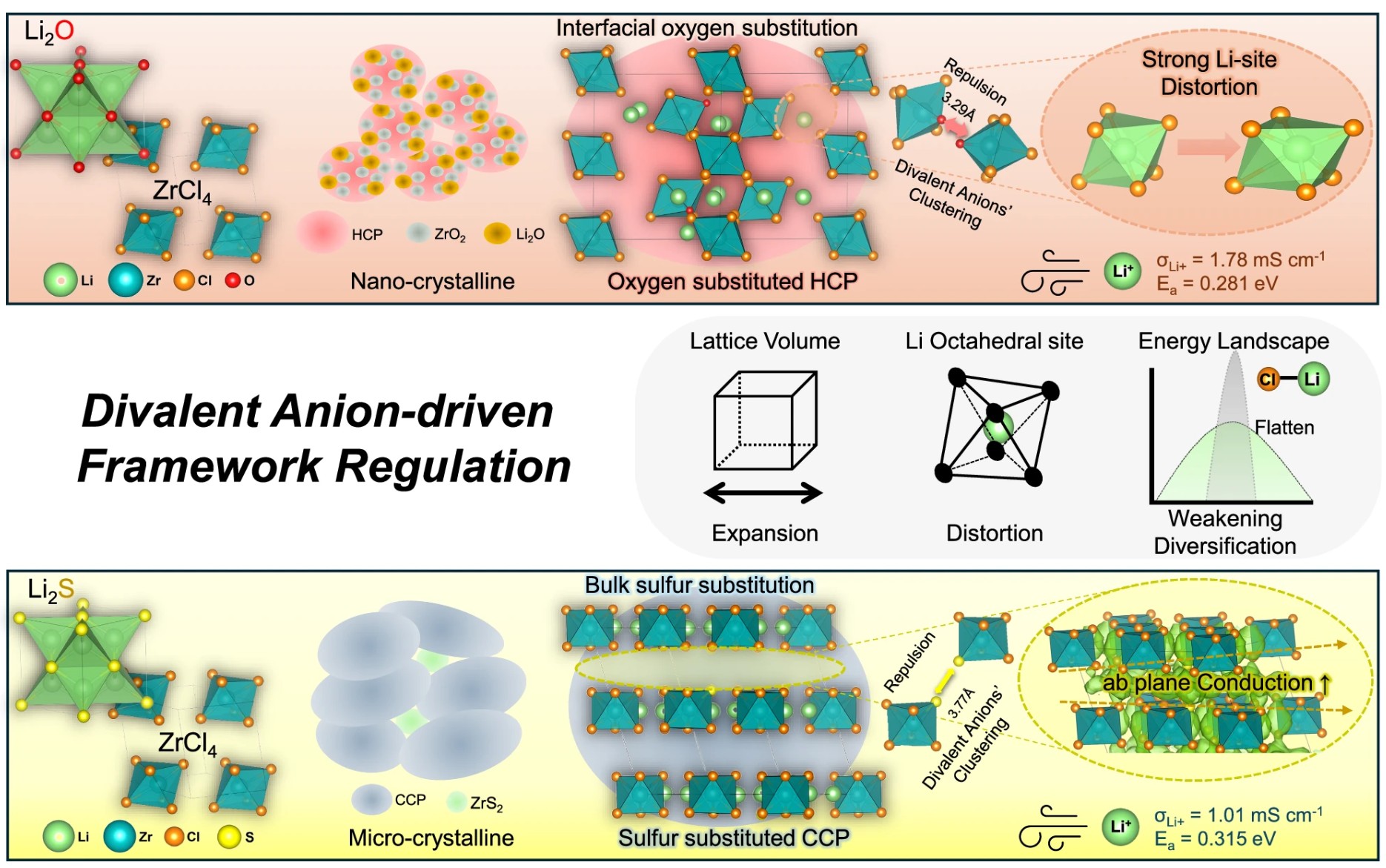
Instead of using expensive metals to overcome ion conductivity challenges in solid vs. liquid electrolytes, they managed to simply change the material structure of current oxide- or sulfide-based solid-state batteries. They introduced "divalent" oxide and sulfide anions into cheaper zirconium halide electrolyte and achieved up to four times easier ion movement, with energy density and conductivity levels on par with current solid electrolytes made using much more expensive metals.
According to the lead researcher, Prof. Seo Dong-hwa of the Department of Materials Science and Engineering at KAIST, the team’s discovery "presented design principles that can simultaneously improve the cost and performance problems of solid-state batteries using inexpensive raw materials," and is of the practical type that can find immediate industrial application, finally paving the way for much cheaper solid-state batteries.
Get the 10,000 mAh solid-state Marastone power bank on Amazon
Source(s)
KAIST via BusinessKorea & Nature
 Add as a preferred source on Google


