




Solid‑state battery standardization initiative spurs first dedicated factory for 360 Wh/kg cells with 95% solid electrolyte
China recently became the first country to actually try and set some solid-state battery standards, as both startups like WeLion and established manufacturers like CATL are vying to conquer the next EV range and safety frontier.
The solid-state battery standard initiative aims to speed up the commercialization of cells with solid or nearly solid electrolyte, and the new national categorization makes a distinction between the two.
Previously called semi-solid, batteries with only 5% liquid and 95% solid electrolyte are now being categorized as hybrid solid-liquid batteries. They are cheaper to make than cells with 100% solid electrolyte but are almost as safe and offer much higher energy density than current ternary batteries with volatile liquid electrolyte.
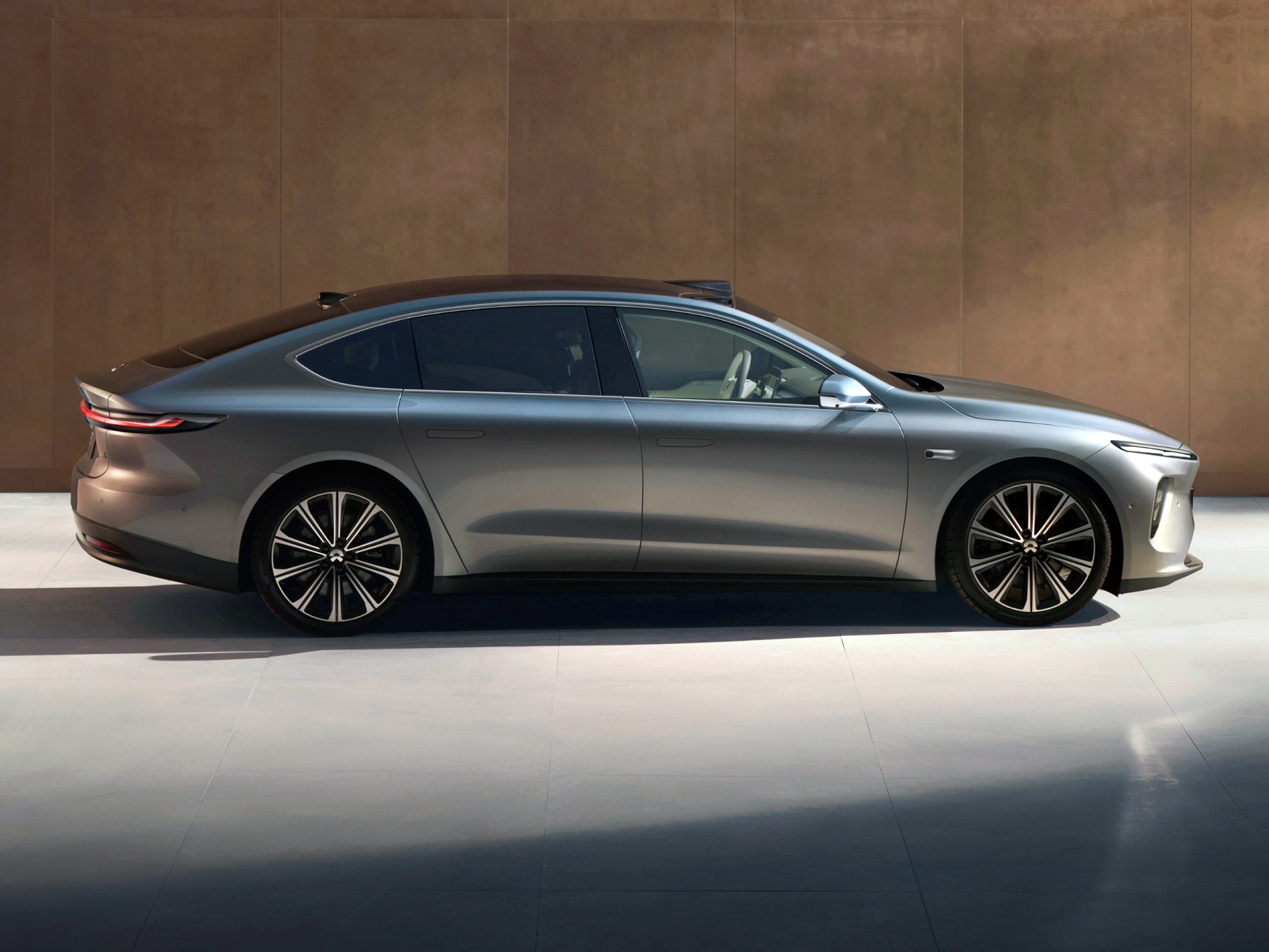
NIO, for instance, asked CATL to craft the solid-liquid battery that it developed, but the world's largest EV battery maker initially scoffed at the idea as expensive and impractical, two challenges that CATL avoids. NIO then turned to the startup WeLion and managed to develop and produce the 150 kWh battery pack that can propel its ET7 sedan for more than 650 miles on a single charge.
CATL then reconsidered its stance and now thinks that solid-liquid batteries are a good stopgap solution on the way to commercializing true solid-state batteries that are still rather expensive to make. Startups in China, however, have gone directly to hybrid or solid-state battery development and production, eschewing the whole liquid electrolyte stage where they don't stand a chance against juggernauts with established manufacturing bases like CATL or BYD.
One such solid-first company has now begun to build the world's first dedicated line for solid-state batteries that, judging from the advertised up to 360 Wh/kg energy density, would be hybrid batteries with 95% solid electrolyte, or the so-called solid-liquid packs. While not coming with the typical energy density that all-solid-state batteries offer, Hylic's cells still sit about 50% higher than the average EV battery's energy density and have a longevity of 1,000 charging cycles. Hylic says that it is focusing on a balance of performance and costs, which explains the fairly conservative solid-state battery energy densities that it advertises.
The first dedicated solid-liquid battery production factory would still pave the way for electric vehicles with 500-600 miles of range at a bearable cost thanks to the economies of scale that mass production realizes. Hylic has already started the first construction phase and will offer 10 GWh of total solid-state battery capacity for any suitable application, from robots and drones to electric vehicles.
Get the 10,000 mAh solid-state Marastone power bank on Amazon
Source(s)
 Add as a preferred source on Google


