



Why the Samsung Galaxy S26 FE isn’t the best choice for everyone

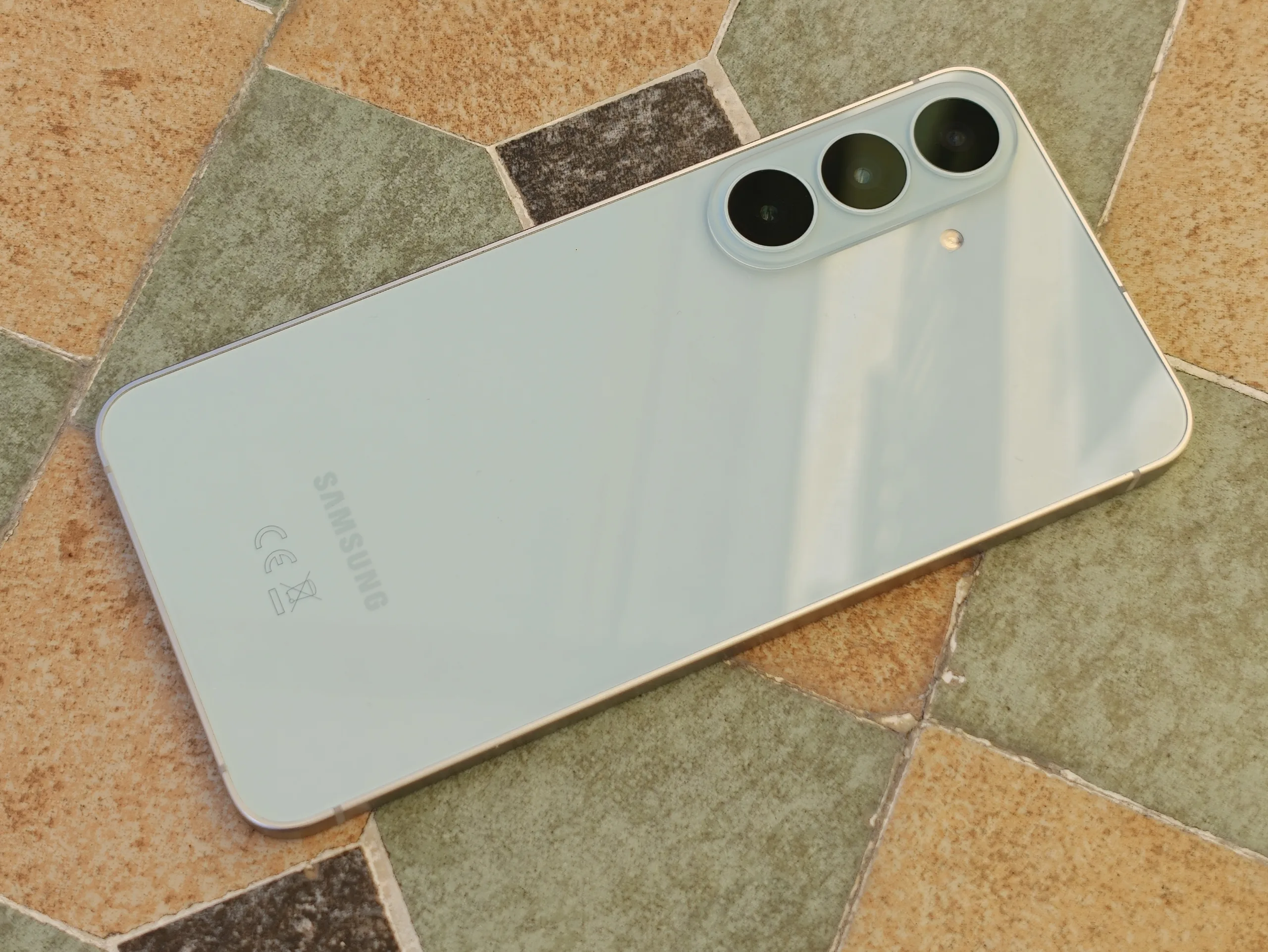
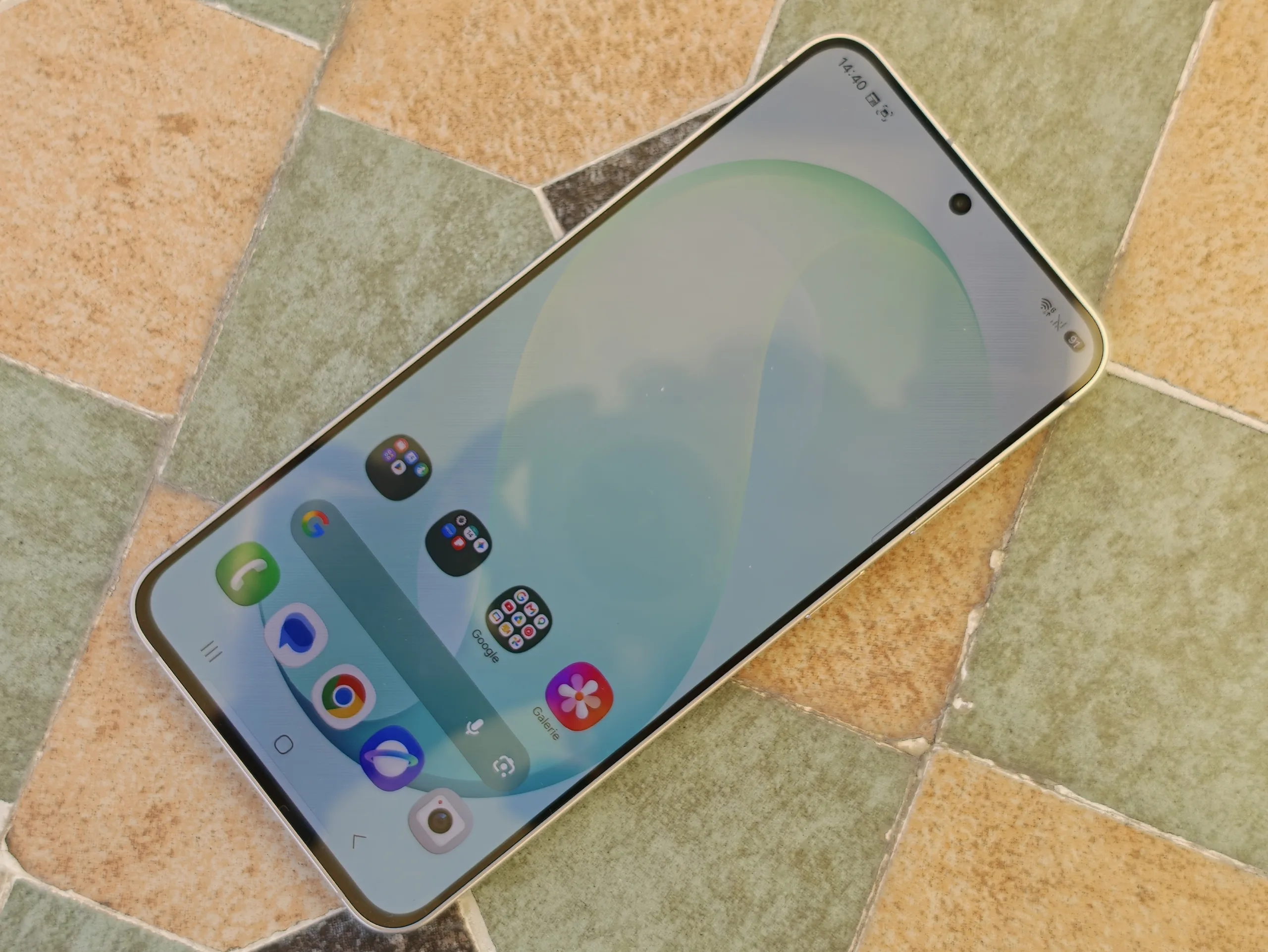
At first glance, the display is one of the new Samsung Galaxy S26 FE’s strengths in our review (starting around $700, available on amazon.com). The 6.7-inch AMOLED panel has a 120 Hz refresh rate, reaches nearly 2,000 nits in HDR, and produced good colors in our tests. But behind those impressive specs is a detail that may matter far more to some users than peak brightness at APL18 or during HDR playback, or even a high refresh rate.
The Galaxy S26 FE fell short in our review when it came to pulse-width modulation (PWM), a method OLED panels use to control brightness. While other manufacturers have switched to high-frequency PWM dimming in recent years and some have even added DC dimming, Samsung still uses a relatively low frequency of 240 Hz on its Fan Edition.
Our oscilloscope measured just 240 Hz on the Galaxy S26 FE
The 240 Hz frequency we measured with an oscilloscope means the OLED display flickers 240 times per second to control its brightness. Some users won’t notice this low-frequency flicker, but people who are sensitive to it may experience eye strain, fatigue, or headaches. That’s why PWM frequency has become an increasingly important factor when buying a phone.
The difference becomes clearer when you look at the competition. Brands such as Xiaomi and Honor already offer high-frequency PWM dimming at around 4,000 Hz. That makes Samsung’s low PWM frequency feel like an unnecessary weakness in an otherwise well-rounded phone.
The lack of high-frequency PWM dimming doesn’t make the Galaxy S26 FE a bad smartphone. But it’s another reminder that display quality is about more than brightness, vivid colors, and a high refresh rate. For users who are sensitive to flicker, this often-overlooked measurement can make or break a purchase decision.
For all the details on PWM dimming on the Galaxy S26 FE, see our review.
Sources
Review: Samsung Galaxy S26 FE
 Add as a preferred source on Google


