




Webb gets its sharpest ever image of a black hole’s surroundings
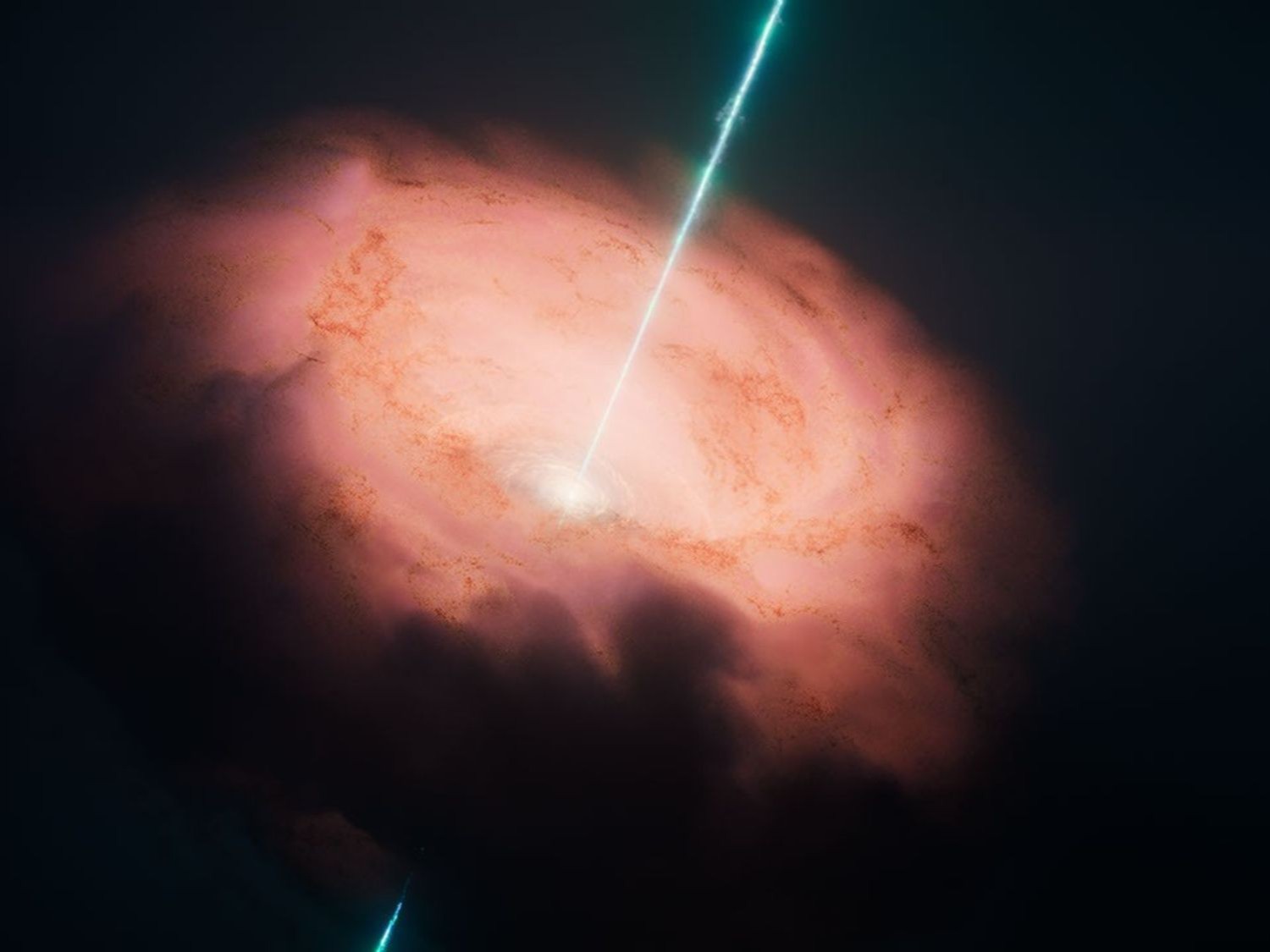
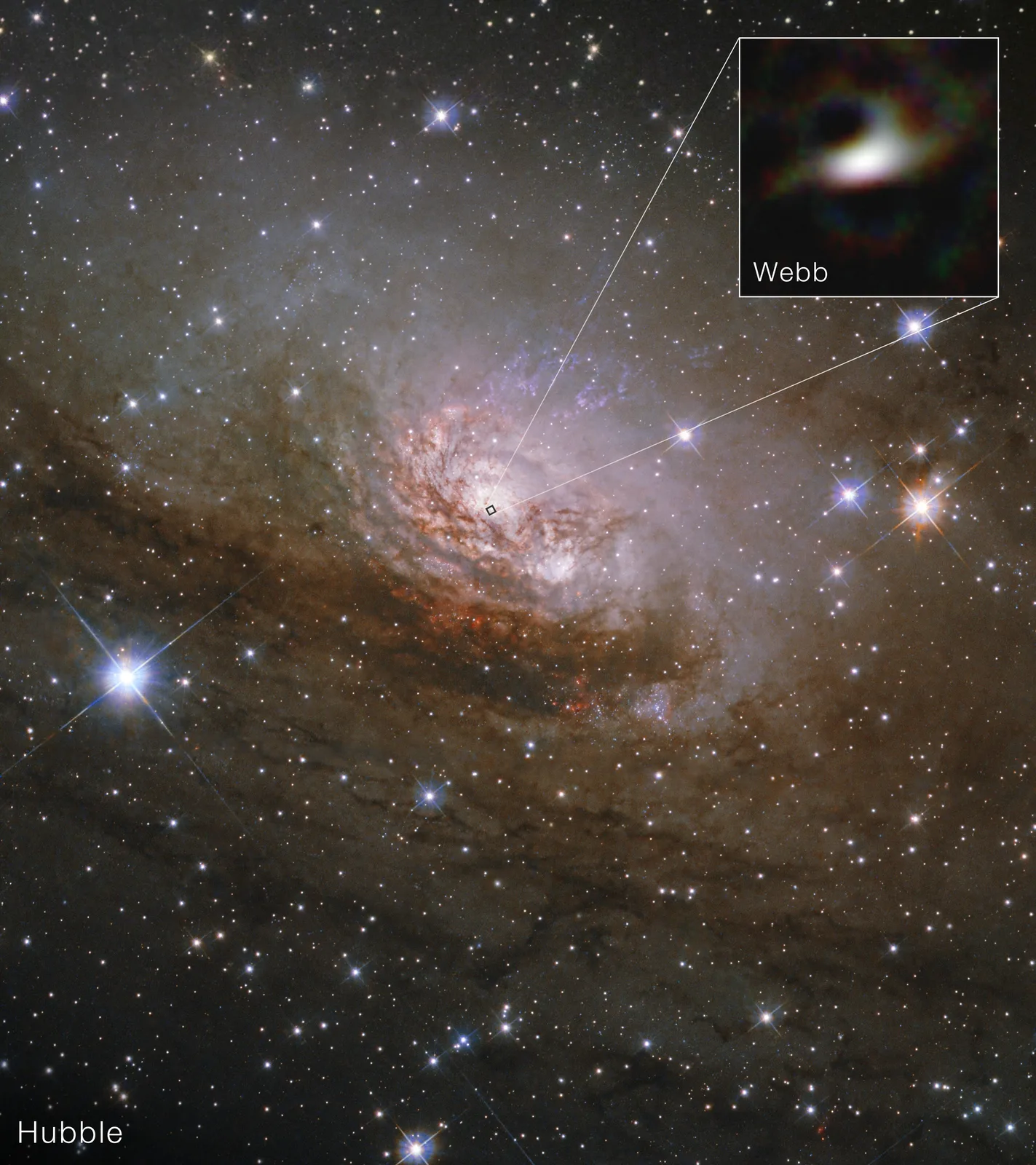
The Circinus galaxy is located about 13 million light-years away from Earth. It contains an active supermassive black hole. Previous observations of this galaxy revealed an excess of infrared light. Astronomers predicted that the majority of the infrared light came from the outflows powered by the black hole. However, they could not really tell where this excess was coming from.
But Webb’s new study sheds new light and counters previous predictions. The study found that around 87% of the hot infrared emissions come from dust very close to the black hole, while less than 1% comes from the hot dusty outflows. This suggests that the glowing dust is mostly feeding the black hole. The remaining 12% comes from distances farther away.
The study was carried out using the Aperture Masking Interferometer tool on Webb’s NIRISS (Near-Infrared Imager and Slitless Spectrograph) instrument. This interferometric technique helped astronomers overcome the difficulties of obscuring light from the stars and the glowing matter around the black hole. The dense nature of the torus also previously made it difficult to see the black hole’s inner region. The torus is the donut-shaped ring around the black hole formed when the infalling gas and dust accumulate.
The interferometric approach helped create a sharp image of the galaxy’s core. This observation is the first infrared interferometric image of an extragalactic object from space. It is also the first time Webb’s high-contrast mode was used on a galaxy beyond our Milky Way. The approach could help in solving the mysteries of several other black holes in our universe. The study was published in the journal Nature.
 Add as a preferred source on Google


