




Researchers discover something shocking about tropical forests
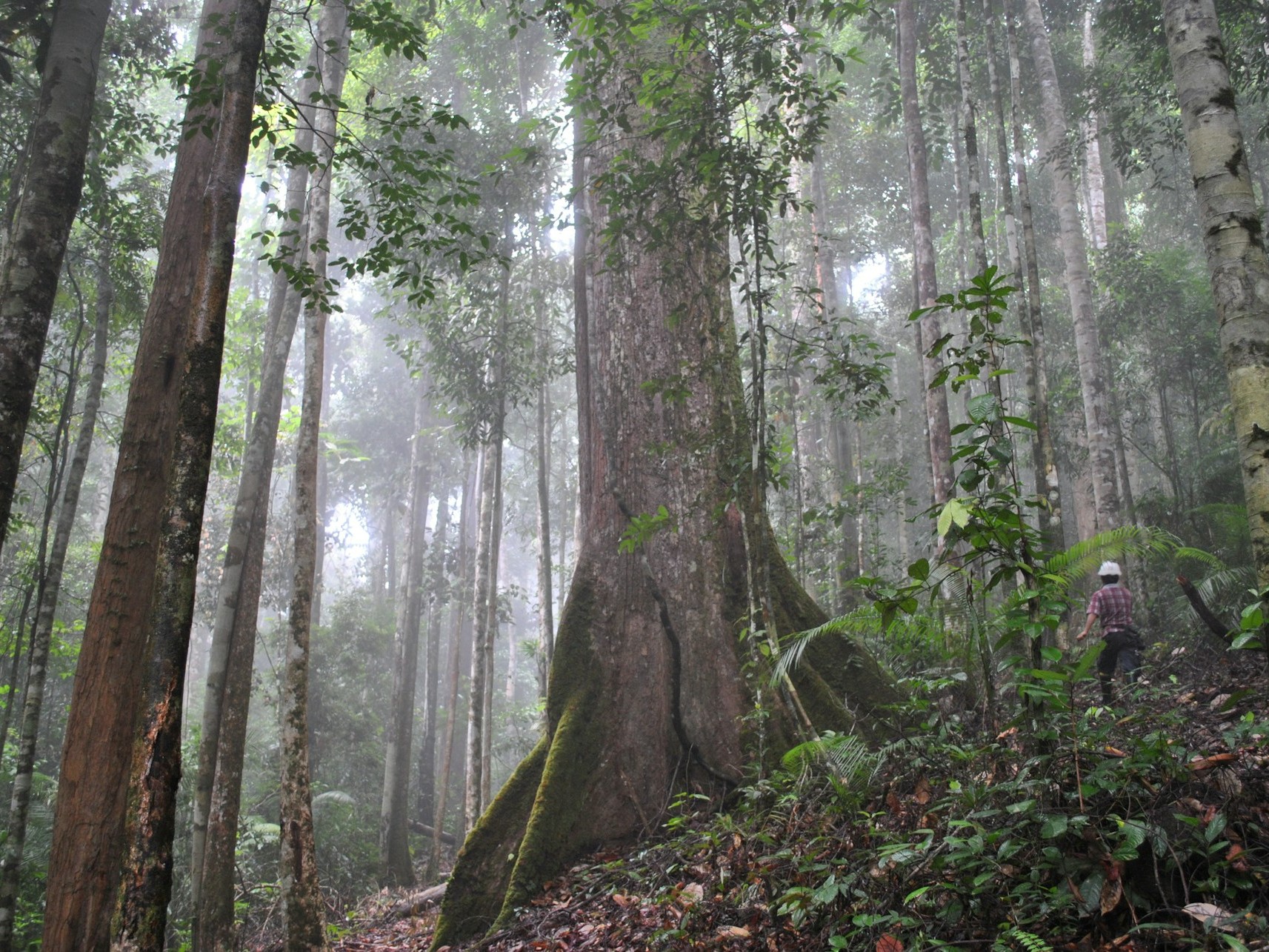
Tropical forests take up much of the atmospheric carbon dioxide. Carbon dioxide traps heat, so less of it in the atmosphere means less heat. In essence, the action of the tropical forests regulates the global climate.
Deforestation is a known enemy to the balance that tropical forests help us achieve. When trees are cut down or burned, the trapped carbon is released into the atmosphere. This is what is called carbon loss.
A recent study has opened up a new and better understanding of how much threat deforestation poses to the carbon balance. The study found that disturbances in tropical humid forests caused nearly 16 billion tonnes of carbon loss between 1990 and 2020.
In tropical dry forests, however, there was an overall balance between losses and gains. This is because disturbances in tropical dry forests are mostly caused by wildfires, and the forests can regrow. But in tropical humid forests, the disturbances are mostly caused by human action. This leaves no chance for regrowth.
But the real shocker from the study was how small-scale clearings resulted in massive losses. These clearings only account for about 5% of the total disturbed areas, but they were found to account for 56% of the net carbon losses. The team combined sub-hectare satellite observations with novel biomass recovery curves for this study. This allowed them to track carbon losses and gains at a 30-meter scale.
The study could inform climate policies and intervention strategies. Bodies involved can now know where exactly carbon losses are coming from. They also now understand the extent of harm small-scale disturbances are causing to our environment. This study was published in the journal Nature.
 Add as a preferred source on Google


