




Valve is counting on Proton and a vastly larger game library to make the new Steam Machine succeed
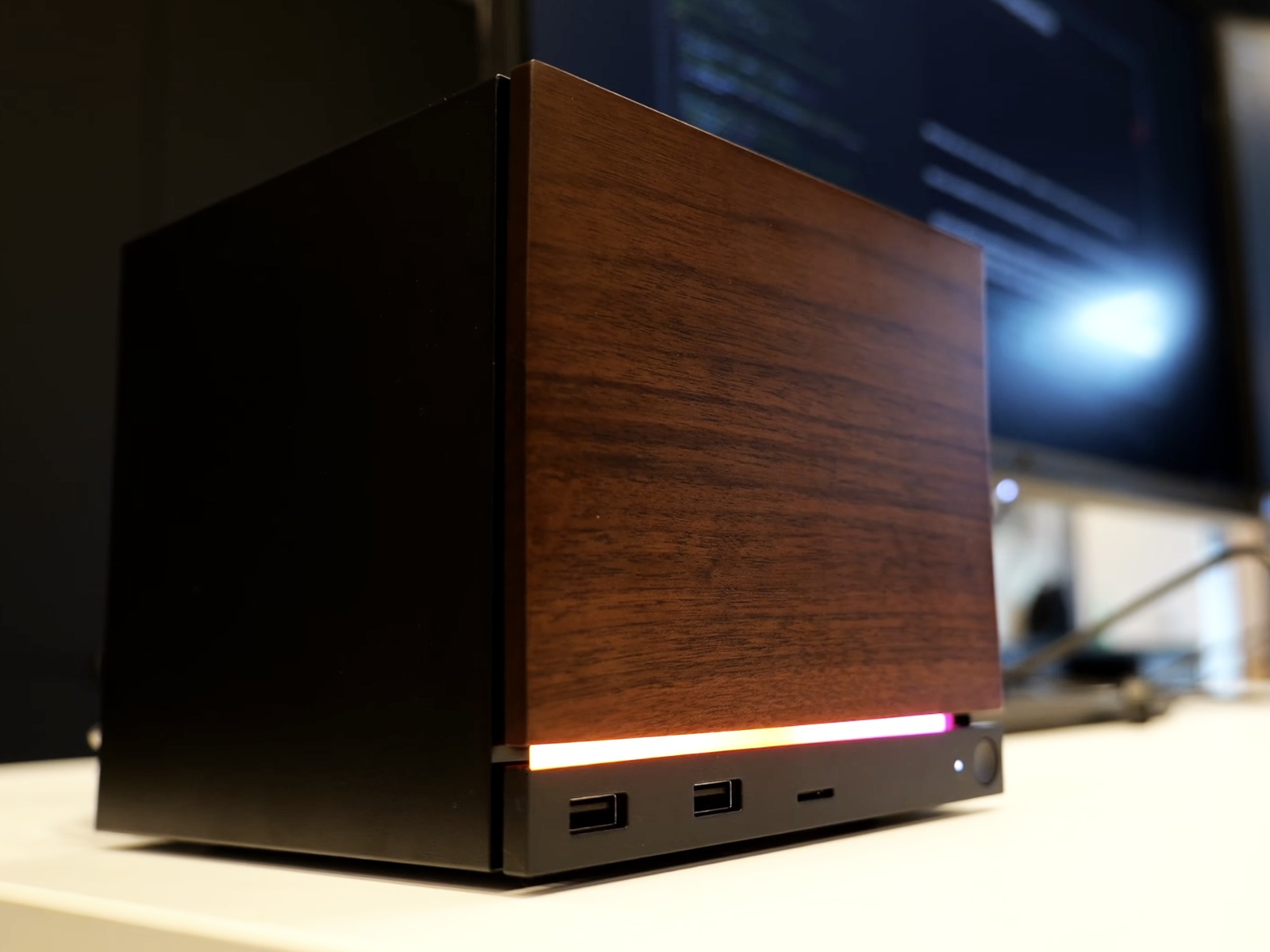
Valve has high hopes for its next-gen Steam Machine and wants to turn it into the success the initial release did not quite achieve. According to two of its senior engineers, the current edition has what it takes to deliver the living-room gaming PC experience, and it is not hardware.
Yazan Aldehayyat, speaking to Rock Paper Shotgun, revealed the difference is in the software. Aldehayyat claimed the first Steam Machine did not gain traction with gamers because the selection of compatible Linux-based SteamOS games was not deep enough. He stated, “We learned from the first Steam Machines that we needed to make our developers’ lives a lot easier.”
Things are significantly different now, thanks to Proton, which bridges the gap and lets gamers play Windows titles on Linux. This means the new Steam Machine is coming out of the gates with a massive game catalogue.
Aldehayyat’s colleague, Pierre-Loup Griffais, added that the first-gen Steam Machine failed to attract both players and developers due to a lack of playable games. That would imply a sort of catch-22 situation in which developers did not see the platform as profitable to develop for, while users stayed away due to a limited game selection.
Girffais is confident that Proton will turn the tide in Valve's favour. He points to the success of the handheld Steam Deck, which runs the same SteamOS.
Better optimization, better performance
Valve has brought multiple improvements to SteamOS to optimize for desktop environments, including ray tracing and general responsiveness. The company claims Steam Machine can support up to 4K at 60 fps during gameplay.
Meanwhile, Valve itself knows there are other factors that could make the new Steam Machine a success story. The company states it could become the console alternative if the price is right.
Source(s)
 Add as a preferred source on Google


