




Verdict: Teclast ArtPad Air
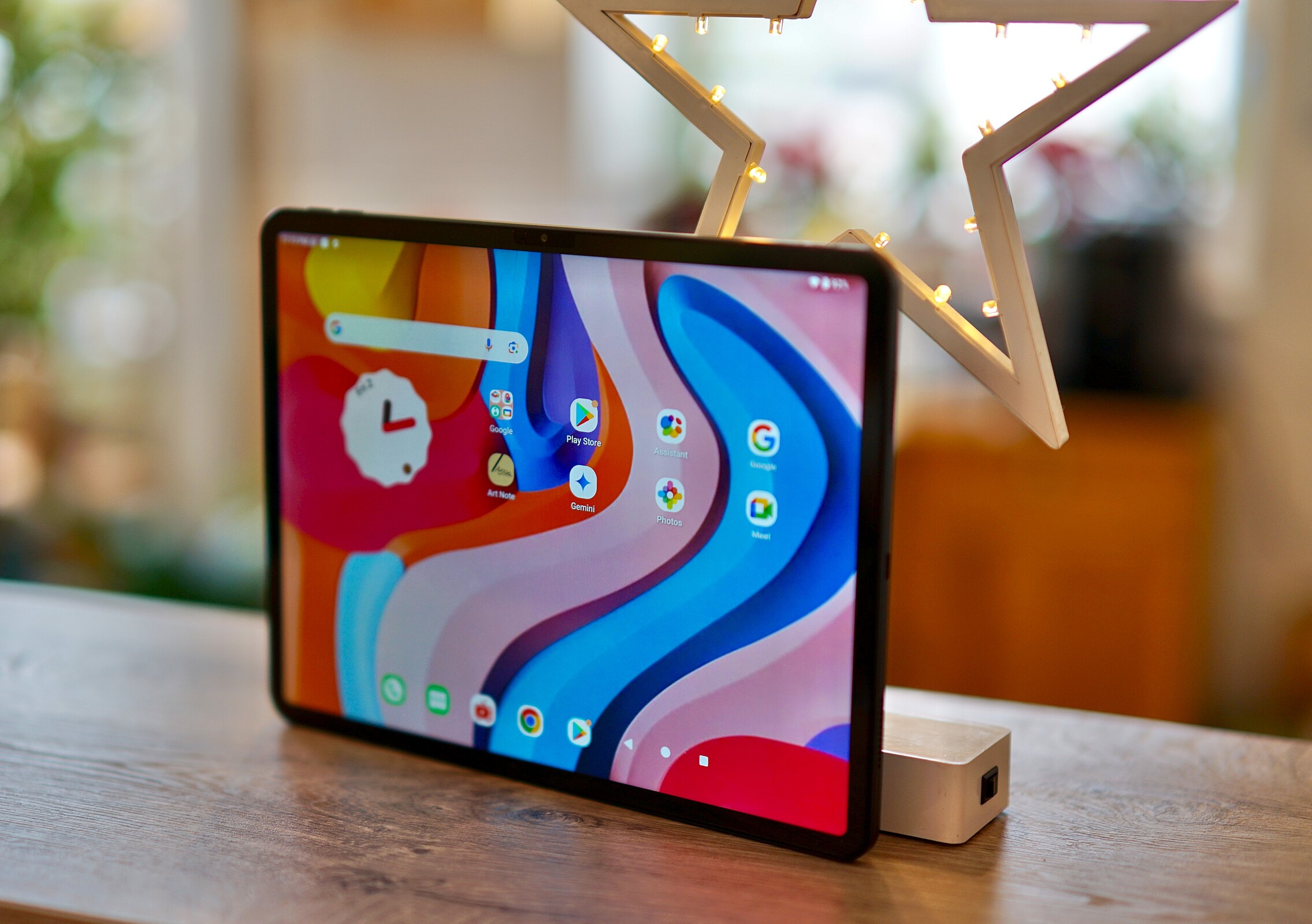
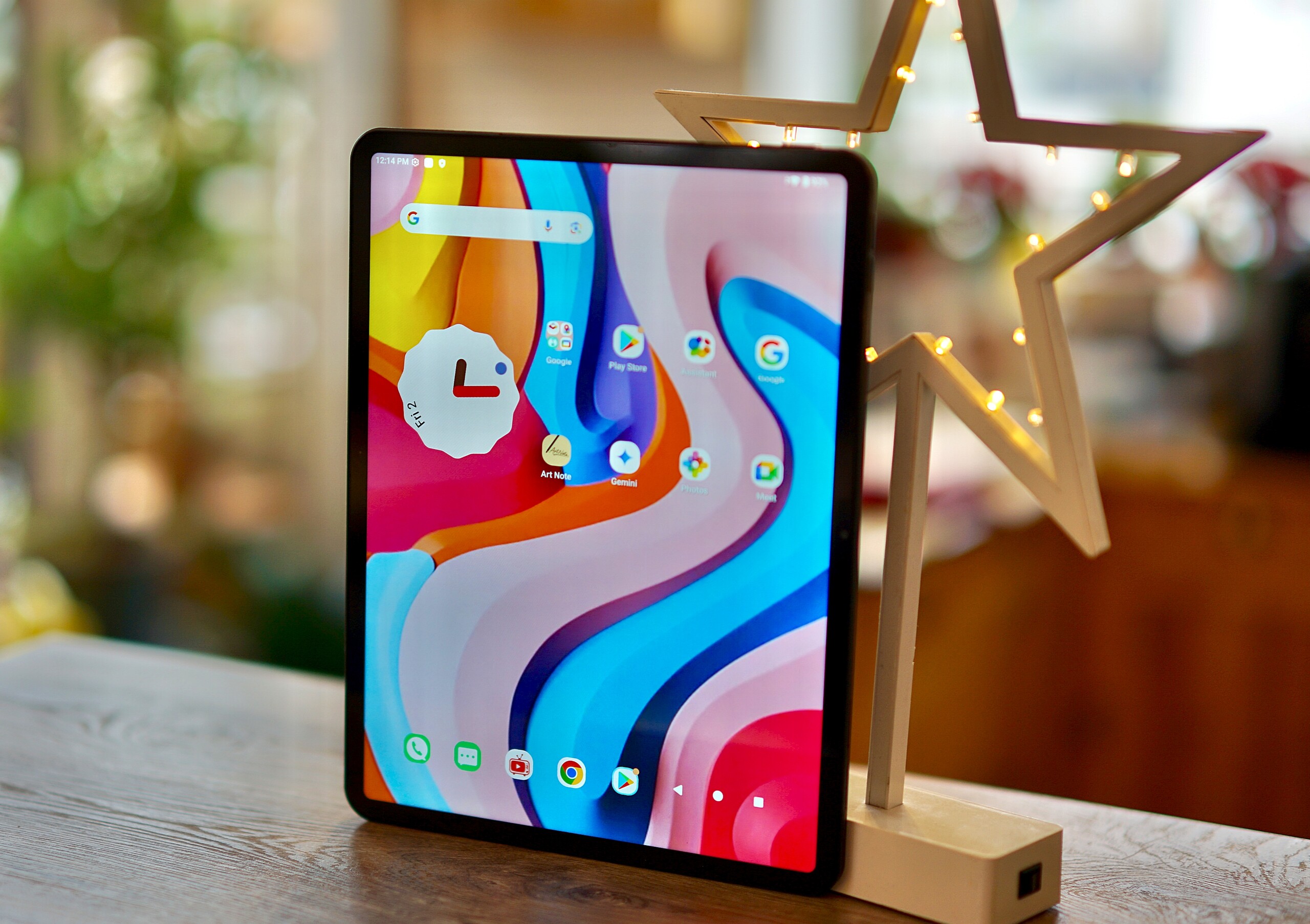
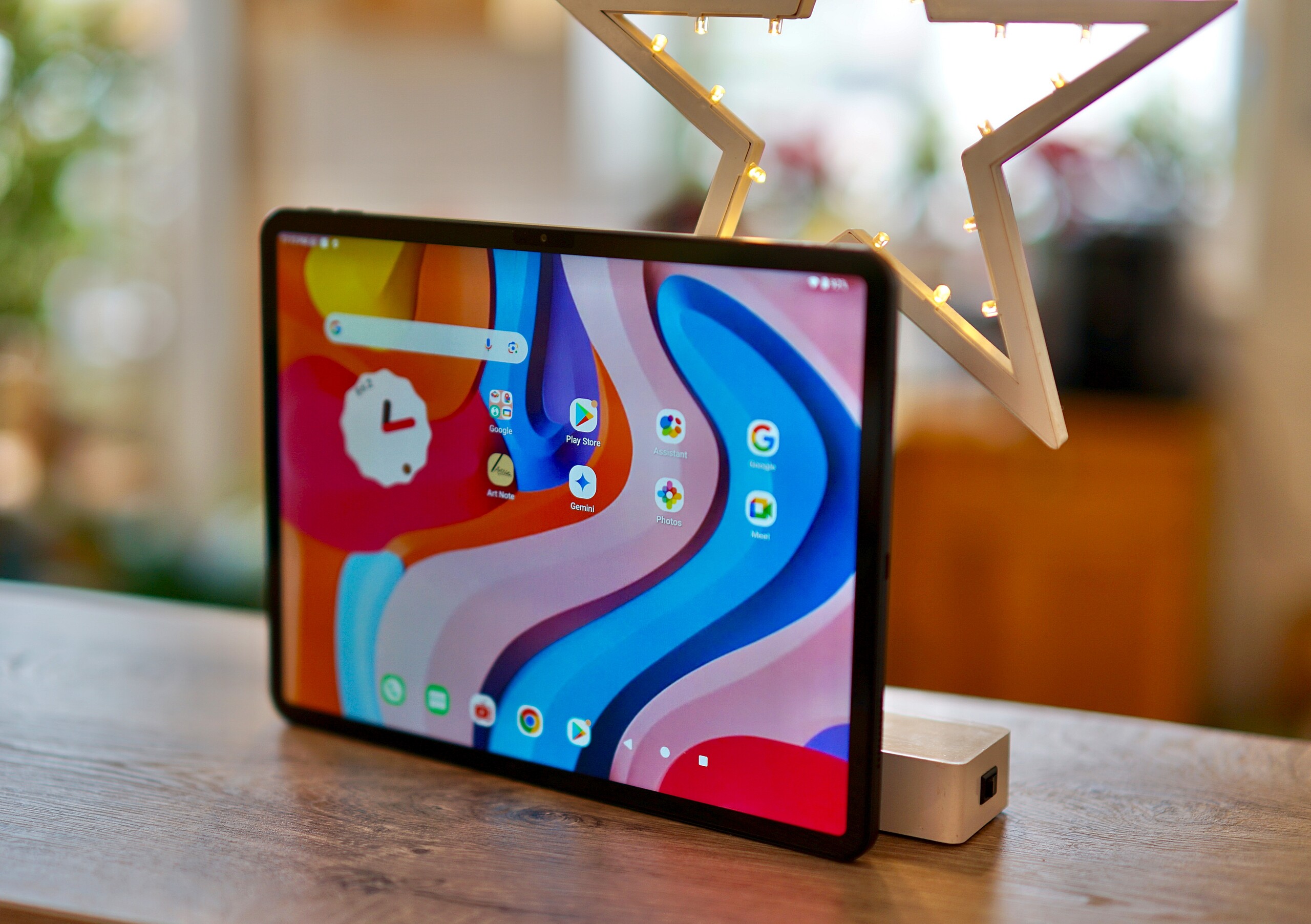
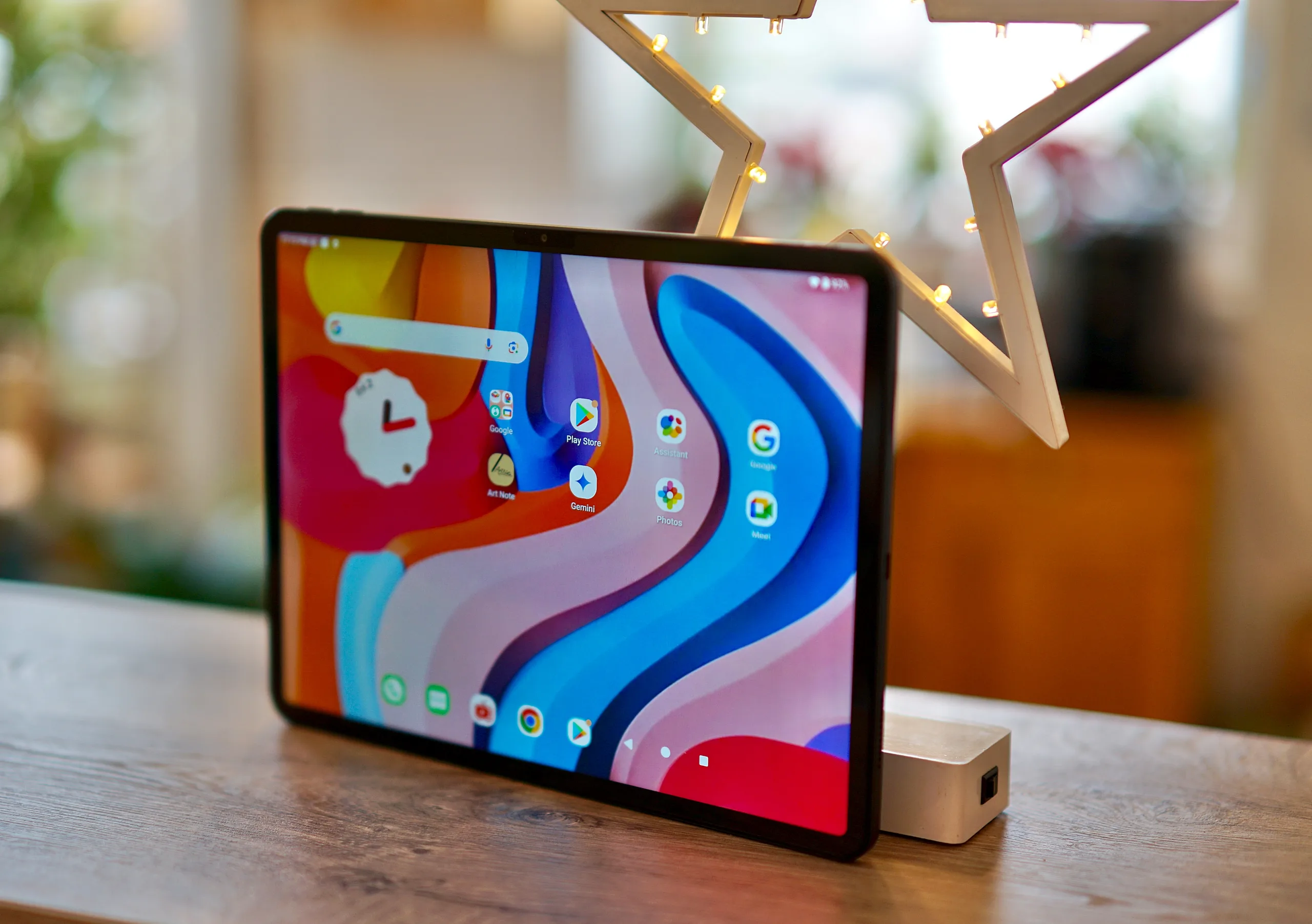
For little money, the Teclast ArtPad Air offers an interesting combination of metal casing, 4G capability, pen input and a PWM-free screen with a decent resolution. The 11-inch display in 4:3 format is well suited for displaying documents or photos and is bright enough for indoor use. However, it is difficult to achieve a true-to-life color display.
The speed is at class level, but there are not many performance reserves for demanding tasks and the system occasionally stutters. The stylus is not always included, so you should check the dealer's description. You can work reasonably well with it, but by no means at the level of an iPad Pro or other high-quality tablets. It also only works optimally with a frame rate of 60 Hz.
If you are looking for a reasonably solid and good-looking tablet for little money that is well suited for document editing and simple sketches, you can consider the Teclast ArtPad Air. However, you shouldn't expect to get an absolutely fluid drawing experience like the top tablets.
Pros
Cons
Price and availability
The Teclast Art Pad Air is currently best available from Temu where you pay under US$ 230 at the time of the review.

- $18.99NOUKAJU [3pack] Screen Protector for TECLAST ArtPadPro Tablet 12.7inch, Paper Film,High Light Transmittance,Scratch,Paper Screen Protector for TECLAST Art Pad Pro
- $16.99NOUKAJU Screen Protector for TECLAST ArtPadPro Tablet 12.7inch, Paper Film,High Light Transmittance,Scratch,Paper Screen Protector for TECLAST Art Pad Pro[2pack]
Table of Contents
- Verdict: Teclast ArtPad Air
- Specifications
- Case and equipment - metal chassis with fake antennas
- Communication and operation - with mobile radio and navigation
- Software and sustainability - Update uncertainty
- Cameras - For emergencies only
- Display - 4:3 with decent resolution
- Performance, emissions and battery life - No throttling under load
- Notebookcheck overall rating
- Possible alternatives in comparison
Specifications
Case and equipment - metal chassis with fake antennas
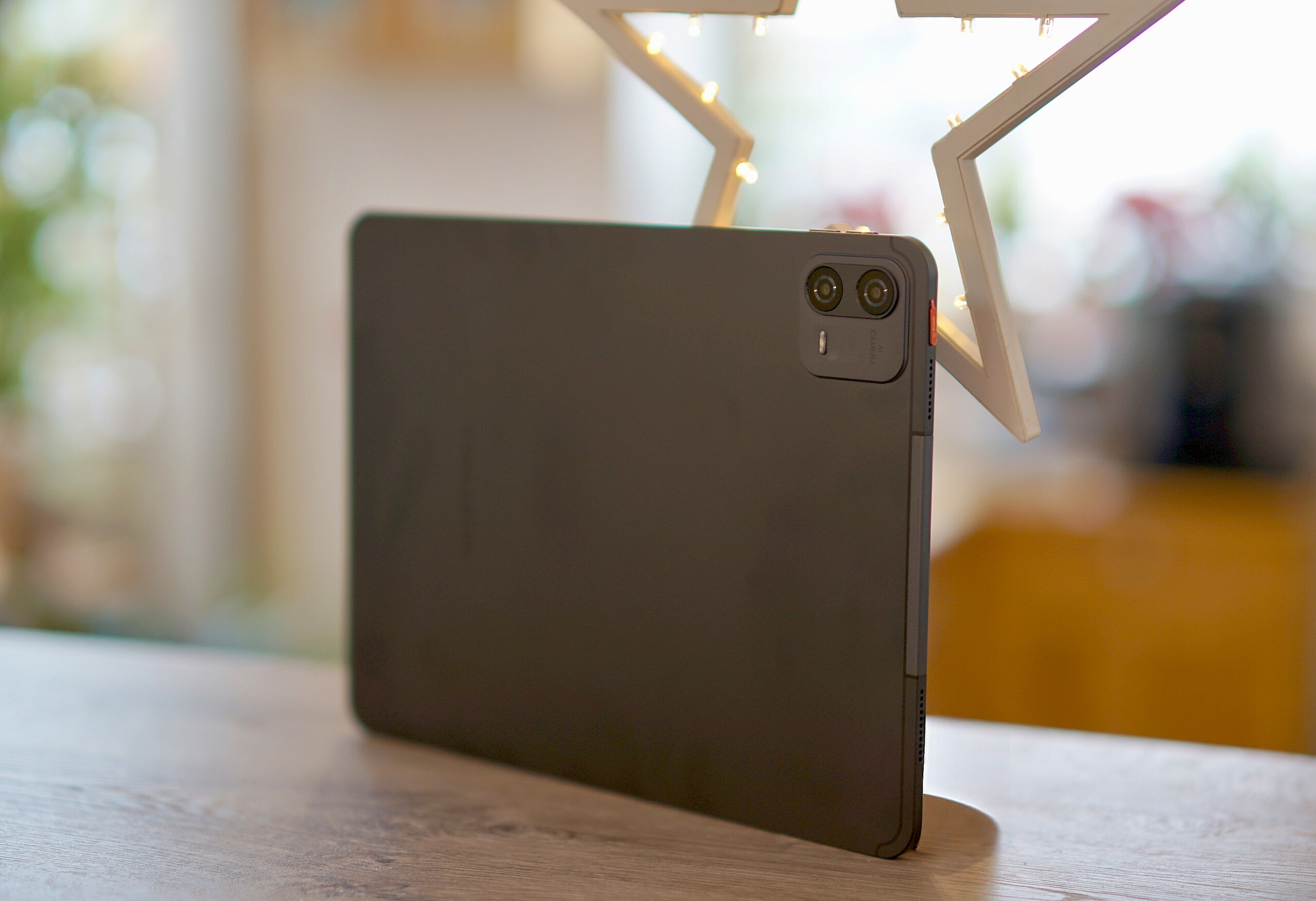
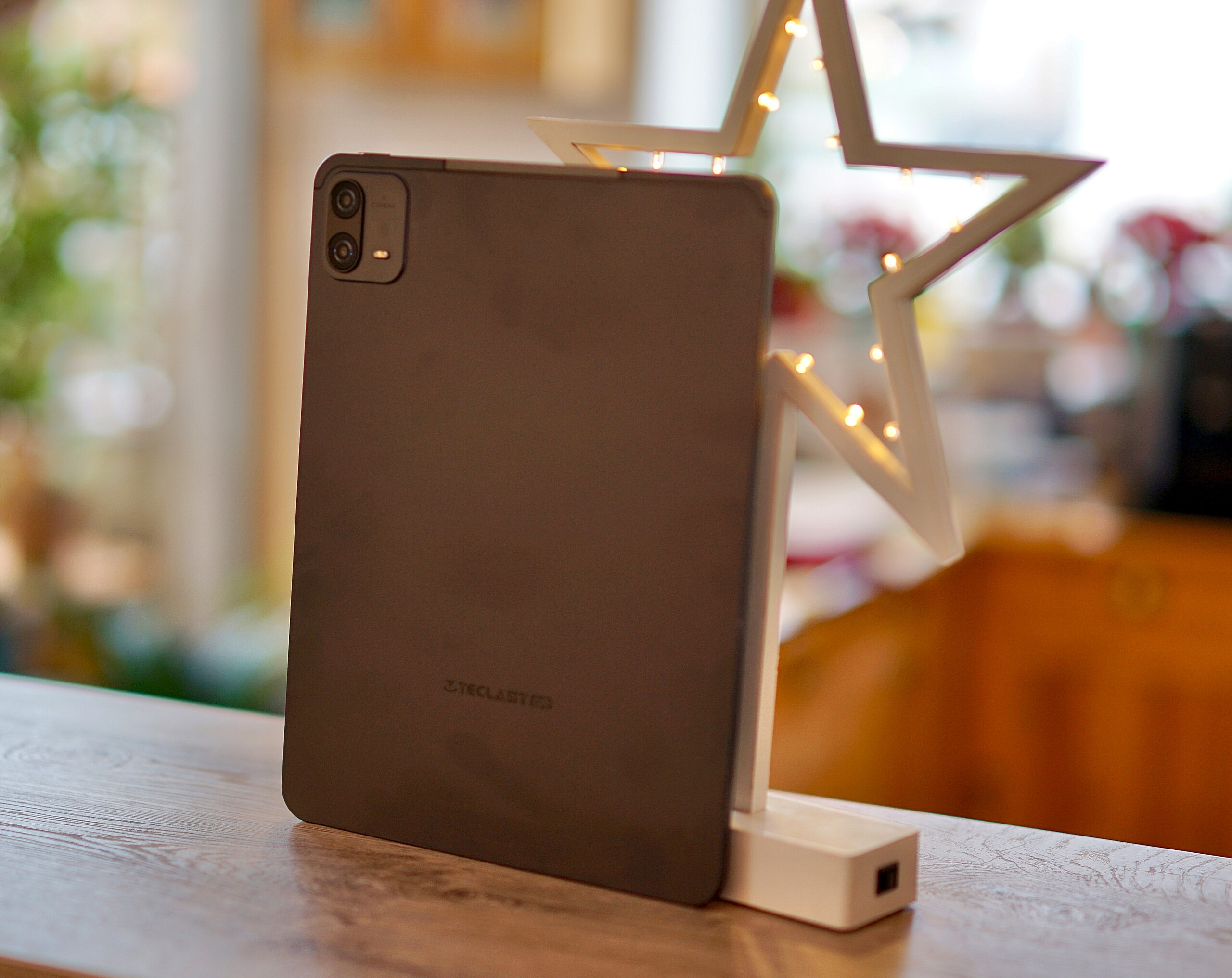
Teclast packs the Art Pad Air into a metal casing - even though the tablet is avaiable for little money. The casing is quite sturdy. It looks as if the antennas are elaborately printed on the case like the iPad Pro's – but there is also a slightly different colored plastic insert on the upper edge, so the antennas are more likely installed inside the chassis.
The edges around the screen are of average width, offering a good compromise between looks and handling. The 4:3 format is well suited for displaying documents or photos, and the weight of the tablet is at a normal level for the screen size.
128 GB of mass storage and 8 GB of RAM are standard features in this price range. The memory can be expanded via a microSD slot, while the card reader works somewhat slower than on comparable tablets.
| SD Card Reader - average JPG Copy Test (av. of 3 runs) | |
| Average of class Tablet (10.2 - 79.2, n=44, last 2 years) | |
| Xiaomi Redmi Pad 2 4G (Angelbird AV Pro V60) | |
| Lenovo Idea Tab (Angelbird V60) | |
| Teclast Art Pad Air (Angelbird V60) | |
Cross Platform Disk Test (CPDT)
Communication and operation - with mobile radio and navigation
WiFi 5 is the fastest available standard for WLAN networks. The ArtPad Air thus achieves the usual speeds of around 300 MBit/s. All in all, transmissions are also reasonably stable, with the speed never dropping below 200 MBit/s during our test.
4G is also available so that you can access the Internet via mobile networks. This worked without any problems in our review and reception was average. Satellite positioning of the tablet is also possible so that it can be used as a navigation system in the car, for example.
In addition to the easy-to-use touchscreen, you can also use the Teclast T-Pen stylus. It offers 4,096 pressure levels and can be charged via USB-C. It attaches magnetically to the top of the tablet for storage.
There is no fingerprint sensor, only facial recognition unlocking.
| Networking | |
| Teclast Art Pad Air | |
| iperf3 transmit AXE11000 6GHz | |
| iperf3 receive AXE11000 6GHz | |
| OnePlus Pad Lite | |
| iperf3 transmit AXE11000 | |
| iperf3 receive AXE11000 | |
| Xiaomi Redmi Pad 2 4G | |
| iperf3 transmit AXE11000 | |
| iperf3 receive AXE11000 | |
| Lenovo Idea Tab | |
| iperf3 transmit AXE11000 | |
| iperf3 receive AXE11000 | |
| Average 802.11 a/b/g/n/ac | |
| iperf3 transmit AXE11000 | |
| iperf3 receive AXE11000 | |
| iperf3 transmit AXE11000 6GHz | |
| iperf3 receive AXE11000 6GHz | |
| Average of class Tablet | |
| iperf3 transmit AXE11000 | |
| iperf3 receive AXE11000 | |
| iperf3 transmit AXE11000 6GHz | |
| iperf3 receive AXE11000 6GHz | |
Software and sustainability - Update uncertainty
Android 15 is pre-installed on the tablet.
Updates can be started via a special app, which means that our test device at least reaches the security patches from August 2025, which were also outdated at the time of testing. The manufacturer does not say how long updates will be available.
There is no information on sustainability; plastic is used for the packaging.
Cameras - For emergencies only
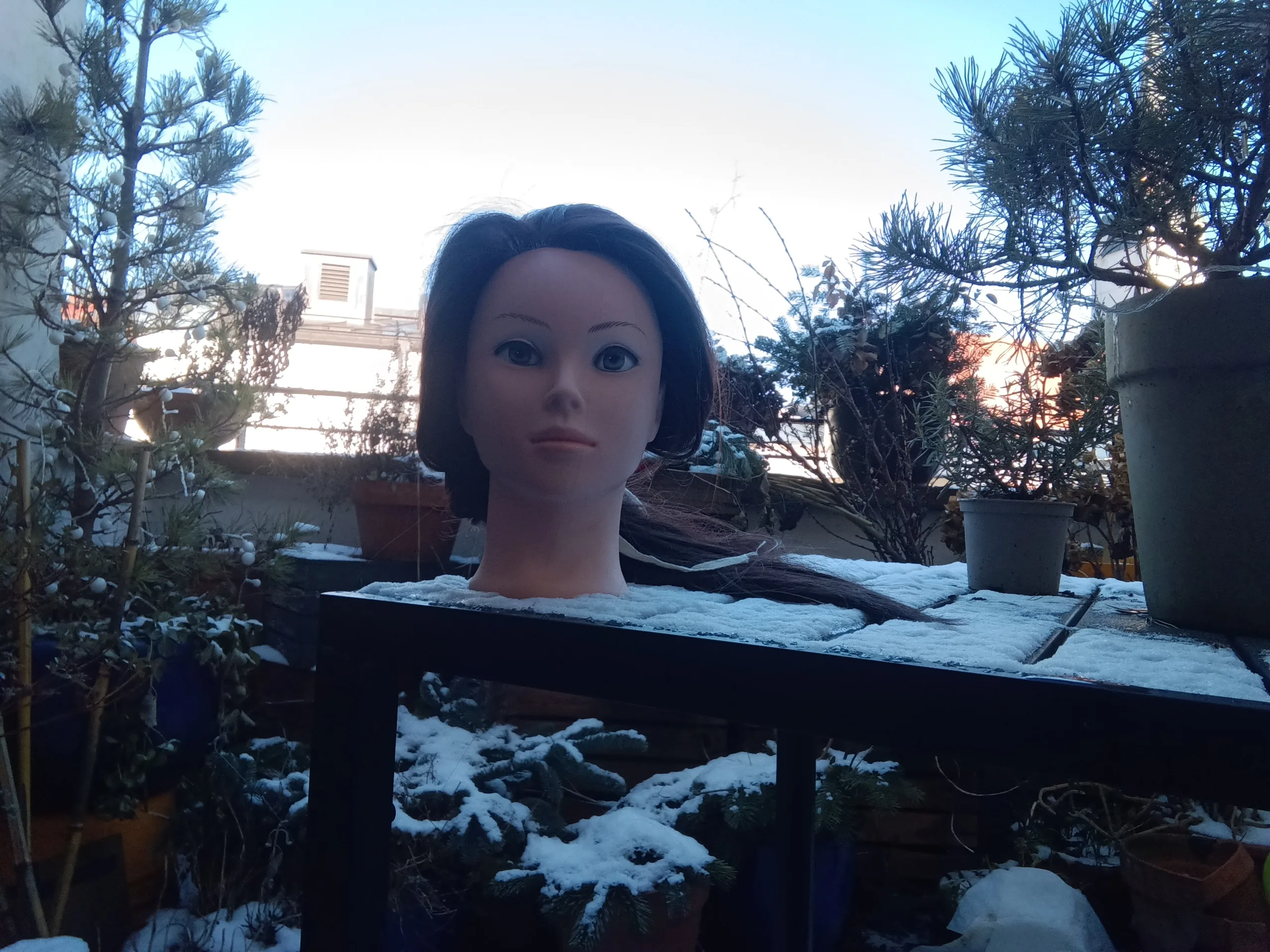
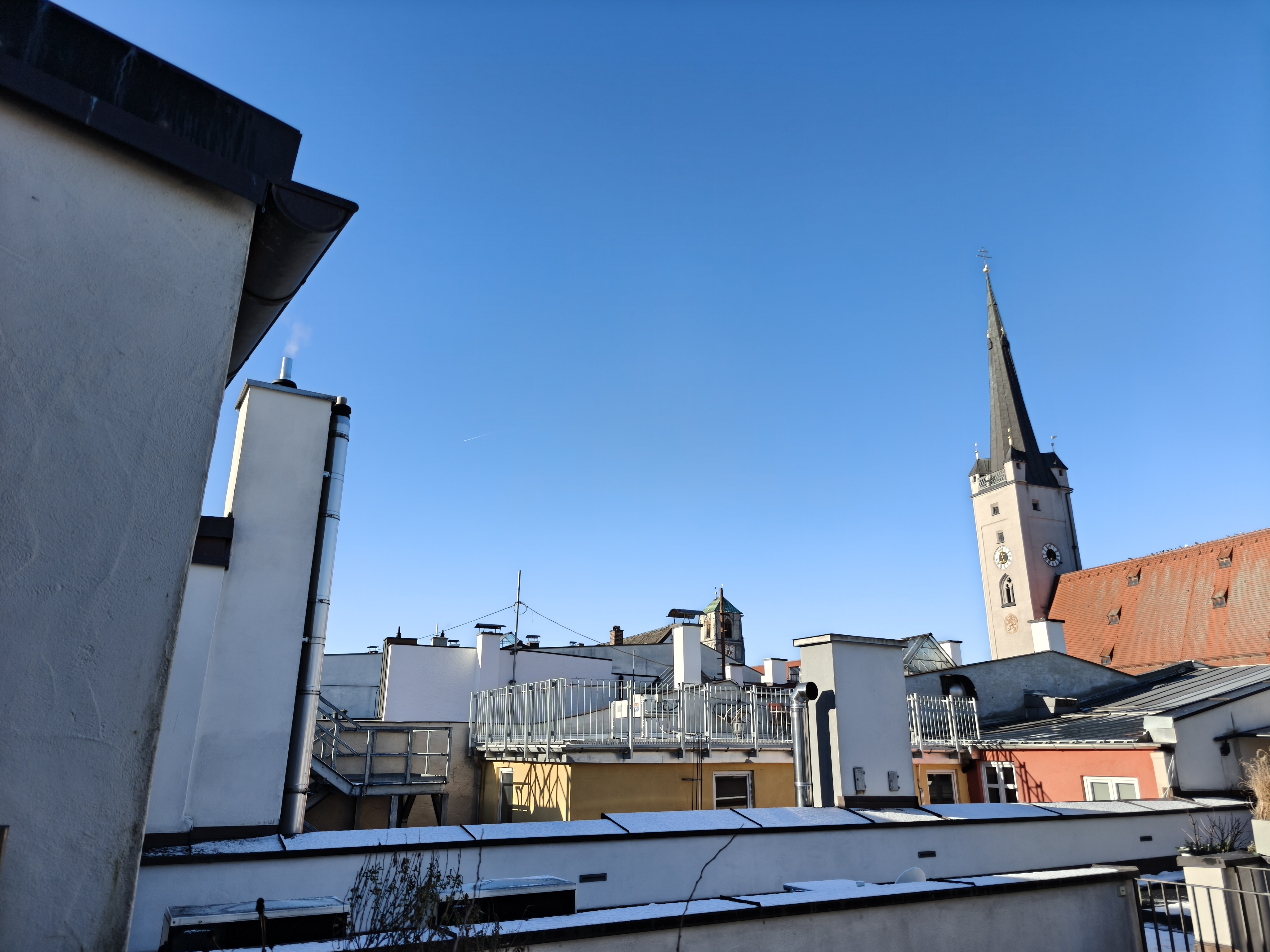
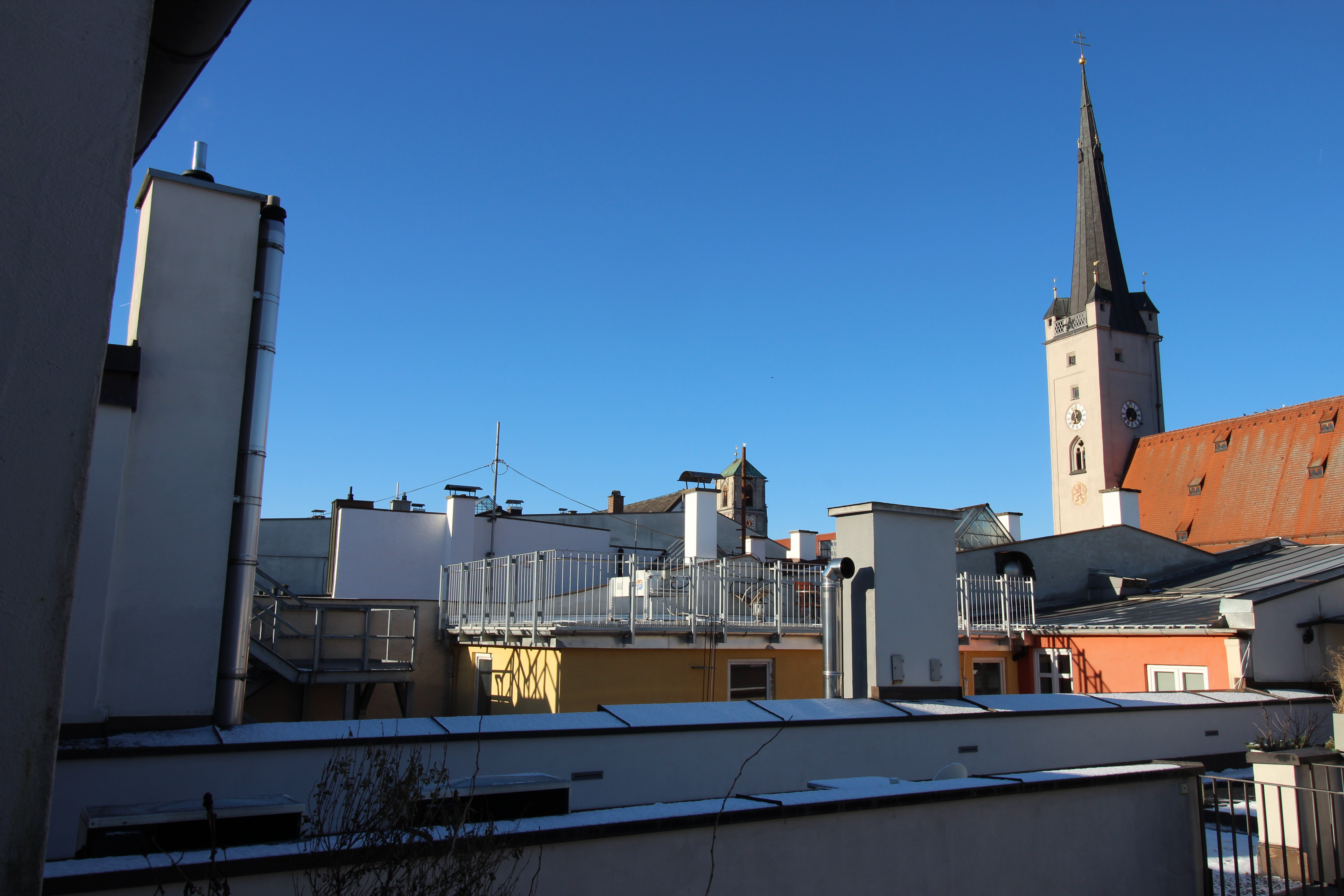
The cameras are more of a makeshift and can hardly be used for serious photography.
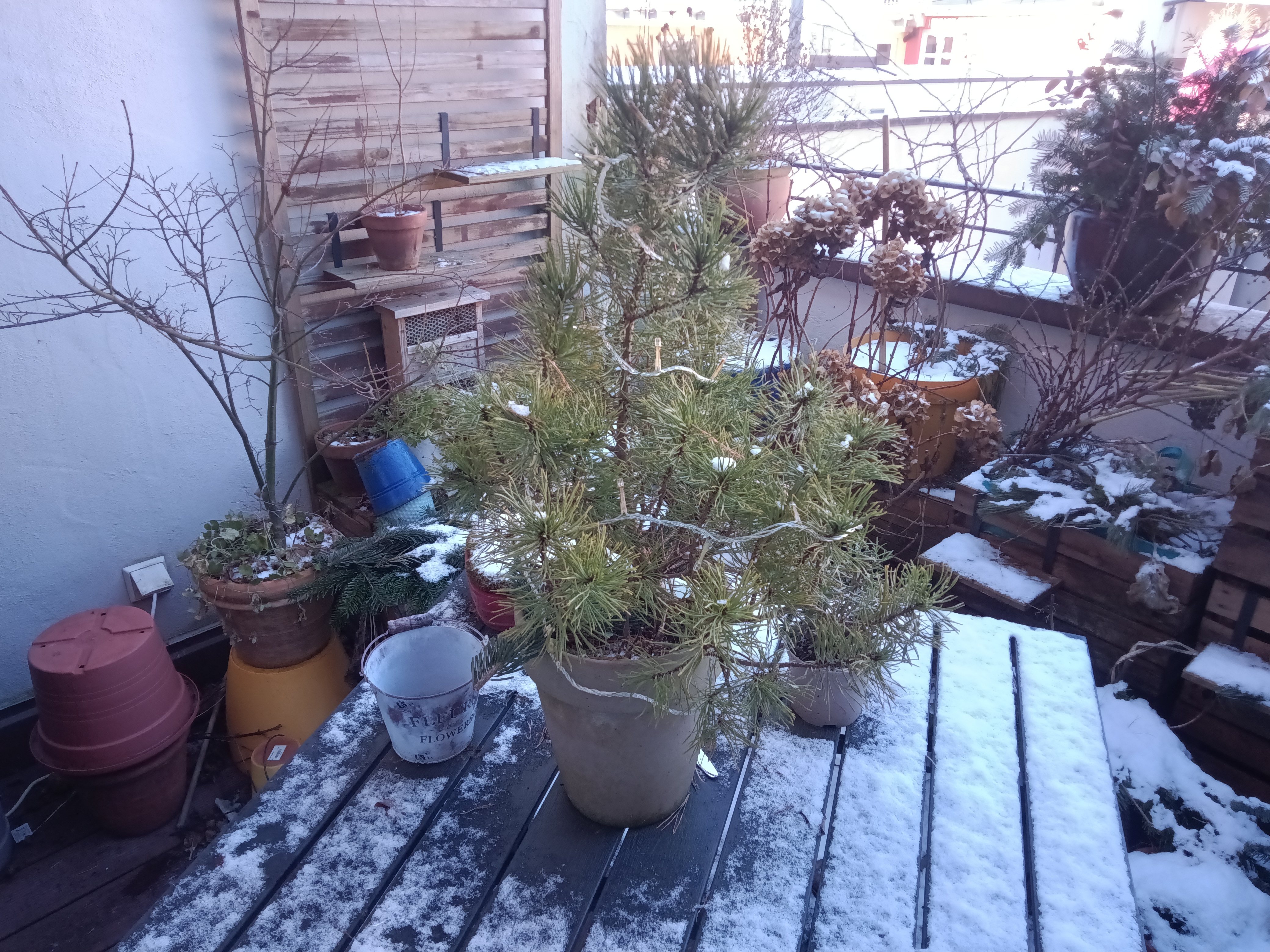
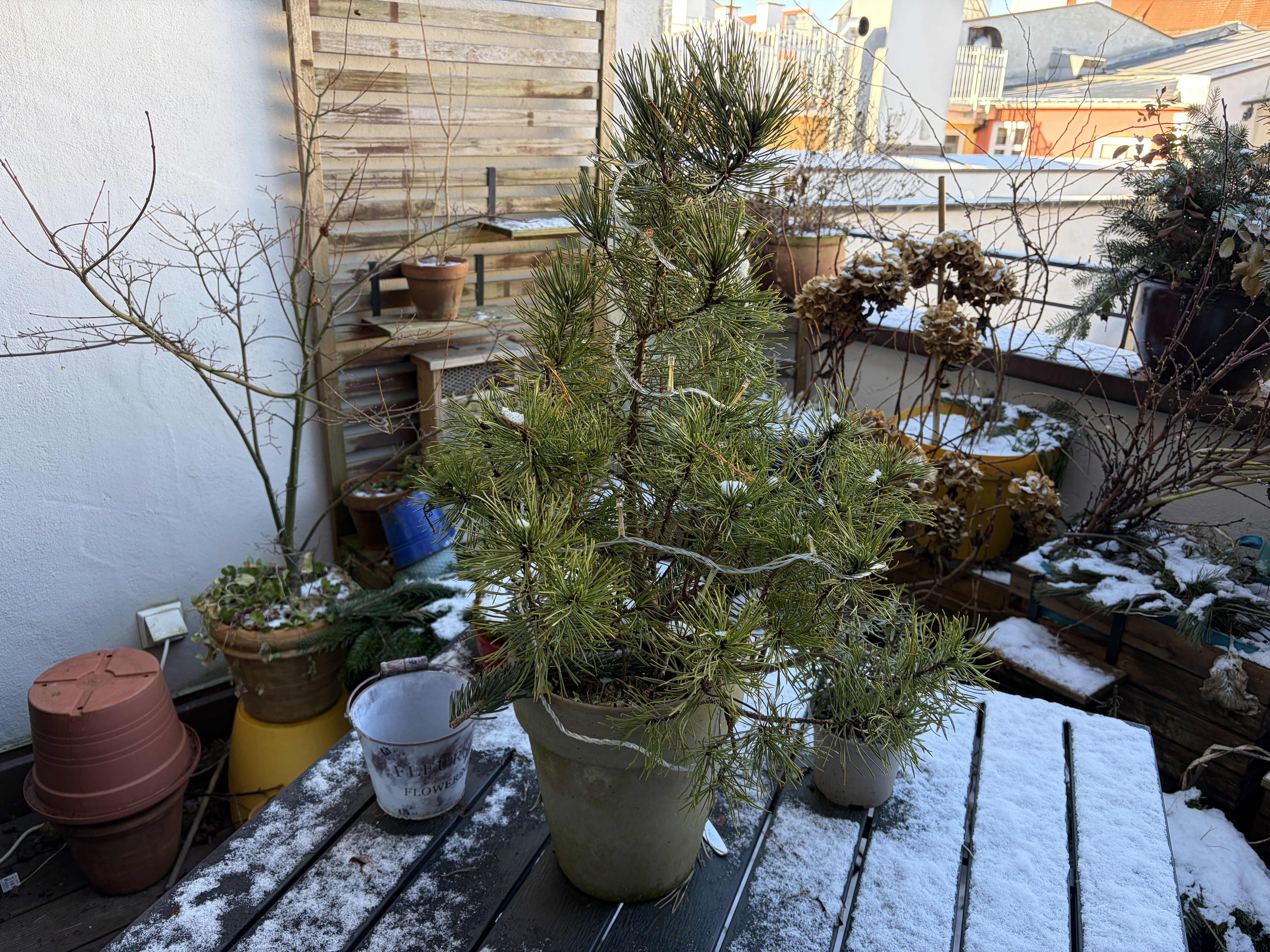
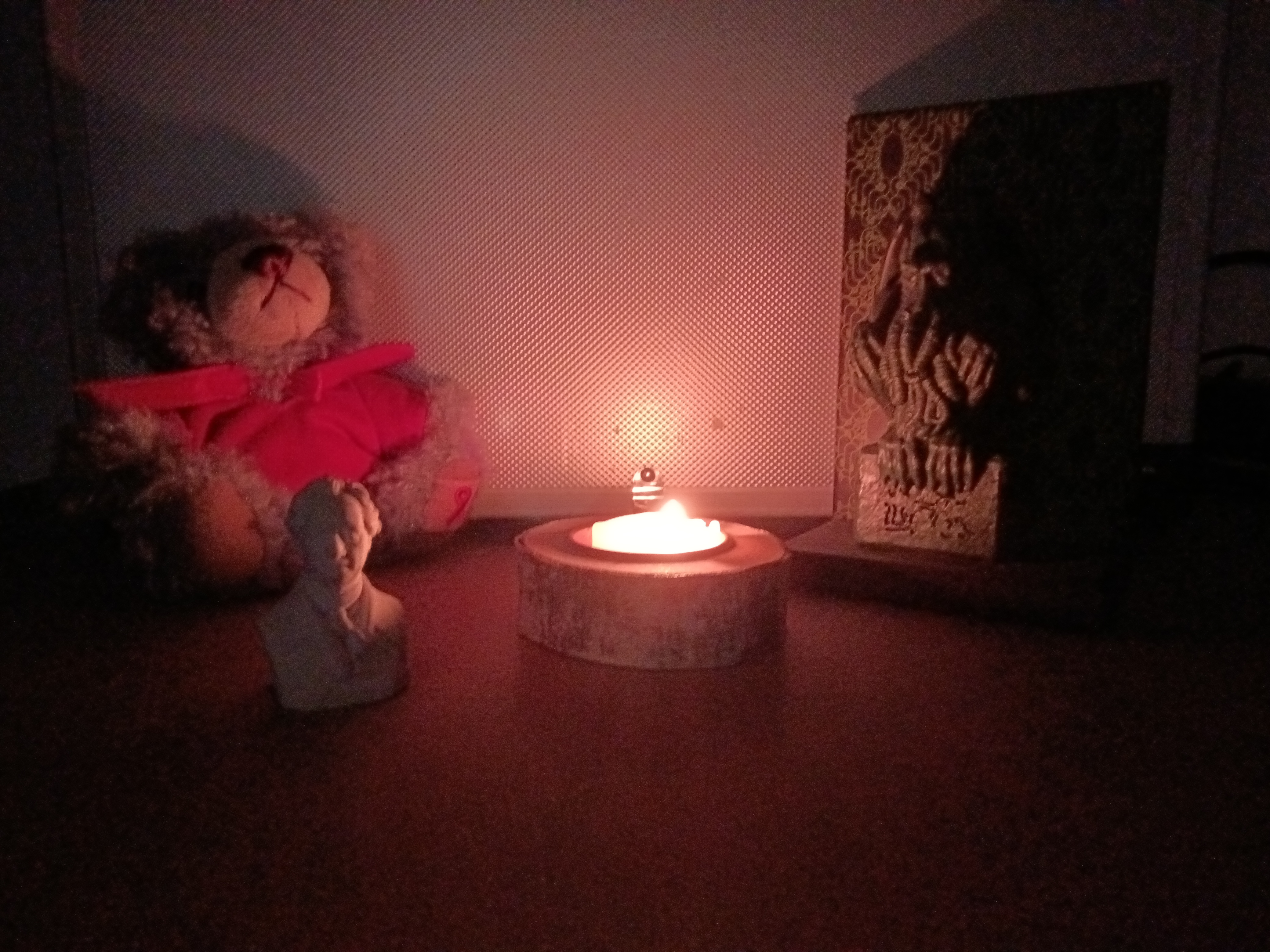
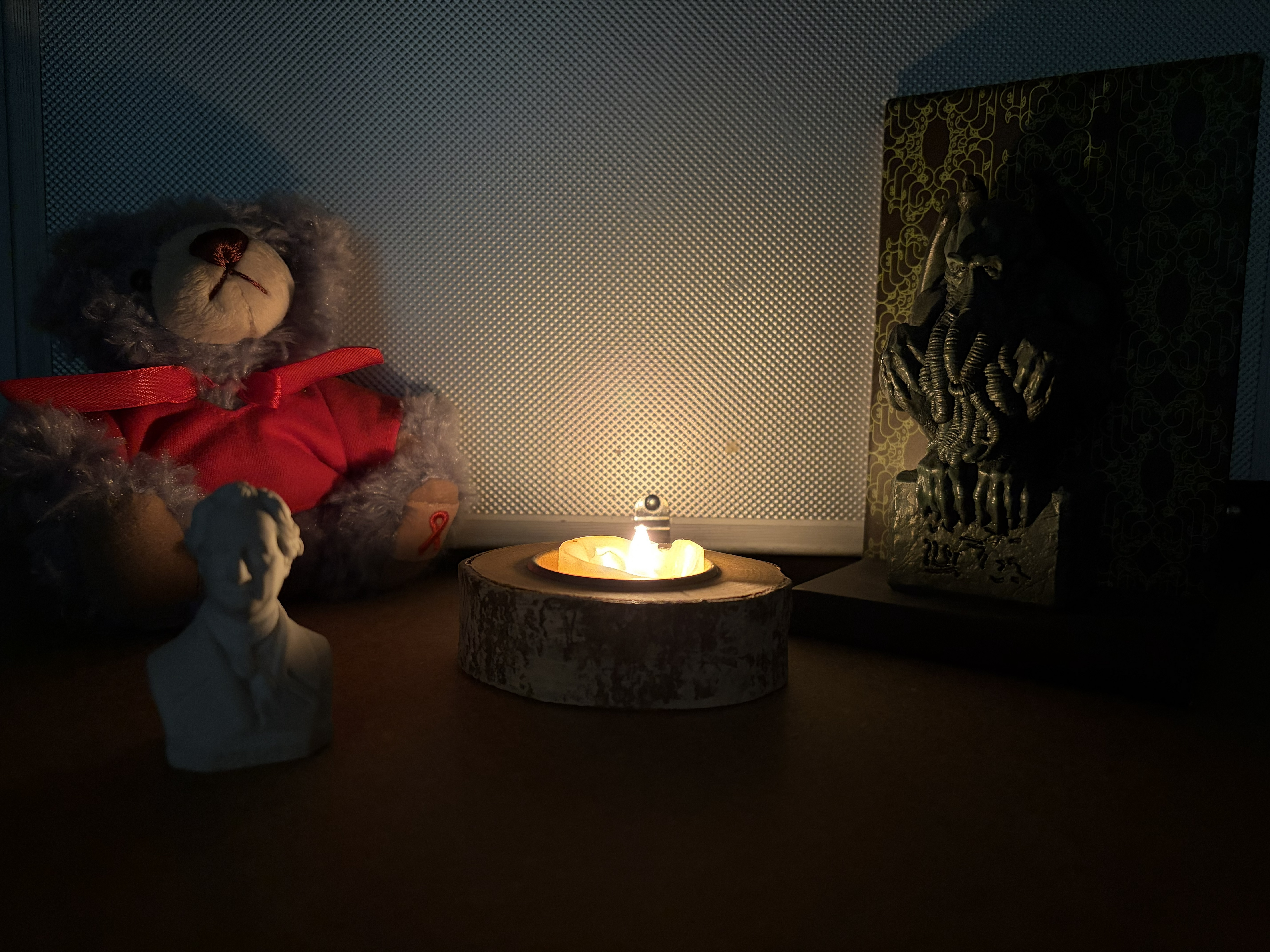
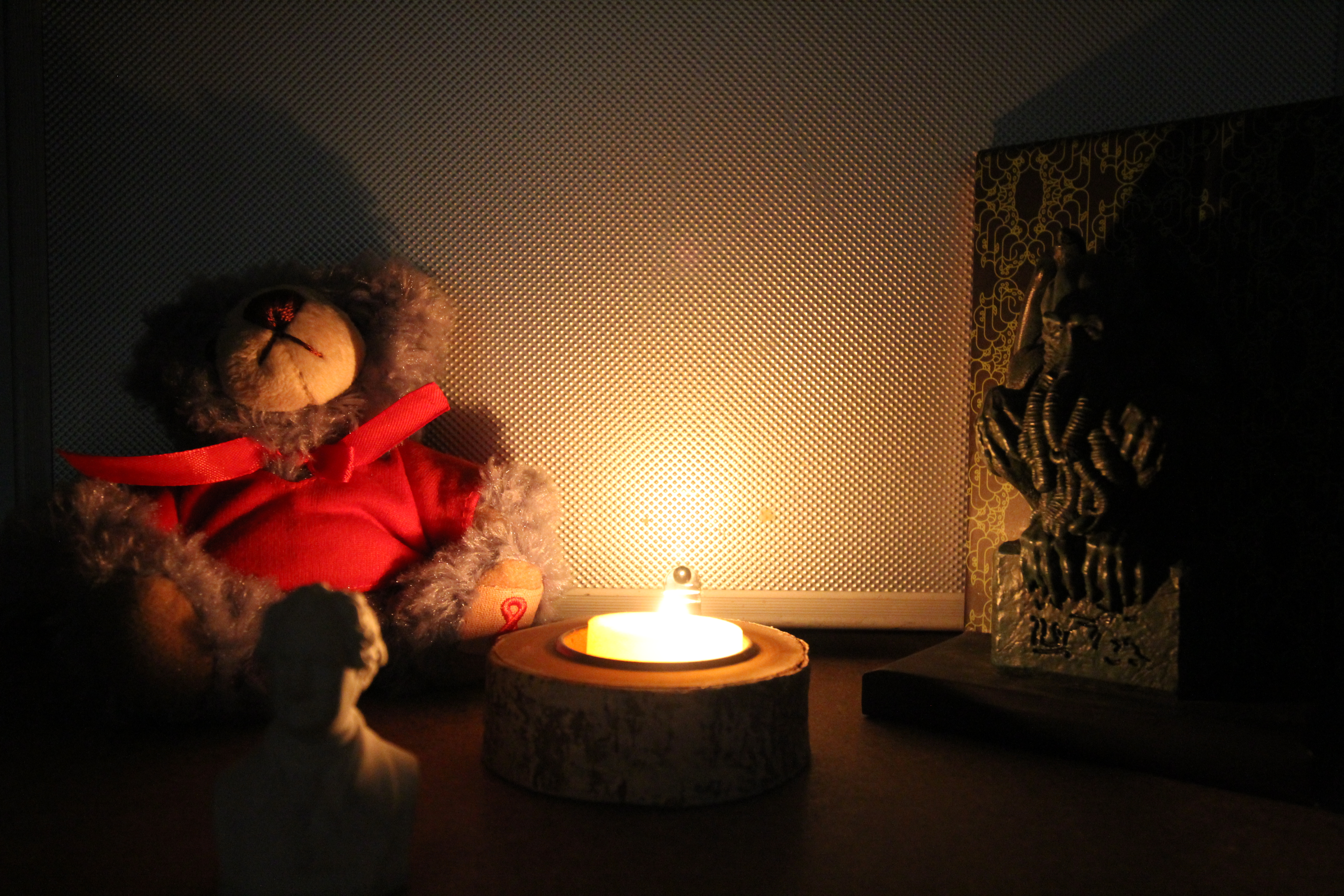
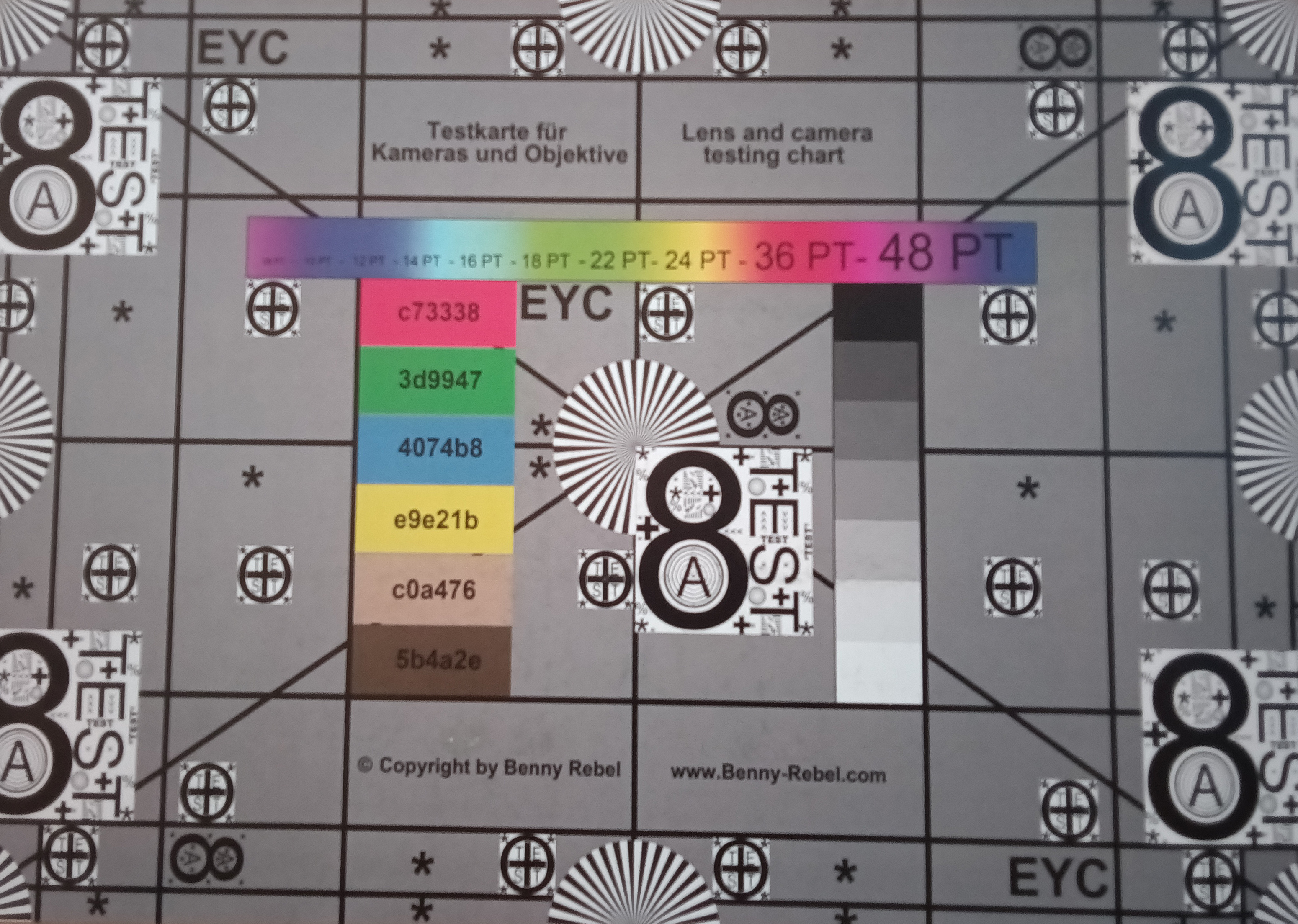
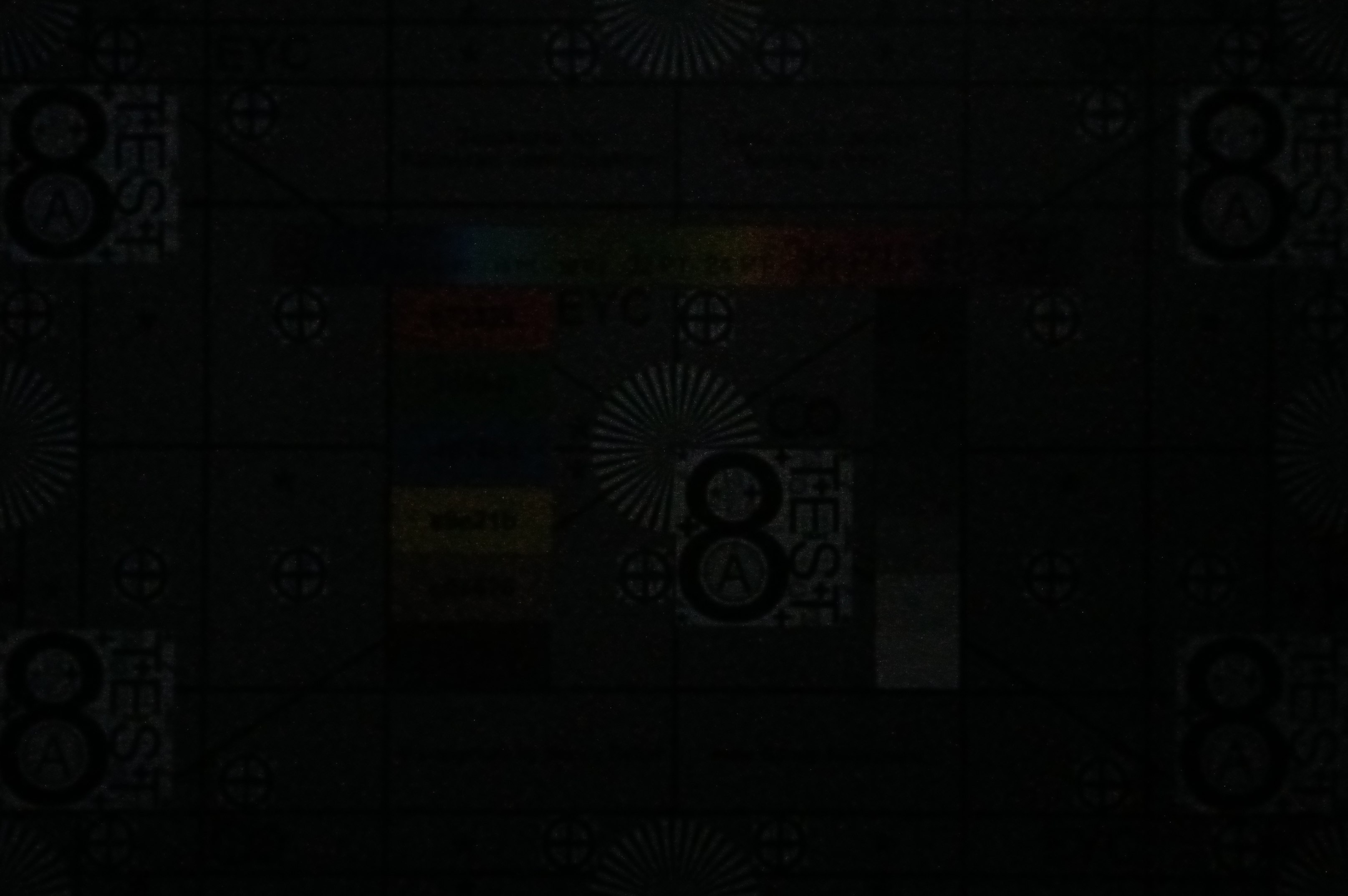
The 13-megapixel main camera usually takes blurry pictures and the dynamic range in very bright or dark areas leaves a lot to be desired. In candlelight, there is a strong red cast in the image.
The front camera with 5 megapixels tries to compensate for strong contrasts in the image, but largely fails. Selfies often look very grainy, even in good light.
Image comparison
Choose a scene and navigate within the first image. One click changes the position on touchscreens. One click on the zoomed-in image opens the original in a new window. The first image shows the scaled photograph of the test device.
Main camera - PlantMain camera - OutdoorsMain camera - Low light
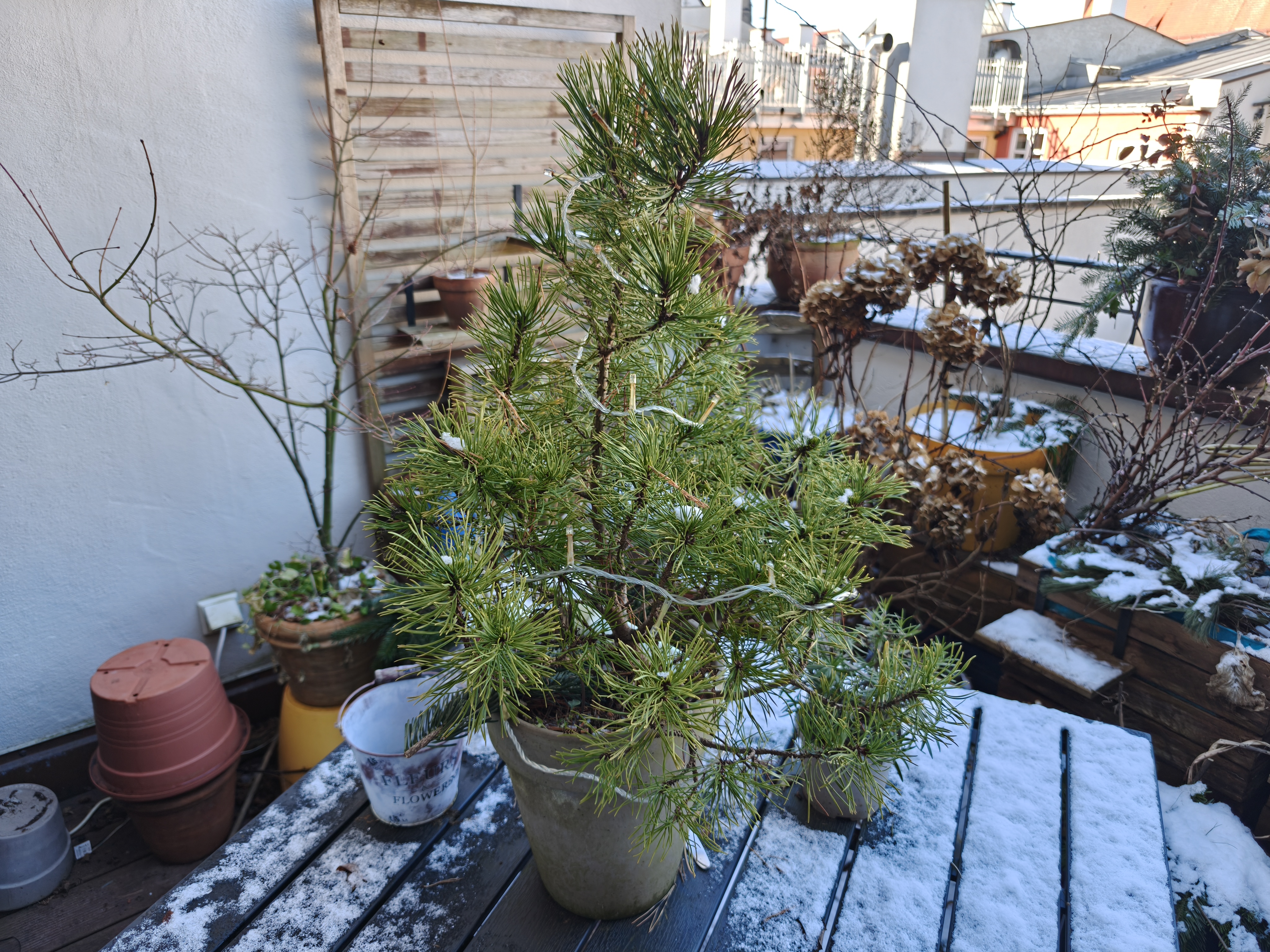
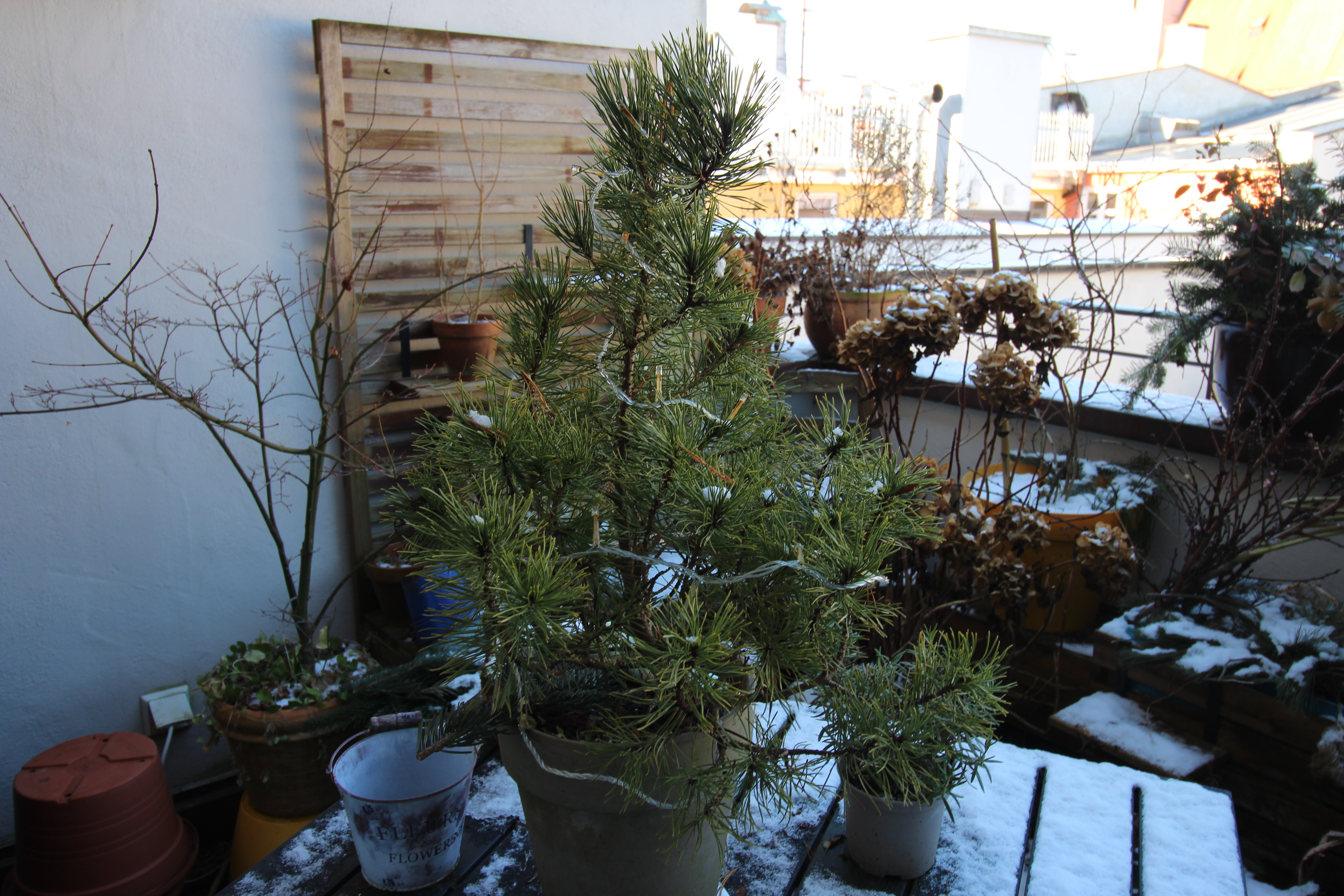
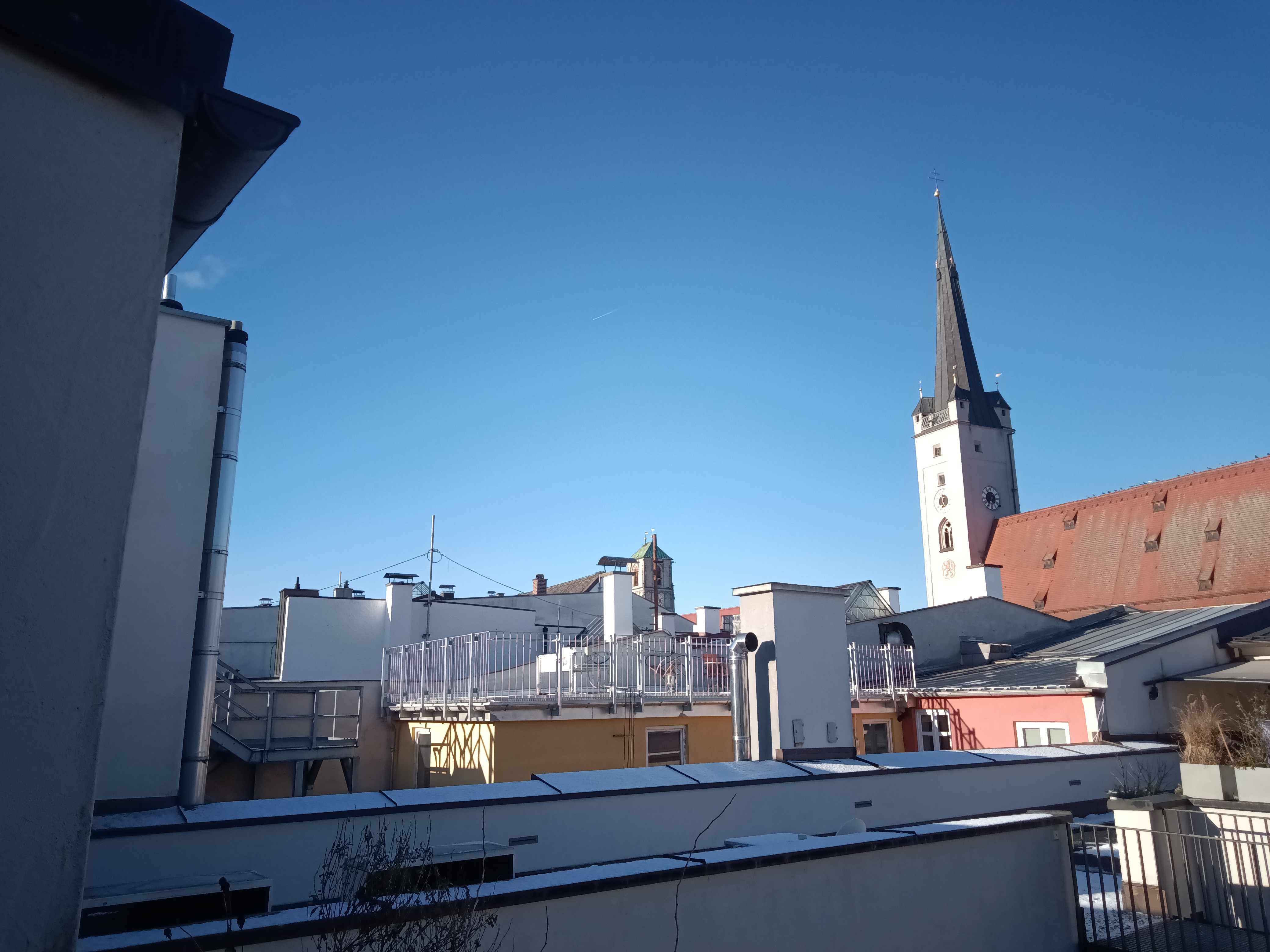
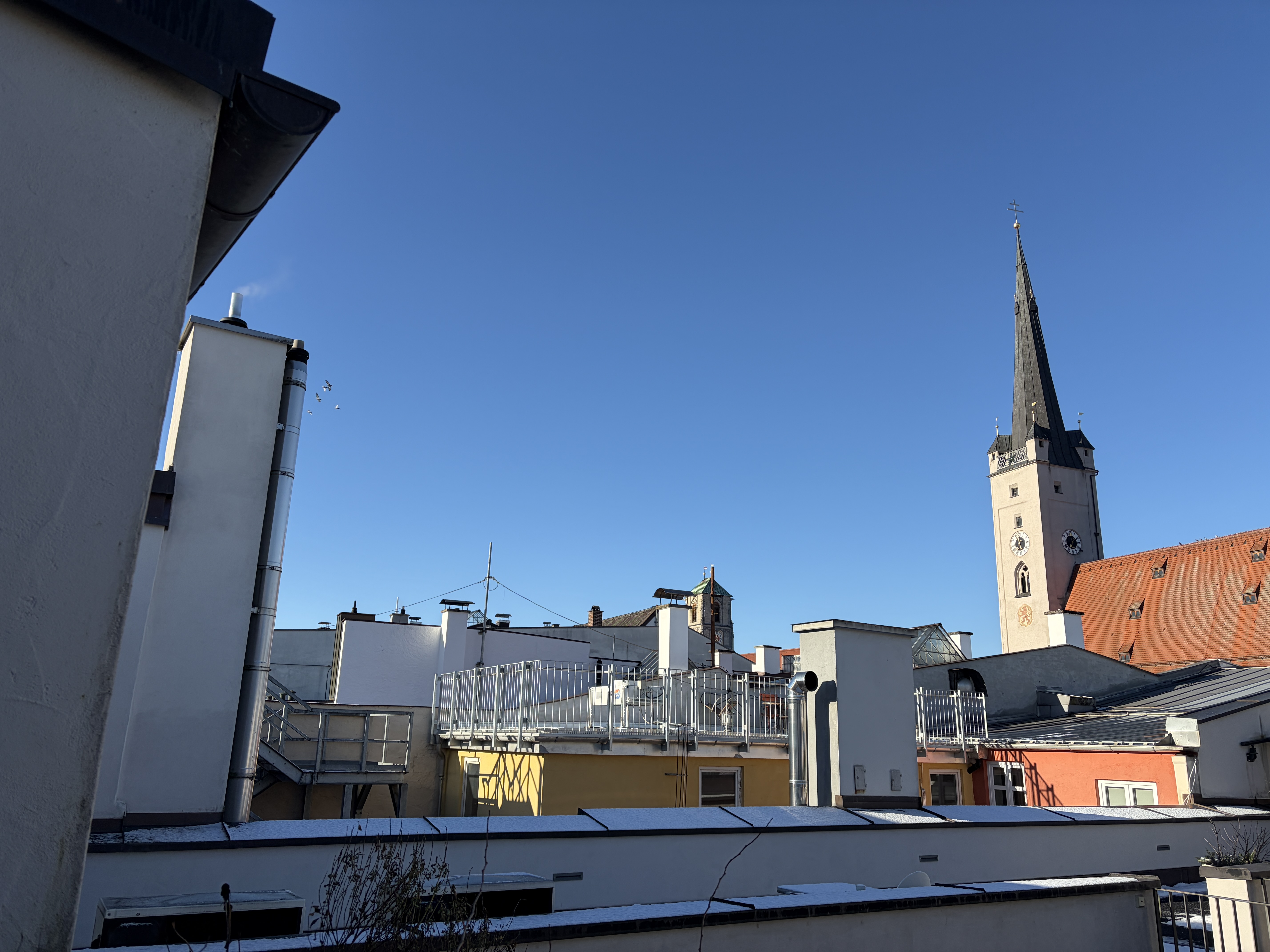





Display - 4:3 with decent resolution
The IPS screen in 4:3 format has a diameter of 11 inches and a resolution of 1,840 x 1,280 pixels. There are even higher-resolution tablets in this price range, but the pixel density is sufficient for everyday use.
The maximum brightness of 397 cd/m² is okay for indoor use, but outdoors or in bright light, reflections often overlay the screen content.
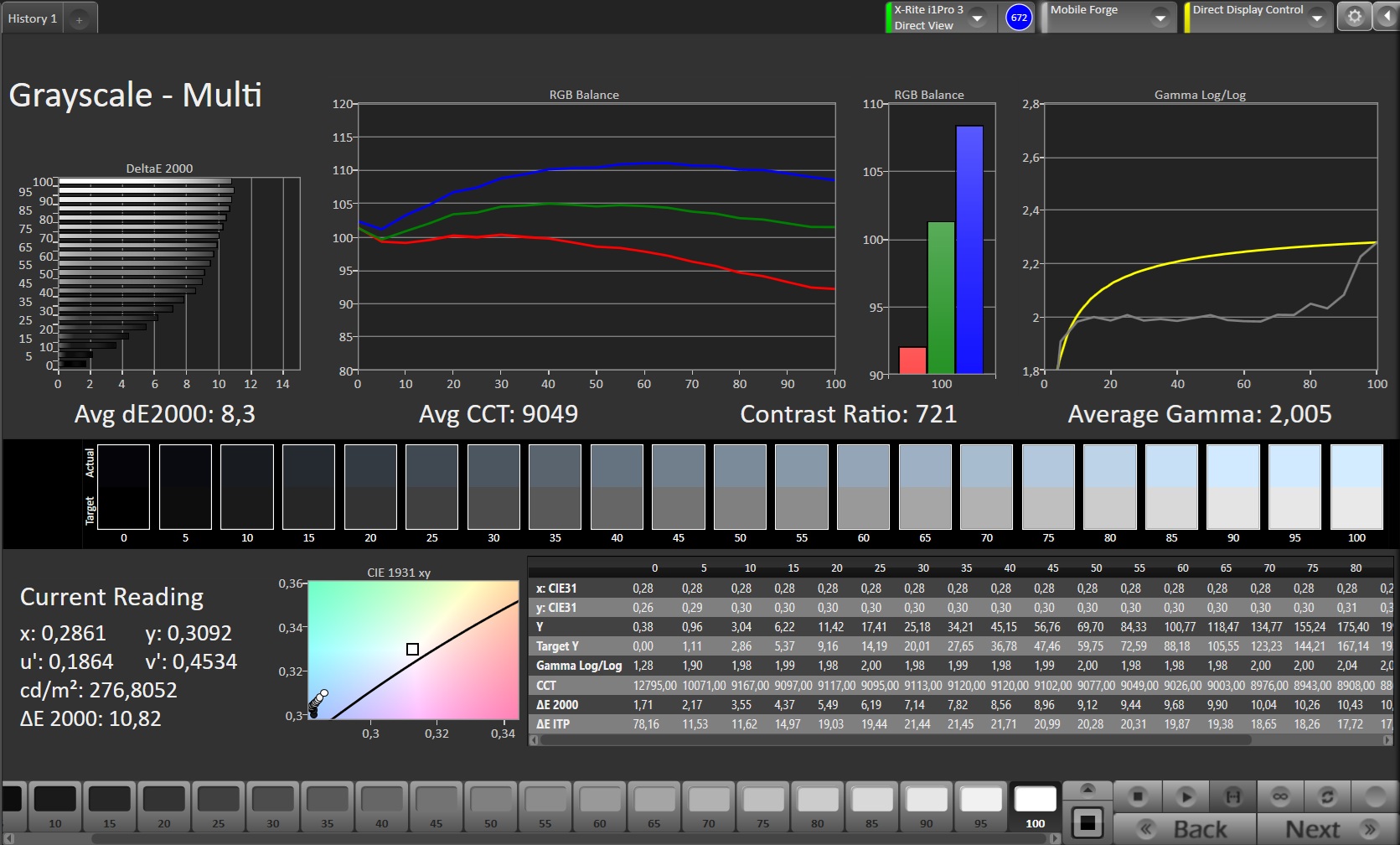
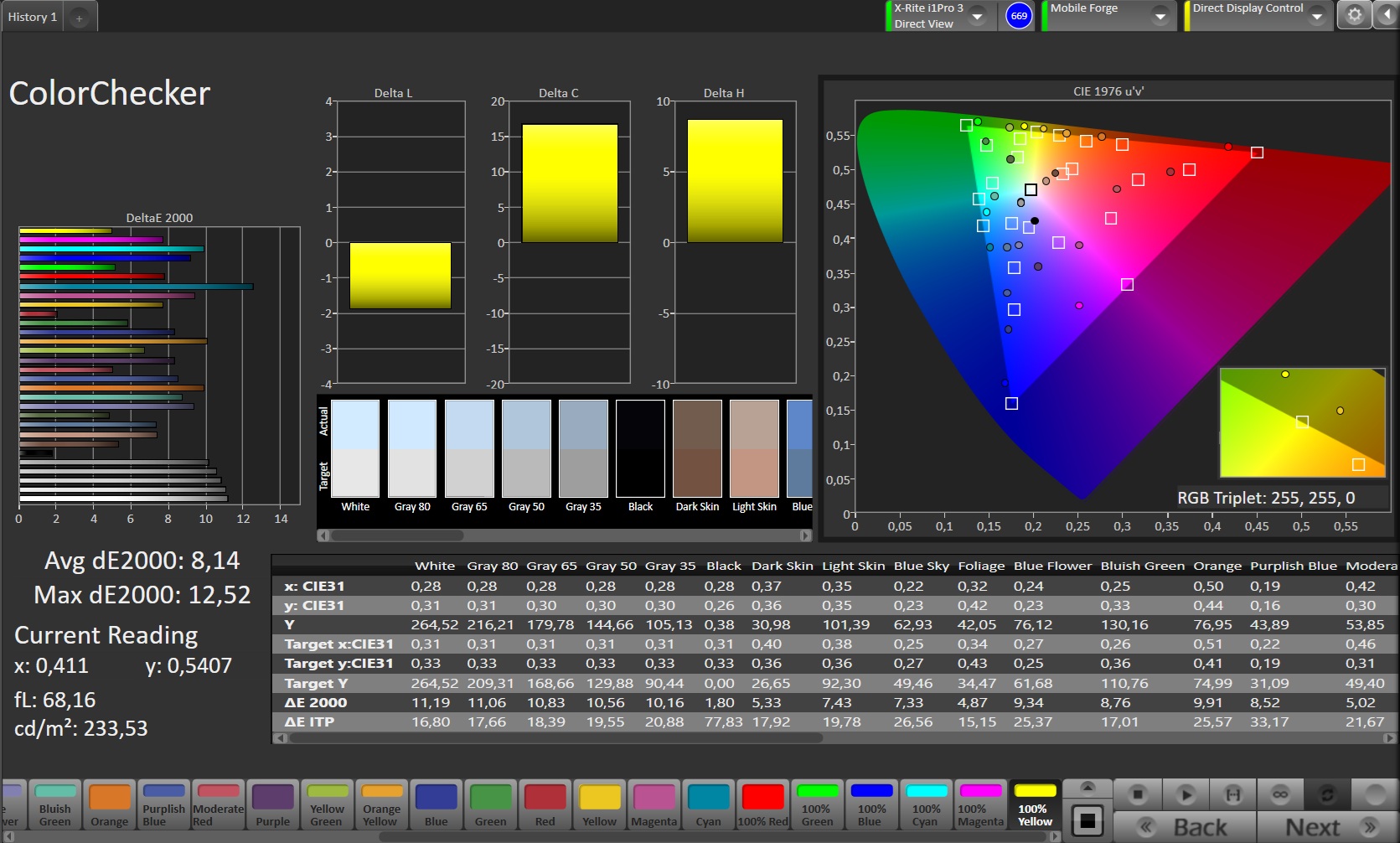
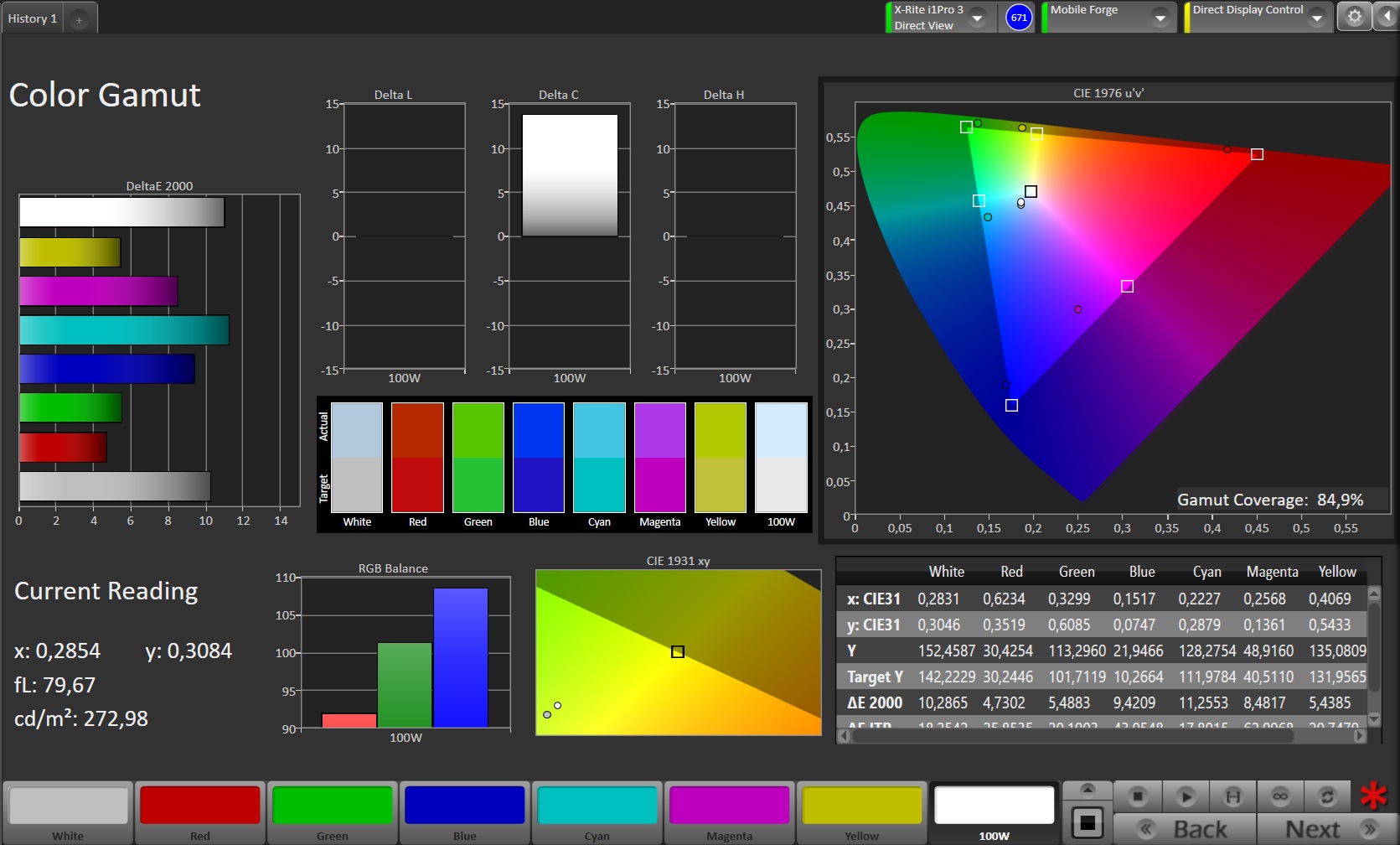
We did not notice PWM flickering. The color accuracy is rather mediocre, although we tried out all the setting options: A strong blue cast remains in the picture.
| |||||||||||||||||||||||||
Brightness Distribution: 88 %
Center on Battery: 397 cd/m²
Contrast: 794:1 (Black: 0.5 cd/m²)
ΔE ColorChecker Calman: 8.14 | ∀{0.5-29.43 Ø4.69}
ΔE Greyscale Calman: 8.3 | ∀{0.09-98 Ø4.94}
84.9% sRGB (Calman 2D)
Gamma: 2.005
CCT: 9049 K
| Teclast Art Pad Air IPS, 1840x1280, 11" | OnePlus Pad Lite IPS, 1920x1200, 11" | Xiaomi Redmi Pad 2 4G TFT-LCD, 2560x1600, 11" | Lenovo Idea Tab LCD IPS, 2560x1600, 11" | |
|---|---|---|---|---|
| Screen | 46% | 41% | 38% | |
| Brightness middle (cd/m²) | 397 | 519 31% | 398 0% | 411 4% |
| Brightness (cd/m²) | 376 | 511 36% | 354 -6% | 392 4% |
| Brightness Distribution (%) | 88 | 97 10% | 84 -5% | 91 3% |
| Black Level * (cd/m²) | 0.5 | 0.37 26% | 0.28 44% | 0.39 22% |
| Contrast (:1) | 794 | 1403 77% | 1421 79% | 1054 33% |
| Colorchecker dE 2000 * | 8.14 | 3.12 62% | 1.6 80% | 1.06 87% |
| Colorchecker dE 2000 max. * | 12.5 | 5.8 54% | 3.2 74% | 3.92 69% |
| Greyscale dE 2000 * | 8.3 | 2.5 70% | 3.2 61% | 1.3 84% |
| Gamma | 2.005 110% | 2.359 93% | 2.67 82% | 2.232 99% |
| CCT | 9049 72% | 6496 100% | 6542 99% | 6249 104% |
* ... smaller is better
| Display / APL18 Peak Brightness | |
| Teclast Art Pad Air | |
Screen Flickering / PWM (Pulse-Width Modulation)
| Screen flickering / PWM not detected | 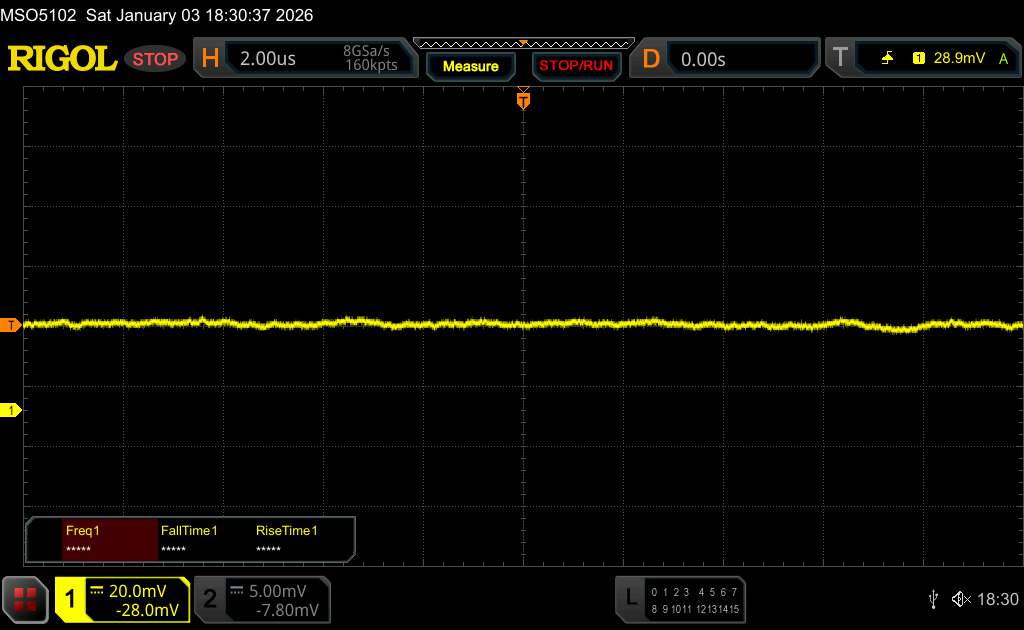 | ||
In comparison: 52 % of all tested devices do not use PWM to dim the display. If PWM was detected, an average of 7617 (minimum: 5 - maximum: 343500) Hz was measured. | |||
Display Response Times
| ↔ Response Time Black to White | ||
|---|---|---|
| 27.5 ms ... rise ↗ and fall ↘ combined | ↗ 11.6 ms rise | 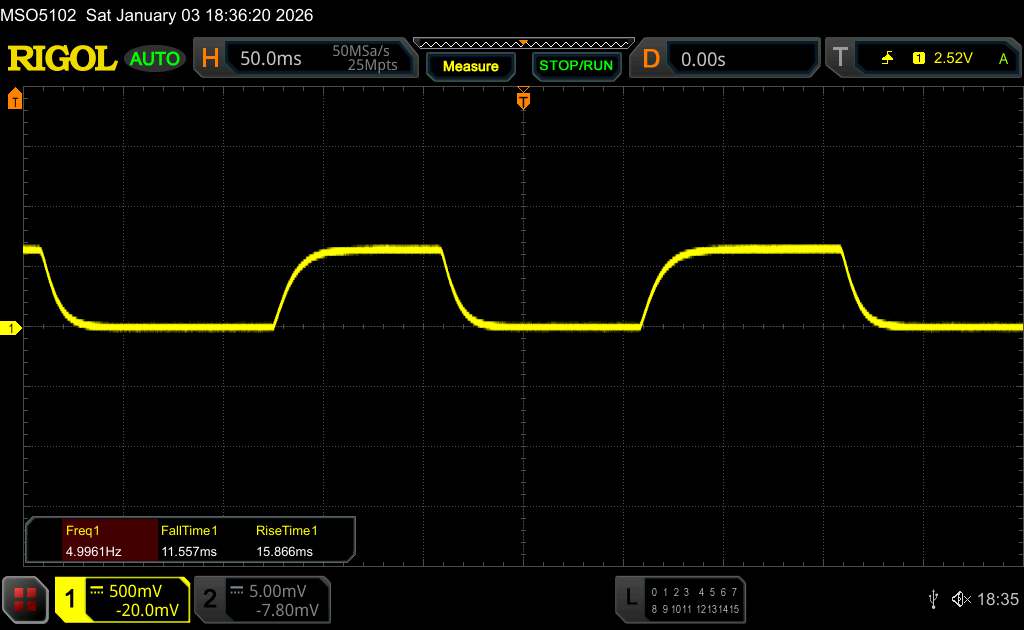 |
| ↘ 15.9 ms fall | ||
| The screen shows relatively slow response rates in our tests and may be too slow for gamers. In comparison, all tested devices range from 0.1 (minimum) to 240 (maximum) ms. » 70 % of all devices are better. This means that the measured response time is worse than the average of all tested devices (19.7 ms). | ||
| ↔ Response Time 50% Grey to 80% Grey | ||
| 50.7 ms ... rise ↗ and fall ↘ combined | ↗ 30.2 ms rise | 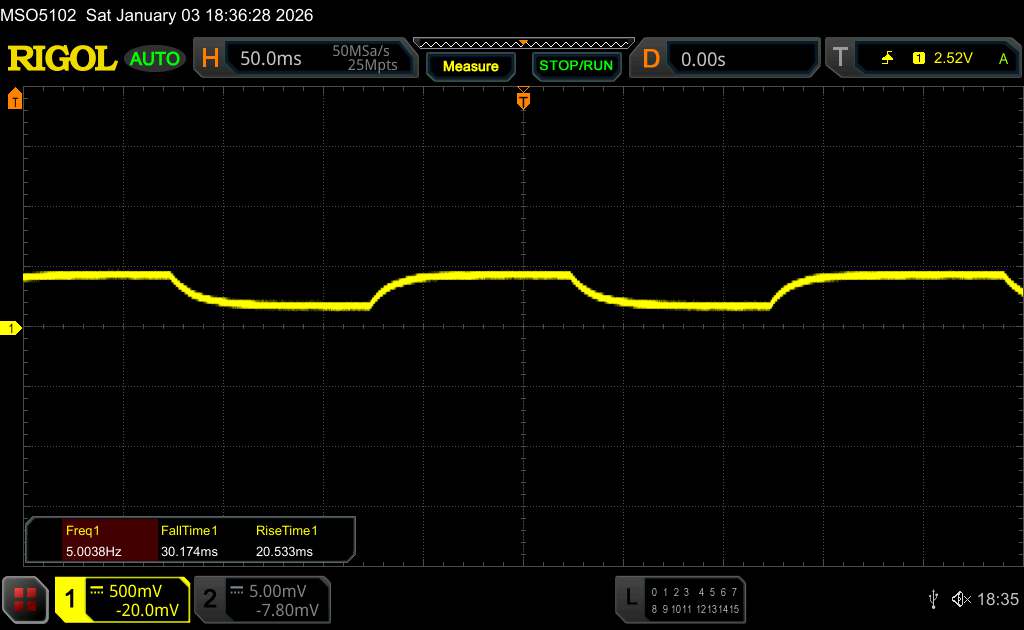 |
| ↘ 20.5 ms fall | ||
| The screen shows slow response rates in our tests and will be unsatisfactory for gamers. In comparison, all tested devices range from 0.13 (minimum) to 636 (maximum) ms. » 87 % of all devices are better. This means that the measured response time is worse than the average of all tested devices (30.7 ms). | ||
Performance, emissions and battery life - No throttling under load
The MediaTek Helio G100 is very popular for inexpensive tablets and the Teclast ArtPad Air achieves class-standard performance. However, the level is not particularly high and so you occasionally have to live with stutters and only have little performance reserves for more demanding tasks.
The UFS 2.1 memory is at least quite fast and enables somewhat shorter loading times.
The case hardly heats up under load and the SoC's full performance is maintained even in the stress test.
The Teclast ArtPad Air comes with four speakers. Even if they could be louder, they create a decent sound overall with balanced mids and highs.
So you can definitely enjoy music or movie sound. However, if you have higher demands, you will probably prefer to connect external speakers or headphones via USB-C or Bluetooth. Many Bluetooth audio codecs are supported, so you can also listen to music wirelessly in good quality.
The 8,000 mAh battery is not exactly a highlight – the competition sometimes offers significantly more capacity here. This is also noticeable in the running times: At 12:47 hours, these are not outstanding in our WLAN test. However, one battery charge should be enough for a day on the sofa with moderate use.
| Geekbench AI | |
| Single Precision NPU 1.7 | |
| Average of class Tablet (101 - 5295, n=50, last 2 years) | |
| Average Mediatek Helio G100 (n=1) | |
| Lenovo Idea Tab | |
| Xiaomi Redmi Pad 2 4G | |
| Half Precision NPU 1.7 | |
| Average of class Tablet (105 - 41155, n=50, last 2 years) | |
| Lenovo Idea Tab | |
| Average Mediatek Helio G100 (n=1) | |
| Xiaomi Redmi Pad 2 4G | |
| Quantized NPU 1.7 | |
| Average of class Tablet (88 - 57388, n=50, last 2 years) | |
| Lenovo Idea Tab | |
| Average Mediatek Helio G100 (n=1) | |
| Xiaomi Redmi Pad 2 4G | |
| Jetstream 2 - 2.0 Total | |
| Average of class Tablet (48 - 420, n=54, last 2 years) | |
| Xiaomi Redmi Pad 2 4G | |
| OnePlus Pad Lite | |
| Average Mediatek Helio G100 (77.2 - 88.7, n=5) | |
| Teclast Art Pad Air | |
| Teclast Art Pad Air | OnePlus Pad Lite | Xiaomi Redmi Pad 2 4G | Lenovo Idea Tab | Average 128 GB UFS 2.2 Flash | Average of class Tablet | |
|---|---|---|---|---|---|---|
| AndroBench 3-5 | -4% | -2% | -24% | -24% | 66% | |
| Sequential Read 256KB (MB/s) | 1021.1 | 976 -4% | 975.3 -4% | 534.11 -48% | 742 ? -27% | 2098 ? 105% |
| Sequential Write 256KB (MB/s) | 882.3 | 883.8 0% | 913.33 4% | 489.67 -45% | 543 ? -38% | 1691 ? 92% |
| Random Read 4KB (MB/s) | 241.1 | 215.4 -11% | 214.81 -11% | 226.81 -6% | 195.6 ? -19% | 279 ? 16% |
| Random Write 4KB (MB/s) | 217 | 214.2 -1% | 228.14 5% | 227.97 5% | 189.3 ? -13% | 329 ? 52% |
(+) The maximum temperature on the upper side is 31.2 °C / 88 F, compared to the average of 33.7 °C / 93 F, ranging from 20.7 to 53.2 °C for the class Tablet.
(+) The bottom heats up to a maximum of 31.2 °C / 88 F, compared to the average of 33.2 °C / 92 F
(+) In idle usage, the average temperature for the upper side is 27.8 °C / 82 F, compared to the device average of 30 °C / 86 F.
3DMark Stress Tests
| 3DMark | |
| Wild Life Stress Test Stability | |
| Lenovo Idea Tab | |
| Xiaomi Redmi Pad 2 4G | |
| Teclast Art Pad Air | |
| Wild Life Extreme Stress Test | |
| Lenovo Idea Tab | |
| Teclast Art Pad Air | |
| OnePlus Pad Lite | |
| Steel Nomad Light Stress Test Stability | |
| Lenovo Idea Tab | |
| Xiaomi Redmi Pad 2 4G | |
Teclast Art Pad Air audio analysis
(±) | speaker loudness is average but good (81.1 dB)
Bass 100 - 315 Hz
(-) | nearly no bass - on average 16% lower than median
(±) | linearity of bass is average (11.9% delta to prev. frequency)
Mids 400 - 2000 Hz
(±) | higher mids - on average 9.1% higher than median
(+) | mids are linear (6% delta to prev. frequency)
Highs 2 - 16 kHz
(±) | higher highs - on average 5.2% higher than median
(±) | linearity of highs is average (7.7% delta to prev. frequency)
Overall 100 - 16.000 Hz
(±) | linearity of overall sound is average (19.7% difference to median)
Compared to same class
» 55% of all tested devices in this class were better, 8% similar, 37% worse
» The best had a delta of 7%, average was 21%, worst was 130%
Compared to all devices tested
» 50% of all tested devices were better, 7% similar, 43% worse
» The best had a delta of 4%, average was 23%, worst was 136%
Lenovo Idea Tab audio analysis
(+) | speakers can play relatively loud (83.7 dB)
Bass 100 - 315 Hz
(-) | nearly no bass - on average 22.4% lower than median
(±) | linearity of bass is average (9.9% delta to prev. frequency)
Mids 400 - 2000 Hz
(±) | higher mids - on average 6.8% higher than median
(±) | linearity of mids is average (7.3% delta to prev. frequency)
Highs 2 - 16 kHz
(±) | higher highs - on average 5.6% higher than median
(±) | linearity of highs is average (12.6% delta to prev. frequency)
Overall 100 - 16.000 Hz
(±) | linearity of overall sound is average (20.2% difference to median)
Compared to same class
» 57% of all tested devices in this class were better, 8% similar, 35% worse
» The best had a delta of 7%, average was 21%, worst was 130%
Compared to all devices tested
» 53% of all tested devices were better, 8% similar, 39% worse
» The best had a delta of 4%, average was 23%, worst was 136%
| Teclast Art Pad Air 8000 mAh | OnePlus Pad Lite 9340 mAh | Xiaomi Redmi Pad 2 4G 9000 mAh | Lenovo Idea Tab 7040 mAh | |
|---|---|---|---|---|
| Battery runtime | 80% | 26% | -6% | |
| WiFi v1.3 (h) | 12.8 | 23.1 80% | 16.1 26% | 12.3 -4% |
| Load (h) | 5 | 4.6 -8% | ||
| Reader / Idle (h) | 28.4 | |||
| H.264 (h) | 13.3 |
Notebookcheck overall rating
Very affordable tablet with a creative focus, but only entry-level performance.
The decent speakers and the 4G mobile network including satellite positioning stand out.
Teclast Art Pad Air
- 01/04/2026 v8
Florian Schmitt
 Total Sustainability Score:
 Possible alternatives in comparison
Image | Model / Review | Price | Weight | Drive | Display |
|---|---|---|---|---|---|
1. 76.2%  | Teclast Art Pad Air Mediatek Helio G100 ⎘ ARM Mali-G57 MP2 ⎘ 8 GB Memory, 128 GB UFS 2.2 | List Price: 220€ | 523 g | 128 GB UFS 2.2 Flash | 11.00" 1840x1280 204 PPI IPS |
2. 78.2%  | OnePlus Pad Lite Mediatek Helio G100 ⎘ ARM Mali-G57 MP2 ⎘ 6 GB Memory, 128 GB UFS 2.2 | Amazon: $475.00 List Price: 200€ | 530 g | 128 GB UFS 2.2 Flash | 11.00" 1920x1200 206 PPI IPS |
3. 77.6%  | Xiaomi Redmi Pad 2 4G Mediatek Helio G100 ⎘ ARM Mali-G57 MP2 ⎘ 8 GB Memory, 256 GB UFS 2.2 | Amazon: | 519 g | 256 GB UFS 2.2 Flash | 11.00" 2560x1600 274 PPI TFT-LCD |
4. 78%  | Lenovo Idea Tab Mediatek Dimensity 6300 ⎘ ARM Mali-G57 MP2 ⎘ 8 GB Memory, 128 GB UFS 2.2 | List Price: 200€ | 480 g | 128 GB UFS 2.2 Flash | 11.00" 2560x1600 274 PPI LCD IPS |
Transparency
The selection of devices to be reviewed is made by our editorial team. The test sample was freely purchased by the author at his/her own expense. The lender had no influence on this review, nor did the manufacturer receive a copy of this review before publication. There was no obligation to publish this review. As an independent media company, Notebookcheck is not subjected to the authority of manufacturers, retailers or publishers.
This is how Notebookcheck is testing
Every year, Notebookcheck independently reviews hundreds of laptops and smartphones using standardized procedures to ensure that all results are comparable. We have continuously developed our test methods for around 20 years and set industry standards in the process. In our test labs, high-quality measuring equipment is utilized by experienced technicians and editors. These tests involve a multi-stage validation process. Our complex rating system is based on hundreds of well-founded measurements and benchmarks, which maintains objectivity. Further information on our test methods can be found here.
 Add as a preferred source on Google


