




Steam indie One Last Hand reportedly sells 12,000 copies in two weeks, with roughly 90% coming from China
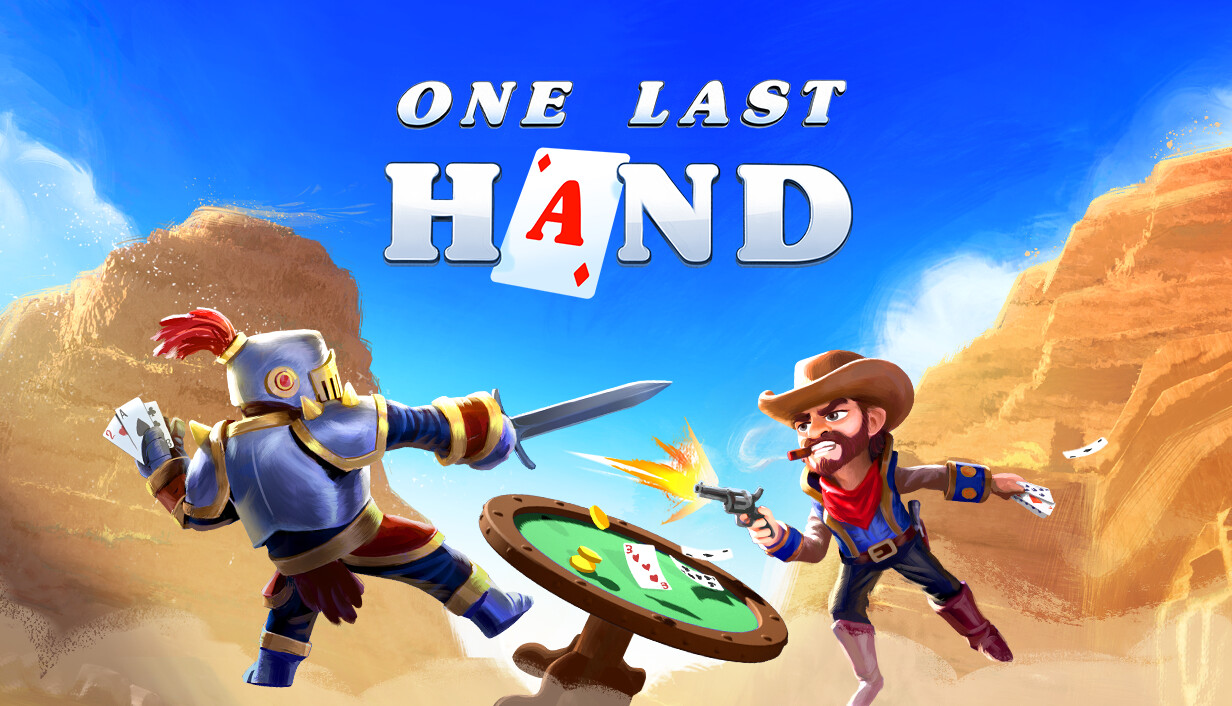
One Last Hand launched on Steam on August 14 after reaching 10,000 wishlists and 50,000 unique demo players. After the first two weeks, a Reddit account that has repeatedly identified itself as part of the game's development team reported approximately 16,500 gross unit sales and 12,000 net copies after returns. The most striking figure was geographical: roughly 90% of those sales reportedly came from China.
The same post puts gross Steam revenue at around $59,000, falling to approximately $47,000 after returns, chargebacks and taxes but before Steam's platform cut. These figures were supplied by the Reddit poster rather than independently published by Valve, so they should be treated as developer-side disclosures rather than audited sales data.
Official Steam announcements separately support the broader launch trajectory. Fire Brick Games announced 10,000 wishlists and 50,000 unique demo players on August 13, one day before release. By August 19, the studio was reporting more than 10,000 copies sold in just four days, while specifically highlighting the attention the game had received from its Chinese community.
A small streamer push snowballs in China
China had already emerged as One Last Hand's strongest market during the demo period.
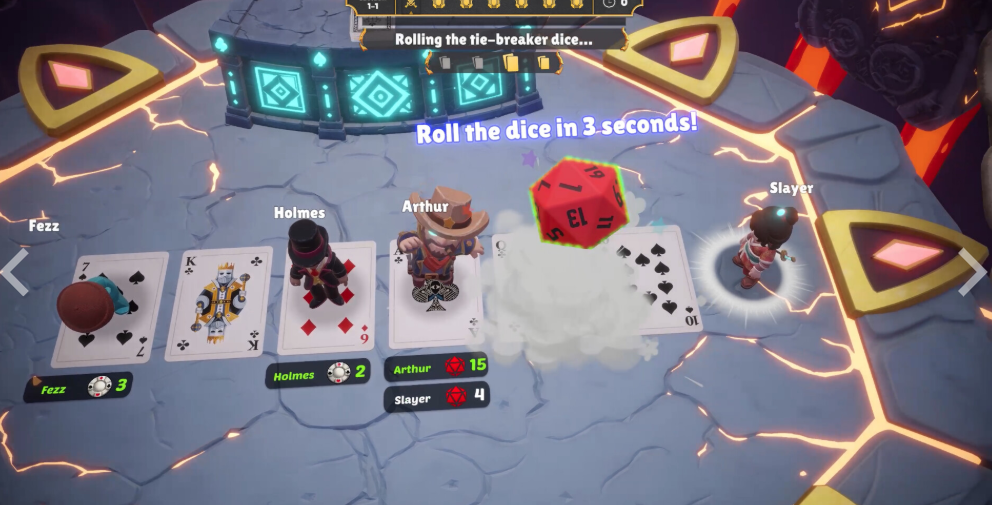
In an earlier post, the same Reddit account said a relatively inexpensive Chinese streamer campaign preceded a week in which the demo drew around 8,000 players, gained roughly 1,000 wishlists and peaked at 579 concurrent players. Larger streamers then began picking up the game organically rather than through paid promotion.
By September, the poster said the demo had eventually peaked at around 2,000 concurrent players, with China making up the vast majority of that audience. Streamer exposure, word of mouth and Steam discovery then reportedly began feeding into one another, carrying the momentum into wishlists and ultimately launch sales.
Attempts to reproduce the same effect in Western markets have apparently been less successful. The poster describes creator outreach, paid campaigns, Reddit advertising and other conventional channels without the same organic second wave seen in China.
That distinction matters. The available evidence does not establish that paid streamer promotion directly caused 90% of sales to come from China. Rather, the account describes the paid campaign as the initial spark before considerably larger organic exposure followed.
11,000 launch wishlists become 12,000 net sales
The figures also offer an unusual glimpse at how Steam wishlists can translate into actual purchases.
According to the September sales post, One Last Hand entered launch with around 11,000 wishlists before recording approximately 12,000 net sales during its first two weeks. That does not amount to a wishlist conversion rate above 100%, since customers do not need to wishlist a game before buying it.
Sales were heavily front-loaded. The poster says more than 4,500 copies were sold on launch day, followed by a decline over subsequent days. The account also reported a higher refund rate than hoped for, alongside multiplayer connection and stability problems during the first few days that the team had been working to address.
That performance also stands out against the sheer volume of new Steam releases. More than 16,000 games had already launched on Steam in 2026 by August 20, underscoring the competition smaller releases face for visibility.
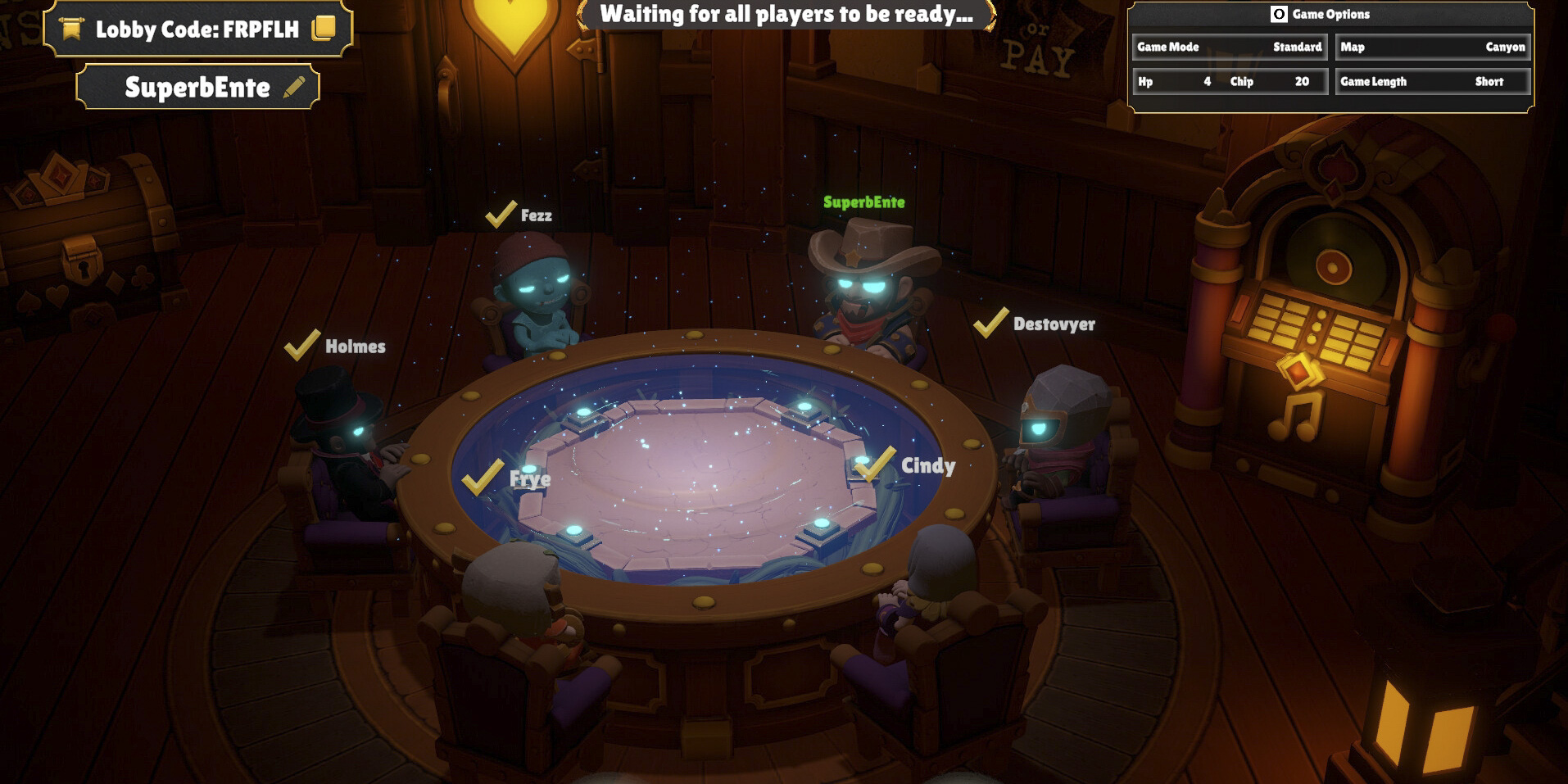
The game itself is a two-to-six-player online card battler built around secret bidding and poker-inspired hands, with Relics and power-ups allowing players to alter the rules and attack opponents. Steam lists Fire Brick Games as both developer and publisher, with support for Windows and macOS and 12 interface languages, including Simplified Chinese.
For a relatively small indie release, the reported regional split is what makes the launch unusual. Rather than breaking out evenly across markets, One Last Hand appears to have found the overwhelming majority of its first paying audience in China after a modest creator campaign developed into a much larger organic wave.
Source(s)
 Add as a preferred source on Google


