




Samsung becomes the first TV maker to launch HDR10+ Advanced
Samsung has confirmed its 2026 TV lineup will be the first consumer displays to support HDR10+ Advanced, a new tier of the royalty-free HDR10+ standard. Amazon's Prime Video is launching alongside it as the first streaming service to deliver content in the format, with supported titles rolling out globally starting this month.
Only TVs carrying the 2026 model suffix, meaning names ending in H such as the S99H, S95H and the MicroRGB R95H, currently support the format, and Samsung says future models will pick it up as the ecosystem grows.
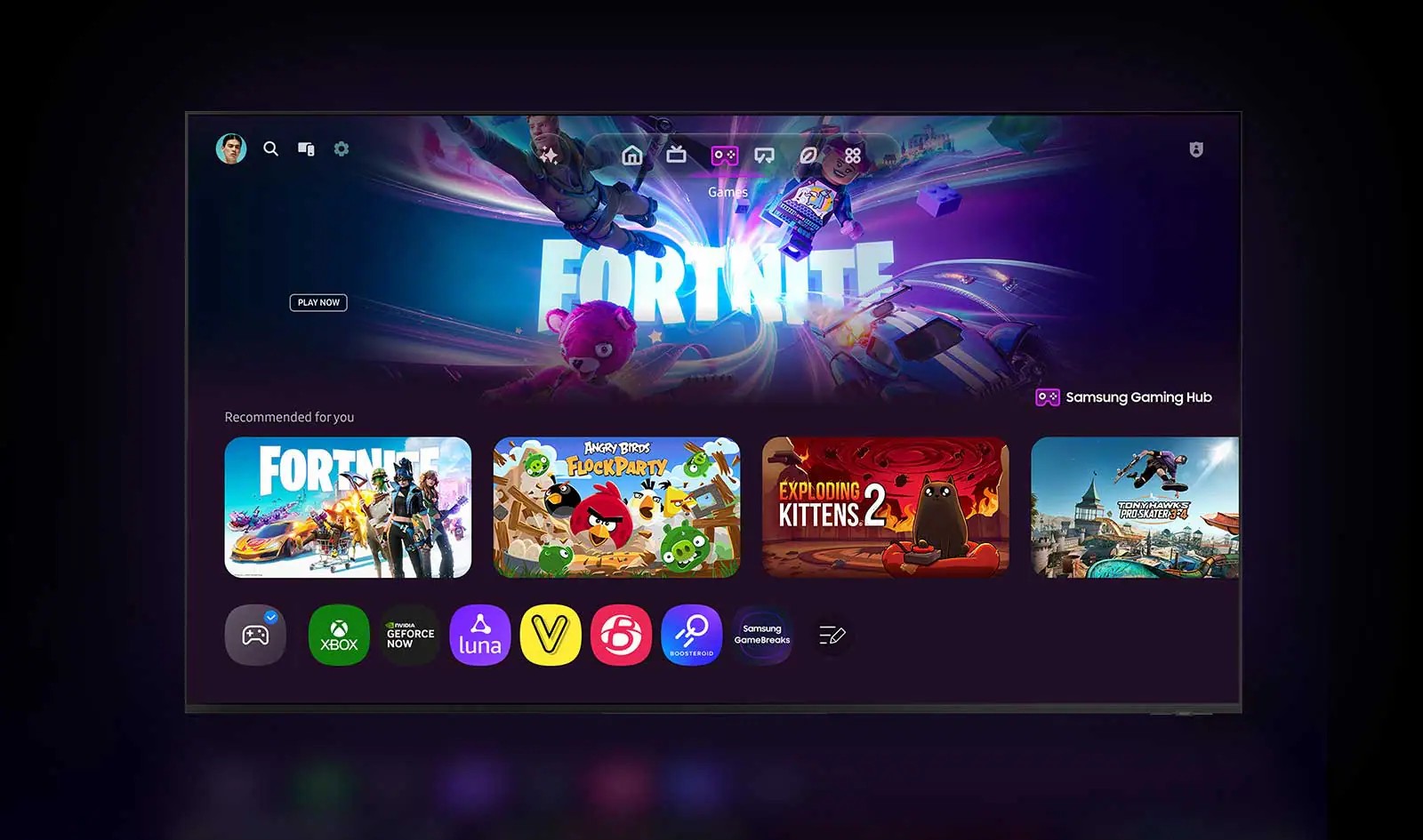
HDR10+ Advanced was first announced by the HDR10+ Technologies group late last year, with Samsung, Panasonic, Roku, MediaTek and TP Vision named among the companies backing its development. Samsung is the first of that group to confirm an actual consumer rollout, and it arrives as Dolby is preparing a rival update of its own in Dolby Vision 2.
The format's headline addition is Enhanced Overall Brightness, which uses extended statistical metadata alongside AI-driven tone mapping to push a TV's peak brightness further while protecting shadow detail in darker scenes.
The second addition is Intelligent Motion Smoothing, a scene-by-scene motion system that lets a compatible TV dial down processing for film content to preserve a cinematic look, while ramping it up for sports and other fast-moving footage. Both features build on the original HDR10+ standard, which Samsung and Amazon jointly introduced in 2017 as a free alternative to Dolby Vision.
Because HDR10+ Advanced remains royalty-free, any manufacturer can adopt it without paying licensing fees, unlike Dolby's competing formats. At launch, though, adoption is narrow: Prime Video is the only streaming platform supporting it and Samsung is the only TV brand shipping compatible hardware, meaning the format's real-world impact will depend on how quickly its other named backers bring their own devices and services to market.
Source(s)
 Add as a preferred source on Google


