




Raspberry Pi is intentionally blocking RAM capacity upgrades
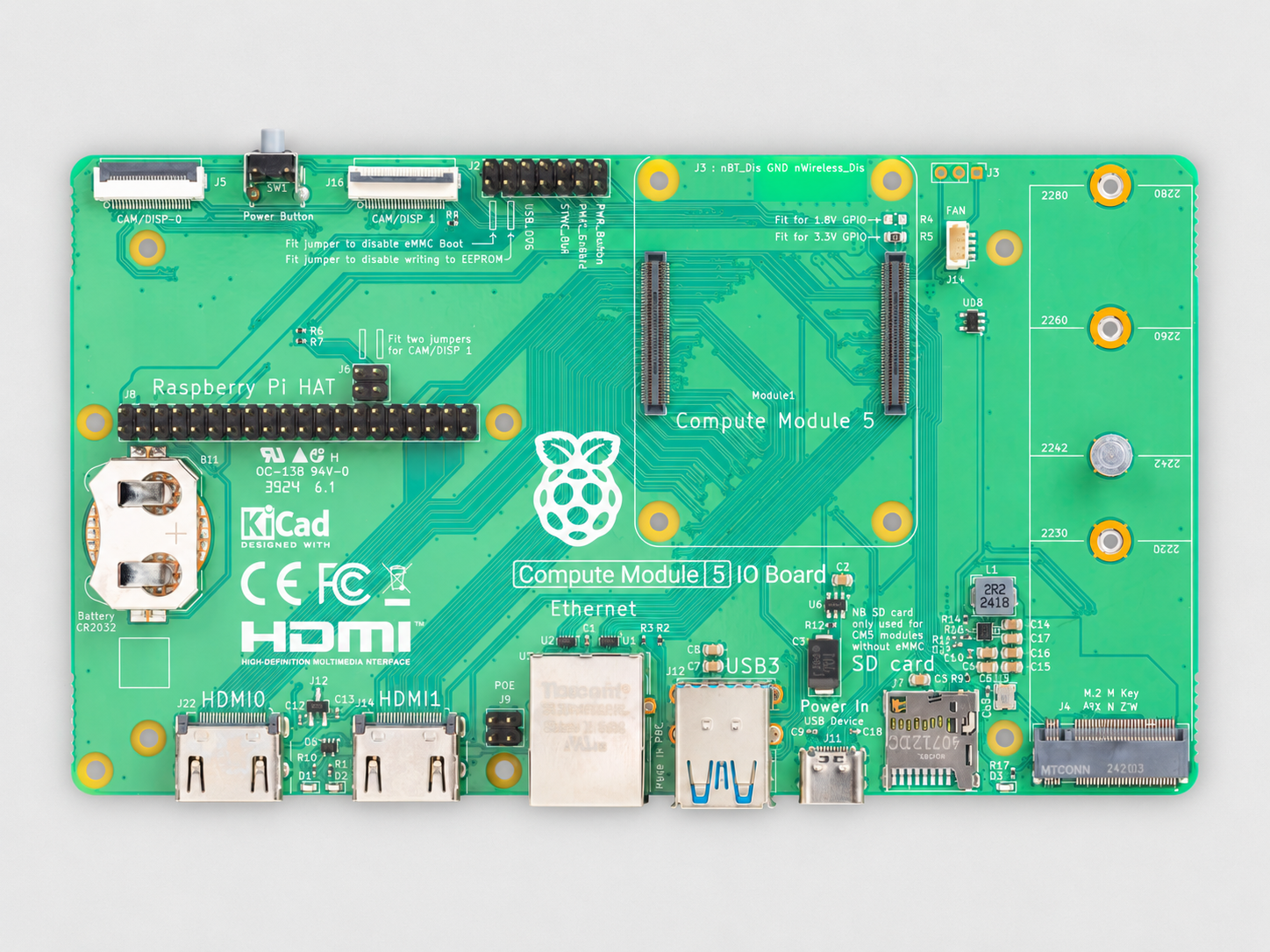
Raspberry Pi has confirmed that newer devices can be deliberately locked to the amount of RAM they originally shipped with, preventing sufficiently skilled users from turning, for example, a 2 GB Compute Module 5 into an 8 GB model by replacing its soldered memory. Raspberry Pi engineer and forum moderator PhilE explained the policy in response to a user attempting to upgrade the RAM on a Compute Module 5. The user replaced the original 2 GB memory package with a known-good 4 GB chip from another CM5, but the system still recognised only 2 GB.
According to Raspberry Pi, the measure is primarily intended to prevent third parties from buying lower-capacity boards, replacing their RAM with cheaper parts of uncertain origin and then reselling the modified hardware as a higher-capacity model. The company argues that such modified boards have not undergone its validation process and could subsequently generate support requests if unstable memory is blamed on the company. Since Raspberry Pi purchases memory in high volumes on negotiated commercial terms, it says there should generally be little legitimate financial incentive to perform such upgrades in the first place.
The restriction goes further than simply recording whether a board left the factory with 2 GB, 4 GB or 8 GB of memory. Raspberry Pi says other device attributes are now programmed into some systems to accommodate the growing number of SDRAM suppliers and configurations it must support. Memory density, organisation and various tuning and timing parameters are now built into the configuration. Therefore, an identical replacement carrying the same part code can still work as a repair, but replacing the memory with another compatible chip of the same capacity is not guaranteed to succeed. Transplanting officially supported memory between Raspberry Pi boards of different capacities will not provide a straightforward upgrade path either.
The behaviour is particularly interesting because physically replacing the memory on a Raspberry Pi is already well outside the scope of an ordinary upgrade. The LPDDR package is soldered directly to the board, meaning a successful swap requires BGA rework equipment and considerably more expertise than replacing a conventional DIMM.
Source(s)
 Add as a preferred source on Google


