




Raspberry Pi announces new price hikes for 2 GB Pi 4 and Pi 5
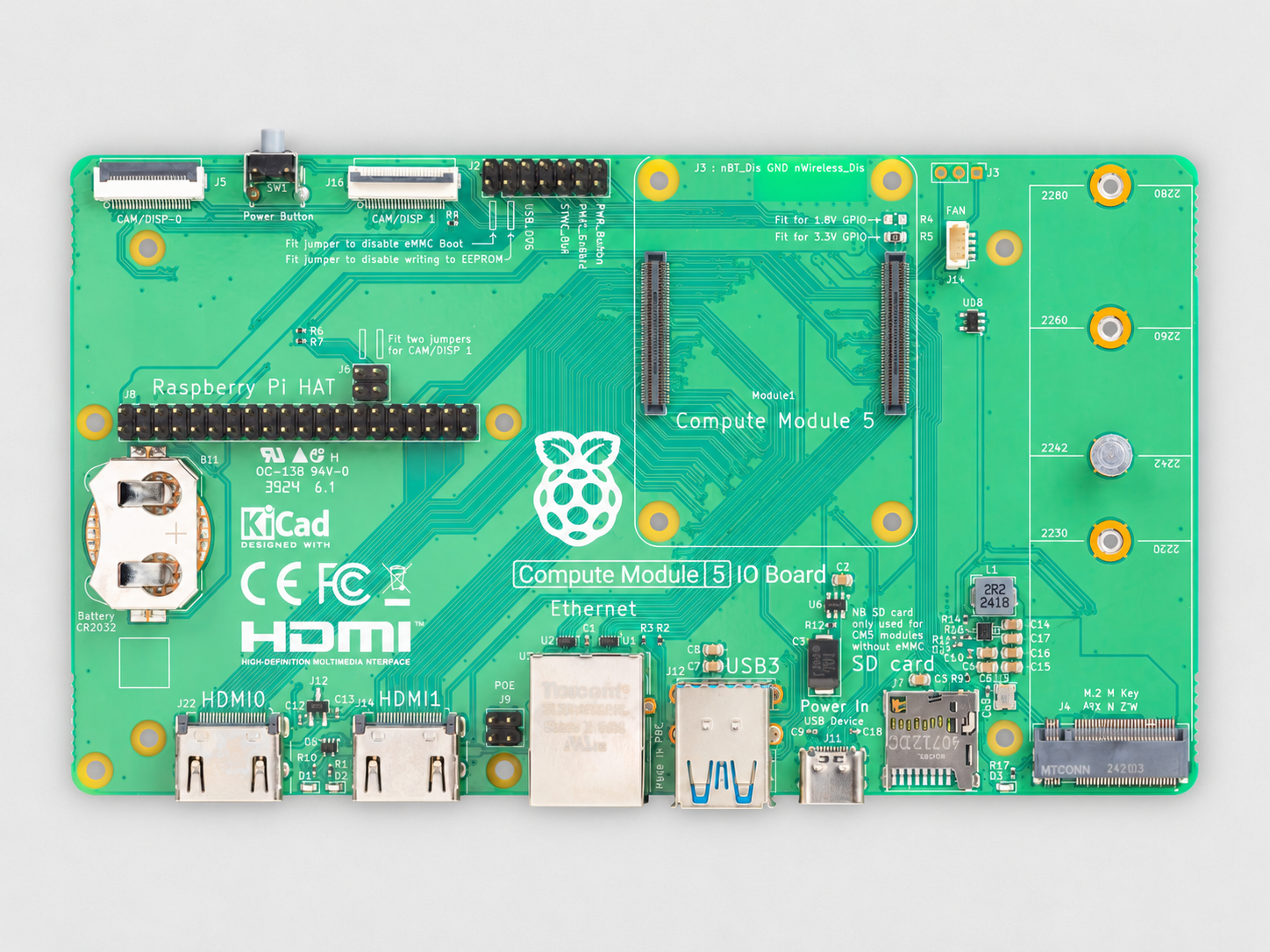
Raspberry Pi has announced price increases for its single-board computers, this time targeting the 2 GB versions of the Raspberry Pi 4 and Raspberry Pi 5. Effective immediately, both single-board computers are $12.50 more expensive, pushing the 2 GB Raspberry Pi 4 to $67.50 and its Raspberry Pi 5 counterpart to $77.50.
The company attributes the increases to rapidly rising memory costs. Raspberry Pi had managed to spare its lower-memory boards during its previous round of increases in April, when price hikes were instead applied to Raspberry Pi 4 and 5 models with 4 GB or more RAM. At the time, the company said LPDDR4 DRAM used by the two boards had become roughly seven times more expensive over the year before
Raspberry Pi says keeping their existing prices for lower-end models has become "unsustainable", although the 1 GB Raspberry Pi 4 and Raspberry Pi 5 remain unaffected. The 2 GB Compute Module 4 and Compute Module 5 are also retaining their existing prices for now. Raspberry Pi is consequently advising customers to choose their memory capacity carefully instead of paying for unused headroom. The company also suggests that buyers consider older boards such as the Raspberry Pi 3B, 3A+ and 3B+ where their performance is sufficient for a project.
The price increase comes at an interesting time. As we reported earlier, Raspberry Pi has also taken steps to prevent RAM capacity upgrades on newer devices. The policy came to light after an attempt to upgrade a 2 GB Compute Module 5 with a known-good higher-capacity memory package failed. Raspberry Pi engineer PhilE subsequently confirmed that devices can be locked to their original RAM capacity. Essentially, choosing the appropriate memory configuration at purchase has become more important than ever. Future-proofing also bears a cost because the previous route of hot-swapping memory modules is simply not an option.
If there is any reprise, Raspberry Pi says current memory market conditions are temporary and that it intends to reverse its price increases once memory costs come back down, which seems like a pipe dream at this point.
Source(s)
 Add as a preferred source on Google


No comments for this article
