




Raspberry Pi shows how to build a computer in a briefcase
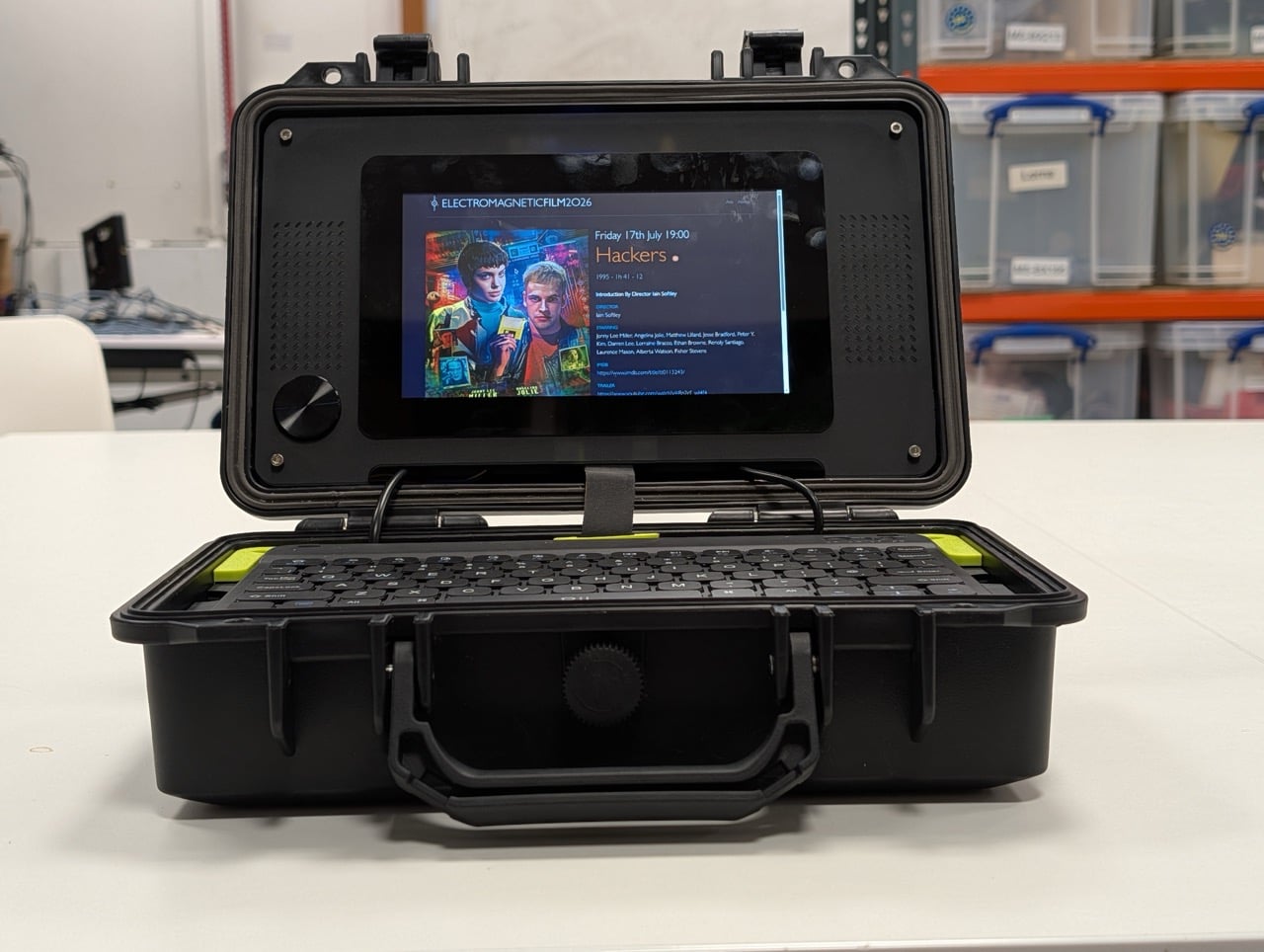
Raspberry Pi has published an official guide to building a homemade cyberdeck, a custom-built portable personal computer that has become increasingly popular among DIY enthusiasts.
The company says cyberdecks can take many forms, from wearable and pocket-sized computers to custom machines built for specific tasks. The design possibilities are wide open, with previous projects using everything from briefcases and wooden boxes to old pocket computers and even mint tins.
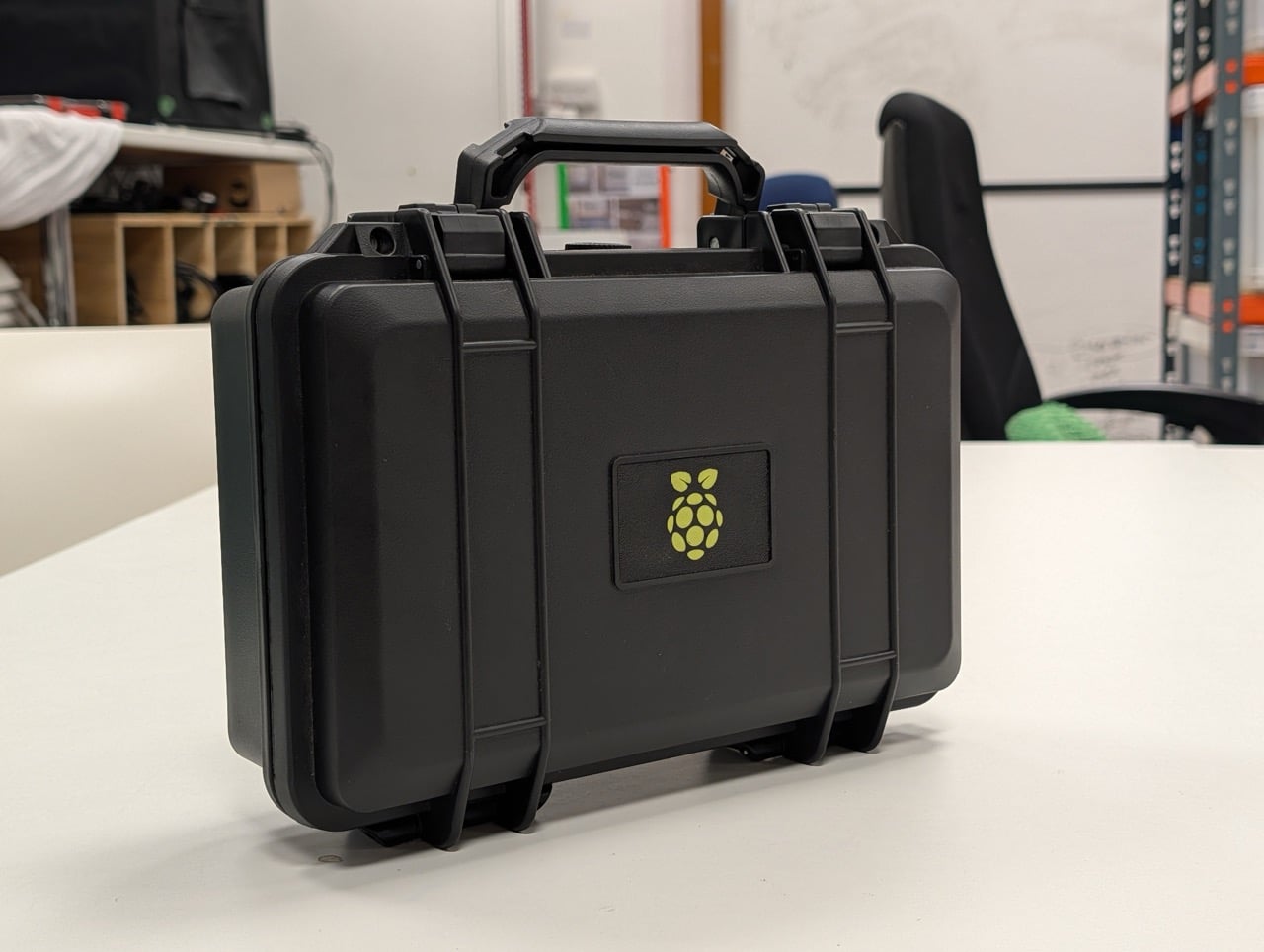
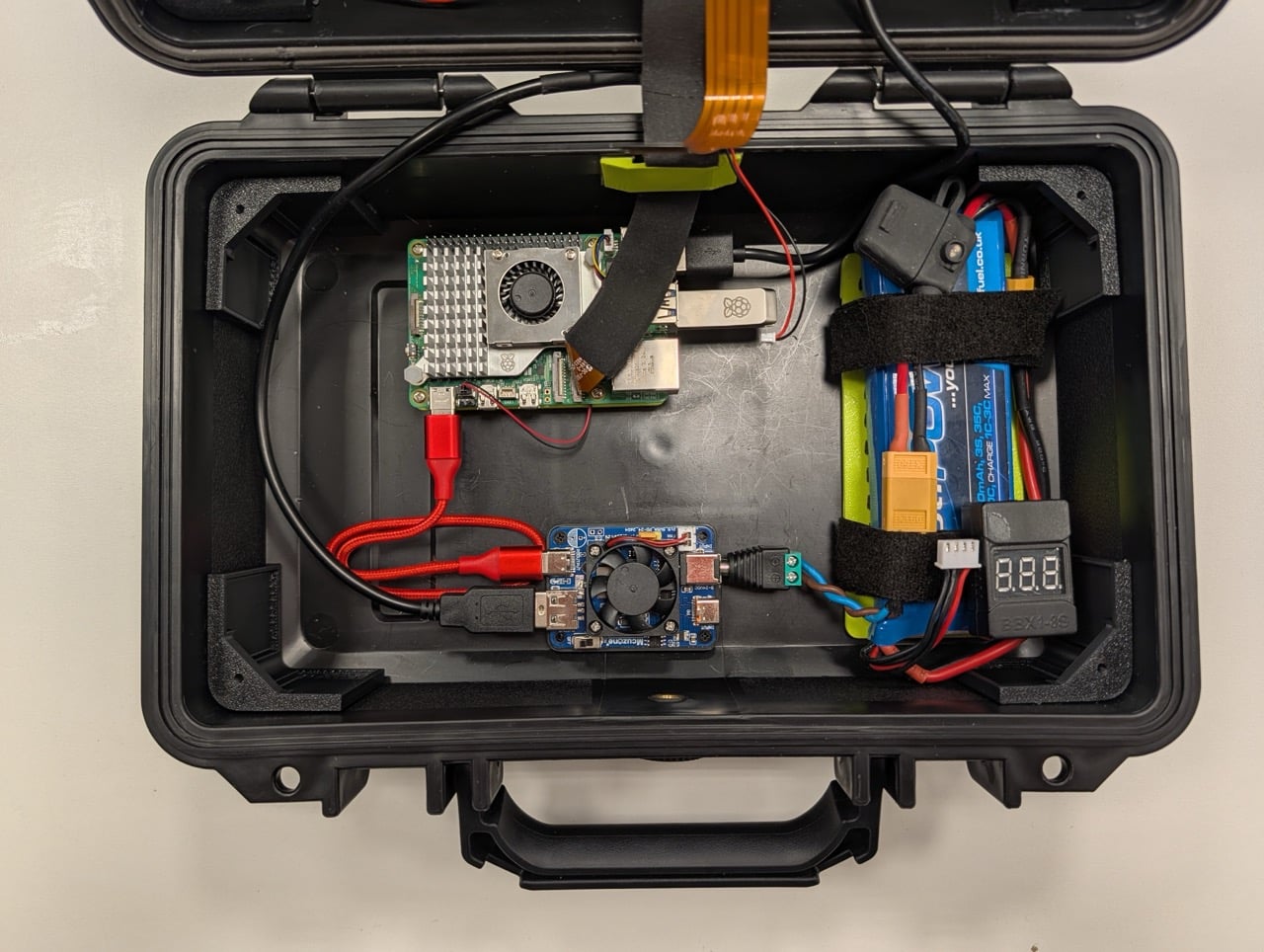
For its own example, Raspberry Pi chose a rugged Pelican-style case because it is weatherproof, durable and easy to carry. The company packed it with a Raspberry Pi 5, a 7-inch Raspberry Pi Touch Display 2, a Bluetooth keyboard, speakers, a USB audio system and a battery. The build also includes a 128GB Raspberry Pi flash drive and an RTC battery to keep the system's clock running when it is switched off.
The company says there are four main parts to any cyberdeck: the computer itself, peripherals, a power system and a case. Raspberry Pi recommends using an SBC because it consumes less power than a conventional PC platform, while storage can range from an SD card or USB drive to an M.2 NVMe SSD.
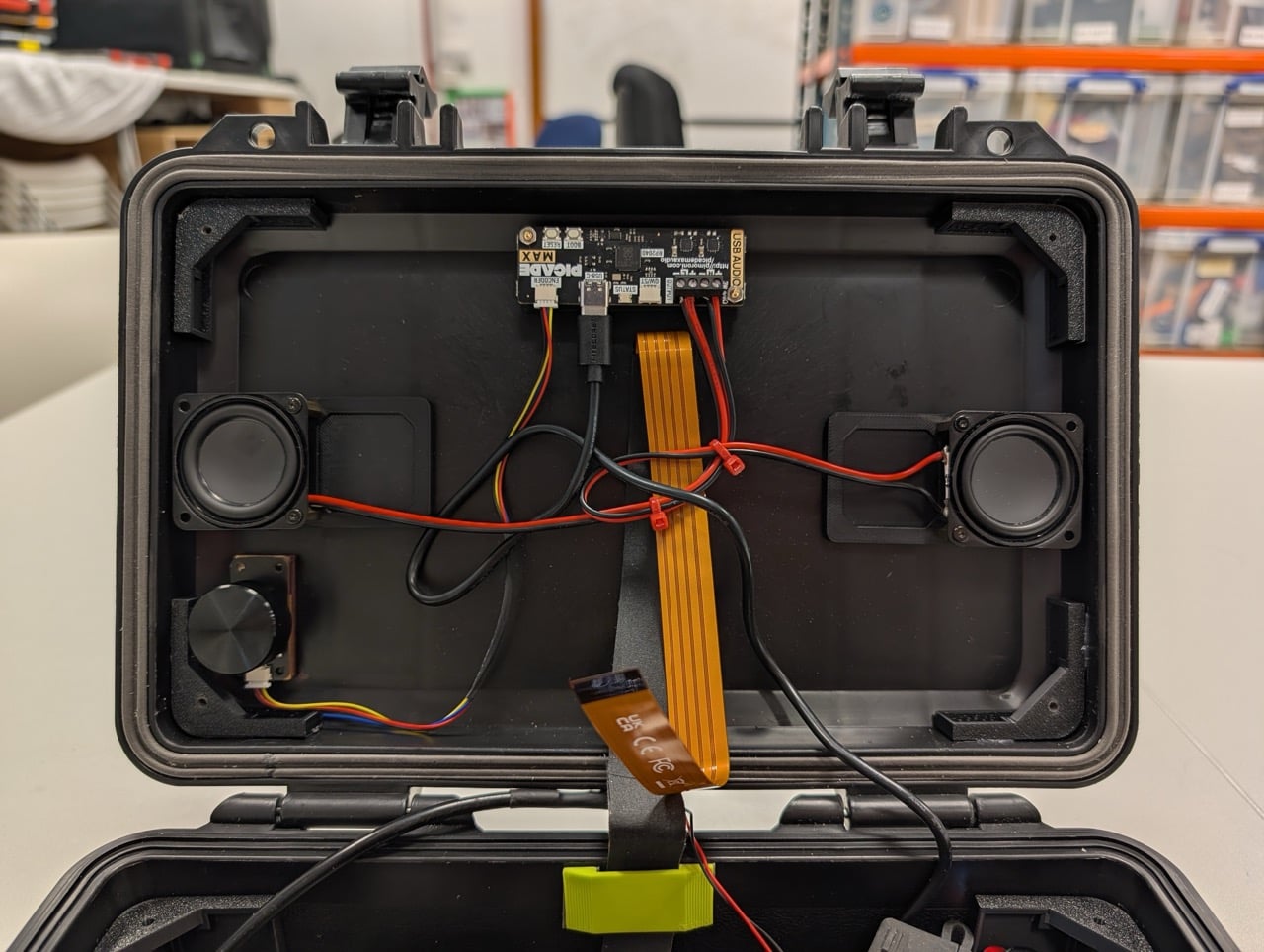
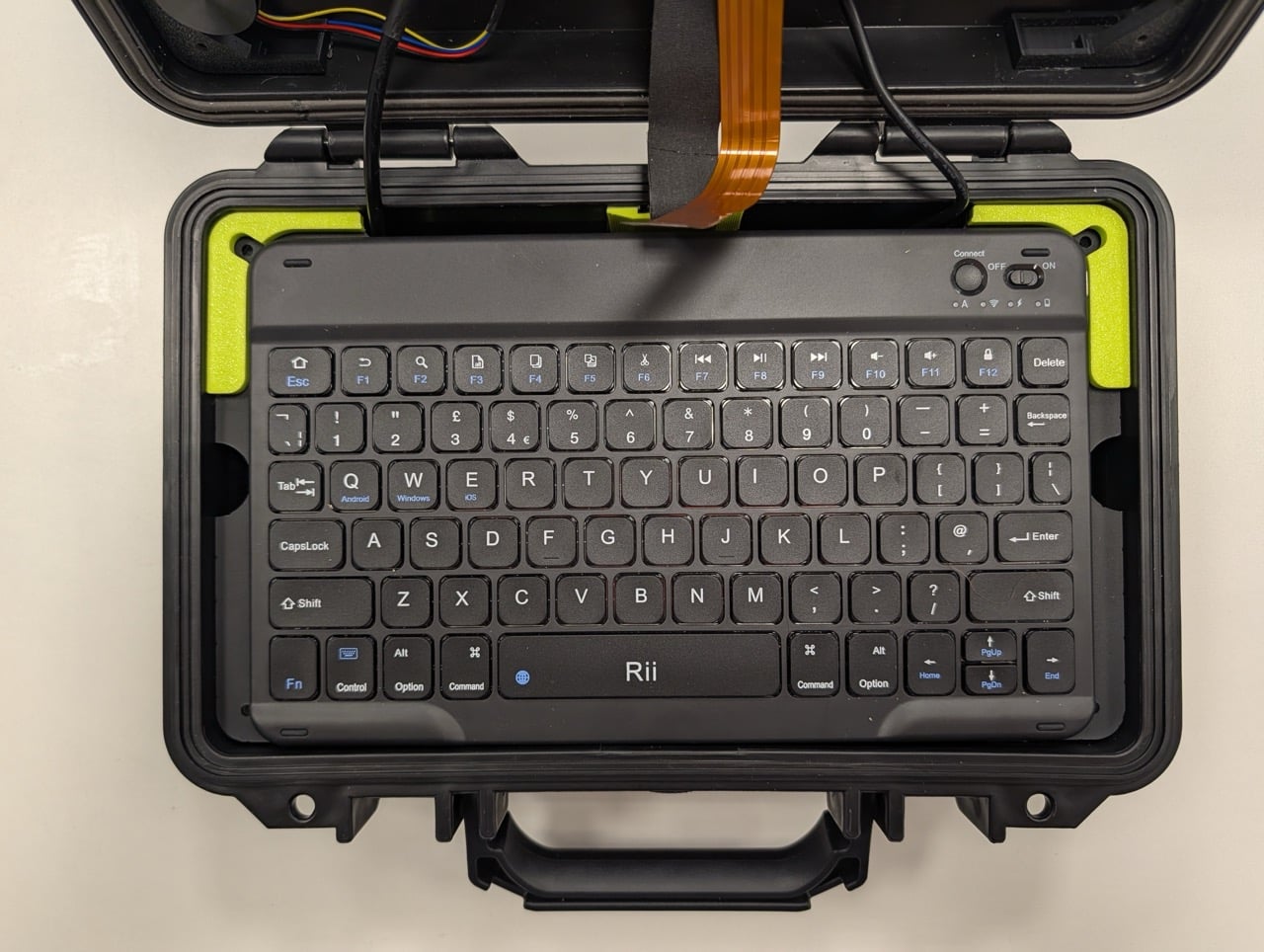
The official build is fairly straightforward, but Raspberry Pi encourages users to customize it. Additional displays, LEDs, sensors, switches, software-defined radios and even a Raspberry Pi Pico can be added to create a system tailored to a particular task. Power is another important consideration. Raspberry Pi notes that the Raspberry Pi 5 can require up to 25W when its USB ports are fully loaded, while the Touch Display 2 consumes around 3W at full brightness. The company recommends calculating the total power requirements of all components before choosing a power source.
Building the device does require some hands-on work. Raspberry Pi recommends first testing all the components and using cardboard to work out the internal layout before creating more permanent supports with 3D printing, laser cutting or other materials. Some soldering may also be required.
The company says it has seen cyberdecks become increasingly popular among the maker community. The trend has also spread across social media, where homemade portable computers have attracted considerable attention. Raspberry Pi's guide provides a starting point, while the final design can be as simple or elaborate as the builder wants. The complete guide is featured in Raspberry Pi Official Magazine #168 and is available to read online for free.
Source(s)
 Add as a preferred source on Google


