




Laptop prices climb as RAM becomes a major cost driver
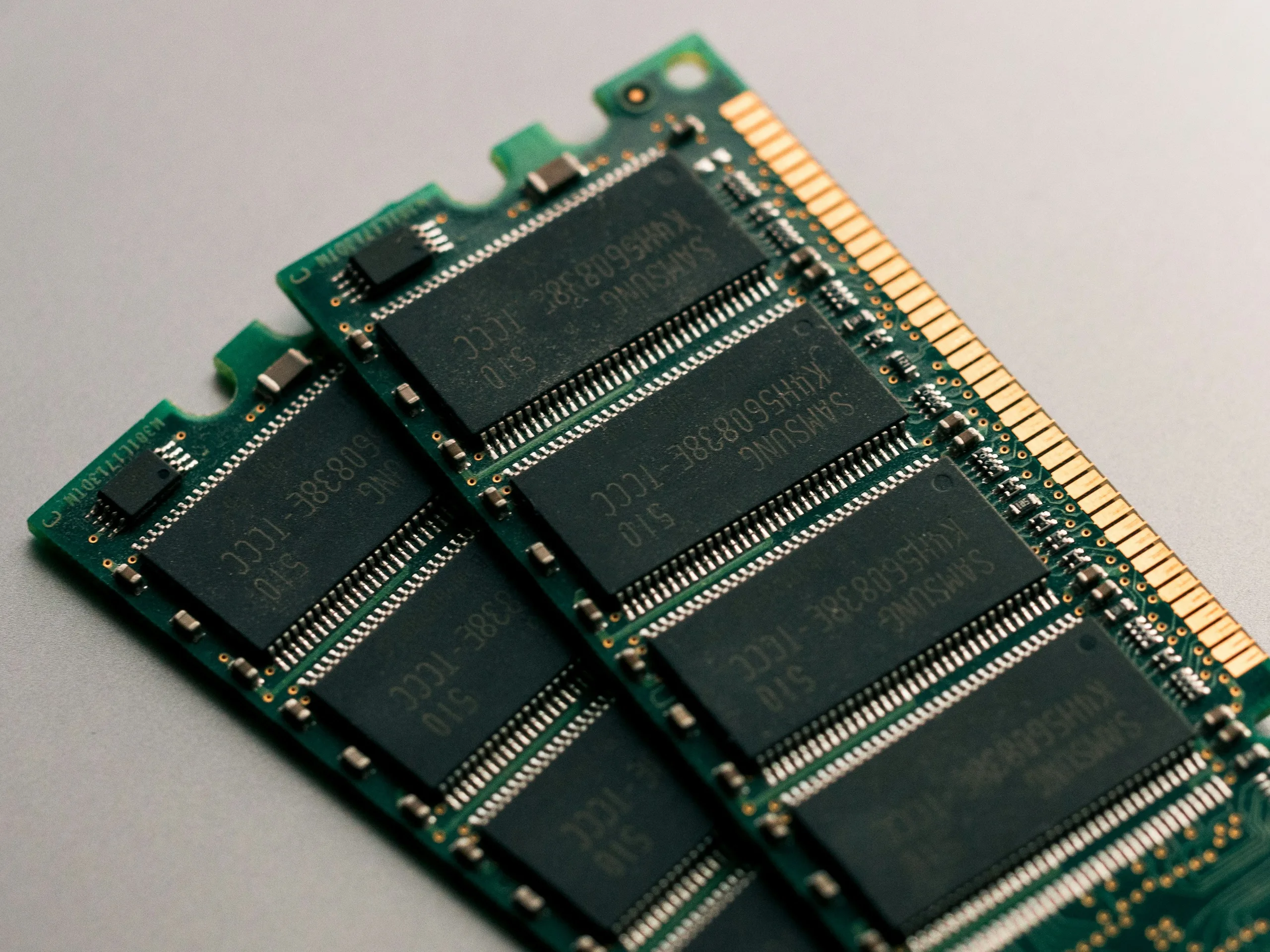
RAMageddon has spread from bare DIY memory kits to the prices of complete notebooks, with the cheapest 32 GB DDR5 kit hitting around $439 on June 15, up from around $375 just under two weeks earlier. Last year, the same kit cost just $80 to $120, a whopping three- to fourfold jump. Memory is now the most volatile line item in a laptop, and the shortage has gone from a problem only for PC builders to one that affects everyone.
The culprit behind this massive price hike is simple: AI data centers. They're consuming an ever larger share of global memory output, supported by roughly $650 billion in 2026 AI capex from four U.S. giants. The three main suppliers, Samsung, SK Hynix, and Micron, are redirecting wafers from commodity DDR5 to higher-margin HBM. And there's a structural detail that sets this apart from past memory shortages: 1 GB of HBM eats up roughly three to four times the wafer area of standard DRAM, so every AI-focused wafer is one taken away from PC memory.
Consumers feel this directly in laptop prices, too. HP told investors that memory now makes up about 35 percent of a PC's component cost, up from 15 to 18 percent just two quarters earlier. Other brands, such as Dell, Lenovo, Acer, and ASUS, have raised prices by 15 to 30 percent, meaning midrange laptops that used to cost $900 could climb past $1,200. There's also another side to this ongoing shortage: 8 GB notebooks, which once seemed to be going extinct, are now making a comeback, replacing the 16 GB standard.
The analyst consensus is that there will be no meaningful relief before late 2027, possibly stretching into 2028, as new fabs won't reach volume production until then. Gartner estimates a combined DRAM and SSD price surge of upward of 130 percent by year-end, with PC prices rising by an average of 17 percent and shipments falling by 10.4 percent.
At the end of the day, anyone planning an upgrade faces a decision that comes down to need. If a machine needs more memory or storage now, it is worth buying today; waiting for 2025 prices means betting against suppliers whose capacity is booked solid, and it risks further increases. Only a discretionary upgrade justifies holding off, given the slight softening that may occur as buyers balk.
Source(s)
MindCron (in English) & Insight (in English) & TrendForce (in English)
 Add as a preferred source on Google


