




Qualcomm intros Snapdragon 8 Elite Extreme Gen 6 and Snapdragon 8 Elite Gen 6: World's first 2 nm chips that break the 5 GHz barrier

It's Snapdragon Summit time and once again, Qualcomm is back with two flagship SoCs. While last year saw the launch of the Snapdragon 8 Elite Gen 5 and the Snapdragon 8 Gen 5, Qualcomm's top tier now has two Snapdragon 8 Elite chips — the Snapdragon 8 Elite Extreme Gen 6 and the Snapdragon 8 Elite Gen 6 — built on an advanced 2 nm process.
Breaking the 5 GHz barrier for the first time
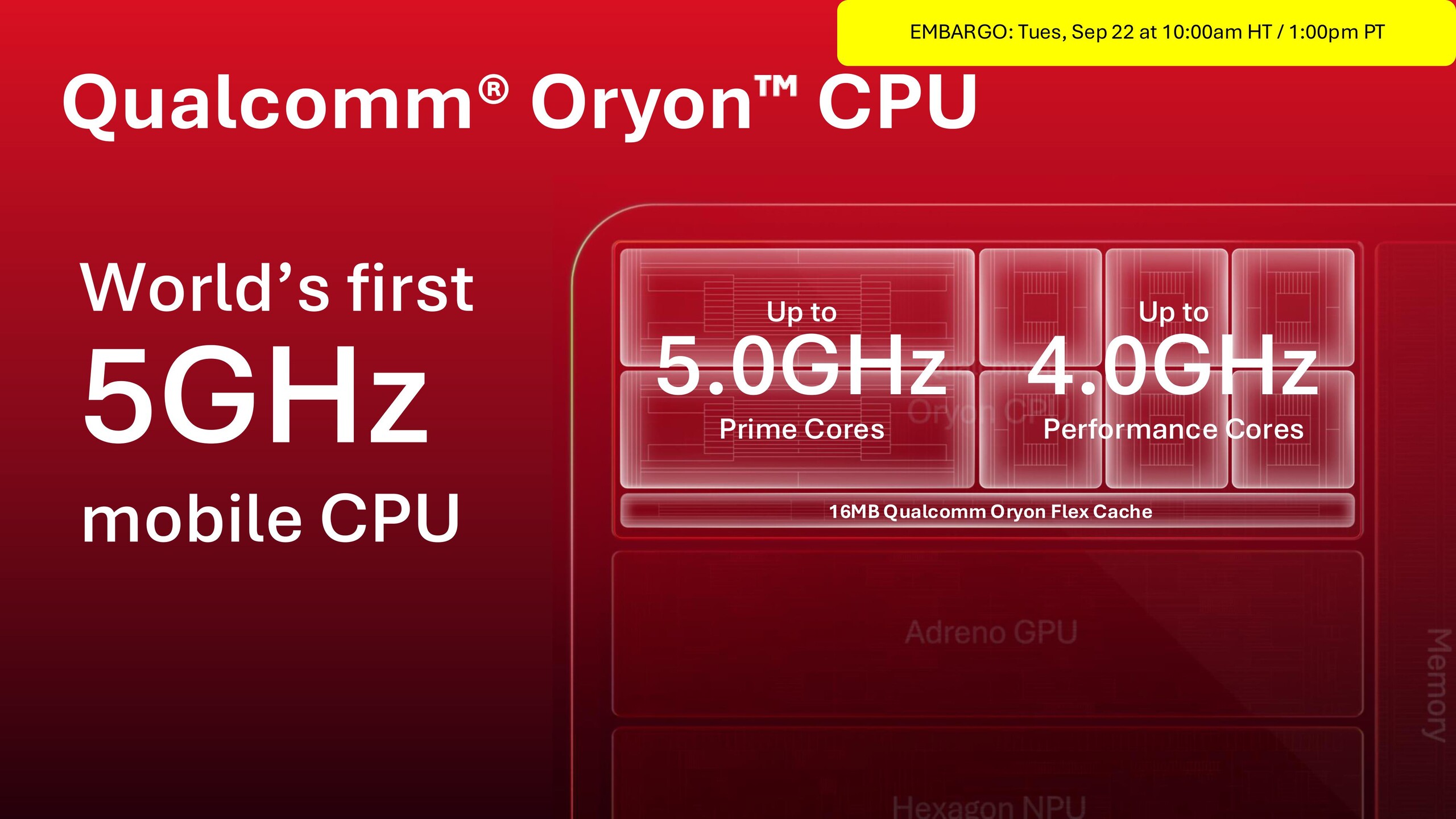
In both the Snapdragon 8 Elite Extreme Gen 6 and the 8 Elite Gen 6, the Oryon CPU cluster features two Prime cores clocked at up to 5.0 GHz alongside six Performance cores running up to 4.0 GHz, backed by a 16 MB Oryon Flex Cache. Qualcomm says this is the world’s first mobile CPU to reach the 5 GHz threshold.
According to the company, the 8 Elite Extreme Gen 6 posts a 13% uplift in raw CPU performance while cutting CPU power consumption by 37% compared to the 8 Elite Gen 5. The standard 8 Elite Gen 6 shares the same 2 nm architecture, custom Oryon CPU design, and 5.0 GHz peak capabilities, and this will be SoC making up the bulk of top-tier offerings from various OEMs.
The new SoCs support LP-DDR5x/6-5300 memory up to 24 GB and UFS 5.0 storage.
Adreno with Neural Fusion
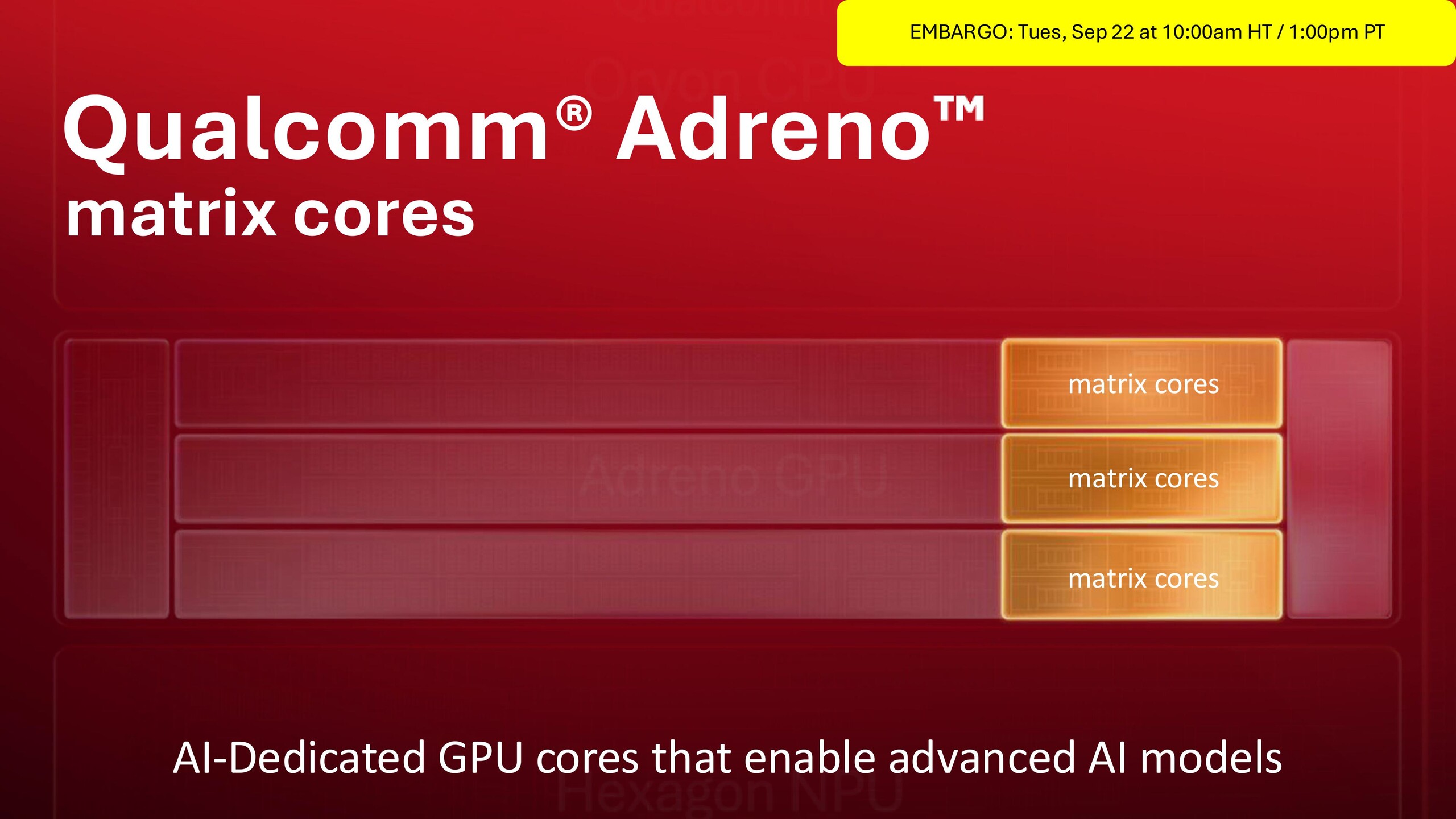
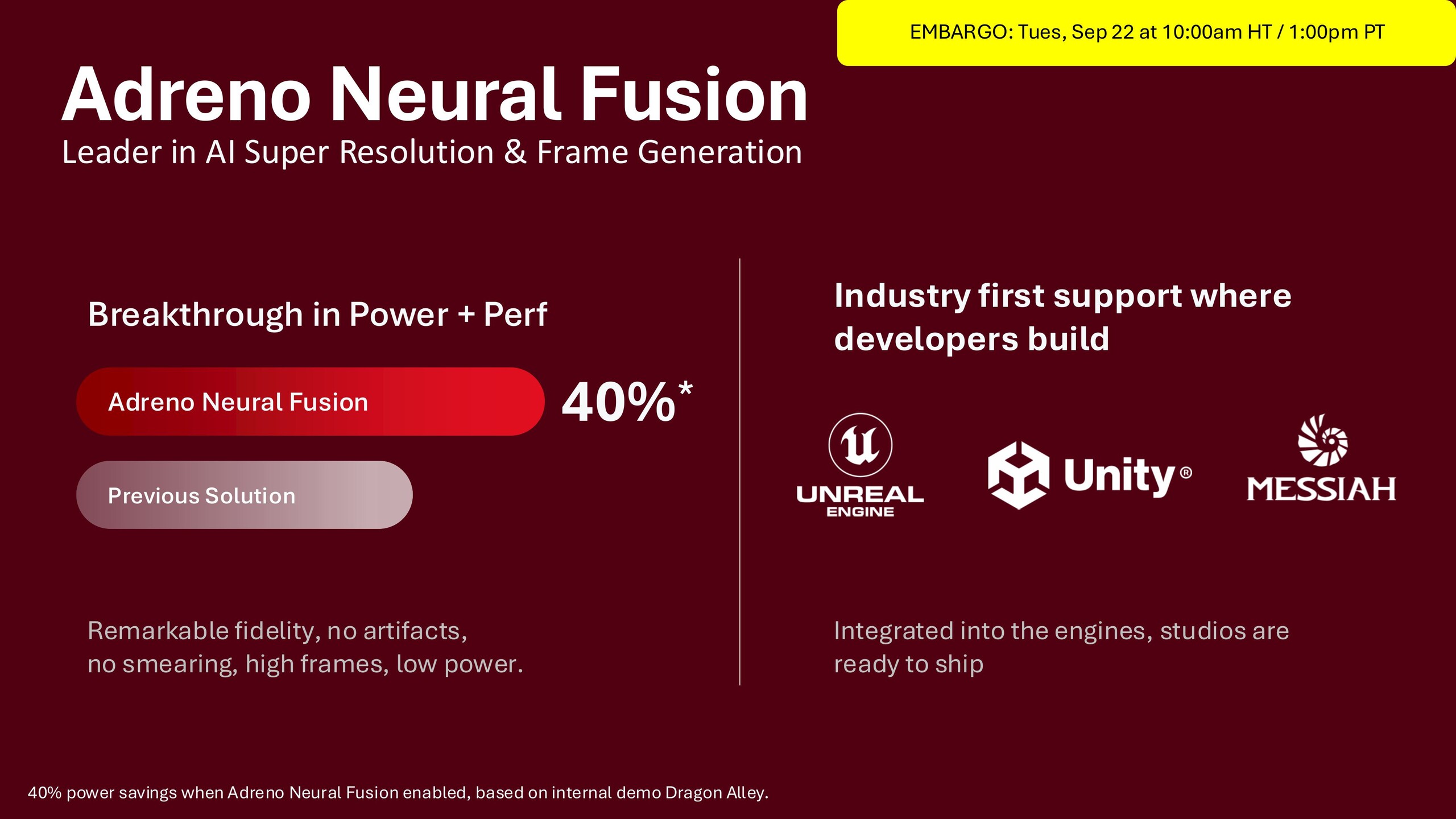
Like the Apple A19 Pro and now the A20 Pro, Qualcomm’s Adreno GPU now integrates dedicated AI matrix cores capable of handling machine learning workloads alongside traditional rasterization. Tied directly into these matrix cores is Adreno Neural Fusion, Qualcomm’s proprietary answer to AI-driven super resolution and frame generation.
Qualcomm claims Neural Fusion delivers high frame rates without visual artifacts or smearing while reducing rendering power draws by up to 40% based on an internal Dragon Alley demo.
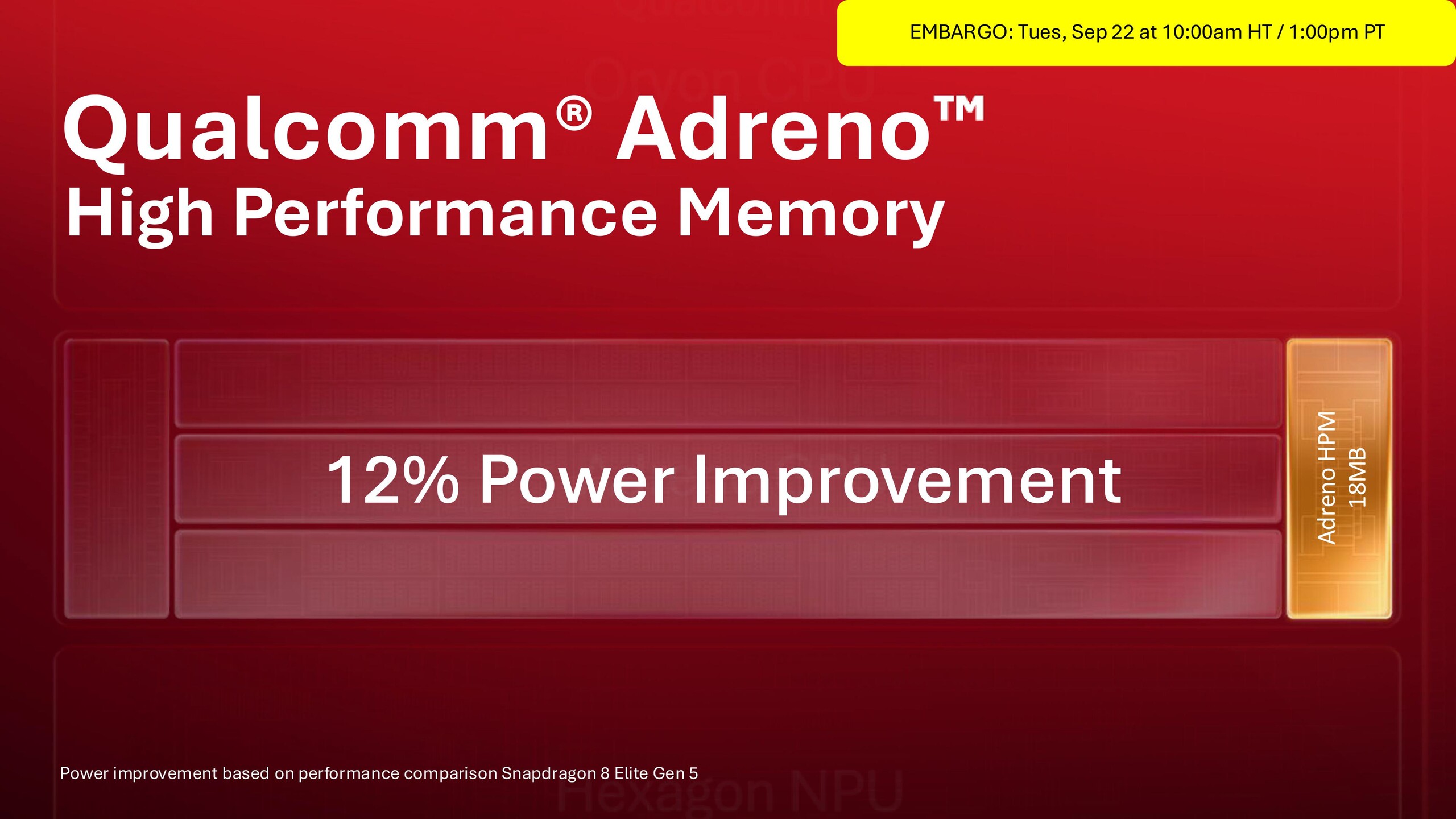
Overall, the GPU on the Extreme variant yields 44% higher graphics performance and 40% better power efficiency compared to the one in the 8 Elite Gen 5, aided by 18 MB of dedicated Adreno High Performance Memory (HPM).
Engine-level integration is already in place for Unreal Engine (including support for Lumen Global Illumination, MegaLights, and Nanite Virtualized Geometry), Unity, and NetEase's Messiah engine. Major mobile titles slated to support the platform’s graphics pipeline include Honkai: Star Rail, Monster Hunter Outlanders, Neverness to Everness, and more.
AI, Imaging, and Connectivity
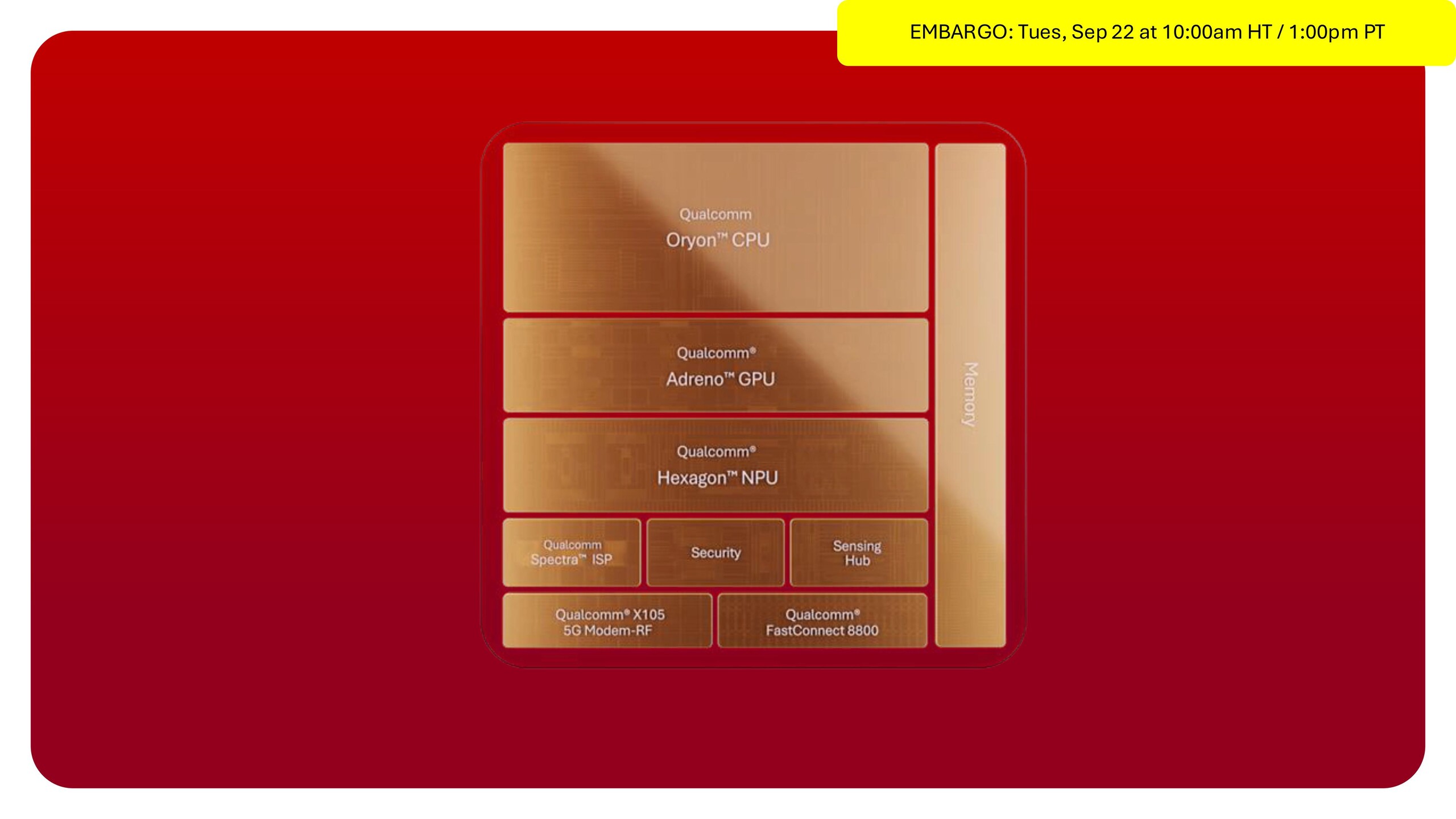
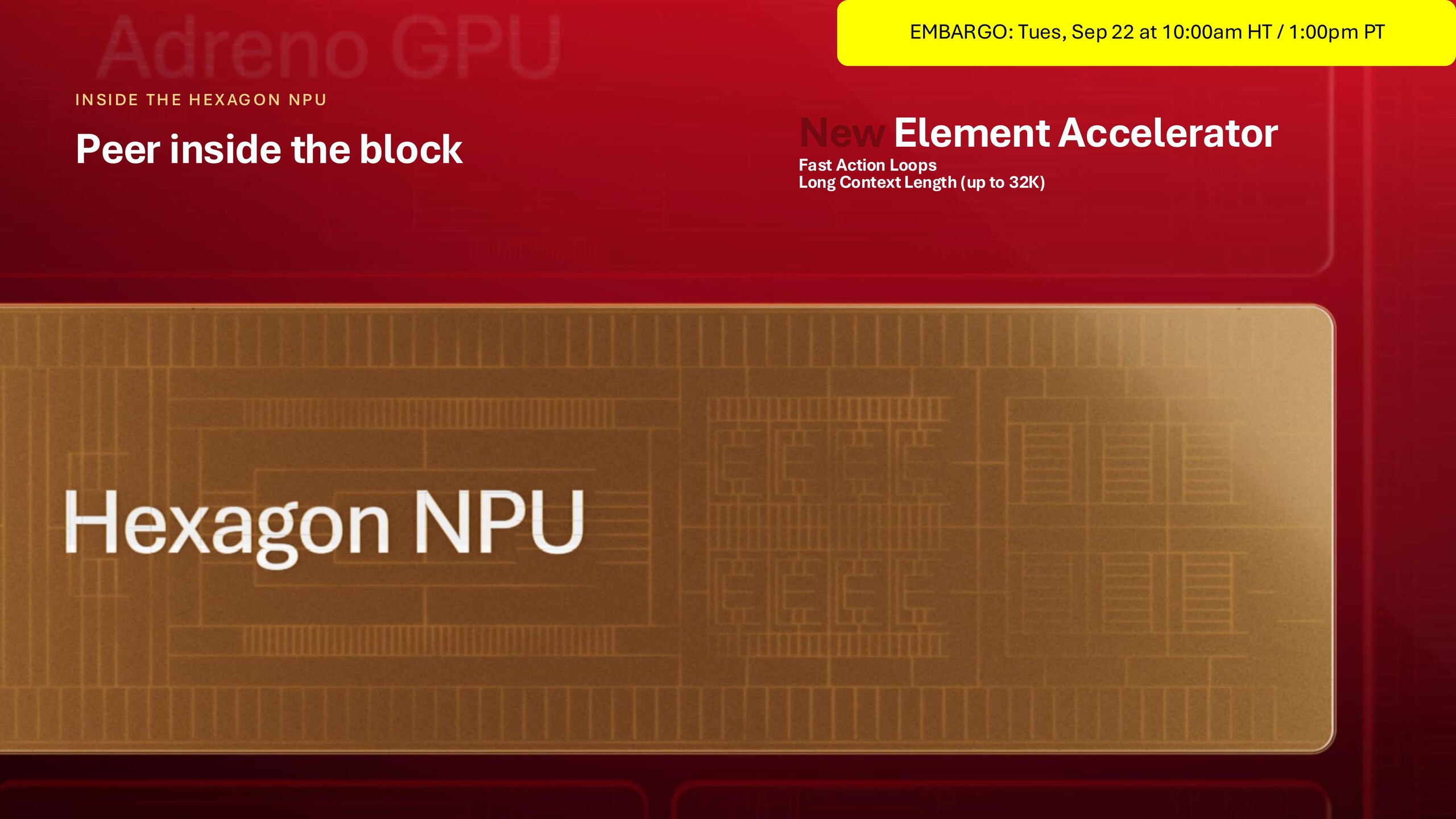
The reengineered Qualcomm Hexagon NPU delivers a 35% jump in performance and a 33% improvement in power efficiency over its predecessor. It incorporates a new Element Accelerator, micro-tile inferencing, and a 50% increase in shared memory.
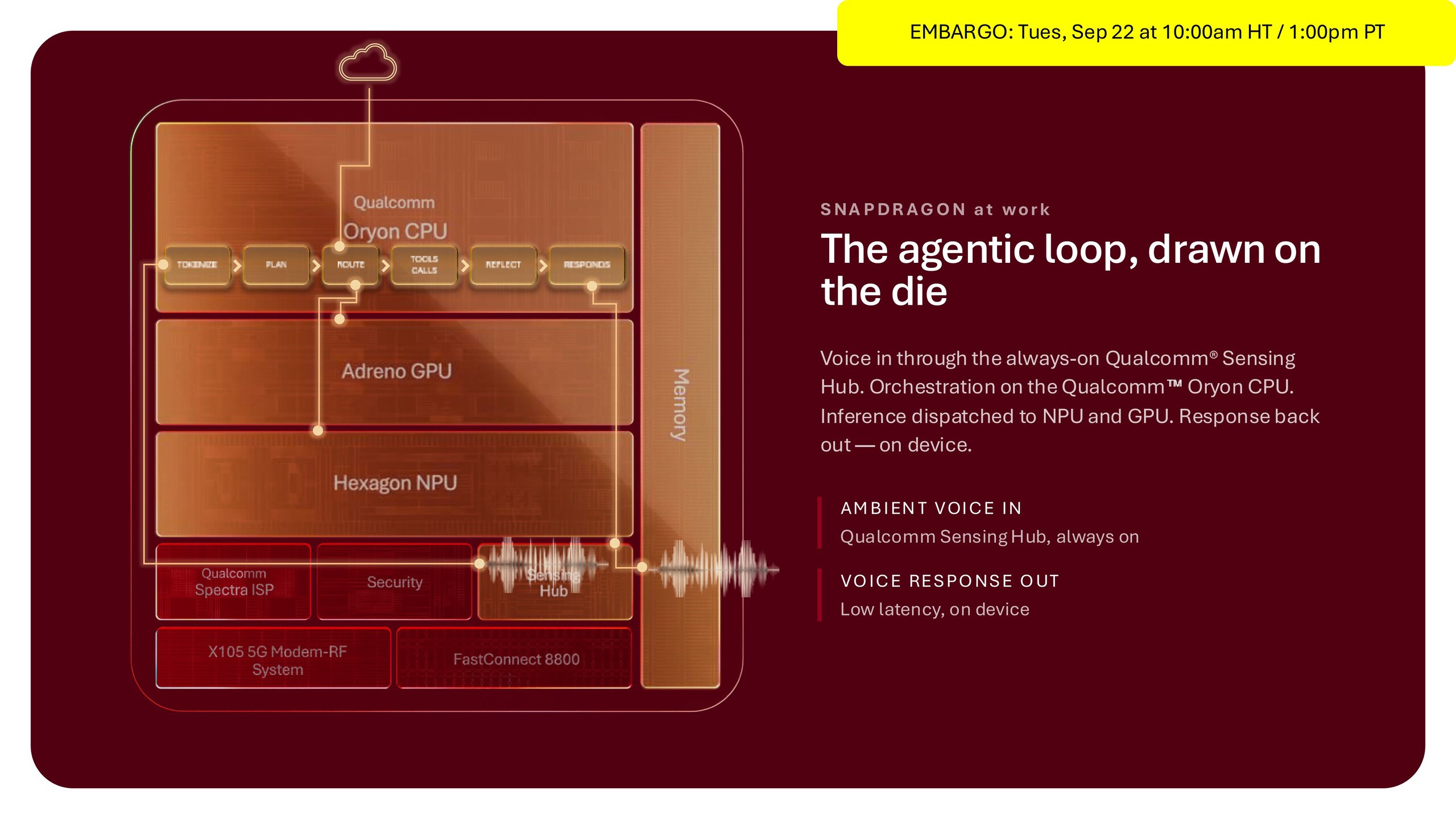
Notably, the Extreme tier can run Mixture of Experts (MoE) models exceeding 30 billion parameters directly on device with support for up to 32K context windows. The NPU supports INT2, INT4, INT8, INT16, FP8, and FP16 precisions including mixed precisions.
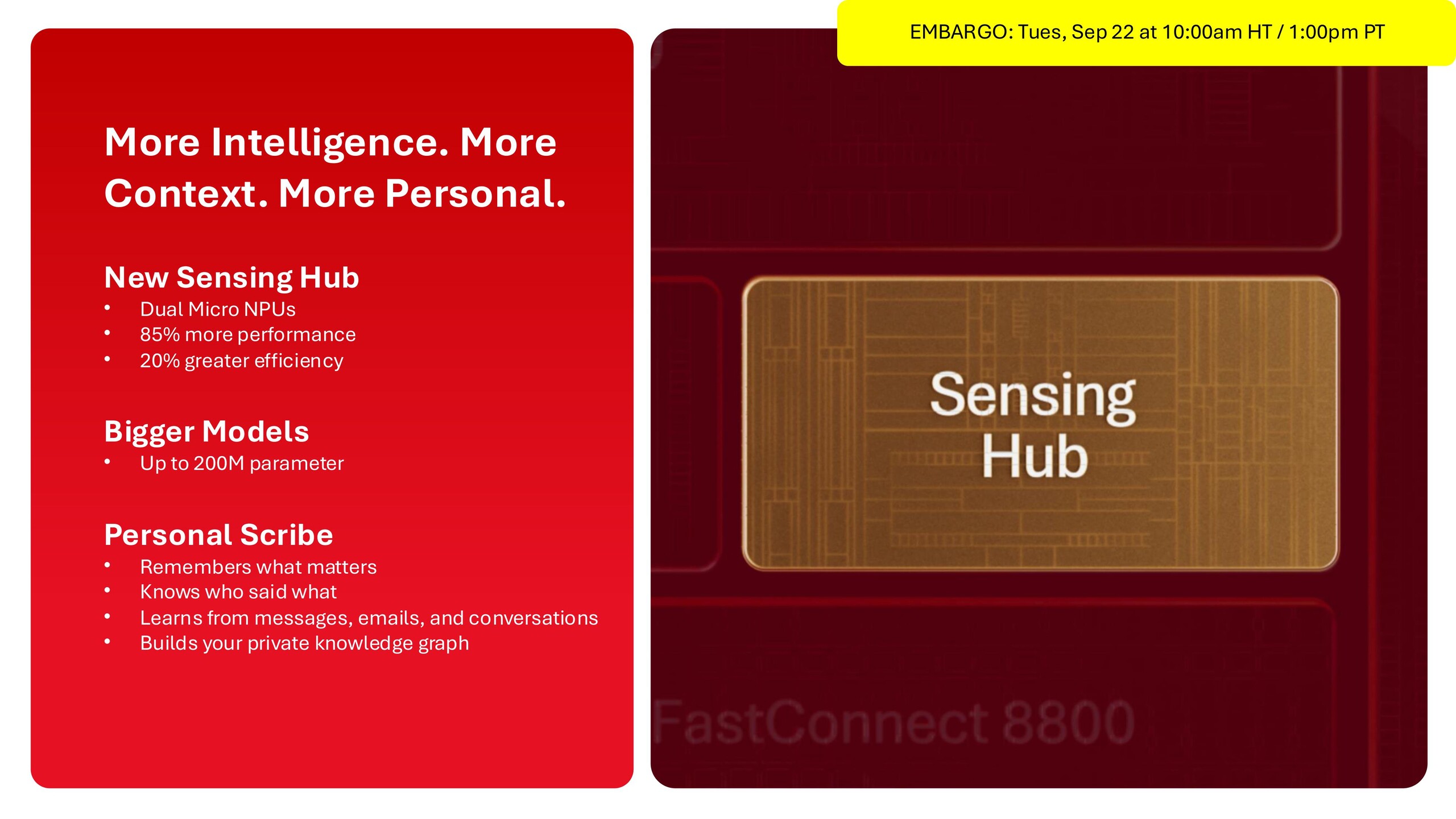
Complementing the new Hexagon NPU is an overhauled Qualcomm Sensing Hub featuring dual micro-NPUs (delivering an 85% boost in compute and 20% better efficiency) and dual always-sensing ISPs. This hub, which supports up to 200M parameter models, powers Personal Scribe, an on-device utility that ingests messages, emails, and conversations to assemble a private local knowledge graph.
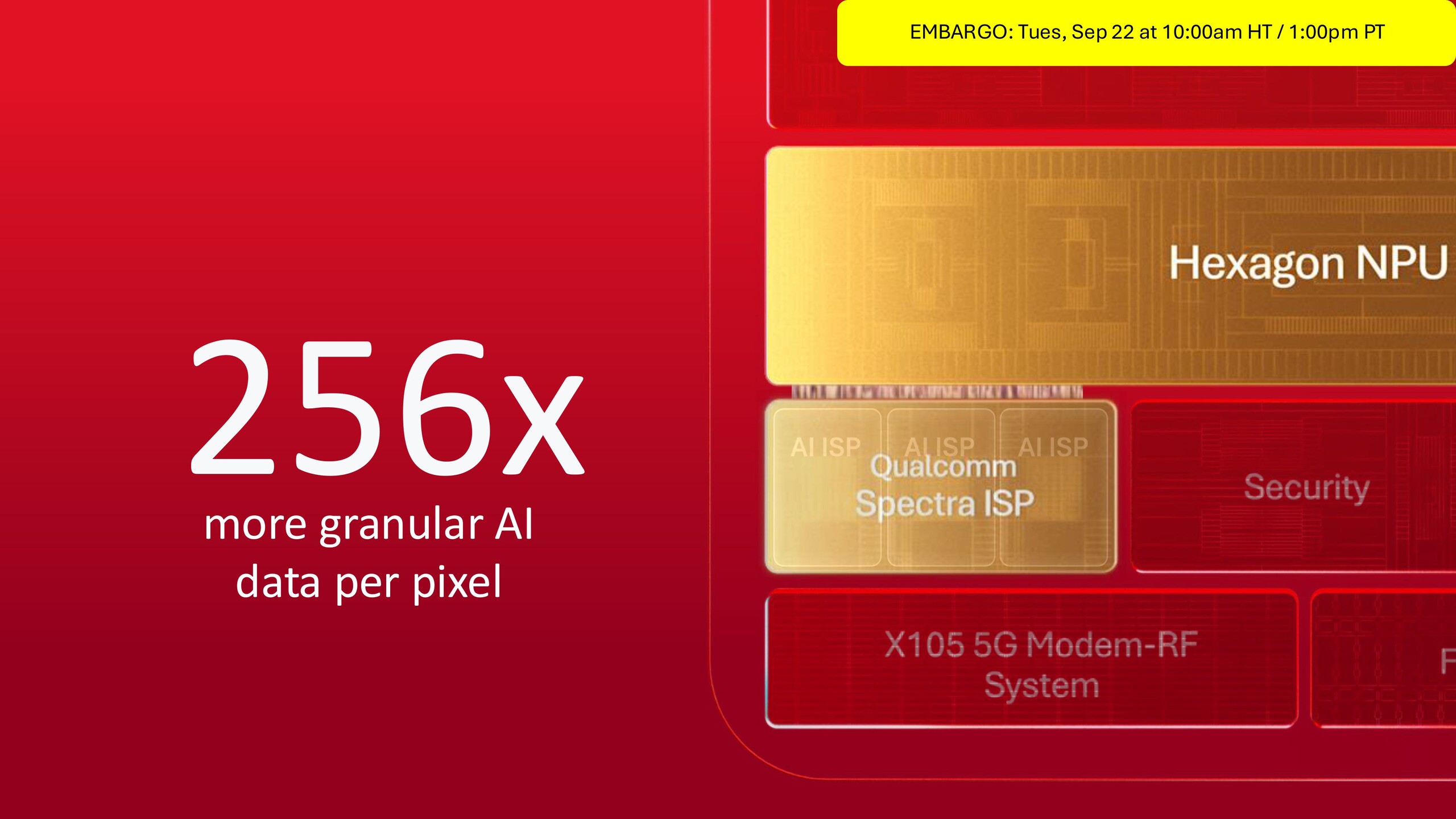
On the imaging side, we have a new triple 20-bit Spectra AI-ISP that Qualcomm says is capable of crunching 256x more granular AI data per pixel (up to 16 bits of AI data per pixel).
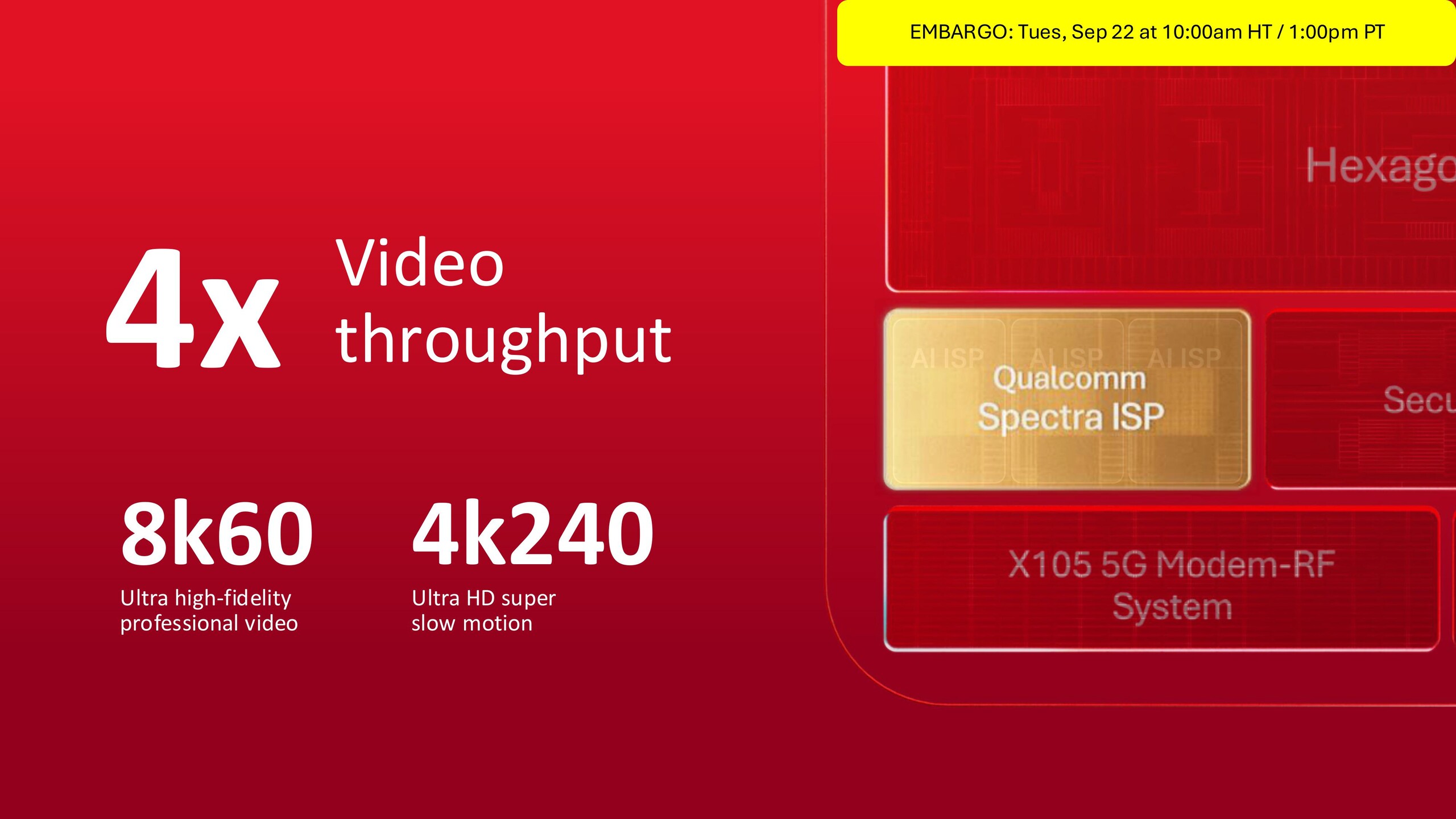
The Extreme tier expands mobile video capture to 8K at 60 fps and super slow-motion 4K at 240 fps. For mobile filmmakers, Qualcomm has integrated native hardware support for the Advanced Professional Video (APV) codec, alongside the Elite Color Engine with real-time 3D LUT support and hardware decoding for Versatile Video Coding (VVC/H.266).
Connectivity gets a future-proofing overhaul via the Qualcomm X105 5G Modem-RF system. As an early 3GPP Release 19-ready design, the X105 modem tops out at theoretical download speeds of up to 14.8 Gbps and uplinks of 4.2 Gbps.
The Snapdragon 8 Elite Extreme Gen 6 and 8 Elite Gen 6 offer 6-antenna support for smartphones along with integrated quad-band (L1, L2, L5, and L6) GNSS, and built-in satellite communication supporting both NB-NTN for messaging and high-bandwidth NR-NTN for voice, data, and video.
Local networking is handled by Qualcomm FastConnect 8800, which delivers peak speeds up to 11.6 Gbps. Qualcomm touts it as the first mobile connectivity system to achieve a 4x4 Wi-Fi configuration with hardware ready for future Wi-Fi 8 (802.11bn) standards, alongside support for Bluetooth 6.0 with High Data Throughput (HDT), Ultra-Wideband (UWB), and Thread.



Snapdragon 8 Elite Extreme Gen 6 vs. 8 Elite Gen 6
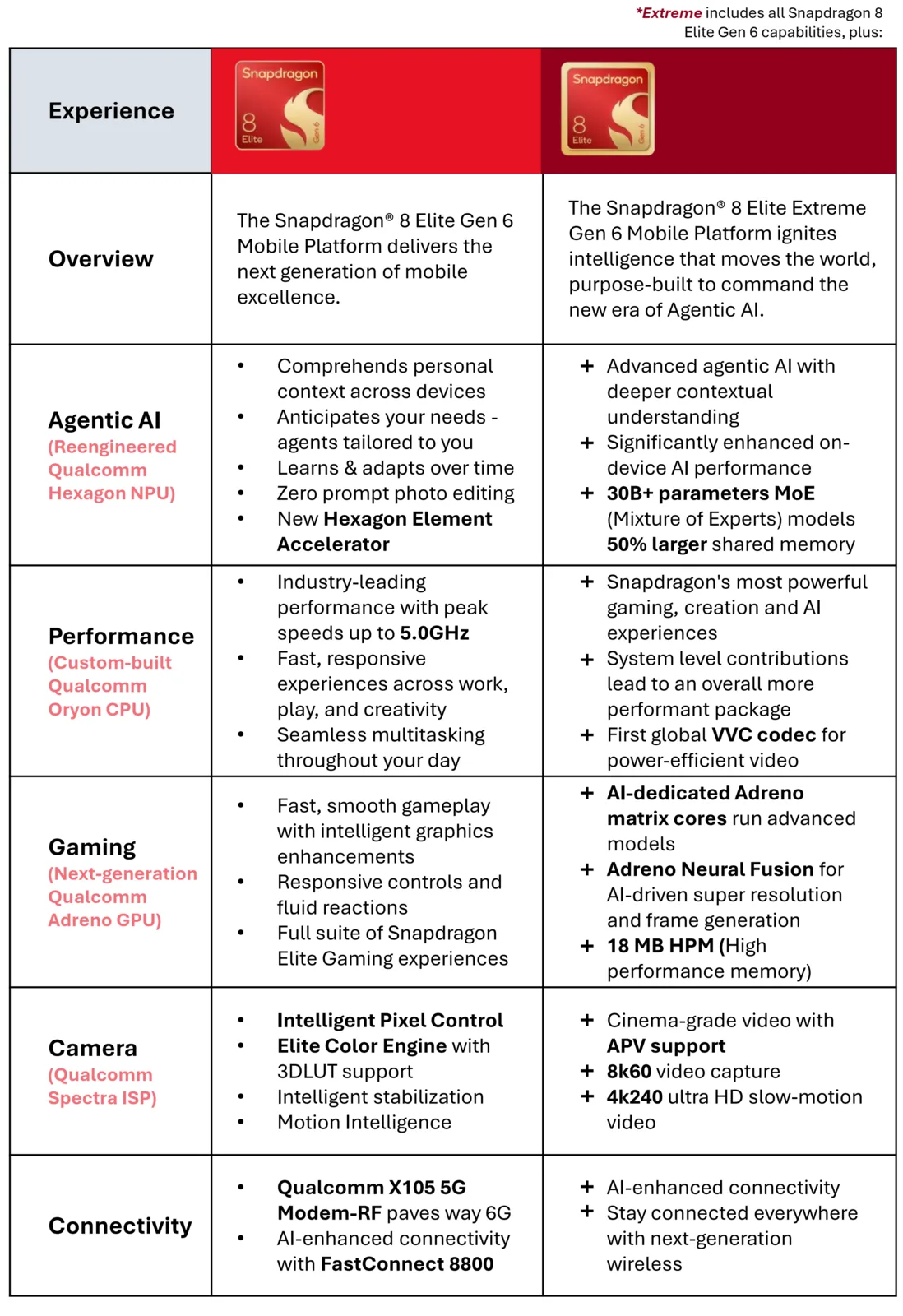
While both processors share the same 2 nm foundation, Oryon CPU architecture, and baseline AI engine, Qualcomm has carved out several distinctions for the Extreme variant:
- AI capabilities: Both chipsets run local agentic tasks, but the 8 Elite Extreme Gen 6 is equipped with a 50% larger shared NPU memory footprint to host massive 30B+ parameter MoE models and long-context documents.
- Gaming: The Extreme variant exclusively features 18 MB of dedicated Adreno High-Performance Memory and the full hardware implementation of Adreno Matrix Cores to run advanced AI models and Neural Fusion for super resolution, and frame generation.
- Video capture: While both chips feature intelligent pixel control and 3D LUT support, 8K60 capture, 4K240 slow-motion video, and native APV recording are reserved for the Extreme tier.
Qualcomm confirmed that devices powered by both the Snapdragon 8 Elite Extreme Gen 6 and Snapdragon 8 Elite Gen 6 will begin launching globally from key smartphone manufacturers in the coming weeks.

Source(s)
Qualcomm Keynote
 Add as a preferred source on Google


