




Pure PLA: Why food-safe 3D printing is much more complex than it sounds
3D printers can be used with a wide range of filaments, which can meet different requirements for properties such as rigidity or appearance. With Pure PLA, Bambu Lab is offering a new filament in China that is intended to meet higher safety requirements and consists of only five ingredients. Bambu Lab Pure PLA is made from PLA, acrylic copolymers, pigments without more detailed specification, ethylene bis (stearamide) and asbestos-free talc.
According to the manufacturer, it meets the requirements of the Greenguard guideline. This is mainly about volatile organic pollutants that should not end up in indoor air. Compliance with EN 71-3 is also advertised, as is conformity with Regulation (EU) No. 10/2011. Regulation (EU) No. 10/2011 is of major importance when it comes to food contact use. Objects that come into contact with food must not release substances that pose a risk to consumer health. This is tested through migration tests.
Bambu Lab carried out this test on printed models, not just on the raw filament. That is relevant because the printing process could, although not necessarily with a very high probability, create reaction products that may themselves be problematic. Migration into aqueous, oily and acidic matrices was simulated. Even so, Bambu Lab provides clear safety guidelines and thereby defines the intended use: such prints should only be exposed to temperatures between 0 and 60°C and should not come into contact with acidic, alkaline or organic solutions. Immersion in liquid foods should be avoided, as should contact with fatty foods. As a result, rice, for example, could likely be stored, but nuts could not.
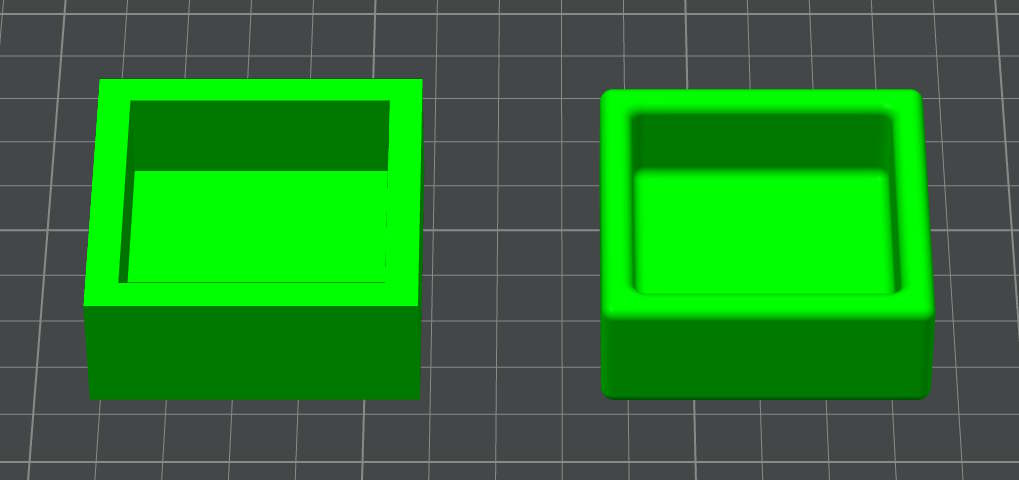
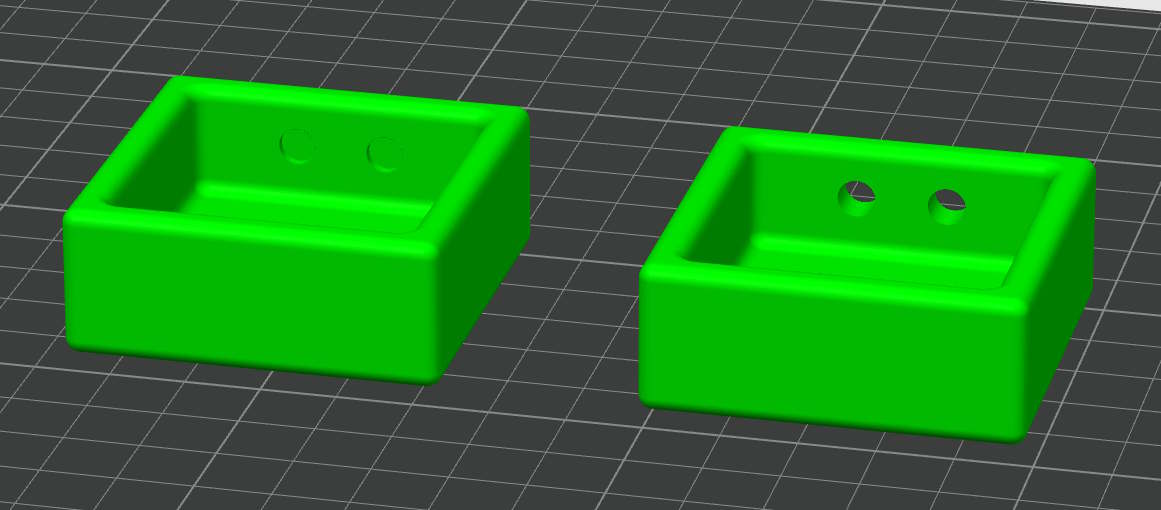
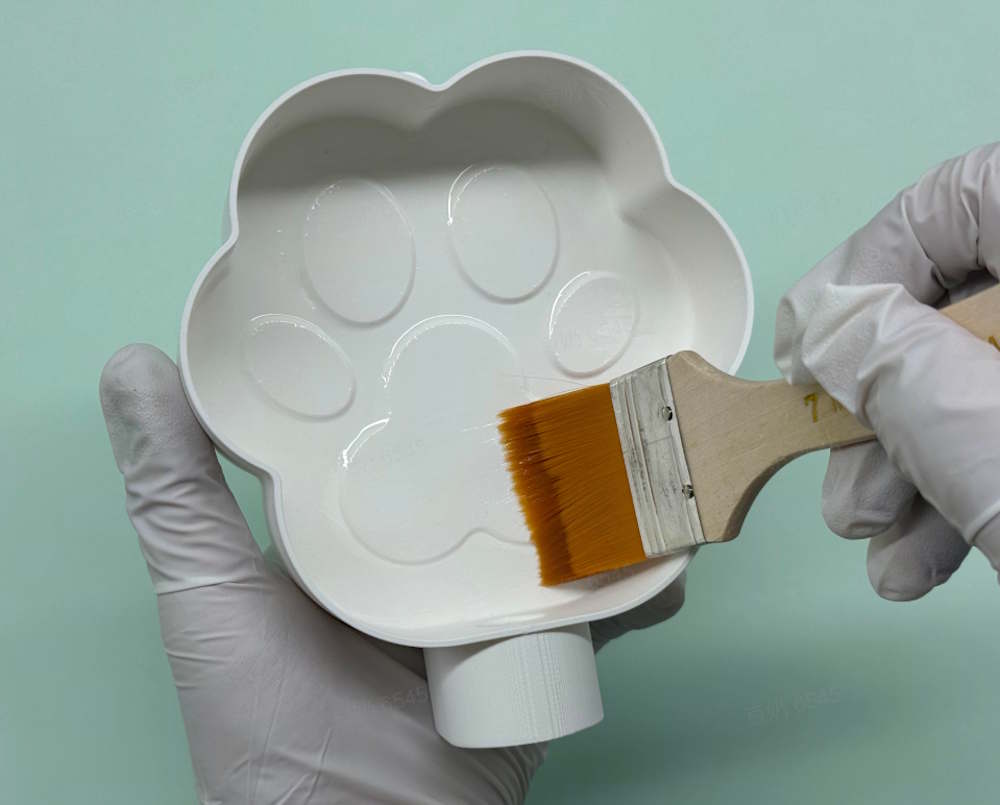
On a very detailed page, Bambu Lab provides not only information on safety regarding the migration of harmful substances but also recommendations aimed more at microbiological safety. When creating models, care should already be taken to avoid cavities that are difficult to clean. Sealing with suitable materials is recommended, since certain ridges can hardly be avoided in 3D printing. Whether it would then make more sense to use a food-safe resin for post-processing and forgo the use of food-safe filament is likely to depend heavily on expected abrasion, among other factors. It is also questionable whether such a coating can be applied reliably and reproducibly and whether its barrier function will remain intact over time.
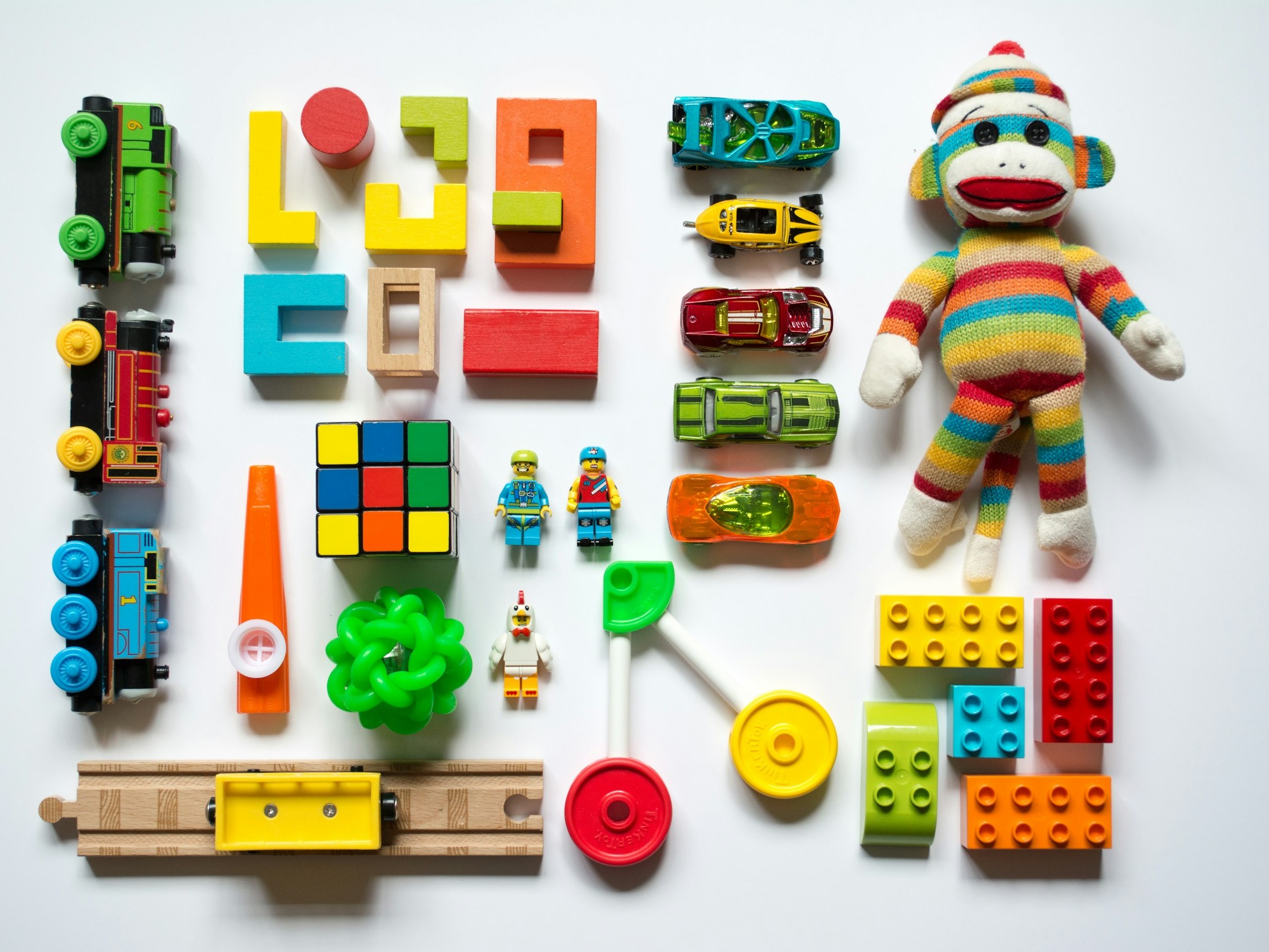
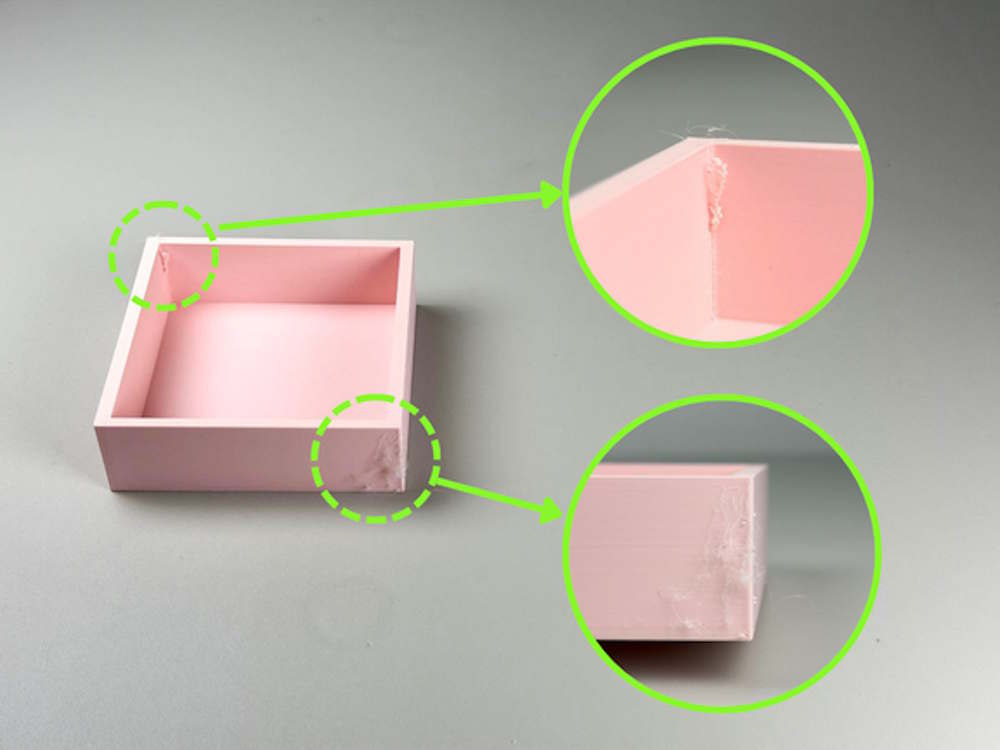
Careful deburring is always just as important for use as a toy as it is for use as a storage container. The DIN EN 71-3 conformity advertised by Bambu Lab also defines limits for the migration of substances such as cobalt, copper, lead and mercury. The testing method is also worth noting: in this case, the raw PLA was pulverized, rather than measuring a printed part. There certainly are hotends with copper, although PLA causes comparatively little wear on a hotend. Accordingly, we would very, very cautiously assume that the related risk is low. What users of such 3D printers should also keep in mind, especially in a commercial context: the finished model should of course not be swallowable by small children and should also comply with DIN EN 71-1 in this regard. Commercial providers, even small ones, can otherwise quickly run into serious problems, and very dangerous situations can arise even for private users.
Source(s)
Bambu Lab, Image: Vanessa Bucceri on Unsplash
 Add as a preferred source on Google


