




Nvidia CEO Jensen Huang backtracks on DLSS 5 criticism after gamer backlash in podcast
After Nvidia’s DLSS 5 showcase at GTC 2026, the company's CEO, Jensen Huang, dismissed gamers and critics, calling them “completely wrong” about the technology. Now, Huang has decided to comment again on the matter while softening his views after extensive backlash from the gaming community.
Jensen Huang Backtracks on DLSS 5, Says He Understands Where Gamers Are Coming From
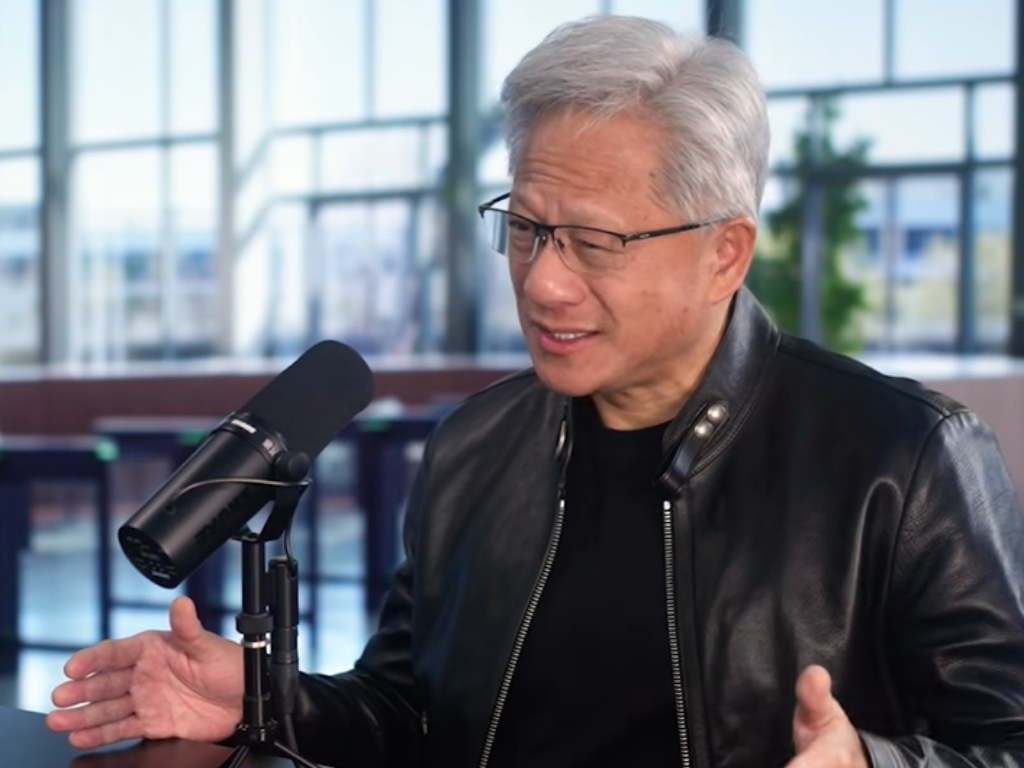
Just days after DLSS 5 was revealed, Jensen Huang sat down with Lex Fridman and backtracked on his earlier statement. On the Lex Fridman podcast, Huang said that he understands why so many gamers and developers are upset about DLSS 5.
He said, “I think their perspective makes sense, and I can see where they’re coming from because I don’t love AI slop myself.” Huang further explained, “You know, all of the AI-generated content increasingly looks similar, and it’s all beautiful, so I’m empathetic toward what they’re thinking.”
Huang still defended DLSS 5 and said that the tech isn’t merely a post-processing filter Nvidia will slap on games after they ship. Rather, he said, it will be incorporated into the game’s development process, and implementing the technology will be entirely up to artists and game developers.
Huang explained, “It’s about giving the artist the tool of AI, the tool of generative AI. They could decide not to use it.” Nvidia wants developers to use its tools to improve lighting and details without compromising their original artistic vision. However, the early DLSS 5 showcase left many wondering the opposite.
For context, gamers were shocked to see Grace Ashcroft from Resident Evil Requiem entirely altered, with smoother skin, sharper facial features, and an uncanny look that resembles “AI slop,” a trend on the internet.
Even Capcom’s artists were bewildered to see Resident Evil Requiem with DLSS 5, as they hadn’t been informed or consulted beforehand. Since then, Capcom has stated that it will not use generative AI for its final in-game asset models, artwork, or textures.
Nvidia’s CEO seems to be listening, at least a little bit, to gamers and developers opposing the technology. Still, the fifth iteration of Nvidia’s technology is slated to launch later this year on RTX 50-series graphics cards. Only time will tell whether DLSS 5 will serve as a creative tool or an unwanted add-on in video games.
 Add as a preferred source on Google


