




Digital Foundry's Alex Battaglia calls DLSS 5 out for messing with artistic vision and serious ethical concerns
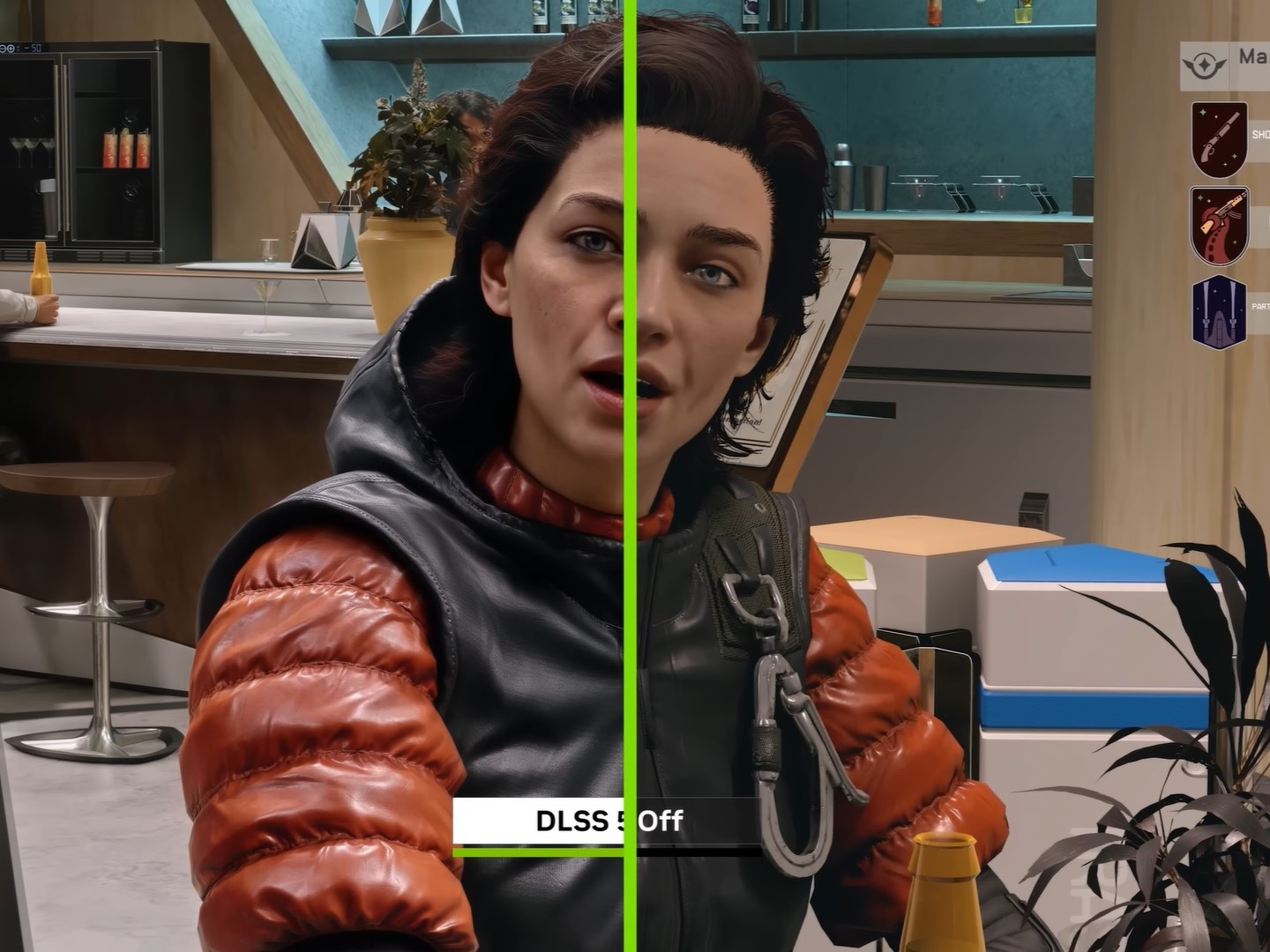
The intense backlash that followed the reveal of DLSS 5 targeted not just Nvidia but also Digital Foundry due to the outlet’s very positive coverage of DLSS 5. To somewhat mitigate the damage and calm fans of the outlet down, DF acknowledges the shortcomings of their initial DLSS 5 hands-on while answering user questions about the subject. While the entire video is worth watching (linked at the end), a section where Alex Battaglia gives his opinion about DLSS 5 is quite interesting.
Alex Battaglia, known for his deep analysis of game graphics on PCs, opines that DLSS 5 does seem to "trample on artistic vision in a very hardcore way", referencing DLSS 5’s rendition of Grace from Resident Evil Requiem as an entirely different person with different facial features.
Commenting on the technical limitations of DLSS 5, Alex explains that DLSS 5 only seems to have access to 2D data, like motion vectors, and not any specialized data like 3D face scans of game models. So, DLSS 5 is apparently averaging out the results based on its training parameters, giving the character models the “AI slop” look that we’ve all come to hate over the past year.
Beyond the technical failure, DLSS 5 changing characters and environments in such a radical way is an ethical problem, according to Alex. Nvidia claims to have gotten permission from studios for the DLSS 5 demos. But Insider Gaming reports that devs from Ubisoft and Capcom were kept in the dark regarding the actual visual impact, which only amplifies Alex’s comment about ethical concerns.
Unfortunately, Nvidia has largely brushed off these concerns. Jensen Huang has already labelled gamers wrong about their valid criticisms of DLSS 5. So, while we do hope that Nvidia takes into account the issues raised by Alex Battaglia, only time will tell whether Team Green is taking the issues seriously enough to make the required adjustments to DLSS 5.
Source(s)
 Add as a preferred source on Google


