




Capcom devs shocked by Nvidia DLSS 5 Resident Evil Requiem demo, sharing concerns over AI tool
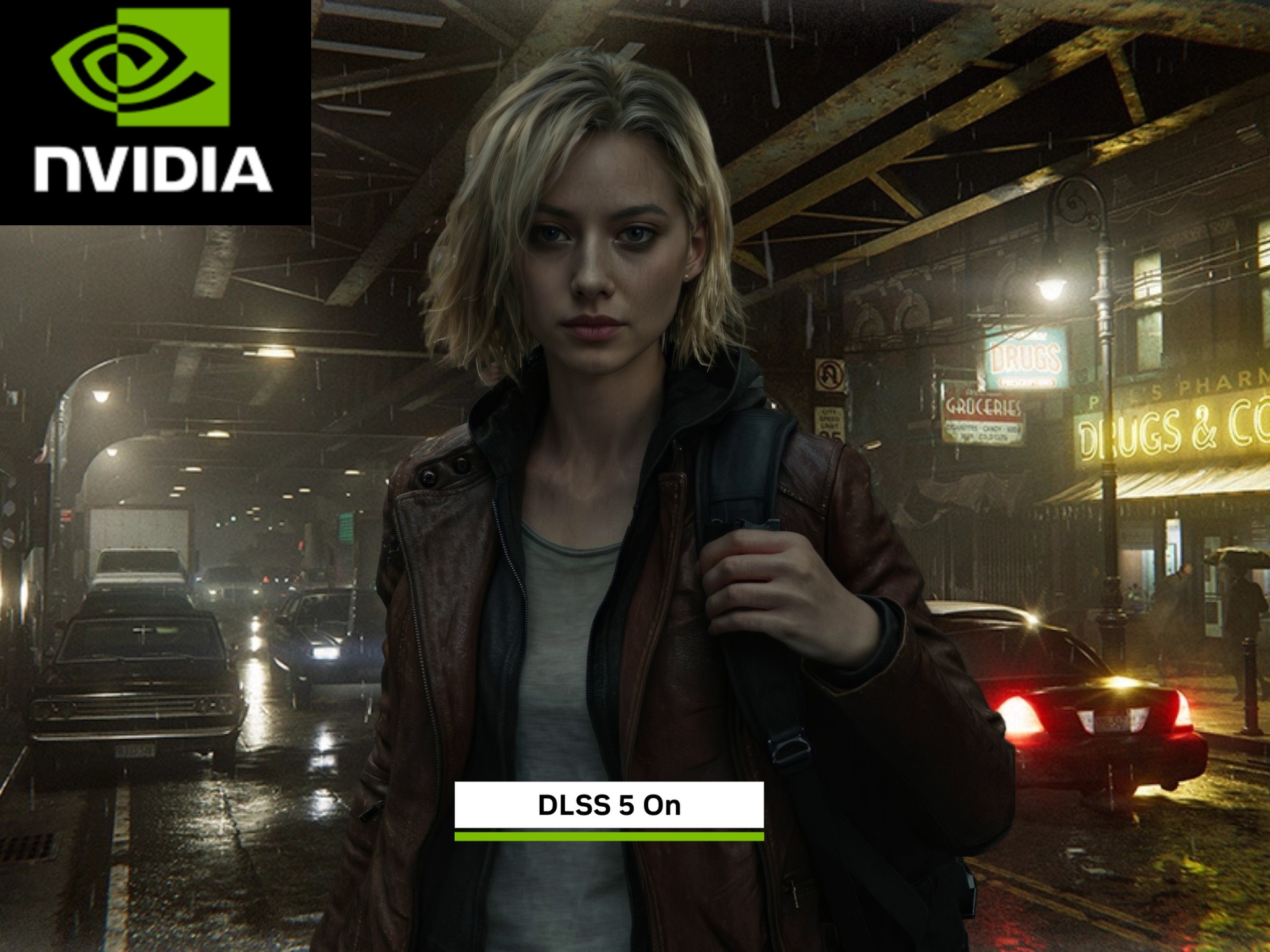
The unveiling of DLSS 5 surprised many gamers with how dramatically it transforms character models. Before-and-after images of Grace in Resident Evil Requiem showcase generative AI-based neural rendering. However, critics claim that the enhanced lighting and details override the artist’s intent. As it turns out, some developers at Capcom and other studios may share the same view.
Devs were unprepared for DLSS 5
Nvidia’s press release explained that Capcom, Ubisoft, and Bethesda all support DLSS 5. It included a quote from Capcom executive Jun Takeuchi, who said the improvements would lead to more immersive Resident Evil games. Yet, it appears that not all of his co-workers agree.
Insider Gaming spoke to Capcom developers, who found the renderings of Grace shocking. They were not told about the Nvidia demo in advance, and are wondering if the publisher’s stance on generative AI tools has changed. It previously said that the technology is useful for brainstorming and boosting efficiency. Still, it pledged that machine learning wouldn’t replace human artists.
Ubisoft is more accepting of machine learning, believing it can produce convincing game worlds. Even so, Insider Gaming talked to a creator at the company who confirmed they had no prior knowledge of the DLSS 5 presentation.
There are now questions about a social media post from Ben Berraondo, Senior Director of Global PR for Nvidia. He revealed that Capcom approved of the revamped Grace Ashcroft. It’s possible that executives made the decision, leaving artists in the dark.
Does DLSS 5 go too far?
The Resident Evil Requiem example has become a focal point for DLSS 5 naysayers. They believe her new face was a product of more than just realistic lighting effects. Instead, with a different facial structure and lips, the changes resemble a product of an Instagram-like AI beauty filter.
Responding to the controversy, Nvidia CEO Jensen Huang argued that artists have full control over how the neural rendering enhances their work. Nevertheless, under pressure from leadership, gamers worry that devs will be forced to either employ the AI tools to meet a new standard or risk being replaced.
Source(s)
 Add as a preferred source on Google


