




Nintendo Switch 2 could become more expensive as RAM costs jump 41%
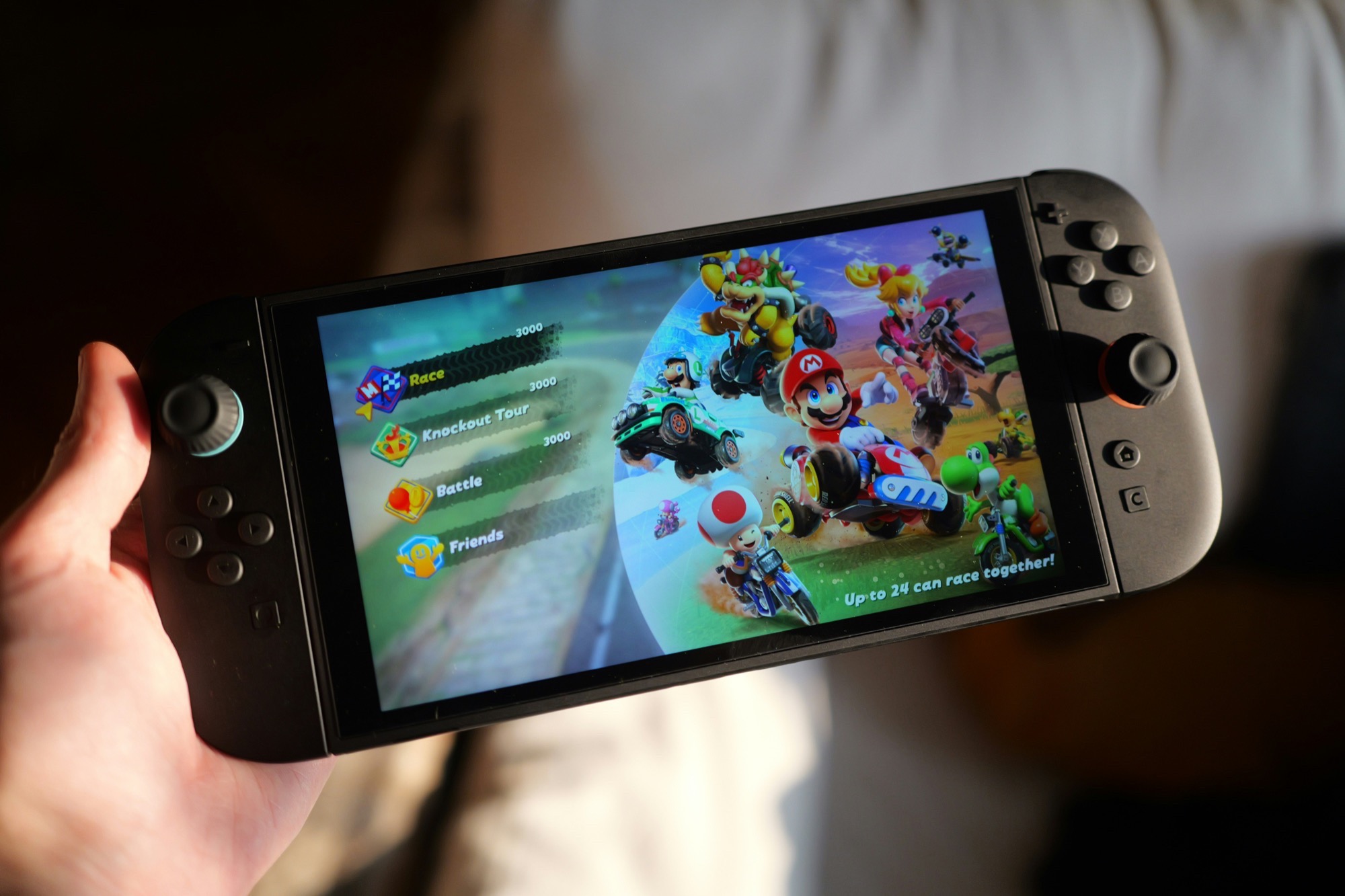
The Nintendo Switch 2 (available here on Amazon) launched on 5 June 2025 at a recommended retail price of US$449 and sold more than 10 million units within its first four months. This record-breaking figure was driven in part by the console’s wide availability. By contrast, the Sony PlayStation 5 sold 7.8 million units in its first six months but was almost continuously out of stock during this period.
According to Bloomberg, Nintendo is currently grappling with the DRAM supply crisis. The 12 GB of RAM in the Switch 2 now costs the company 41% more than it did three months ago. Furthermore, the console’s 256 GB of NAND flash memory has risen in price by 8% – a development that also affects the affordability of game cards and microSD Express cards.
Bloomberg noted that Nintendo has lost about US$14 billion in market value since early December, with its share price falling to the lowest levels since the Switch 2’s debut due to the console’s rising production costs. DRAM prices are expected to climb further throughout 2026, which may compel Nintendo to raise the Switch 2’s retail price. Meanwhile, laptops scheduled for release next year are projected to be at least 20% more expensive as a result of surging DRAM and NAND costs. Nintendo could settle for lower profit margins instead, but that might add further pressure on its share price.
Source(s)
 Add as a preferred source on Google


