




The Steam Machine and the HDMI drama – why 4K/120 fps isn’t happening
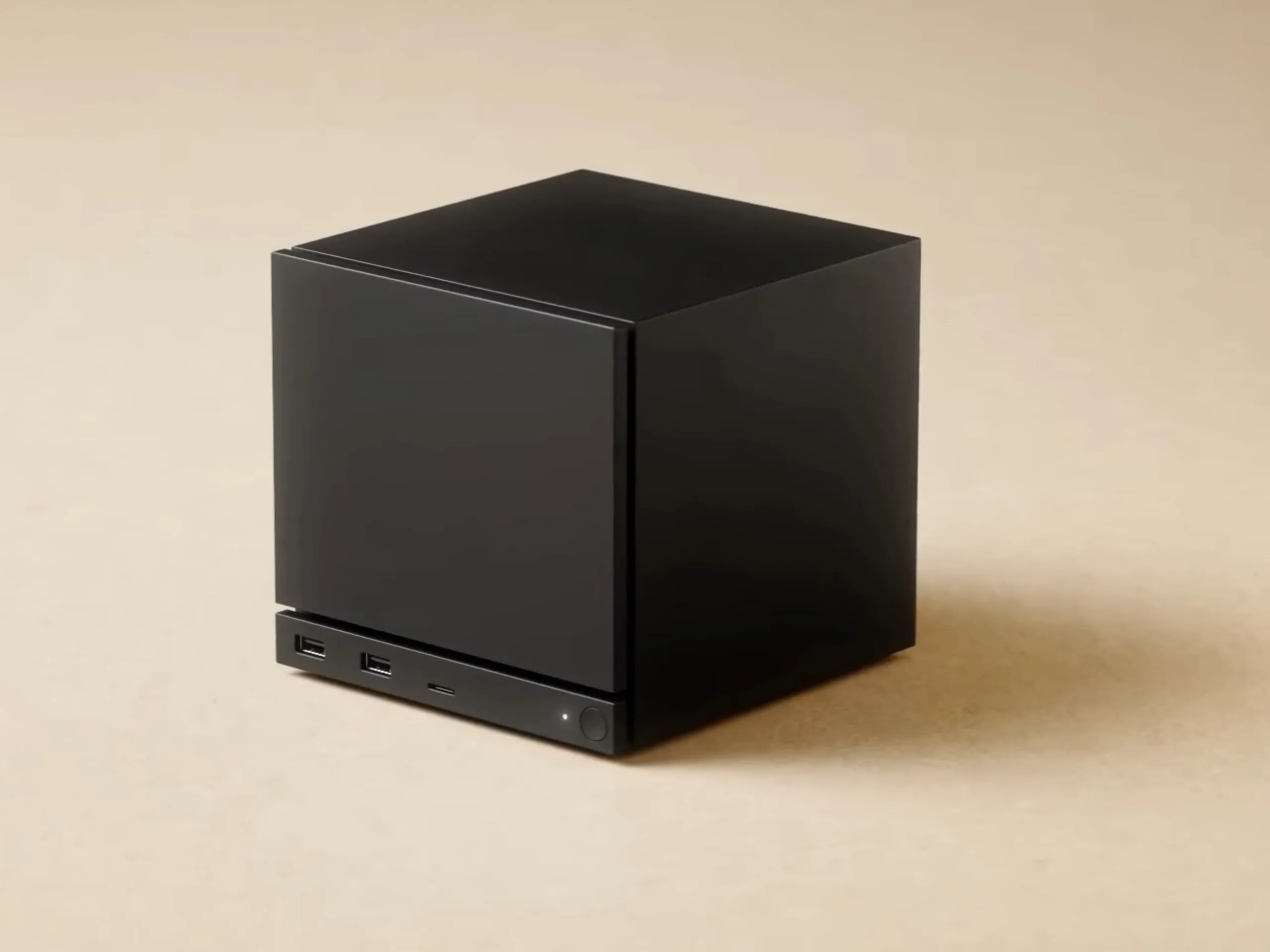
In November 2025, Valve made a surprise move by unveiling its first home console. The Steam Machine is essentially a compact, Linux-based PC designed to bring the familiar Steam experience into the living room. It is set to be far more affordable than a full gaming rig while still delivering impressive performance. Community reception has been overwhelmingly positive – but one detail has sparked ongoing debate. Despite its capable hardware, the device apparently does not support HDMI 2.1, which means 4K at 120 fps is off the table. As Ars Technica uncovered, the issue is not technical but rooted in the open-source nature of SteamOS, which conflicts with the HDMI Forum’s licensing requirements.
The HDMI Forum’s licensing terms require manufacturers to sign a strict non-disclosure agreement in order to access the HDMI 2.1 standard. This requirement conflicts with the principles of open-source software, where the code must remain publicly accessible. According to Ars Technica, Valve has already attempted to work out a solution with the HDMI Forum, but those efforts have been unsuccessful. As a result, the Steam Machine will likely remain limited to the older HDMI 2.0b standard.
HDMI 2.0b supports a maximum of 4K at 60 fps, but Valve has reportedly found a clever workaround to reach 120 fps. By reducing the color data in the video signal, they aim to squeeze 4K at 120 fps into the bandwidth limits of HDMI 2.0b. Whether this approach will actually be implemented – and how well it will perform in real-world use – remains to be seen.
On Reddit, community sentiment is clear: most users place the blame not on Valve but on the HDMI Forum. The licensing policy is widely criticized as “absurdly restrictive” and “anti-Linux.” While some still hold out hope for open standards or technical workarounds, others are skeptical that proprietary specifications and open platforms can ever fully coexist.
Source(s)
Image source: Steam
 Add as a preferred source on Google


