




Intel Celeron N2930 vs Intel Celeron N4020
Intel Celeron N2930
► remove from comparison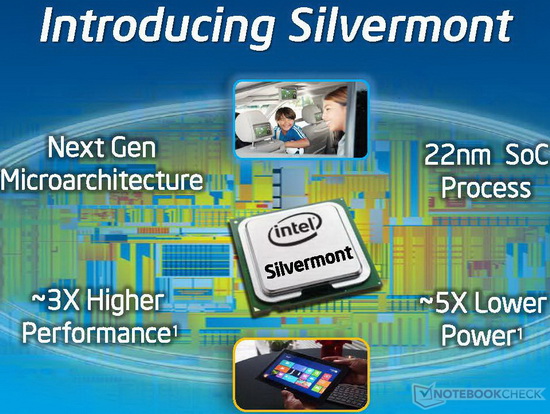
The Intel Celeron N2930 is a power efficient quad-core SoC for entry-level notebooks. It is clocked at 1.83 - 2.16 GHz and part of the Bay Trail-M platform. Thanks to the specially optimized 22 nanometer low-power process (P1271) with tri-gate transistors, performance and energy efficiency have been significantly improved compared to previous Intel Atom CPUs. The N2930 supports Quick Sync as well as Wireless Display.
Architecture
The processor cores are based on the new Silvermont architecture, which is an out-of-order design for the first time. The increased utilization of the pipeline and many other improvements (optimized branch prediction, increased buffers, enhanced decoders) have increased the performance per clock by about 50 percent. At the same time, however, the Hyper-Threading feature of the previous generation has been removed. Other major changes are the support for new instruction set extensions such as SSE 4.1 and 4.2 as well as AES-NI (depending on the model).
Performance
Thanks to the improved performance per clock and the 4 cores, the Celeron N2930 is significantly faster than previous Intel Atoms, e.g. the N2800. Depending on the benchmark, the N2930 competes with AMD Kabini APUs like the A4-5000. For most everyday tasks such as Internet or Office the performance is adequate, but not for complex software or modern games.
Graphics
The HD Graphics (Bay Trail) is based on the Intel Gen7 architecture, which supports DirectX 11 and is also found in the Ivy Bridge series (e.g. HD Graphics 4000). With only 4 EUs (Execution Units) and a relatively low clock speed of 313 - 854 MHz, the GPU is even slower than the HD Graphics (Ivy Bridge). Therefore, only older and less demanding games will run fluently.
Power Consumption
The entire SoC is rated at a TDP of 7.5 watts. Thus, the chip can be used in compact (and sometimes even passively cooled) subnotebooks and tablets.
Intel Celeron N4020
► remove from comparison
The Intel Celeron N4020 is a slow dual-core processor (SoC) of the Gemini Lake refresh product family; as such, it is designed for use in laptops and mini-PCs of the most affordable flavor. The Celeron was launched in Q4 2019. Its CPU cores run at 1.1 GHz to 2.8 GHz, the latter being a moderate 200 MHz upgrade over the preceding N4000 chip. Other key specs include a DDR4/LPDDR4 memory controller (up to 2,400 MHz and up to 8 GB, with independent reports claiming as much as 32 GB will work just fine) and an integrated UHD 600 graphics adapter.
Architecture & Features
Just like Apollo Lake family products, the ever-popular N3350 included, the N4020 is manufactured on a really old, as of late 2023, 14 nm process. What makes the newer Celerons different are the slightly improved processor cores with double the L2 cache and also, somewhat counterintuitively, a reduction in physical size.
The Goldmont Plus microarchitecture is not much different from what was used in Gemini Lake processors like the N4000. A relatively large 4 MB L2 cache features prominently on the rather short list of N4020's strong sides, allowing for a marginal increase in performance-per-MHz figures compared to processors of previous generations. Still, Gemini Lake refresh processors are a clear step down from Core i3/i5/i7/i9 series processors, both in performance and in features.
The N4020 has six PCI-Express 2.0 lanes at its disposal. While very few N4020-based SBCs, nettops and laptops feature an NVMe M.2 slot, you can use an NVMe SSD as a boot drive with this processor (read/write rates will be limited to 2 GB/s, though). Furthermore, partial Wi-Fi 5 support is built into the CPU. The Celeron also supports up to eight USB 3.0 ports and two SATA III storage devices.
Please note this is not a user-replaceable CPU. They solder it straight to the motherboard for good (BGA1090 socket interface).
Performance
While slightly faster than the outgoing Celeron N4000, the average N4020 in our extensive database only just manages to match the N6211, as far as multi-thread performance is concerned. These three chips deliver multi-thread CB R15, CB R20 and CB R23 scores that are so low, they lag behind a single-thread score of any half-decent CPU such as an i5-1135G7. In other words, these Celeron N chips are good enough for basic tasks only such as word processing and Web browsing with two or three tabs open at a time.
The Celeron N4120, a quad-core chip with a similar name, has little trouble leaving the N4020 behind in most workloads - which is not to say it is a fast CPU.
Jacking the long-term power limit value up to something like 9 W will help improve system responsiveness noticeably.
Graphics
The UHD Graphics 600 is based on Intel's Generation 9 architecture, much like the HD Graphics 520 or the UHD Graphics 615 or other widespread Intel iGPUs found in Core i3/i5/i7/i9 processors of generations six to ten.
Just like the HD Graphics 500, the UHD Graphics 600 is DX12 compatible. The iGPU's 12 EUs can run at up to 650 MHz. The Iris Plus G7 iGPU that certain 10th Gen Ice Lake processors have packs 64 EUs, for reference. As a low-end solution, UHD Graphics 600 will let you play some seriously old titles, but that's about as far as its talents go.
Perhaps more importantly, this graphics solution can drive up to 3 monitors with resolutions as high as 4096x2160@60. Furthermore, it will have no trouble HW-decoding AVC, HEVC and VP9-encoded videos. The newer AV1 codec will be decoded via software, with the limited CPU horsepower imposing a limit on video resolutions that can be played back without stuttering. 1080p60 videos are out of reach while 720p25 videos run fine, to give you an example.
Power consumption
The low 6 W TDP (also known as the long-term Power Limit) makes it easy for laptop makers to ditch the fan. Performance sustainability will be poor unless the long-term Power Limit is set to a value higher than the default 6 W and a fan is available to aid in heat dissipation.
The Celeron N4020 is built with one of the old 14 nm Intel processes for poor, as of mid 2023, energy efficiency.
| Model | Intel Celeron N2930 | Intel Celeron N4020 | ||||||||||||||||||||||||||||||||||||||||||||||||||||||||||||||||||||||||||||
| Codename | Bay Trail-M | Gemini Lake refresh | ||||||||||||||||||||||||||||||||||||||||||||||||||||||||||||||||||||||||||||
| Series | Intel Celeron | Intel Gemini Lake | ||||||||||||||||||||||||||||||||||||||||||||||||||||||||||||||||||||||||||||
| Series: Gemini Lake Gemini Lake refresh |
|
| ||||||||||||||||||||||||||||||||||||||||||||||||||||||||||||||||||||||||||||
| Clock | 1830 - 2160 MHz | 1100 - 2800 MHz | ||||||||||||||||||||||||||||||||||||||||||||||||||||||||||||||||||||||||||||
| L1 Cache | 224 KB | |||||||||||||||||||||||||||||||||||||||||||||||||||||||||||||||||||||||||||||
| L2 Cache | 2 MB | 4 MB | ||||||||||||||||||||||||||||||||||||||||||||||||||||||||||||||||||||||||||||
| Cores / Threads | 4 / 4 | 2 / 2 | ||||||||||||||||||||||||||||||||||||||||||||||||||||||||||||||||||||||||||||
| TDP | 7.5 Watt | 6 Watt | ||||||||||||||||||||||||||||||||||||||||||||||||||||||||||||||||||||||||||||
| Technology | 22 nm | 14 nm | ||||||||||||||||||||||||||||||||||||||||||||||||||||||||||||||||||||||||||||
| max. Temp. | 105 °C | |||||||||||||||||||||||||||||||||||||||||||||||||||||||||||||||||||||||||||||
| Socket | FCBGA1170 | BGA1090 | ||||||||||||||||||||||||||||||||||||||||||||||||||||||||||||||||||||||||||||
| Features | HD Graphics (Bay Trail, 313 - 854 MHz), Quick Sync, Wireless Display, Speedstep | DDR4-2400/LPDDR4-2400 RAM, PCIe 2, MMX, SSE, SSE2, SSE3, SSSE3, SSE4.1, SSE4.2, VMX, SMEP, SMAP, MPX, EIST, TM1, TM2, Turbo, AES-NI, RDRAND, RDSEED, SHA, SGX | ||||||||||||||||||||||||||||||||||||||||||||||||||||||||||||||||||||||||||||
| iGPU | Intel HD Graphics (Bay Trail) (313 - 854 MHz) | Intel UHD Graphics 600 (200 - 650 MHz) | ||||||||||||||||||||||||||||||||||||||||||||||||||||||||||||||||||||||||||||
| Architecture | x86 | x86 | ||||||||||||||||||||||||||||||||||||||||||||||||||||||||||||||||||||||||||||
| Announced | ||||||||||||||||||||||||||||||||||||||||||||||||||||||||||||||||||||||||||||||
| Manufacturer | ark.intel.com | ark.intel.com | ||||||||||||||||||||||||||||||||||||||||||||||||||||||||||||||||||||||||||||
| TDP Turbo PL2 | 15 Watt |

Benchmarks

Average Benchmarks Intel Celeron N2930 → 100% n=21
Average Benchmarks Intel Celeron N4020 → 144% n=21
 - Average benchmark values for this graphics card
* Smaller numbers mean a higher performance
1 This benchmark is not used for the average calculation


