




Memory chip prices set to jump again as Samsung moves to raise contract rates
Lenovo recently warned that memory chip prices may never go back down to where they were, and it has seemingly used its own supply chain info for the claim, as Samsung is reportedly preparing another memory price increase.
According to supply chain sources and industry insiders cited by Chinese and Korean media, Samsung Electronics is planning to raise average DRAM selling prices by another 20% as soon as this quarter, with information that the chip maker has already given verbal notice to some customers.
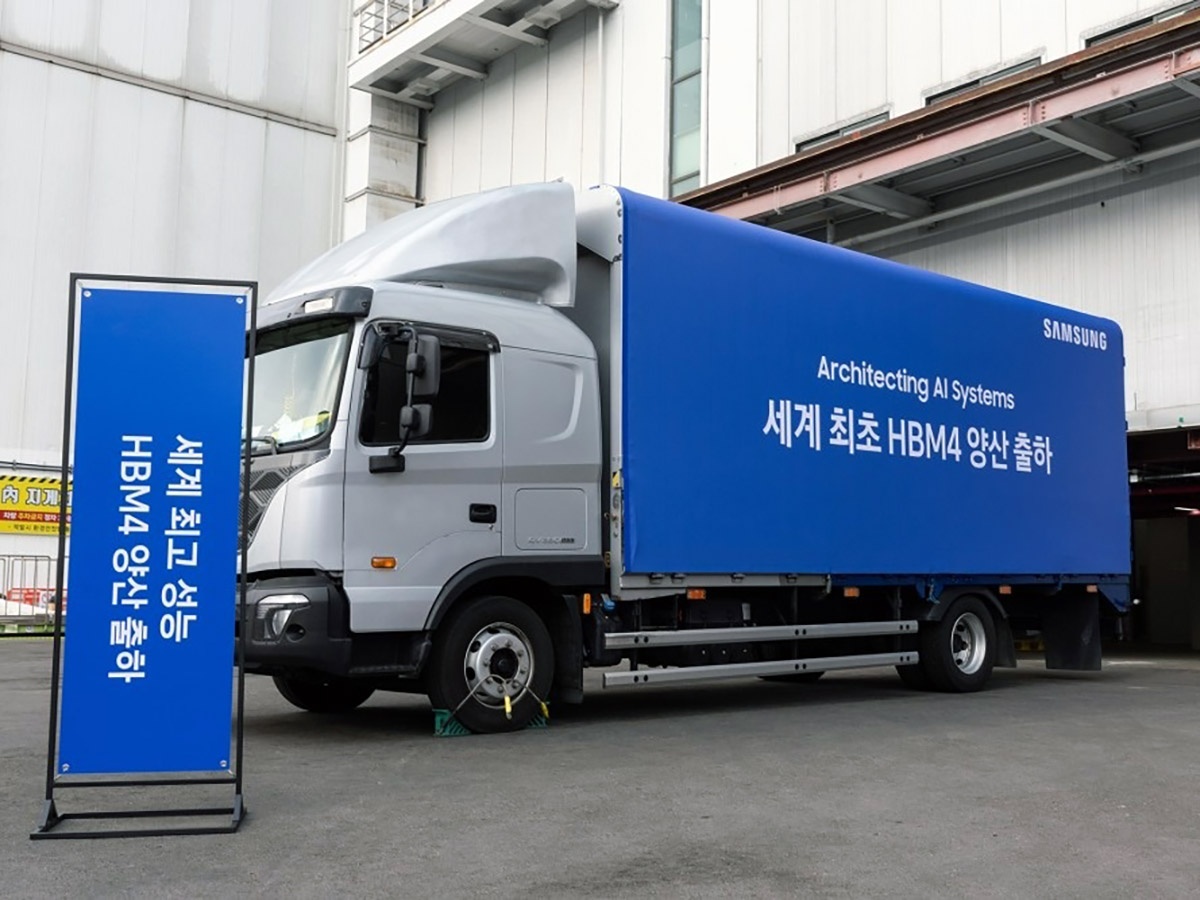
This isn't a one-off spike, as the whole South Korean memory chip industry is reportedly pushing to raise general-purpose DRAM ASP by 20% compared to the previous quarter. While the move is being framed as an attempt to keep maximizing profits amid ongoing supply shortages driven by AI infrastructure investment, Samsung and SK Hynix are already facing a class-action lawsuit about price fixing and prioritizing high-margin HBM4 AI memory, neglecting the consumer realm as less profitable.
The average selling price of Samsung's DRAM jumped over 90% just in the first quarter of the year alone, followed by another 50% increase in Q2, so the 20% for Q3 would be over a much larger base already.
The bigger concern for anyone shopping for a new laptop, phone, or GPU is that this trend is seeping through to the final retail buyer. Apple is raising the price of its MacBooks and iPhones, saying it can no longer absorb the drastic chip price increases and is passing them on to the consumer.
According to market research firm TrendForce, the DRAM supply will remain restricted in the current quarter, though contract price growth will narrow to 13-18% due to softening demand, while NAND contract prices are expected to rise 10-15%. The 8GB LPDDR5X chips of the Samsung type that is currently discounted on Amazon, however, are expected to jump 20% in Q3. This would push consumer electronics retail prices higher and further dampen demand, say analysts, with phone shipments projected to fall drastically by 11% in 2026.
In short, RAM-heavy devices like gaming laptops, premium ultrabooks, or flagship phones are only going to get pricier through the second half of 2026 since the AI-driven data center demand shows no signs of abating.
Source(s)
 Add as a preferred source on Google


