




KVM-GO: Openterface is back with a more compact and refined KVM
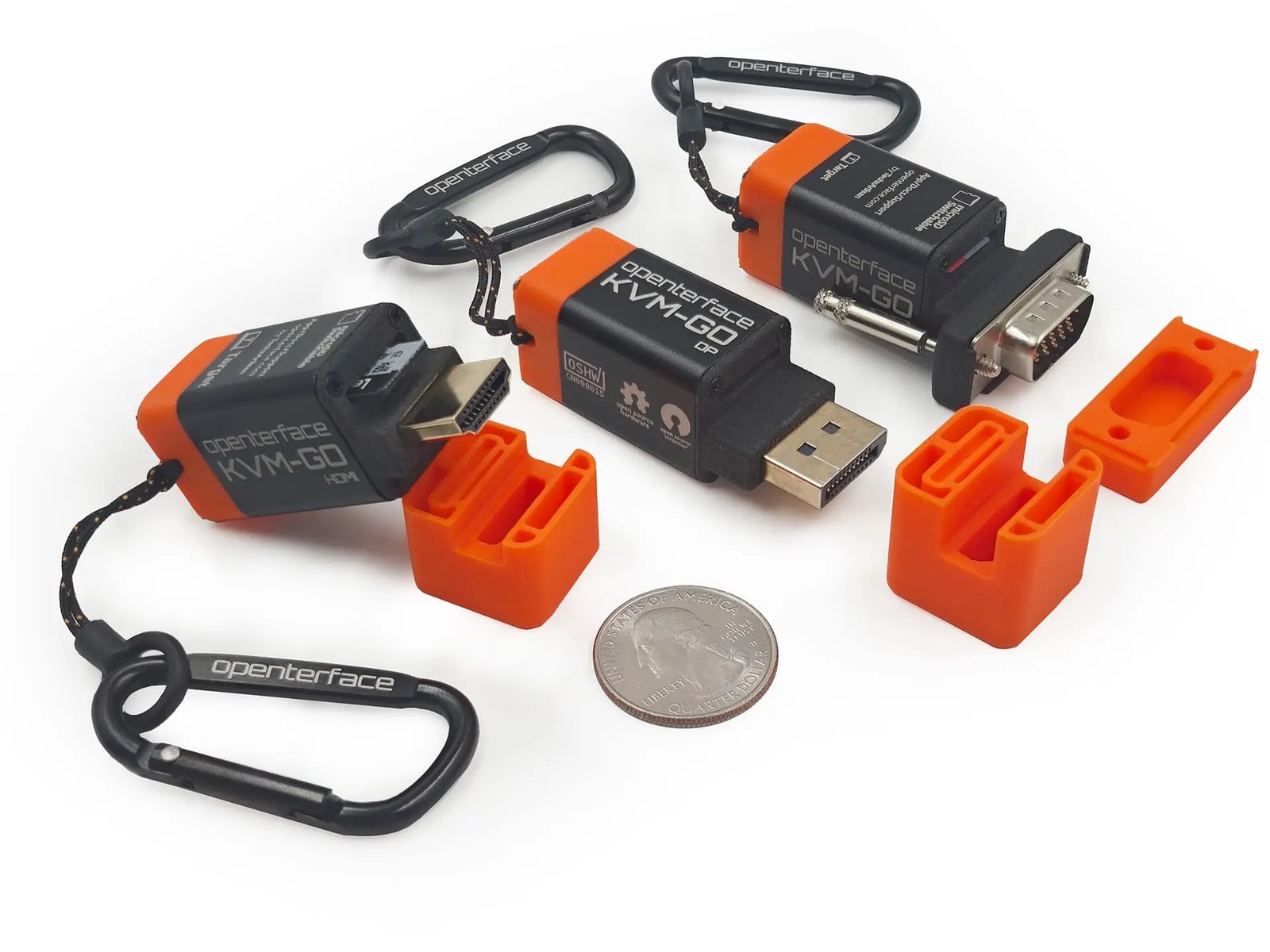
A KVM allows you to remotely operate a machine by connecting a Keyboard, Video and Mouse (KVM) from a different machine and operate the target remotely.
While this might sound similar to something like VNC or Remote Desktop, KVMs are unique in that they operate independently of installed software and therefore have access to the BIOS of the remote machine.
This allows you to restart a machine if the operating system locks up, change settings in the BIOS and even reinstall the operating system remotely.
The Mini-KVM was the first product launched by Openterface, and raised $461,555 on Crowd Supply. Following this success, the KVM-GO is now live on the same platform and has already exceeded the funding targets.
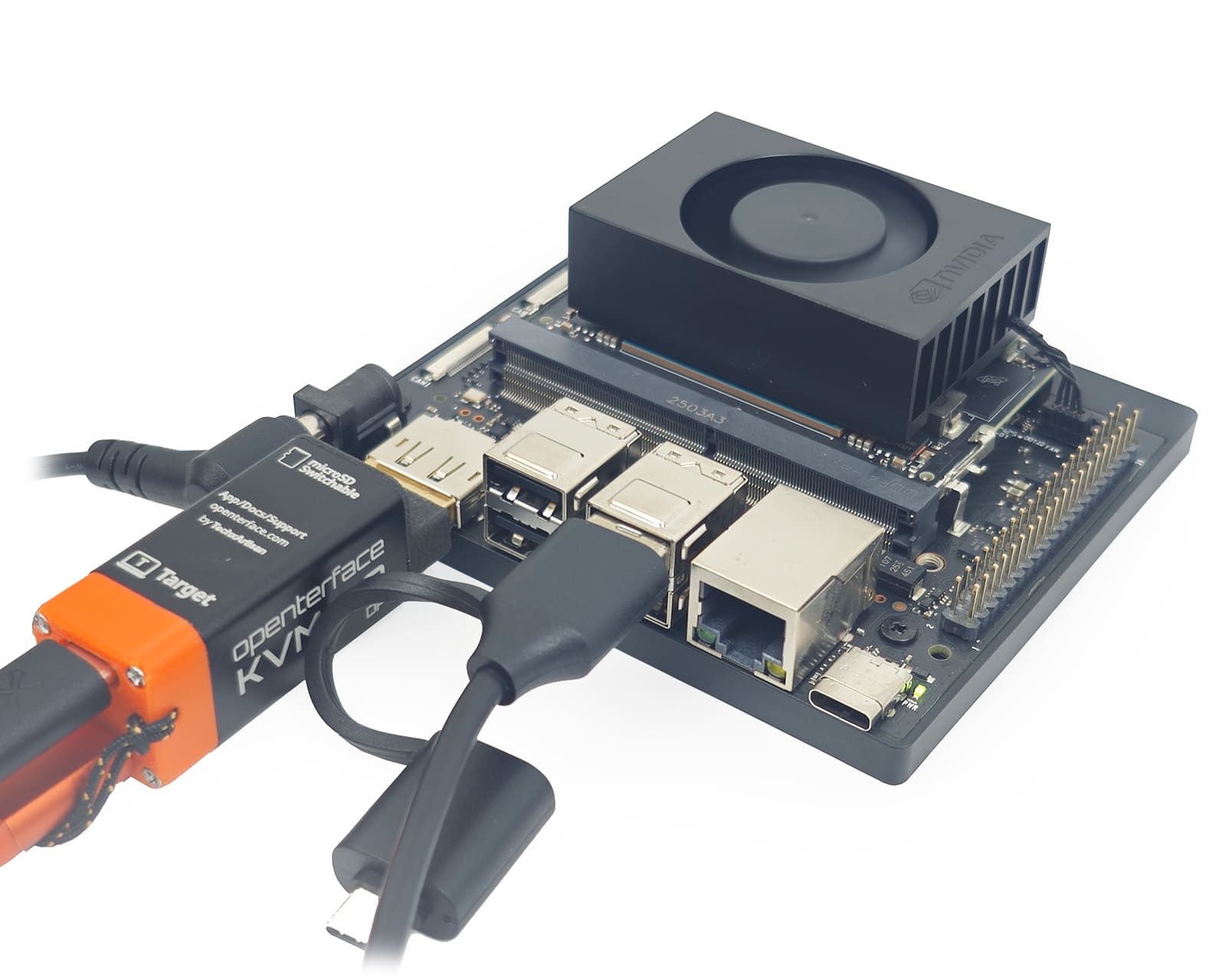
The KVM-GO offers decent specs, providing an experimental 4K, 60Hz mode, as well as options for HDMI, DisplayPort and VGA. A built-in Micro SD card slot allows you to store a range of operating systems and drivers that can be installed using the device. Their administration software can be installed on Windows, Linux, MacOS and Android.
Where Openterface differentiates its products from competitors is through its open-source nature. All hardware schematics, PCB layouts, and 3D models will be open-sourced once finalized, and the source code for the various apps is also published through Github. (MacOS, Windows & Linux).
There are no shortage of KVMs, from roll-your-own using a Raspberry Pi, to off-the-shelf, such as the Gl-iNet Comet (available on Amazon). The KVM-GO starts at $119, which is somewhat more expensive than the competition, but the open-source nature and reduction in cable clutter may be enough to sway customers.
 Add as a preferred source on Google


