




Windows 11 File Explorer update aims to reduce RAM usage and deliver faster search performance
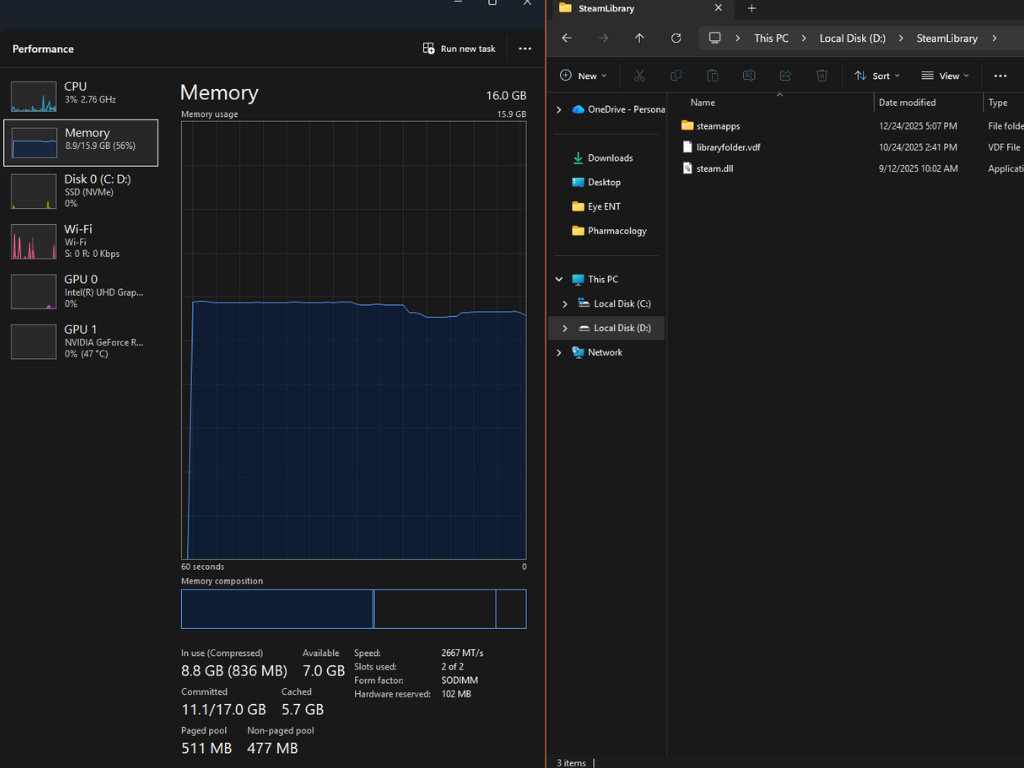
Microsoft continues to dominate consumer-grade and enterprise-level software solution ecosystems alike with Windows. Some of its components are notorious for being resource hogs compared to OS alternatives such as Linux, including its File Explorer, which is integrated into its core Windows experience. However, Microsoft has pledged to and continues to improve the efficiency of its Windows-based File Explorer to reduce its resource-intensive nature.
The company has recently rolled out an Insider Preview Build update that narrows File Explorer’s search parameters for greater efficiency, reducing unnecessary RAM usage and helping one’s PC run faster while searching for files.
Microsoft is preparing this update behind the scenes, even as gamers and casual Windows 11 users have become increasingly vocal about the operating system’s performance issues and a looming RAM crisis, prompting users and OEMs alike to get as much out of existing memory modules as possible.
The outcome of this update promises to reduce redundant operations that churn through memory without providing any additional benefits. Similar to pruning branches on a tree, the upcoming update will trim duplicate file-indexing sessions in File Explorer. According to Microsoft’s official release notes for Build 26620.7523, the new update “eliminates duplicate file indexing operations, which should result in faster searches and reduced system resource usage during operations.”
To put it simply, the operating system will skip the extra steps of repeatedly scanning and cataloging the same paths across multiple drives. It will focus on a single efficient indexing method. This will not only reduce the load on your RAM modules but also speed up indexing, making your system feel snappier as you sift through folders to access those important documents.
This will be quite the upgrade for older systems and Windows 11 laptops, reducing strain on aging CPUs and disk activity. Currently, early reports indicate that searches might result in twice as fast. However, Microsoft hasn’t yet quantified the exact effect on RAM in absolute terms.
It’s a small yet meaningful step, given that memory and storage costs continue to surge amid the ongoing DRAM and memory crisis, with many end users hoping to hold on to their aging devices a bit longer.
Currently, the update is only available to Windows Insiders via the Dev and Beta channels through Build 26220.7523. The update is being rolled out via a Controlled Feature Rollout. Users can choose to opt into the update by toggling “Get the latest updates as soon as they’re available” in Settings. Reports suggest that Microsoft will roll out this feature in late January or February 2026.
While this update won’t result in blazing-fast performance on your system, it’s still a small step towards a more responsive Windows 11 experience. Coming in at a time when Microsoft's new Copilot+ PCs have an official RAM requirement of a minimum of 16 GB DDR5 or LPDDR5 memory in play, it could indicate that the Redmond-based giant is increasingly looking to optimize core Windows functionality to perhaps allow for better AI performance wherever possible in its ecosystem for both end users and corporate clients.
 Add as a preferred source on Google


