




Is a $1,000+ 1440p OLED Worth It? Sony Inzone M10S II vs. Alienware AW2726DM
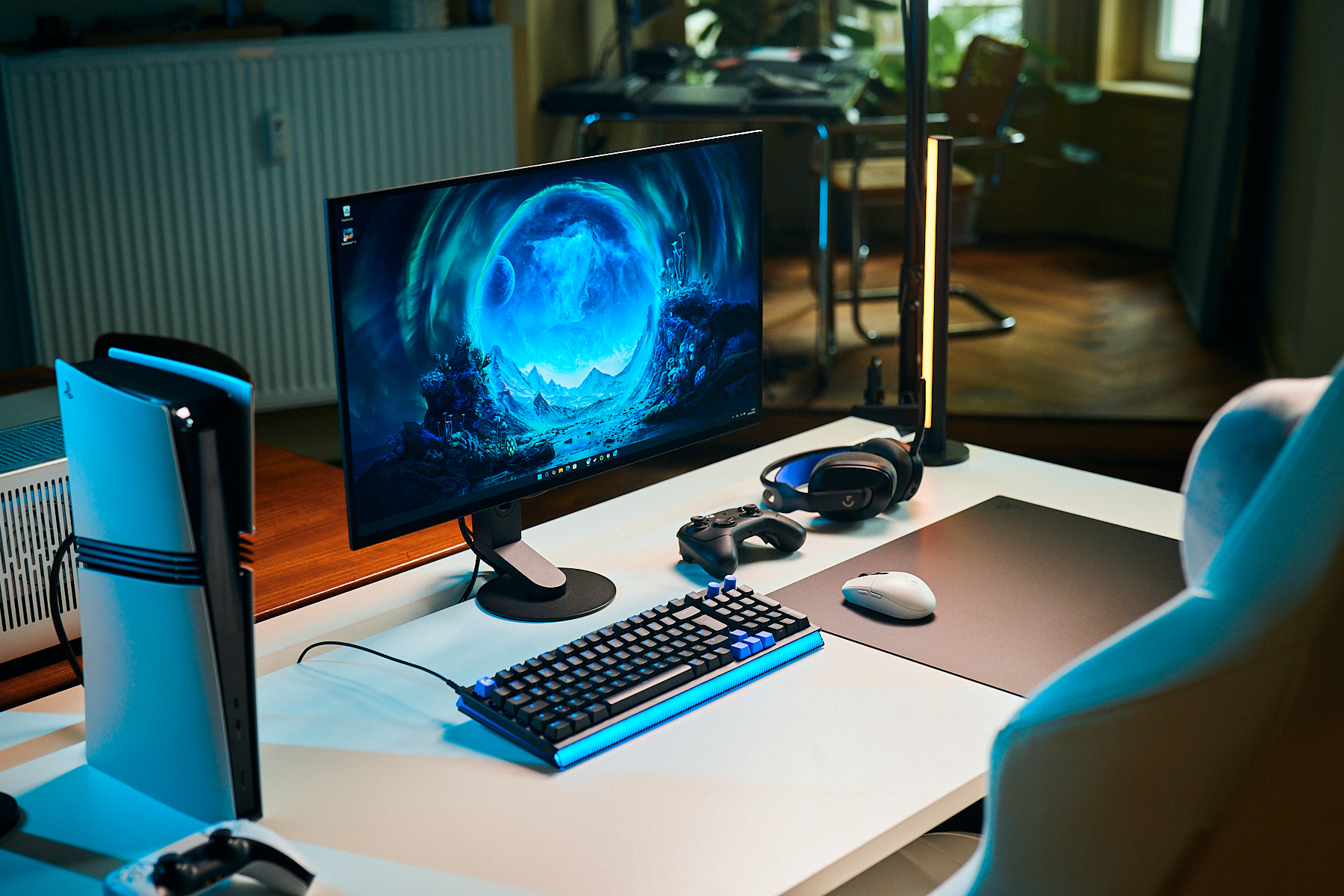
The Sony Inzone M10S II backs up its native 540 Hz refresh rate with a whole host of additional features and creature comforts, like the matte coating, for example, and thanks to the tandem OLED panel, it also boasts much higher overall brightness and a far superior HDR experience, compared to the Alienware for example. But does it really justify spending 3x as much over a standard 240 Hz QD-OLED?
Or is it a luxury product aimed at enthusiasts and e-sports pros?
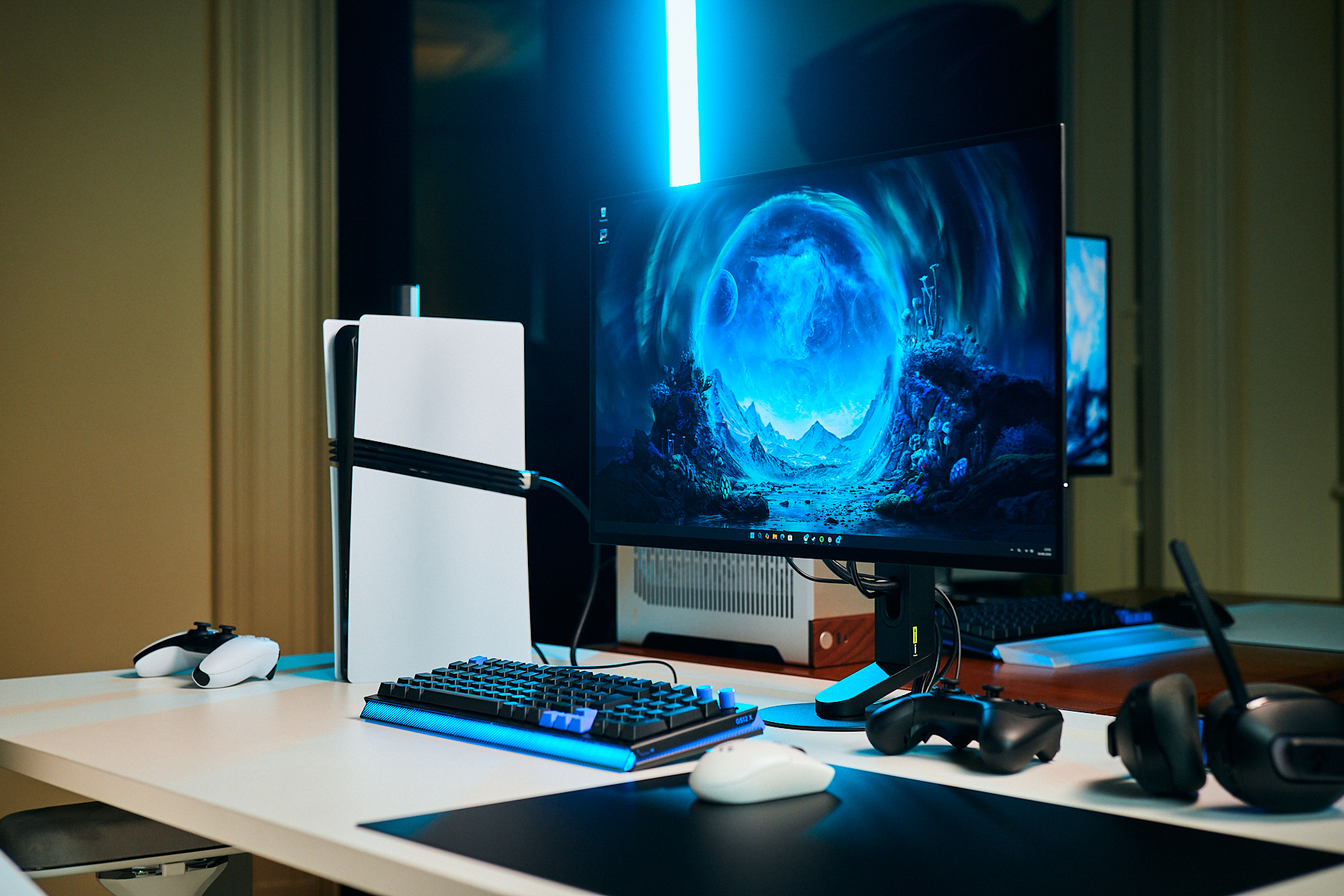
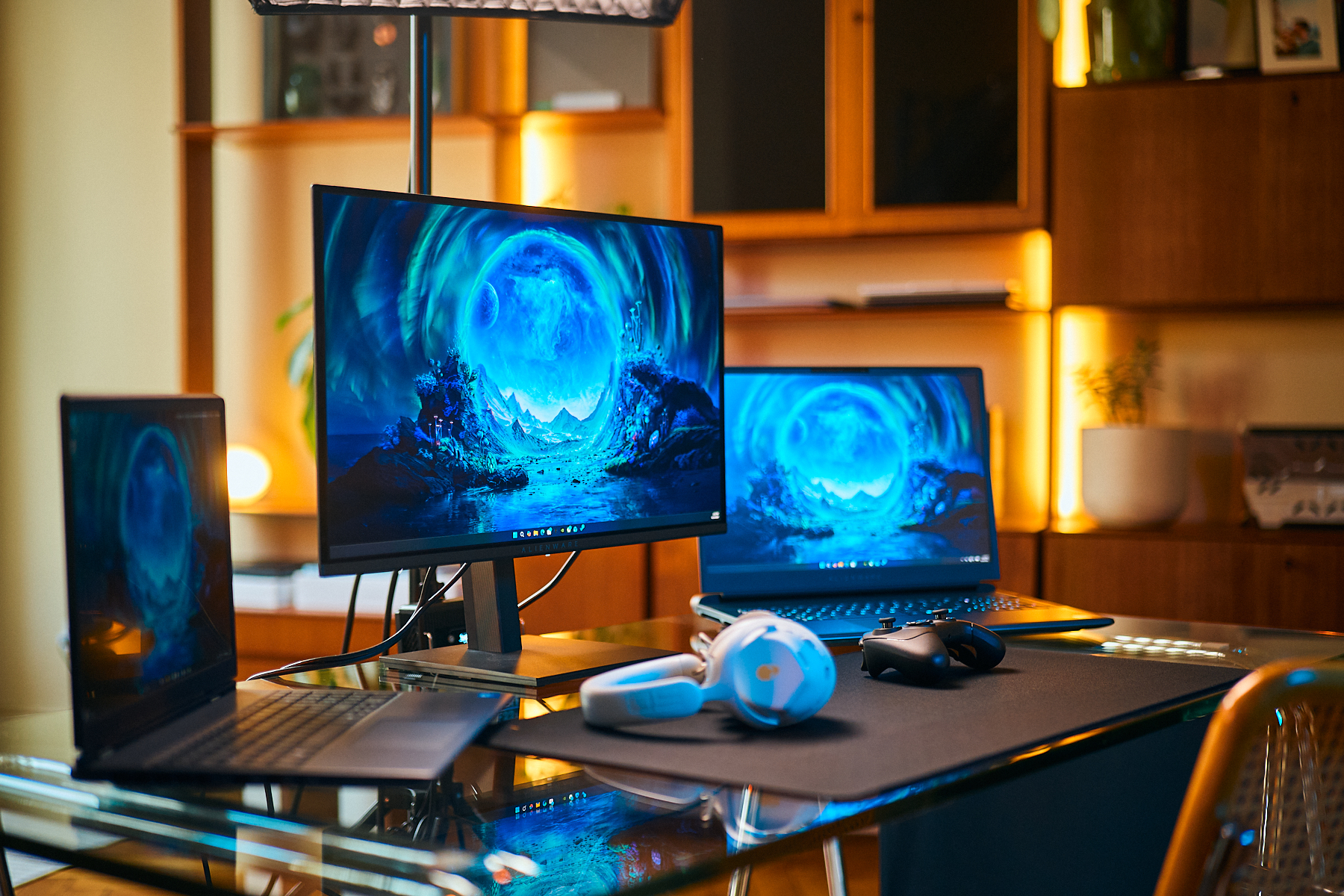
| Specification | Alienware AW2726DM ($350) | Sony Inzone M10S II ($1,100) |
|---|---|---|
| Panel Type | 26.5" QHD QD-OLED (Glossy) | 26.5" QHD Tandem OLED (Matte) |
| Native Refresh Rate | 240 Hz | 540 Hz (Up to 720 Hz in 720p mode) |
| HDR Peak Brightness | ~385 Nits (Lab Measured) | ~1,411 Nits (Lab Measured) |
| SDR Full-Screen Brightness | ~186 Nits (Lab Measured) | ~306 Nits (Lab Measured) |
| Color Accuracy (Calibrated) | DeltaE ~1.9 (Suitable for creators) | DeltaE ~4.2(Not recommended for color-critical work) |
| Connectivity | 1x DP 1.4 (240Hz), 2x HDMI 2.1 (120Hz) | DisplayPort (540Hz), 2x HDMI (480Hz), USB Hub (No USB-C) |
Speed & Motion Clarity: 240 Hz vs. 540 Hz (and 720 Hz)
The $1,000+ price tag on the Sony Inzone M10S II mainly pays for extreme speed designed for competitive esports. While we would say the Alienware AW2726DM’s 240 Hz QD-OLED is fast enough for 95% of (casual) gamers, the Sony pushes motion smoothness to its absolute limit, and it's a truly terrific gaming experience.
- Alienware AW2726DM (240 Hz): Easily driven by mainstream hardware (like an RTX 5050/5060 notebook) and provides smooth, tear-free gaming for casual esports and single-player titles with existing, but limited HDR capabilities.
- Sony Inzone M10S II (540 Hz / 720 Hz): Requires top-tier hardware (e.g., RTX 5090 + Ryzen 7 9850X3D) to hit its native 540 Hz limit even in popular esports titles. The experimental 720 Hz mode drops resolution to 720p, resulting in severe pixelation on a 27" panel that isn't worth the visual sacrifice. Thanks to the much higher brightness, properly supported HDR games offer a much more impressive experience, though.
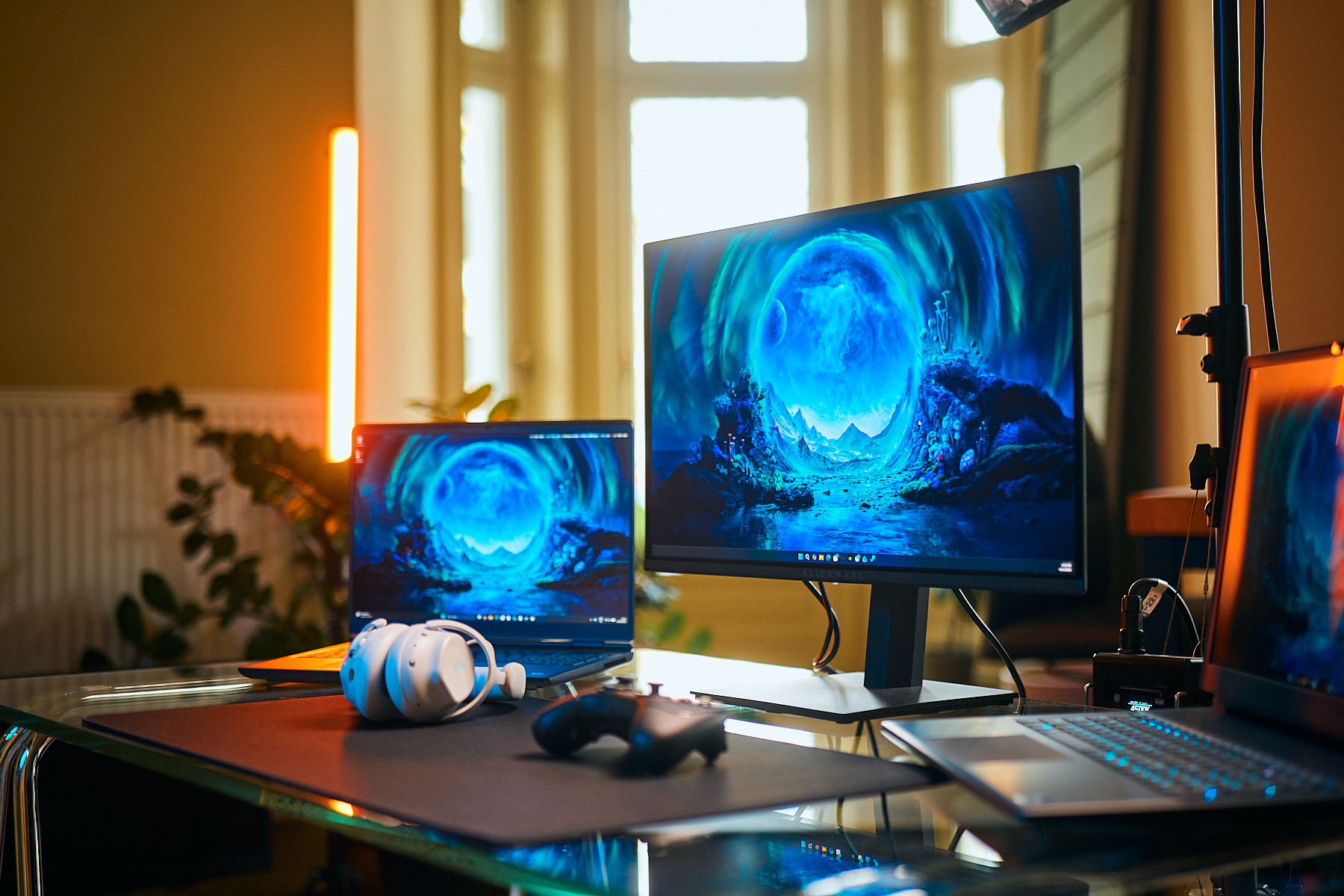
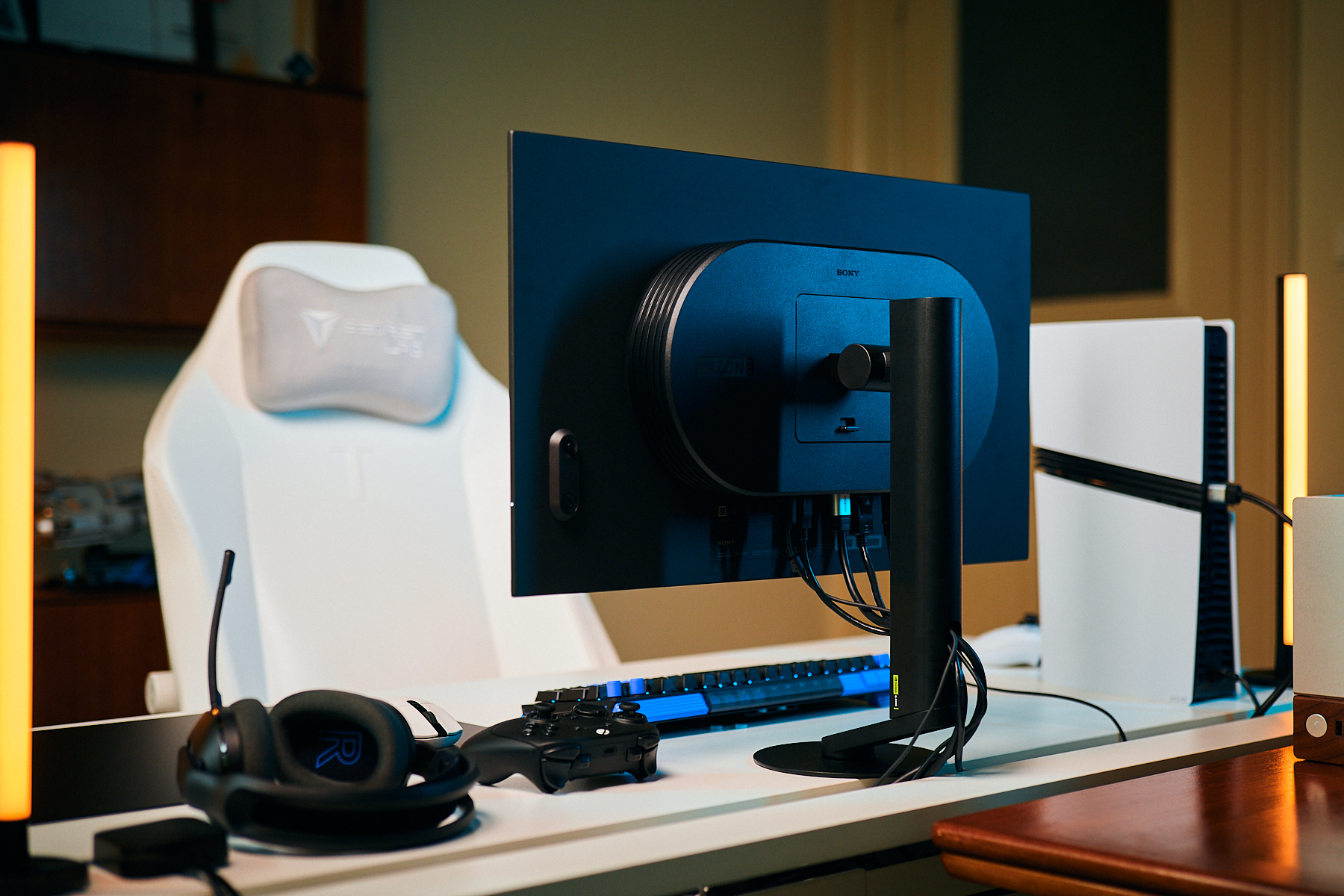
Brightness & Panel Finish: Glossy vs. Matte
The age-old question of matte vs. glossy, and while the Sony loses a little of the typical "OLED-Wow-Effect", the matte coating makes it a lot more flexible in challenging lighting conditions.
- Glossy QD-OLED (Alienware): Delivers incredible perceived depth and punchy colors, but full-screen SDR brightness caps out at ~186 Nits. Reflections can become an issue if you have a window directly behind your desk.
- Matte Tandem OLED (Sony): Features an advanced anti-reflective coating paired with a high ~306 Nit SDR brightness and a massive 1,411 Nit HDR peak, allowing you to place the screen anywhere in a bright room without glare.
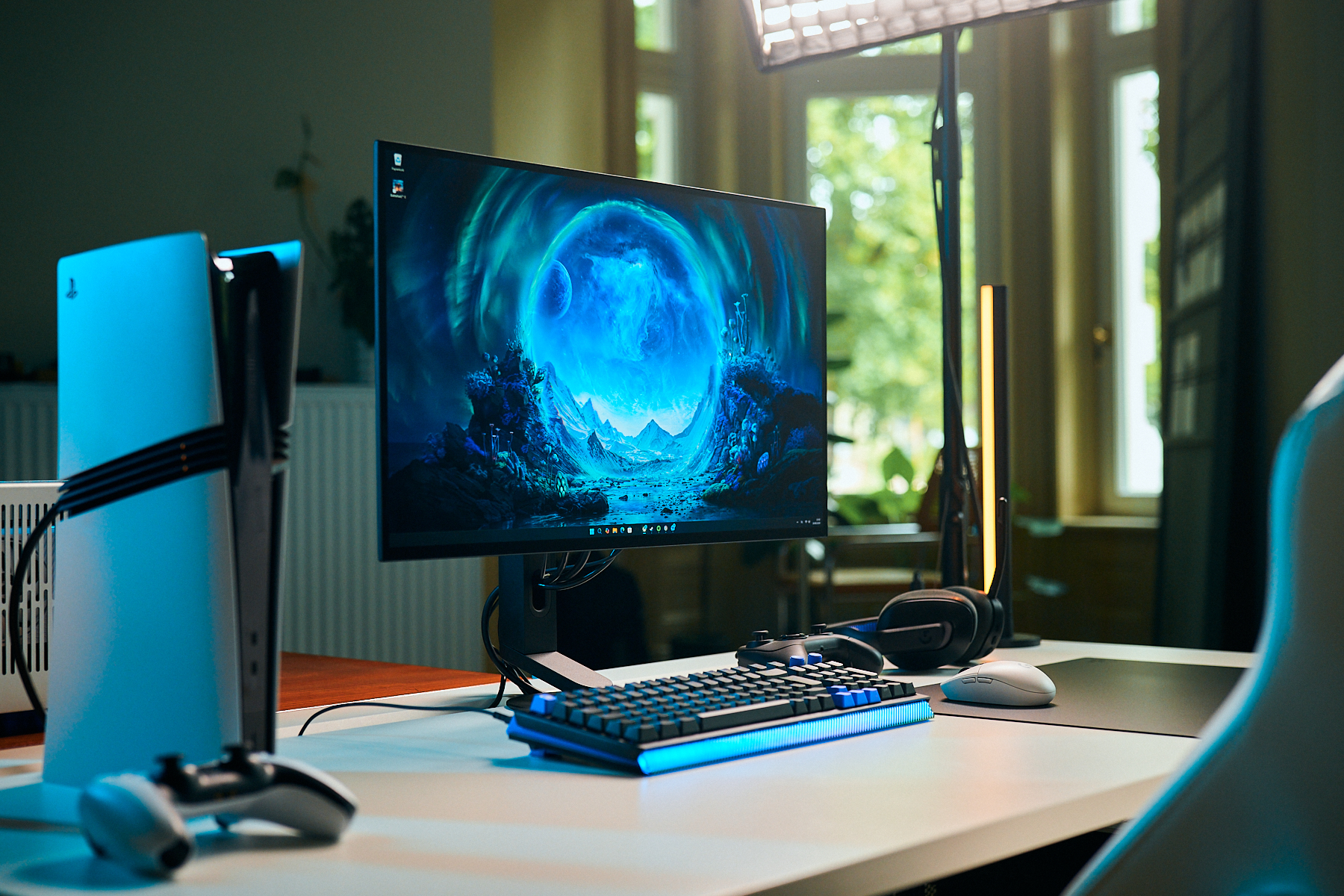
Color Accuracy & Creator Work
While OLEDs are generally very well suited for creator tasks in visual professions (photo/video editing) thanks to their high color gamut coverage, color accuracy varies drastically between our two contenders, and the much cheaper Alienware actually does a lot better than the Inzone.
- Alienware AW2726DM: Post-calibration testing yielded an average ColorChecker DeltaE of 1.9, making it a viable secondary monitor for photo and video editing.
- Sony Inzone M10S II: Suffers from poor out-of-the-box color accuracy that cannot be brought down to trustworthy levels even with manual calibration, making it unsuitable for (professional) color-critical work.
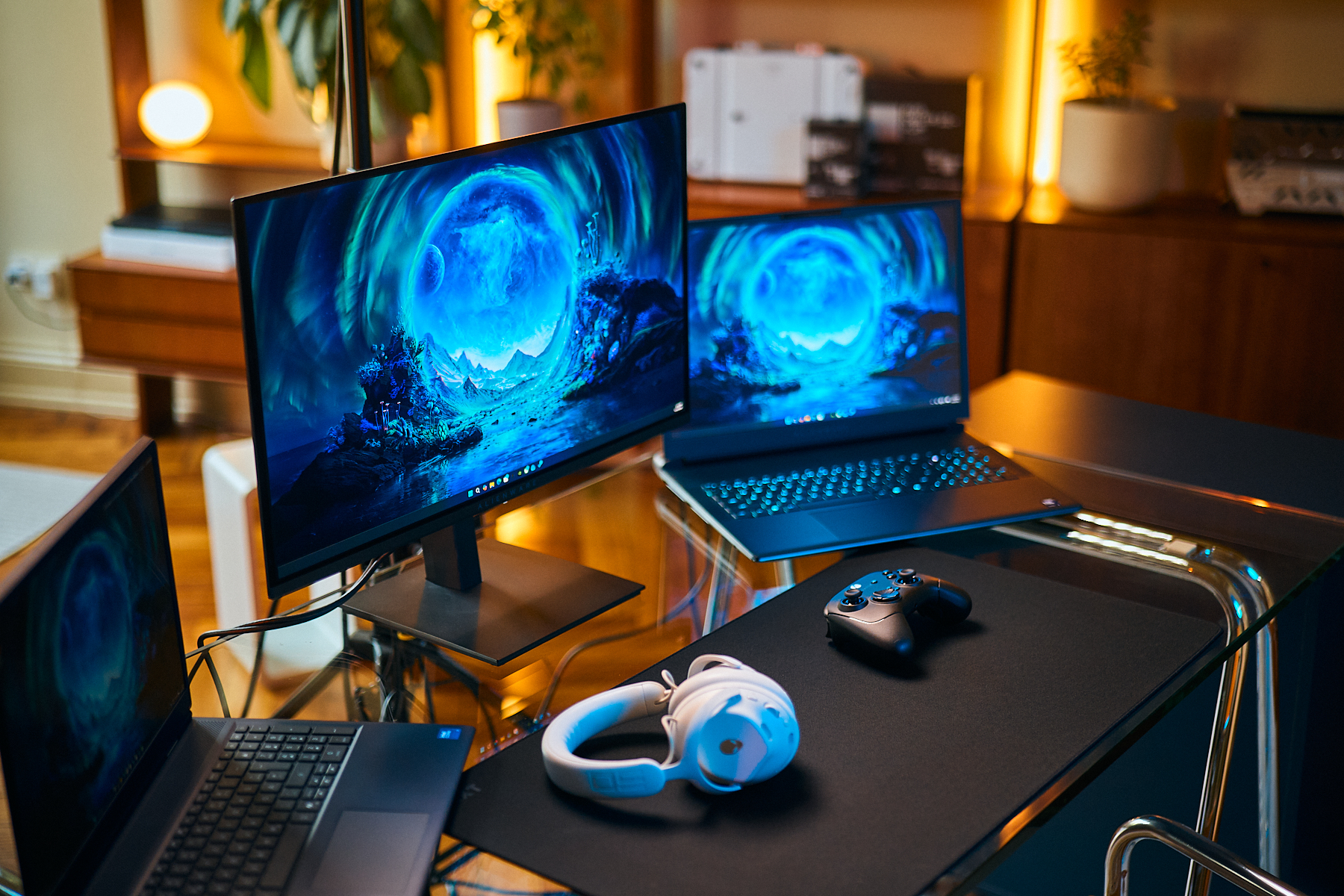
Lab Measurements
Apart from the overall brightness numbers, both panels share the same characteristic, inherent to all OLEDs.
- Alienware AW2726DM Measured Data:
- SDR Brightness: 186.1 Nits
- HDR Peak Brightness: 385 Nits (9% APL) / 189 Nits (100% APL)
- Response Times: 0.32 ms (BtW) / 0.24 ms (GtG)
- PWM: 240 Hz
- Color Gamut: 100% sRGB, 93.98% AdobeRGB, 99.84% Display P3
- Color Accuracy: DeltaE 3.4 - 1.9 (Calibrated)
- Sony Inzone M10S II Measured Data:
- SDR Brightness: 306.8 Nits (100% APL)
- HDR Peak Brightness: 1,411 Nits (1% APL) / 647.8 Nits (9% APL)
- Response Times: 0.13 ms (BtW) / 0.13 ms (GtG)
- PWM: 573 Hz
- Color Gamut: 99.9% sRGB, 94.6% AdobeRGB, 99.3% Display P3
- Color Accuracy: Greyscale DeltaE 4.7 (Factory) - 4.2 (Calibrated)
Verdict & Buyers' Recommendation
- Buy the Alienware AW2726DM if: You want a $350 entry point into OLED contrast, great color accuracy for productivity, and gaming in a room without windows directly behind your screen.
- Buy the Sony Inzone M10S II if: You are an esports professional or hardcore competitive gamer with high-end hardware (RTX 5090 class), prefer the cleaner design, or want top-tier HDR brightness, a matte glare-free finish, and native 540 Hz motion clarity.
Looking for a deeper dive into the budget pick?
If you want to see our full standalone testing, detailed color measurements, and daily driver impressions of Dell's entry-level QD-OLED, check out our Alienware AW2726DM Video Review
 Add as a preferred source on Google


