




Intel launches Core Series 3 processors for entry-level laptops and edge systems
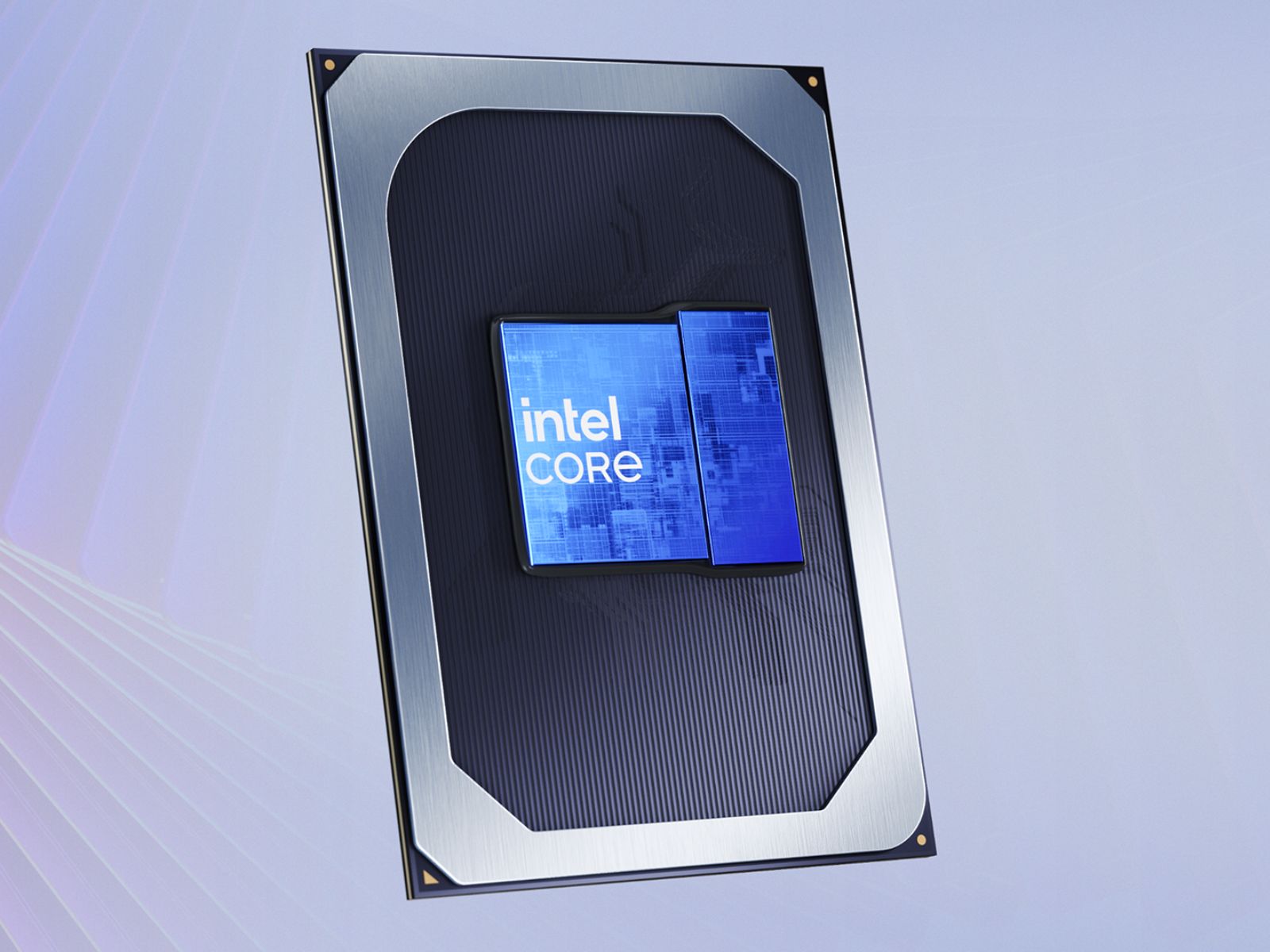
Intel has announced the Intel Core Series 3 processors, a new mobile CPU lineup designed for value-oriented laptops and entry-level computing devices. The processors were unveiled on April 16, 2026, and are expected to power a wide range of consumer and commercial systems throughout the year.
The Core Series 3 family is built on Intel’s 18A process node and draws from the same architectural foundation as the Core Ultra Series 3 platform. According to Intel, the processors are aimed at everyday computing workloads, including productivity, web usage, and light AI tasks.
Hybrid CPU design with integrated AI acceleration
The processors use a hybrid architecture combining Cougar Cove performance cores and Darkmont efficiency cores. A typical configuration includes up to 2 performance cores and 4 low-power efficiency cores, alongside integrated Xe graphics and a Neural Processing Unit (NPU) for AI workloads.
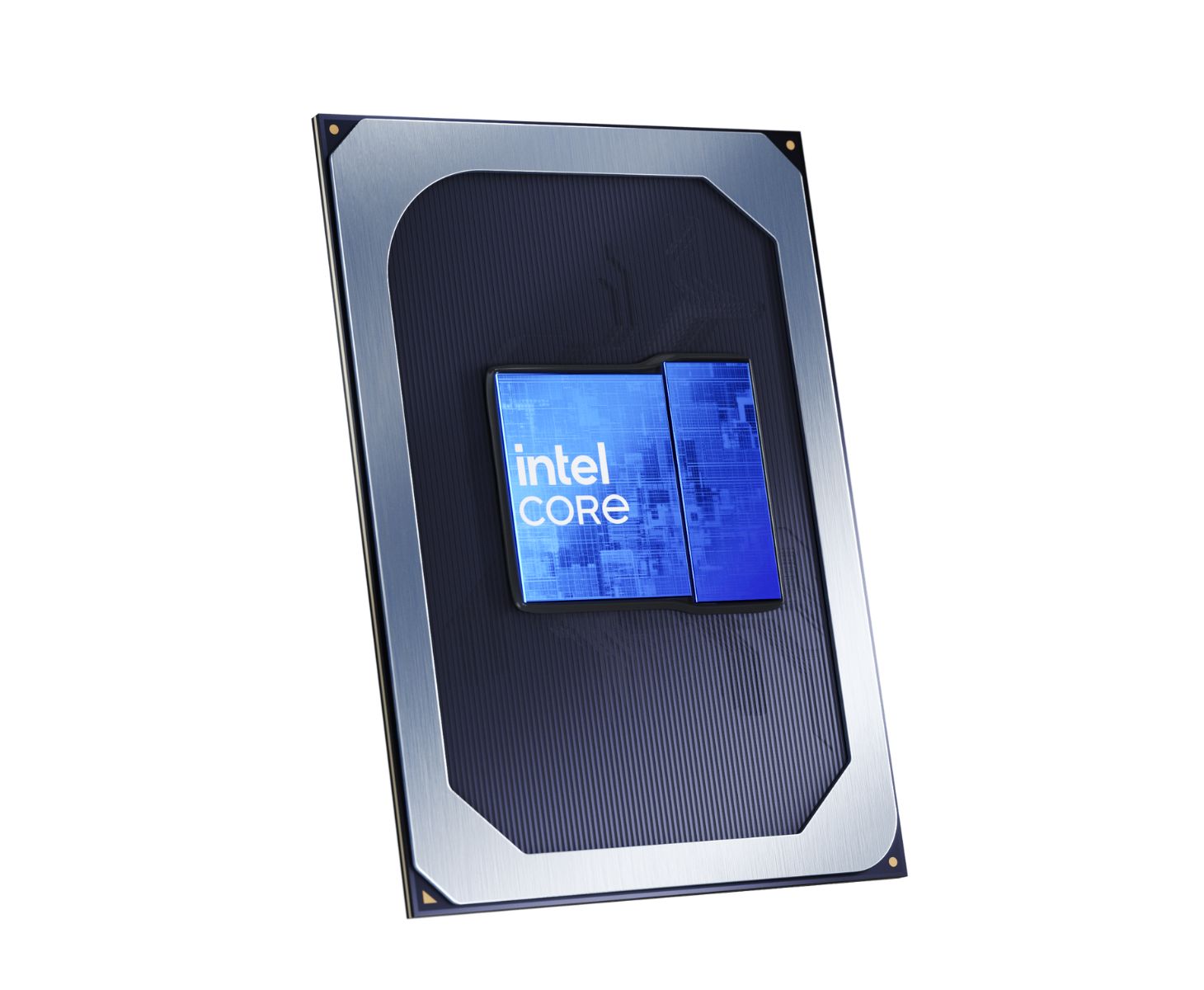
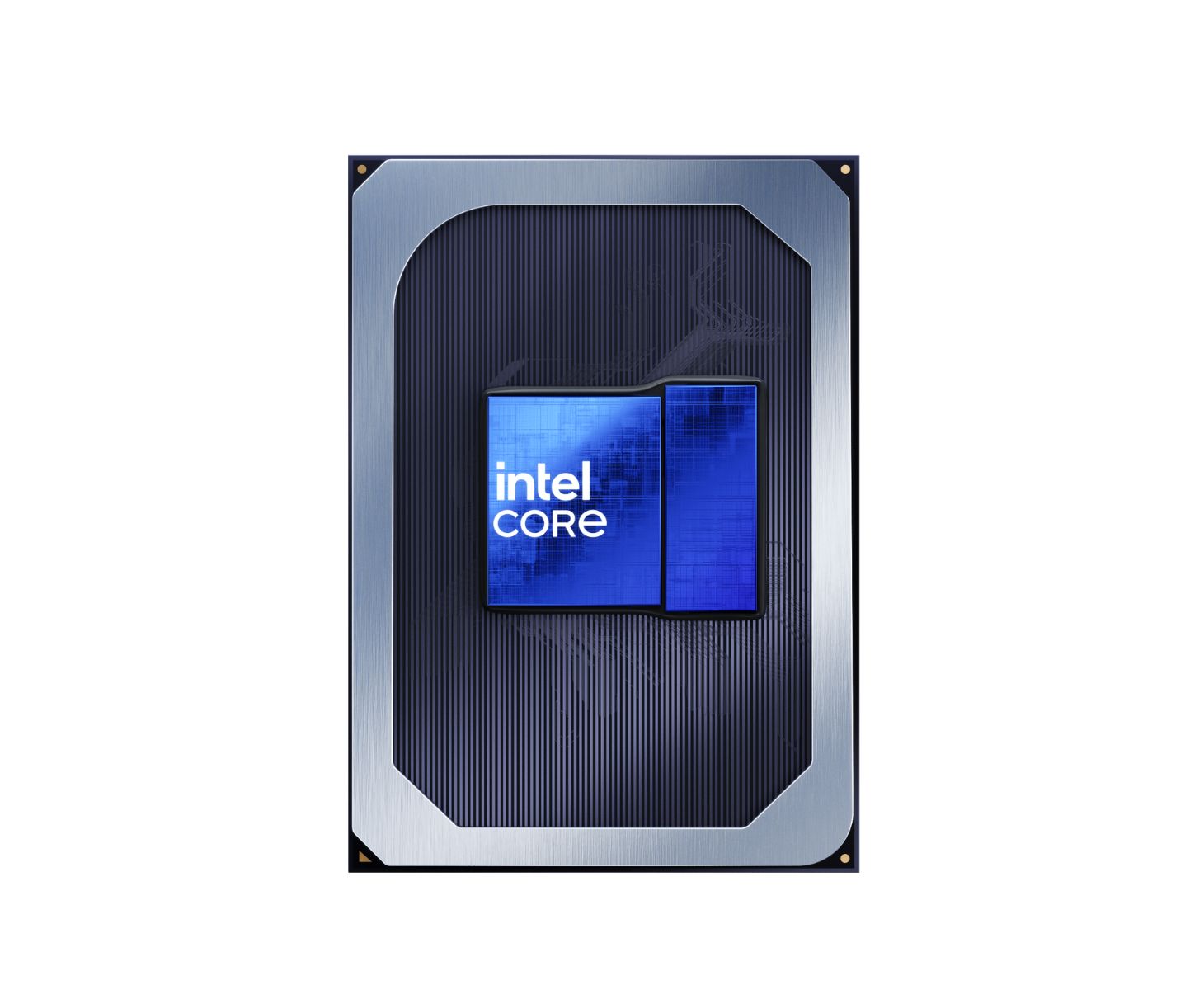
Intel states that the platform can deliver up to 40 TOPS of total AI performance, combining CPU, GPU, and NPU resources. The integrated GPU includes up to 2 Xe3 cores, while memory support extends to LPDDR5x (up to 7467 MT/s) and DDR5 (up to 6400 MT/s).
Connectivity features include support for Thunderbolt 4, PCIe Gen 4 lanes, Wi-Fi 7 (R2), and Bluetooth 6.0.
Performance and efficiency figures based on Intel testing
Intel’s internal benchmarks compare the Core Series 3 processors, particularly the Core 7 360, with earlier chips such as the Core 7 150U and older-generation processors.
- Up to 2.1× higher productivity scores based on UL Procyon, PugetBench, and WebXPRT benchmarks
- Up to 2.7× higher AI GPU performance in Geekbench AI and Procyon AI workloads
- Up to 64% lower processor power during video streaming workloads
Battery-related figures shared in the press deck indicate up to 18.5 hours of video playback, 12.5 hours of office productivity, and 9.6 hours of video calls with AI effects under test conditions.
Intel notes that these results are based on internal testing using reference platforms and may vary depending on configuration and usage. The NPU alone is rated at up to 17 TOPS, with the 40 TOPS figure representing the combined platform total across the CPU, GPU, and NPU; memory is limited to a single-channel configuration, one of the key cost-saving measures that differentiates Wildcat Lake from the higher-end Panther Lake platform.
Range of SKUs and configurations
The lineup includes multiple SKUs across Core 7, Core 5, and Core 3 tiers.
- Core 7 360: 6 cores, up to 4.8 GHz, 17 TOPS NPU
- Core 7 350: 6 cores, up to 4.8 GHz, 17 TOPS NPU
- Core 5 330: 6 cores, up to 4.6 GHz, 16 TOPS NPU
- Core 5 320: 6 cores, up to 4.6 GHz, 16 TOPS NPU
- Core 5 315: 6 cores, up to 4.4 GHz, 15 TOPS NPU
- Core 3 304: 5 cores, up to 4.3 GHz, 15 TOPS NPU
Base power is listed at 15 W, with turbo power reaching up to 35 W depending on the model.
Focus on laptops and edge computing use cases
Intel positions the Core Series 3 processors for both traditional laptops and edge deployments. The press material highlights use cases such as smart metering, smart buildings, robotics, and point-of-sale systems.
For edge workloads, Intel compares performance against systems like the Nvidia Jetson Orin Nano, citing higher throughput in object detection, image classification, and video analytics tasks under specific configurations.
Availability and partner systems
Systems powered by Intel Core Series 3 processors are scheduled to roll out starting April 16, 2026, with broader availability through OEM partners over the year. Edge-focused systems are expected from Q2 2026.
According to the launch material, more than 70 designs from partners including Acer, Asus, HP, Lenovo, and Infinix are planned.
Source(s)
 Add as a preferred source on Google


