




Haptic feedback on the finger - that has potential!
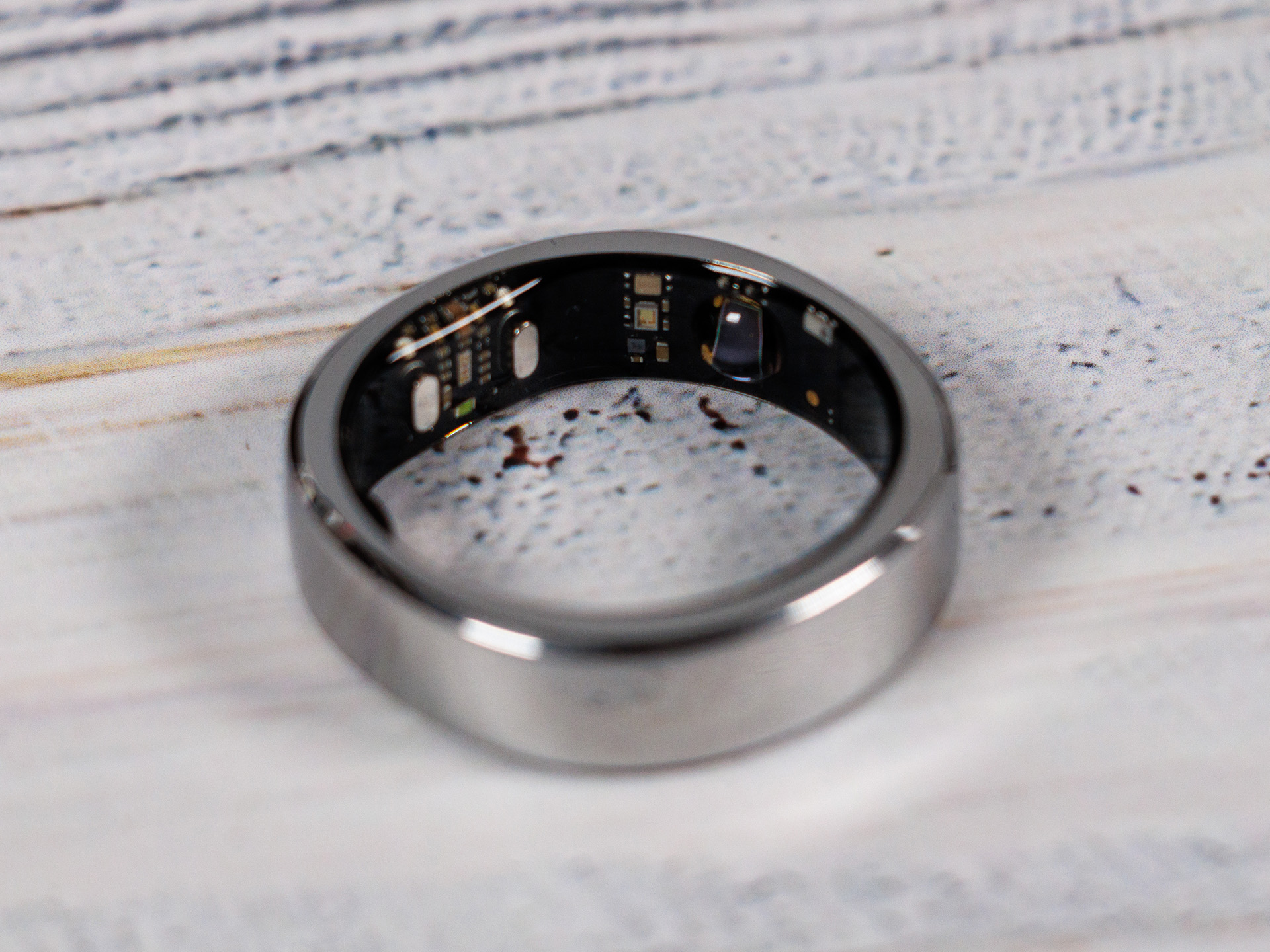
With the integration of a compact vibration motor into the RingConn Gen 3, the smart ring market has overcome a major technical hurdle. The subtly perceptible feedback delivered directly to the bone of the finger opens up entirely new avenues for user interaction. It marks a shift away from a purely passive data logger that silently collects data in the background toward an active everyday companion.
So far, however, manufacturers like RingConn have largely limited haptic feedback to very narrow safety and health functions: silent alerts for critically low blood oxygen levels at night or brief inactivity reminders when sitting at a desk for too long. In contrast, the use cases that are most obvious to consumers and most useful in everyday life remain completely untapped. A silent, haptic morning alarm that vibrates specifically during a light sleep phase and allows your partner to continue sleeping undisturbed is missing, as is the discreet notification of important smartphone alerts for calls or messaging apps.
The reasons for this restraint lie primarily in strict power management and ergonomic design constraints. Any additional mechanical vibration noticeably drains the tiny battery inside the ring casing. Furthermore, the immediate transmission of smartphone notifications requires a constant, power-intensive Bluetooth connection, which would drastically shorten the advertised two-week battery life. Placing the motor in such a confined space is also a complex challenge: It must not make the casing too bulky, yet it must be strong enough to be felt without causing discomfort on the finger.
Nevertheless, current developments clearly show that in future generations of wearables, the vibration module will evolve from a niche feature into a key differentiator. Perhaps additional features will also be unlocked via an update for the RingConn Gen 3 (buy here on Amazon).
Source
 Add as a preferred source on Google


