





Conclusion on the RingConn Gen 3
In our review, the RingConn Gen 3 has established itself as a strong, subscription-free alternative to heavyweights like Oura and Samsung. Its biggest strengths are its outstanding battery life of up to two weeks, the convenient power bank charging case, and its unobtrusive 24/7 health tracking. This lightweight wearable reliably tracks vital signs such as resting heart rate, heart rate variability, and sleep stages. The newly integrated vibration motor offers a subtle added benefit, but falls short of its potential due to the lack of notification or alarm functions.
Weaknesses become apparent in the details. The case has grown to 2.3 millimeters thick and tends to slip slightly when you sweat. In addition, there are occasional outliers in blood oxygen readings, which are likely due to the device slipping during the night or movement during automatic measurements. The blood pressure analysis provides only relative trends after manual calibration and requires a cuff for calibration. Due to the lack of built-in GPS and sluggish heart rate tracking during exercise, the ring is only suitable to a limited extent for active sports. Furthermore, the device is irreparable due to its manufacturing design.
Pros
Cons
Price and availability
The RingConn Gen 3 is available directly on the RingConn website for $349, as well as on Amazon.

Table of Contents
Smart rings have established themselves as a discreet alternative to smartwatches. They focus primarily on comprehensive health tracking, recovery, and sleep. With the RingConn Gen 3, a new generation of models is entering the market, aiming to enhance the proven concept with haptic feedback and advanced vascular analysis.
However, the market is dominated by fierce competition. The Oura Ring is considered the undisputed market leader, offering extremely precise sleep analytics but requiring a monthly subscription. In the Android camp, the Samsung Galaxy Ring is vying for buyers: It scores points with seamless integration into its own ecosystem and doesn’t require subscription fees, but it completely excludes iOS users. As another rival, Amazfit is entering the race with the Helio Ring.
Our review shows how the RingConn Gen 3 stacks up against this well-known competition and whether it can shake up the market without requiring a subscription.
Body and features - RingConn Gen 3 is water-resistant up to 100 meters
On paper, the RingConn Gen 3 offers a lot of innovation, but in practice, it requires compromises in terms of features and build quality. A closer look at the hardware reveals where the Ring excels in everyday use and where it reaches its limits.
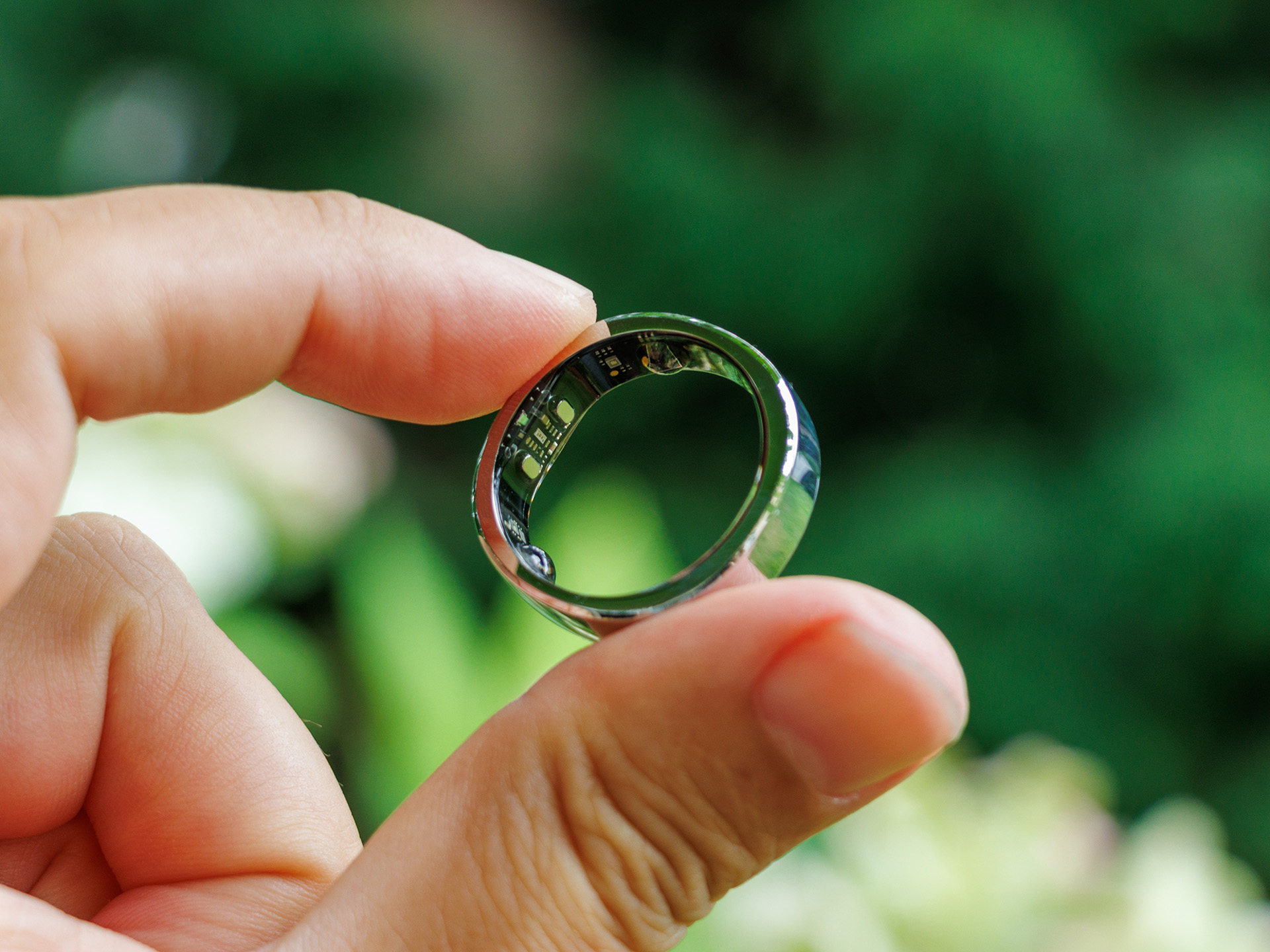
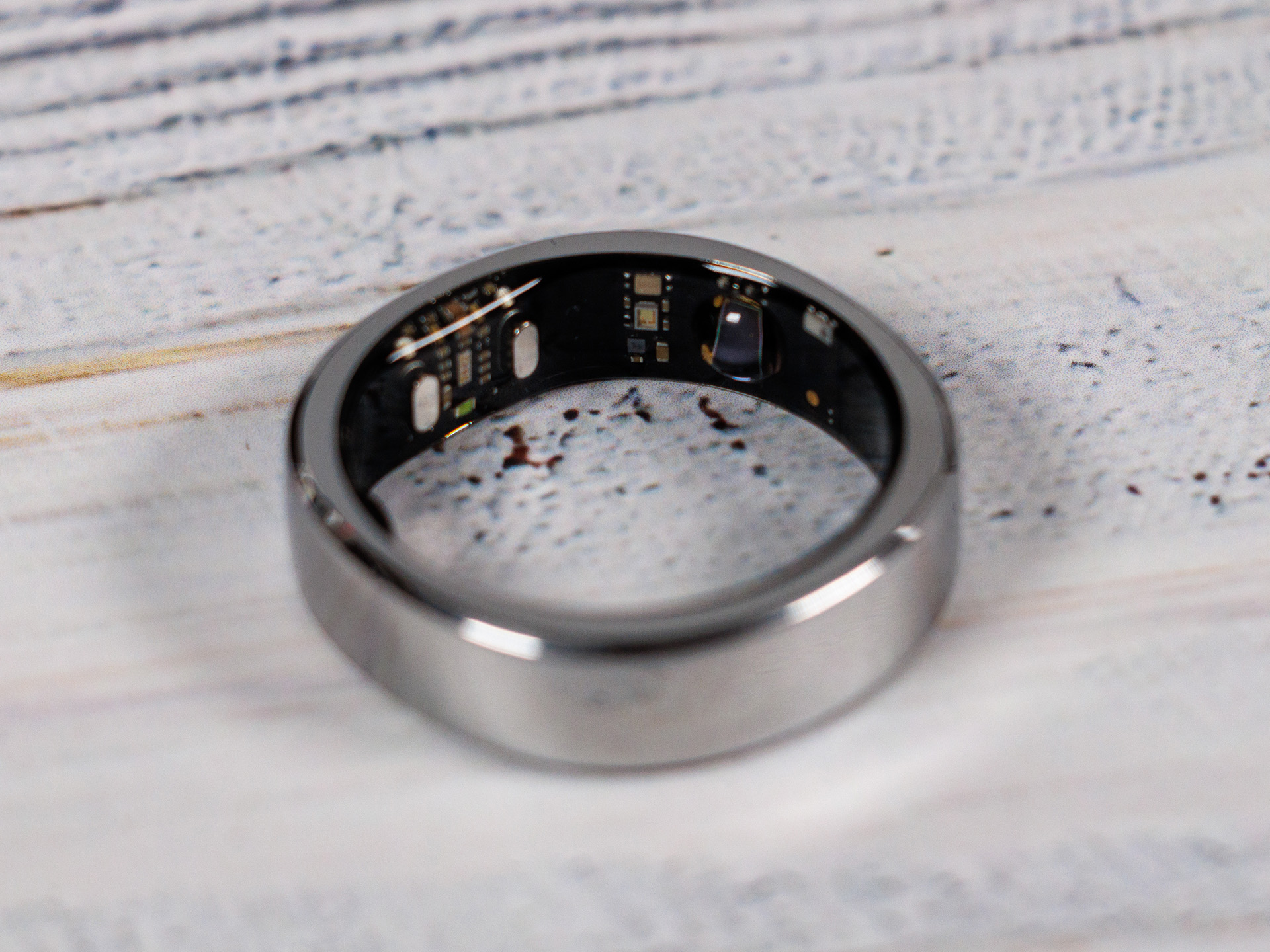
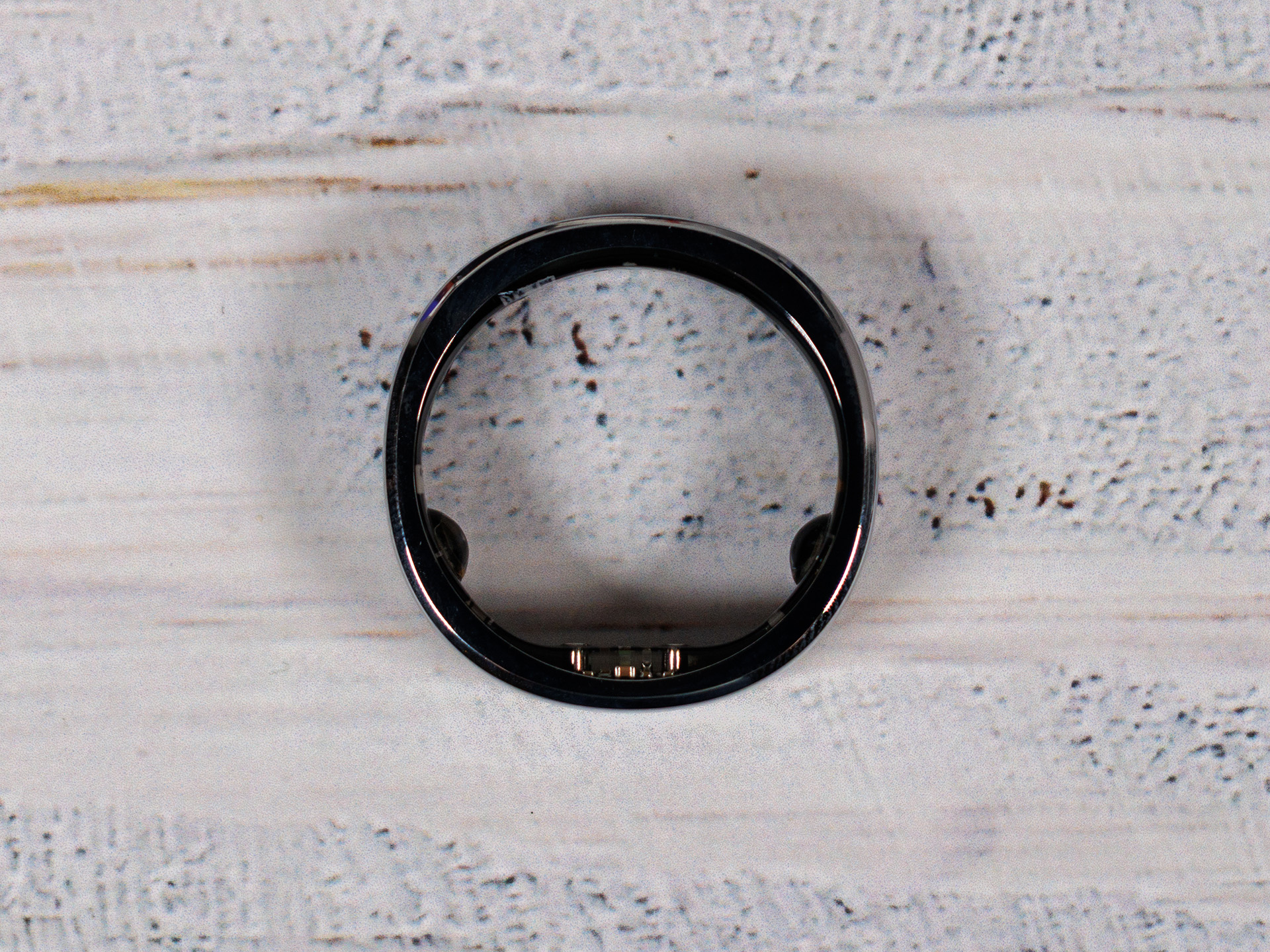
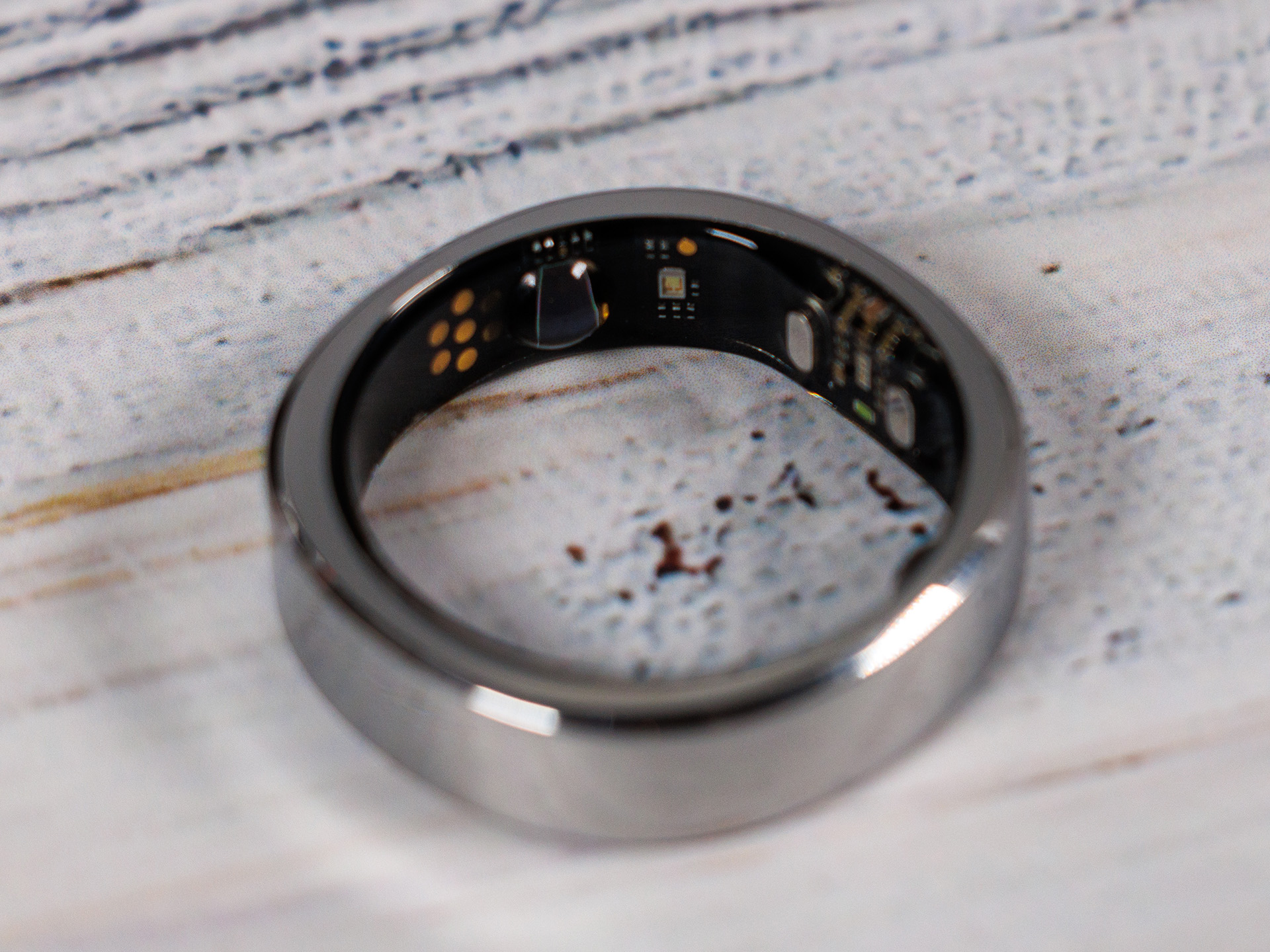
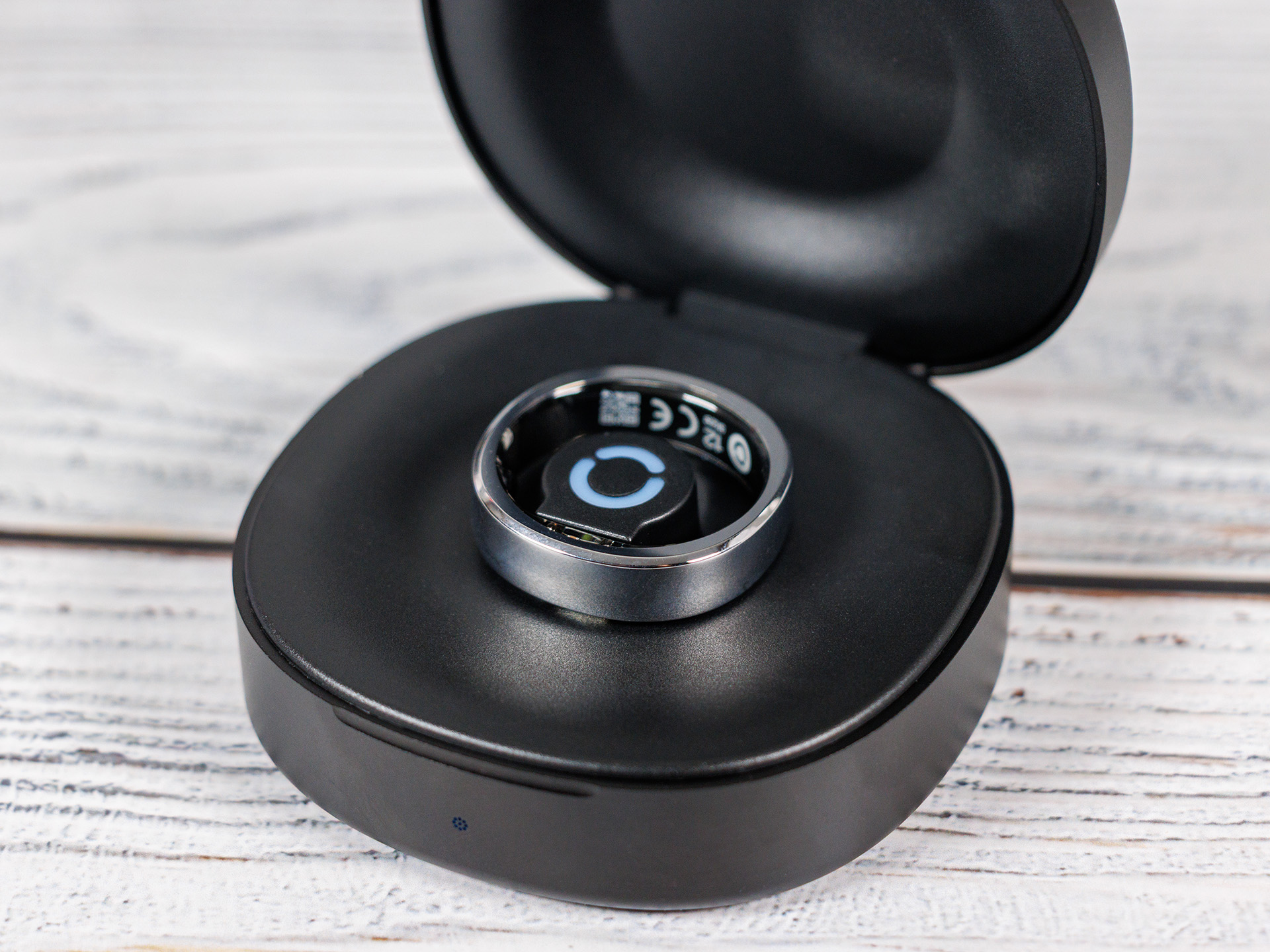
When it comes to comfort, the improved technology takes its toll. To accommodate the new vibration module and a larger battery, the height increased from 2.0 mm to 2.3 mm. That may sound negligible, but it’s noticeably more pronounced on slimmer fingers or when gripping firmly, such as during weight training or while carrying groceries. The build quality with a titanium case and moisture-resistant resin on the inside is very good and feels premium, but it tends to slip when you sweat, which can cause the sensors to lose their ideal angle.
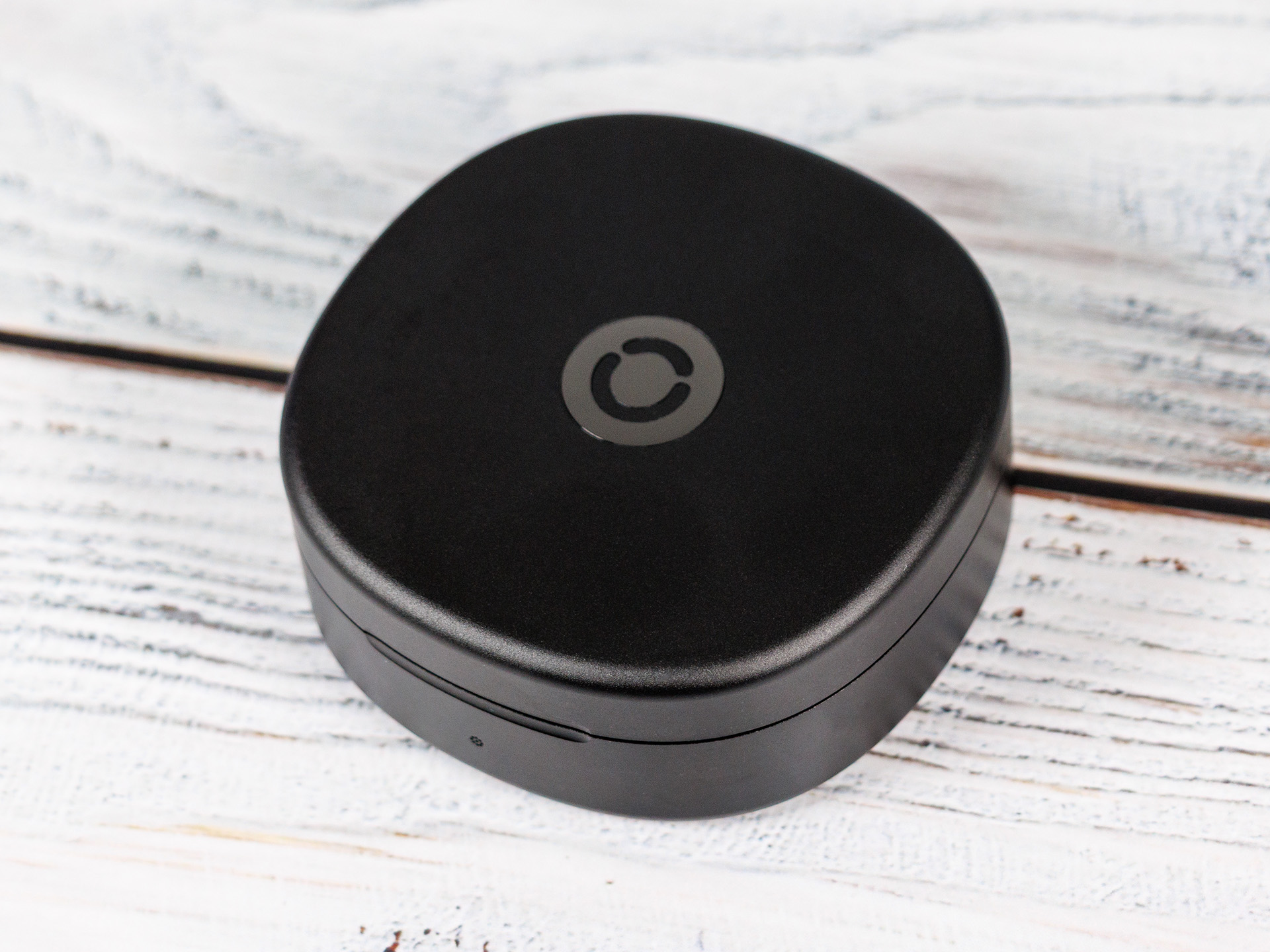
In terms of features, the well-designed charging case stands out positively, serving as a power bank for extended battery life. The built-in vibration motor is a useful new feature, but it doesn’t live up to its full potential: it’s limited to inactivity and health notifications. It doesn’t alert you to smartphone calls or messages, and there’s no vibration-based location feature to help you find a misplaced ring in the room.
The RingConn Gen 3 is available in the following colors: “Future Silver” (our test unit, size 12), “Royal Gold,” “Matte Black,” “Brushed Silver,” and “Brushed Rose Gold.” The ring comes in ten sizes (6 to 15), with varying battery capacities (sizes 6–7: 13 mAh, sizes 8–11: 15 mAh, sizes 12–15: 16.5 mAh). It weighs between 2.5 and 3.5 grams.
Sustainability
When it comes to sustainability, the RingConn Gen 3 has its pros and cons. On the positive side, the titanium case features an eco-friendly PVD coating, and the packaging contains no visible plastics.
However, like almost all smart rings, the device is completely sealed inside its casing and is therefore irreparable. If the battery or sensor fails, electronic waste is inevitably generated, as recycling is made difficult by the bonding of resin, electronics, and metal.
Setup and operation - Vibrations only for health notifications
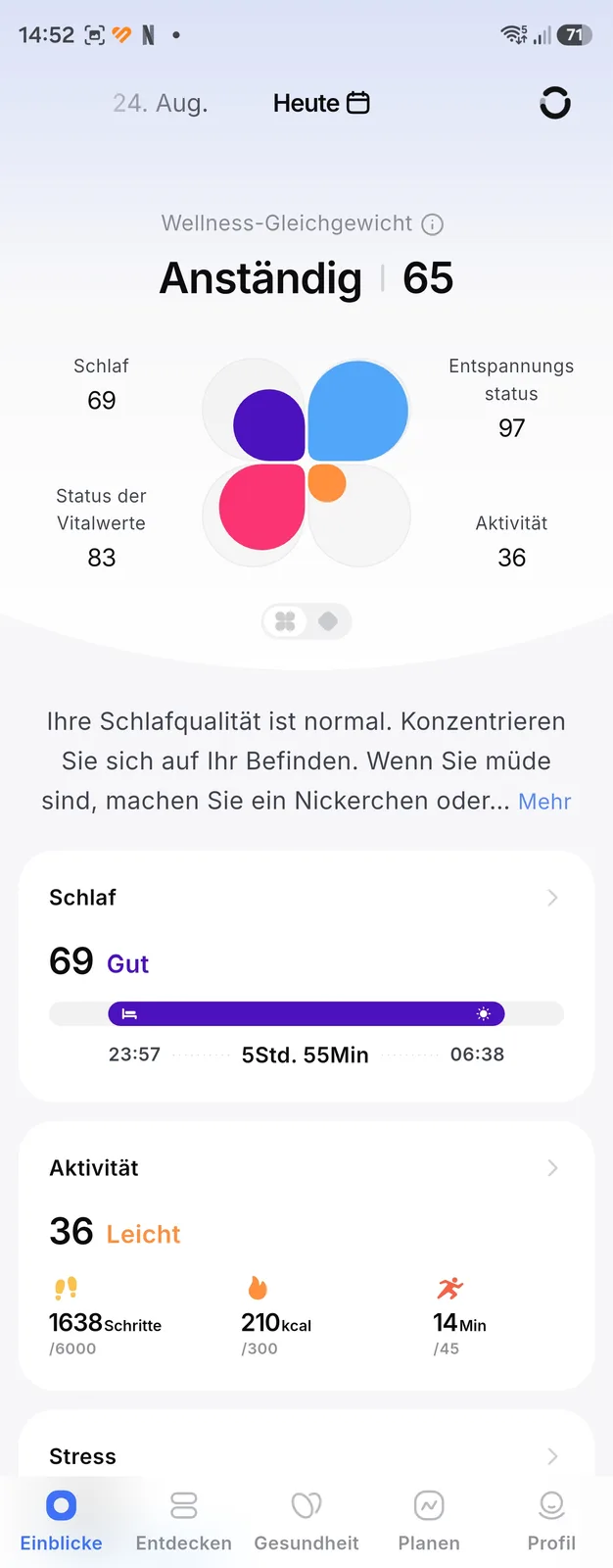
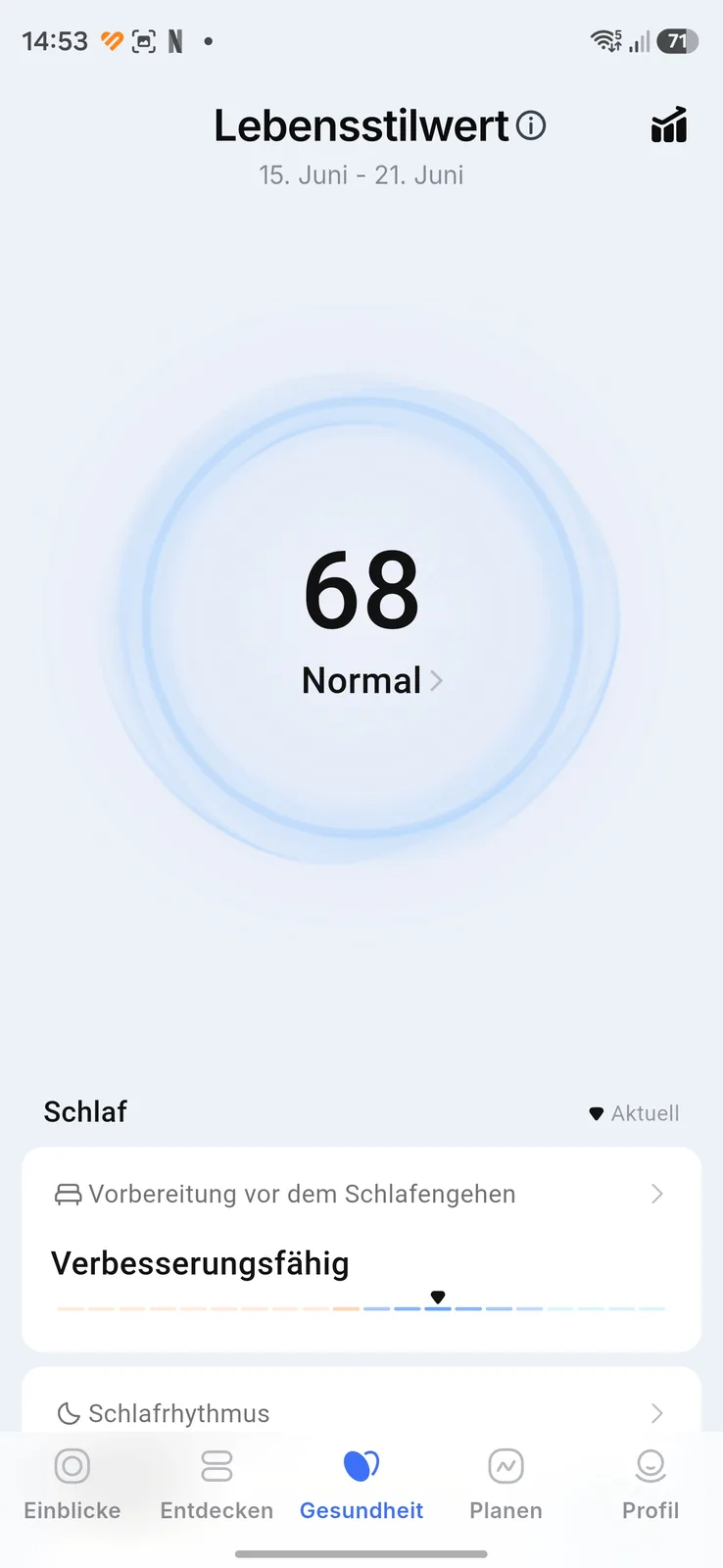
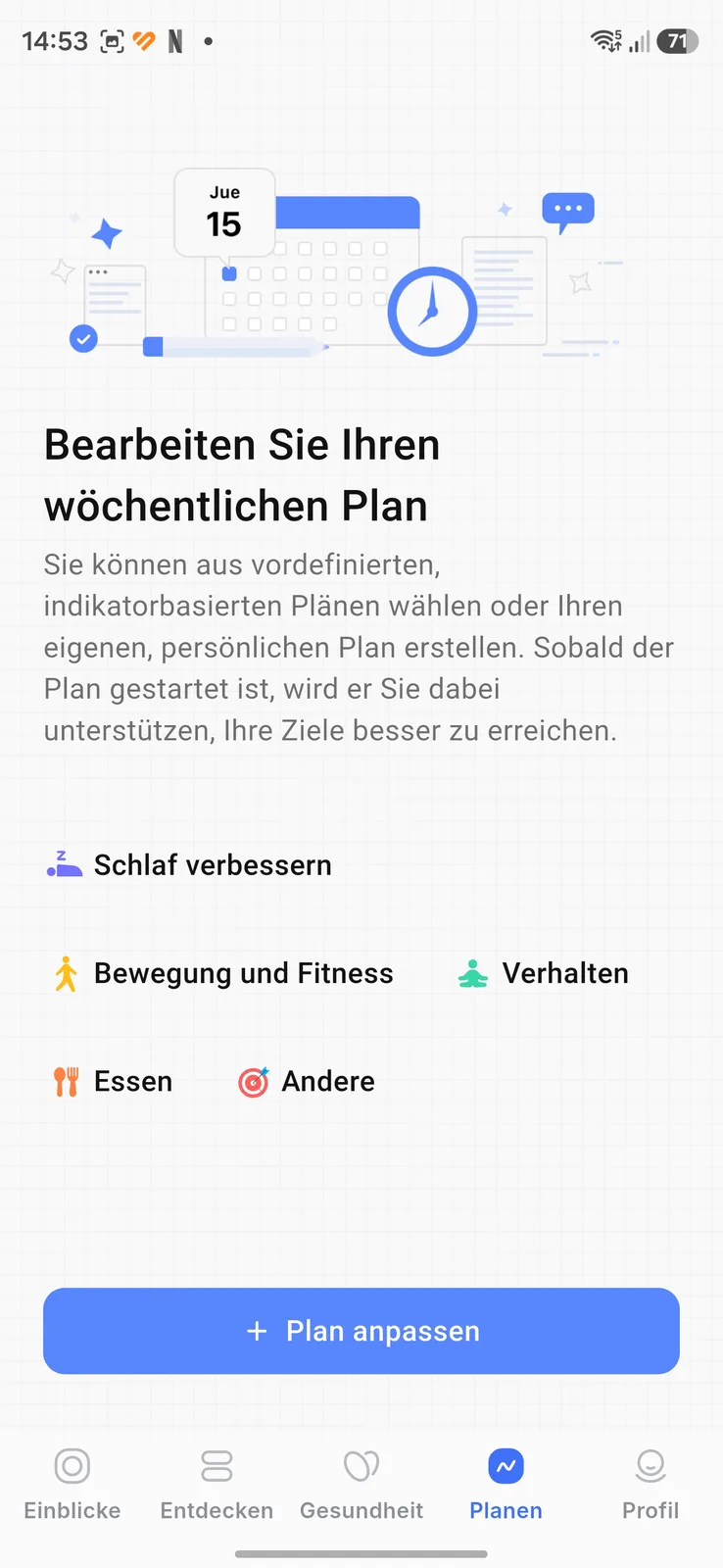
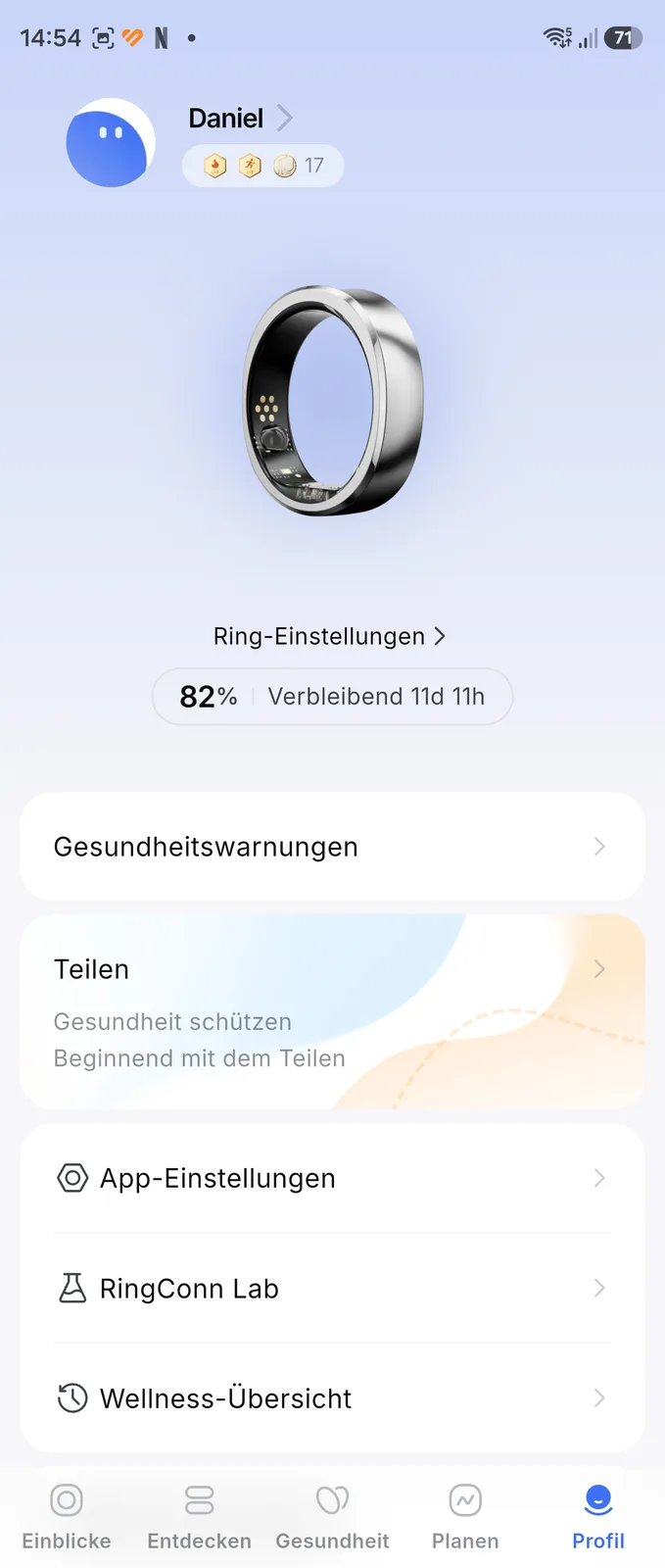
Setting up the RingConn Gen 3 for the first time is quick and easy: After pairing via Bluetooth, the user-friendly companion app guides you intuitively through the process. The app presents health and sleep data in a visually appealing way without overwhelming the user with complicated menus. A major plus in everyday use is the lack of subscription fees; all analytics are available without restriction right from the start.
Day-to-day control is largely passive, as the ring has no touchscreen interface. A new feature is the built-in vibration motor, which provides subtle haptic feedback during periods of inactivity or when vital signs show abnormalities. However, the system falls short here: the vibration does not indicate smartphone notifications for calls or messages. This is likely not possible due to potentially high battery consumption, but it would still be a desirable optional feature.
Health and fitness - RingConn Gen 3 as a health assistant

The RingConn Gen 3 really shines when it comes to passive 24/7 health tracking. Its analysis of sleep, resting heart rate, blood oxygen levels, and sleep apnea risks delivers precise results on par with a smartwatch. This is complemented by trends related to vascular health. However, this feature requires regular manual entry of external blood pressure readings to estimate relative changes. The Ring does not replace a standalone blood pressure monitor.
As a fitness tracker, the wearable has its limitations. It tracks basic activities, steps, and calorie burn, but due to the lack of its own GNSS and a very limited selection of sport modes, the ring is hardly suitable for ambitious workout tracking. Skin temperature tracking is also largely limited to nighttime hours. Those looking for a discreet analysis tool for recovery and rest data will be well-served, but for athletes, the ring is more of a supplement.
Heart rate, heart rhythm, and blood oxygen saturation
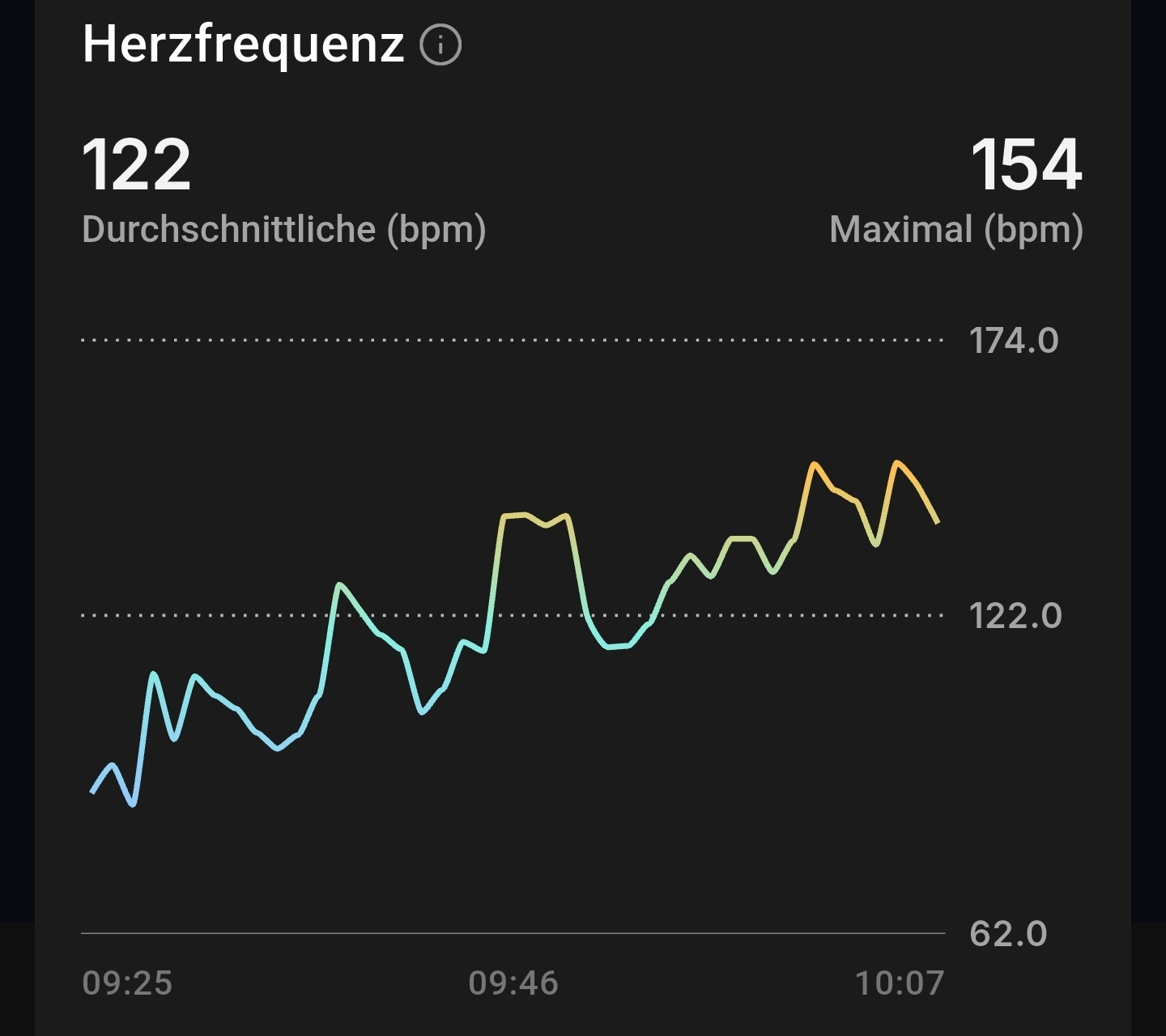
Since the RingConn Gen 3 does not have satellite tracking, you must carry your paired smartphone with you during a workout. Heart rate, blood oxygen, and blood pressure measurements can be initiated manually in the app, but they are also performed in the background.
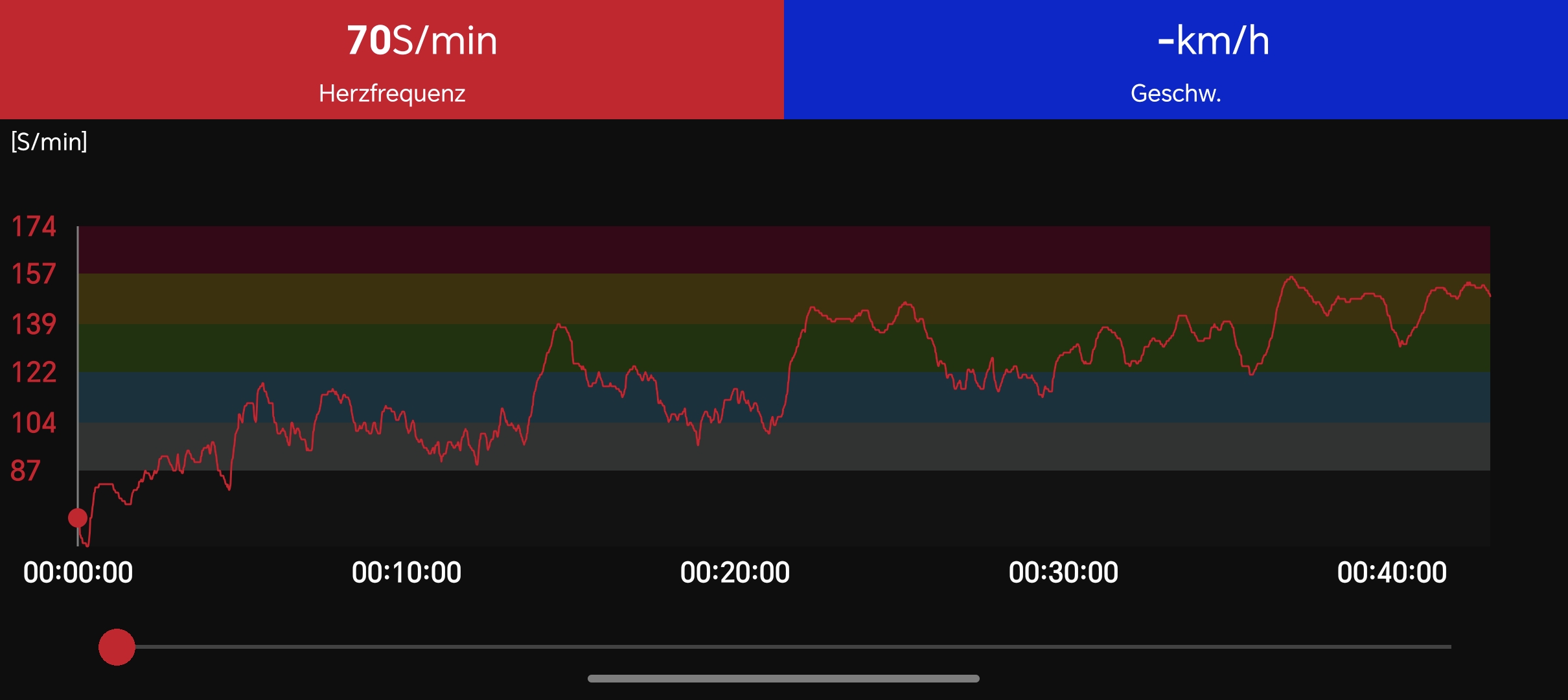
We compared the heart rate measurement with the Polar H10 chest strap. Both devices recorded an identical resting heart rate, and their readings were also very close during a bike ride. The peak heart rate recorded by the RingConn Gen 3 was two beats lower, but the average was three beats higher. The RingConn Gen 3 also measures heart rate variability.
We compared the blood oxygen measurement with a Braun pulse oximeter 1. Two of the test readings were identical; only the third differed by five percentage points. The measurement is therefore quite accurate, but we do occasionally notice downward outliers in everyday use, often at night as well. This is likely due to the ring slipping out of place or movement occurring during the automatic measurement.
Skin temperature is also measured and is particularly important for women’s health, as RingConn aims to use the ring to predict the timing of menstruation, the follicular phase, ovulation, and the luteal phase.
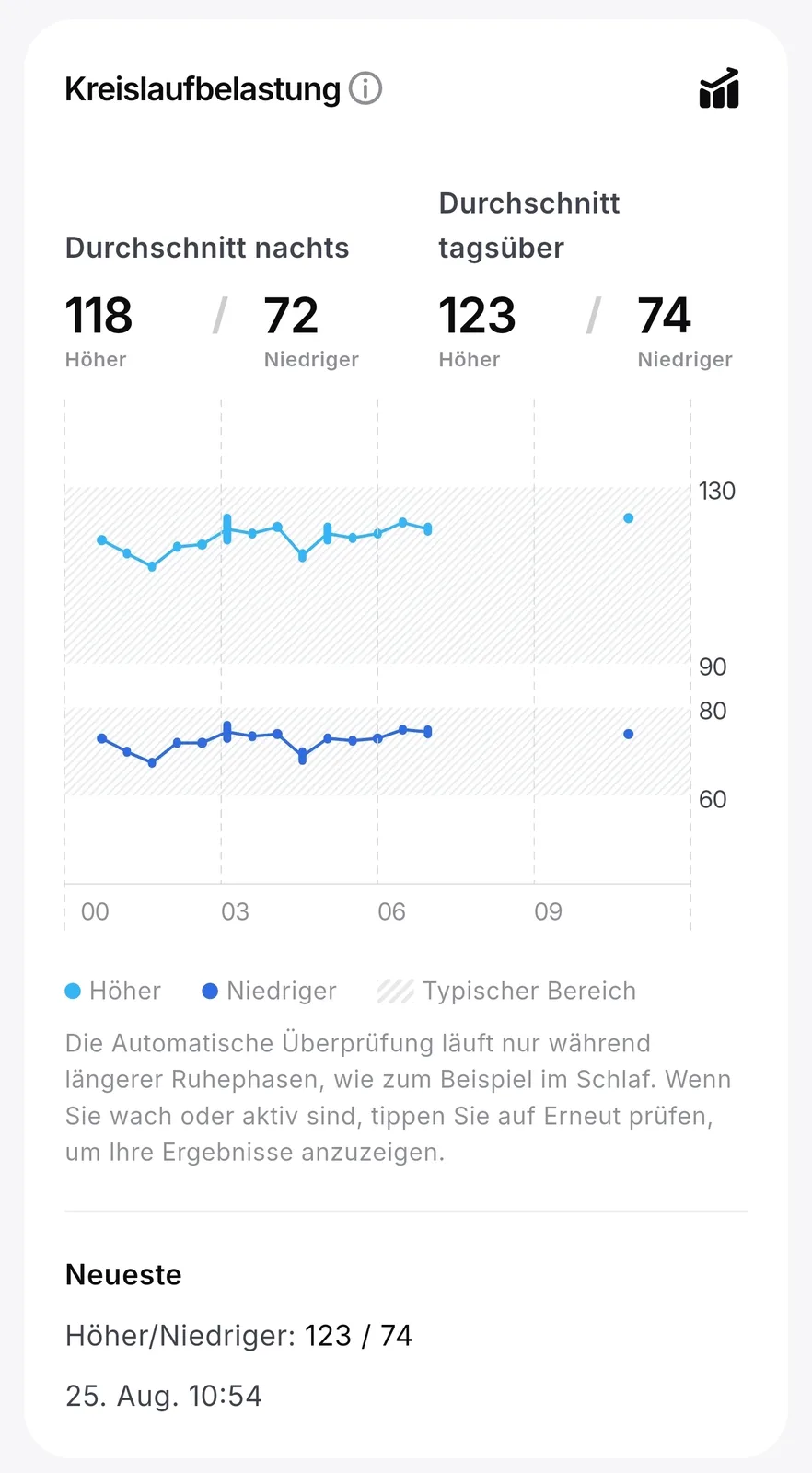
Blood pressure is also estimated using optical sensors, following prior calibration with an optional upper-arm cuff. This is similar to the Hilo Band or the Galaxy Watches. Immediately after calibration, the ring’s readings are quite accurate, but they are slightly lower (about 4–6 mmHg) than those of our reference device, the Braun ExacFit 5 Connect. A true measurement, such as that performed by a Huawei Watch D2, does not take place here. Accordingly, the results should be interpreted with caution. If in doubt, it’s better to use a genuine medical device for measurement or have the readings verified by a doctor. However, this doesn’t make the feature useless, as blood pressure is continuously monitored 24/7, allowing trends to be identified, which the ring then reports on.
Sleep tracking
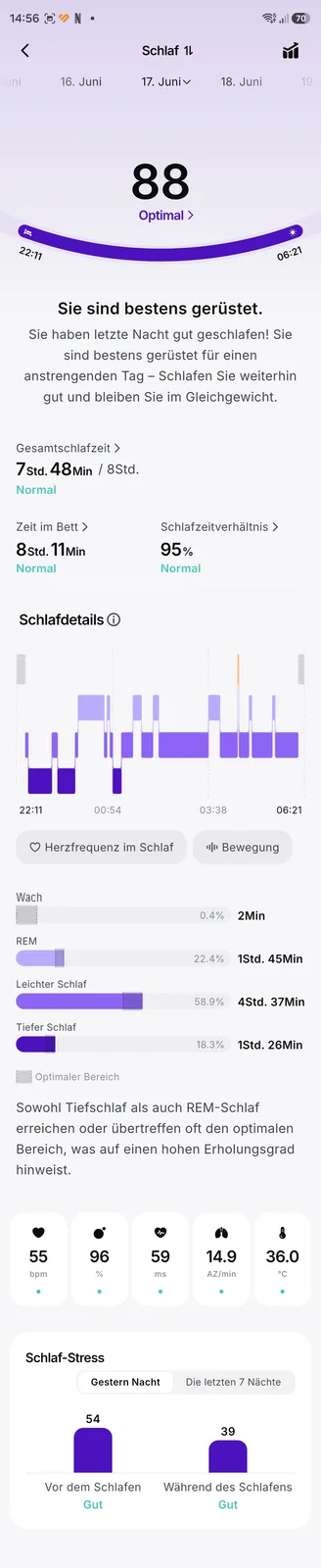
When it comes to sleep tracking, the RingConn Gen 3 really shines, though it does require a certain amount of patience in everyday use. Its biggest advantage over a traditional smartwatch remains its form factor: there’s no glowing display to disturb you at night, and the measurement of resting heart rate, heart rate variability (HRV), and sleep stage distribution runs unobtrusively in the background.
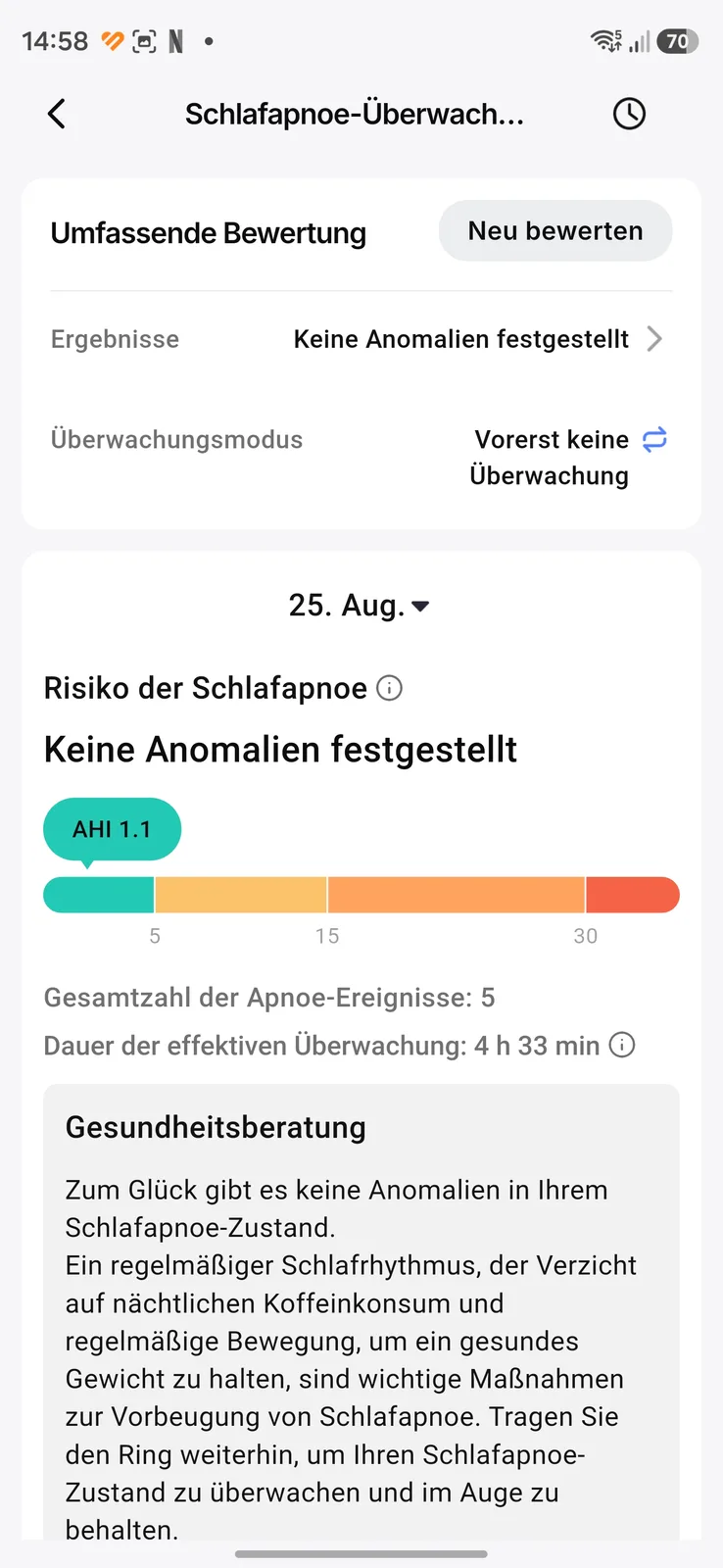
The optical sensors measure blood oxygen saturation and use this data for potential screening of sleep apnea. Here, too, occasional measurement outliers are noticeable, as this data is also used for apnea detection and can lead to incorrect results. Sleep stage detection is generally good and quite precise; however, in practice, short afternoon naps are occasionally overlooked. In testing, some nights also showed more wakeful periods than actually occurred.
The built-in vibration module adds an interesting feature by providing a silent alert when oxygen saturation drops significantly. However, how well this rather subtle feedback is perceived during deep sleep depends heavily on individual sleep patterns.
The RingConn Gen 3 thus provides a solid, visually well-presented data foundation for nightly recovery.
Training recording
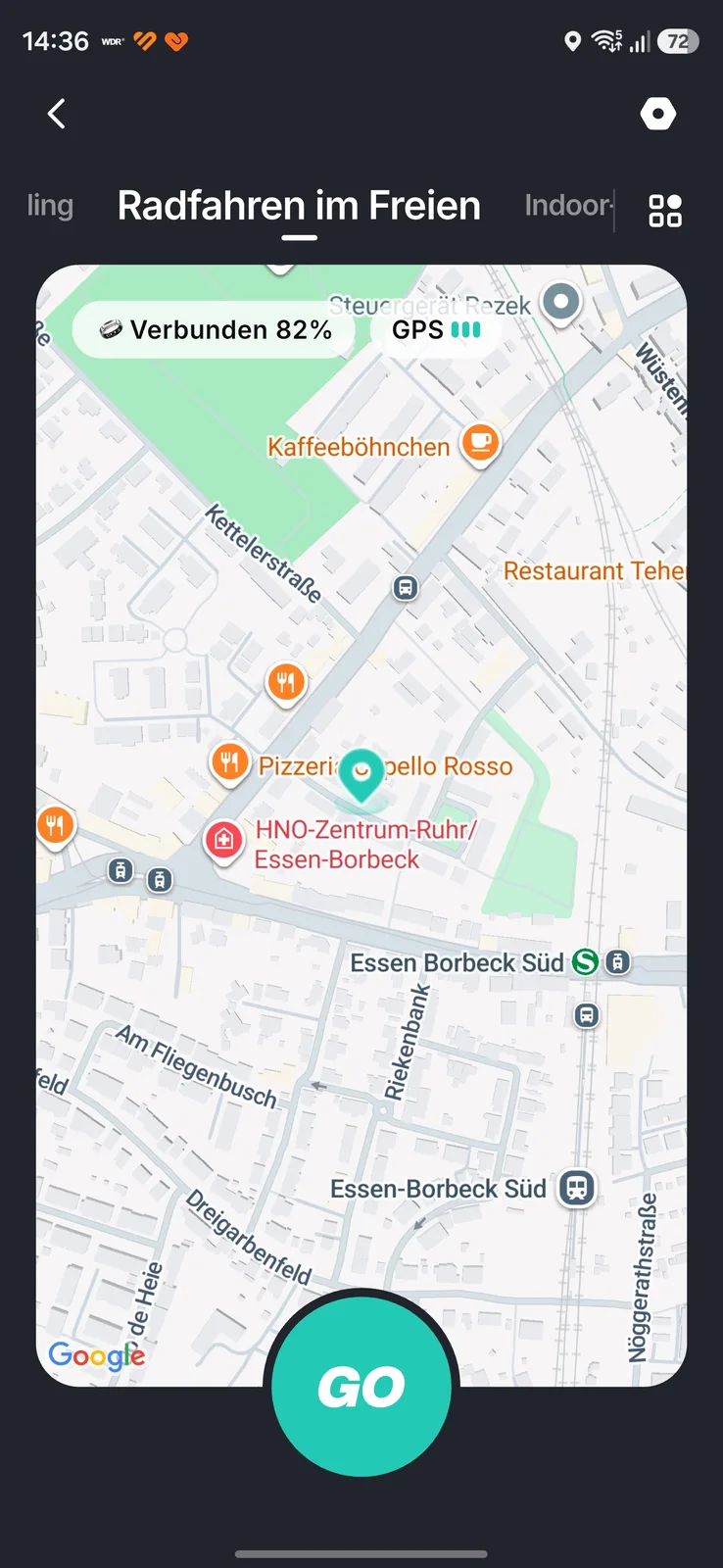
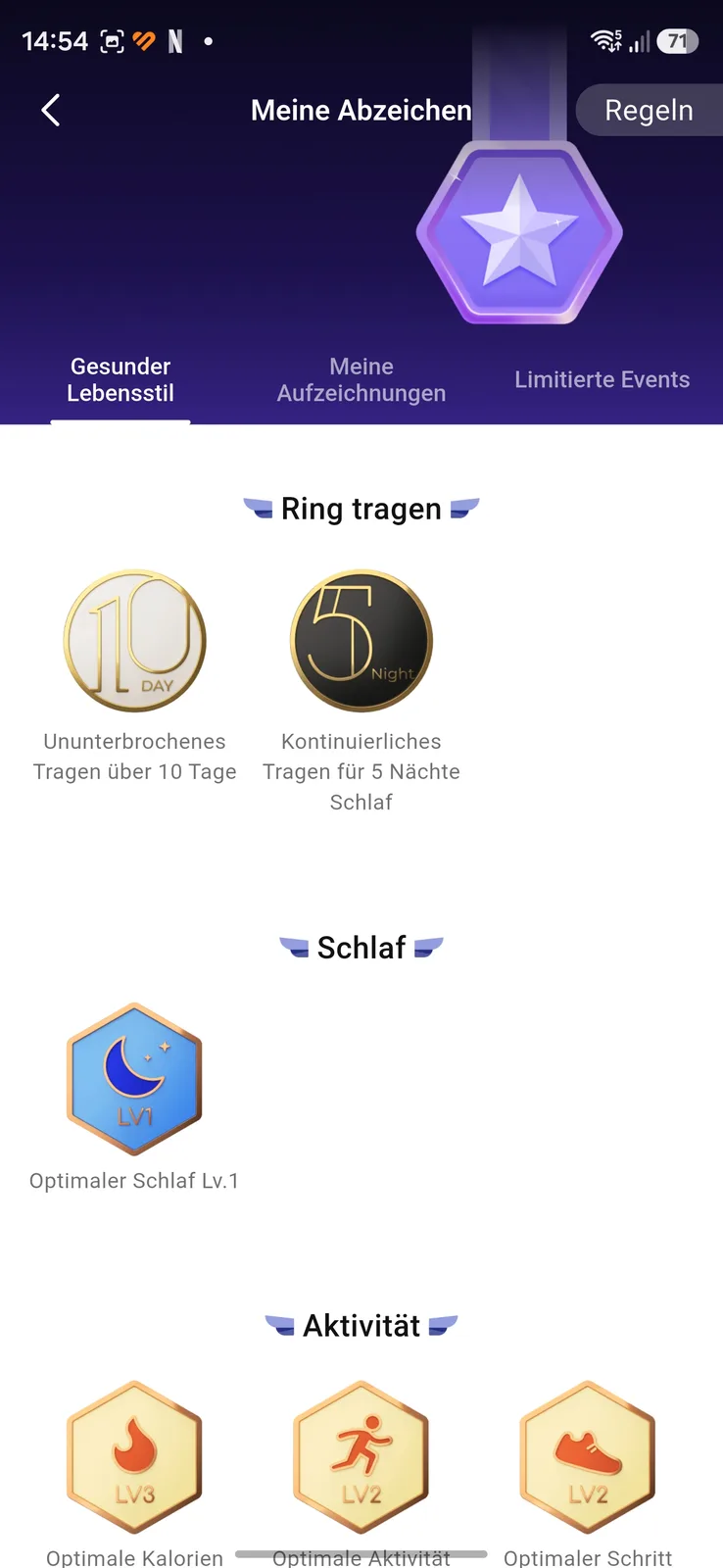
When actively tracking workouts, the RingConn Gen 3 reveals the inherent limitations of a smart ring. It is not intended to be a precise sports watch, but rather an unobtrusive tracker of everyday movement patterns.
The app offers only a few dedicated sports modes (such as running, cycling, indoor rowing, yoga, or hiking) to choose from. If you start sessions manually via your smartphone, you can accurately track distances and routes, since the smartphone then handles location tracking; the ring itself does not have its own GNSS module. A notable feature is the automatic activity detection, which automatically records simple activities like walks after about ten minutes.
In addition to tracking heart rate and step count, the Ring also calculates the calories burned during these activities.
Battery life – RingConn Gen 3 lasts a long time
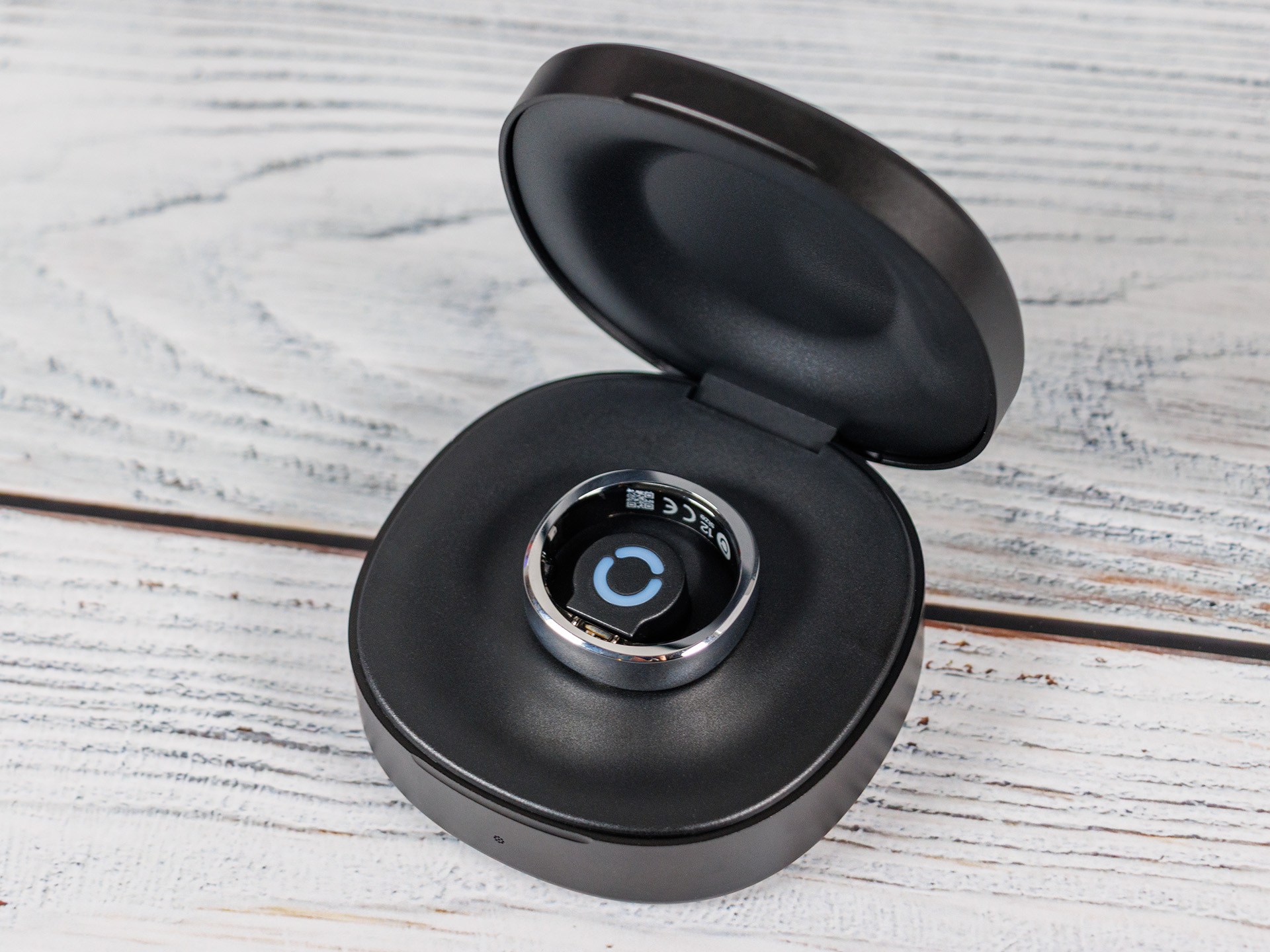
Battery life is one of the RingConn Gen 3’s greatest strengths. While many competing models need to be plugged in after just four to six days, the RingConn Gen 3 lasts about 11 to 14 days under real-world conditions. Even with 24/7 monitoring of heart rate, blood oxygen levels, and skin temperature continuously enabled, along with occasional workout recordings, a full charge wasn’t depleted until after eleven days in our test.
The included charging case underscores the focus on maximum independence. It not only serves as storage but, thanks to its built-in battery, also functions as a mobile power bank that can fully recharge the ring multiple times while on the go. One minor drawback is the ring’s own charging time: it takes a good 90 minutes for the wearable to fully charge in the case.
Possible alternatives compared
Image | Model | Price | Size | Weight | Battery Capacity | Display |
|---|---|---|---|---|---|---|
1.  | RingConn Gen 3 | Amazon: $349.00 List Price: 369€ | 3 g | 16.5 mAh | x | |
2.  | Amazfit Helio Ring | Amazon: List Price: 300€ | 3.82 g | 20.5 mAh | x |
Transparency
The selection of devices to be reviewed is made by our editorial team. The test sample was provided to the author as a loan by the manufacturer or retailer for the purpose of this review. The lender had no influence on this review, nor did the manufacturer receive a copy of this review before publication. There was no obligation to publish this review. As an independent media company, Notebookcheck is not subjected to the authority of manufacturers, retailers or publishers.
This is how Notebookcheck is testing
Every year, Notebookcheck independently reviews hundreds of laptops and smartphones using standardized procedures to ensure that all results are comparable. We have continuously developed our test methods for around 20 years and set industry standards in the process. In our test labs, high-quality measuring equipment is utilized by experienced technicians and editors. These tests involve a multi-stage validation process. Our complex rating system is based on hundreds of well-founded measurements and benchmarks, which maintains objectivity. Further information on our test methods can be found here.
 Add as a preferred source on Google


