




Google’s new laptop OS is Android, ChromeOS and Linux mashed into one
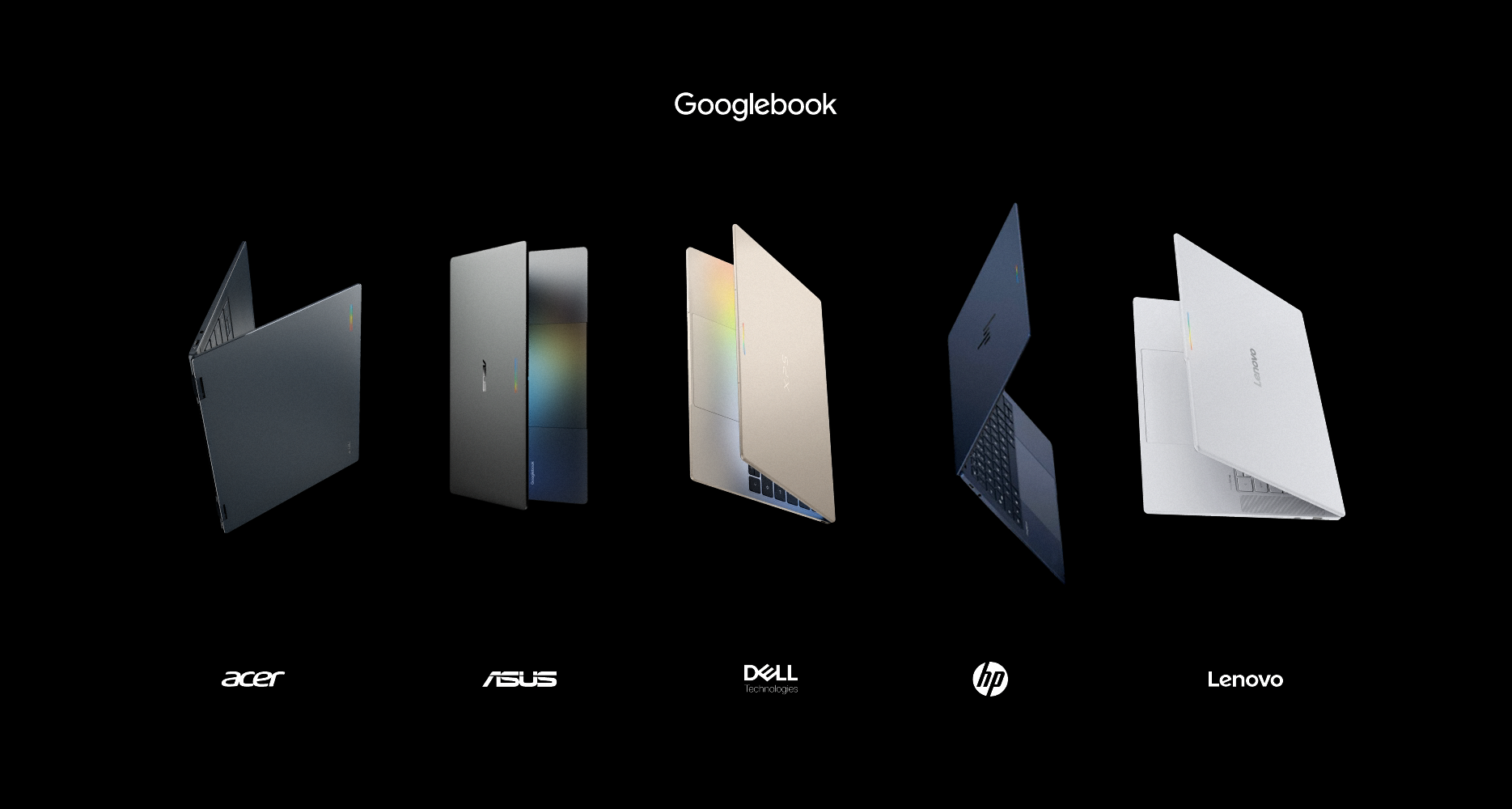
Google has shed more light on the software architecture behind its new Googlebook laptops, detailing how Googlebook OS combines Android with technology inherited from ChromeOS. The company is also promising quarterly feature and security updates for up to 10 years, matching the support window currently offered for Chromebooks.
Googlebooks officially entered pre-orders earlier today after months of leaks surrounding models from Acer, Asus, Dell, HP and Lenovo. As we previously reported, the initial lineup starts at $899 and includes Intel Panther Lake and Qualcomm Snapdragon X Elite-powered machines, with 16 GB of RAM, a 40+ TOPS NPU and touch displays as baseline specifications.
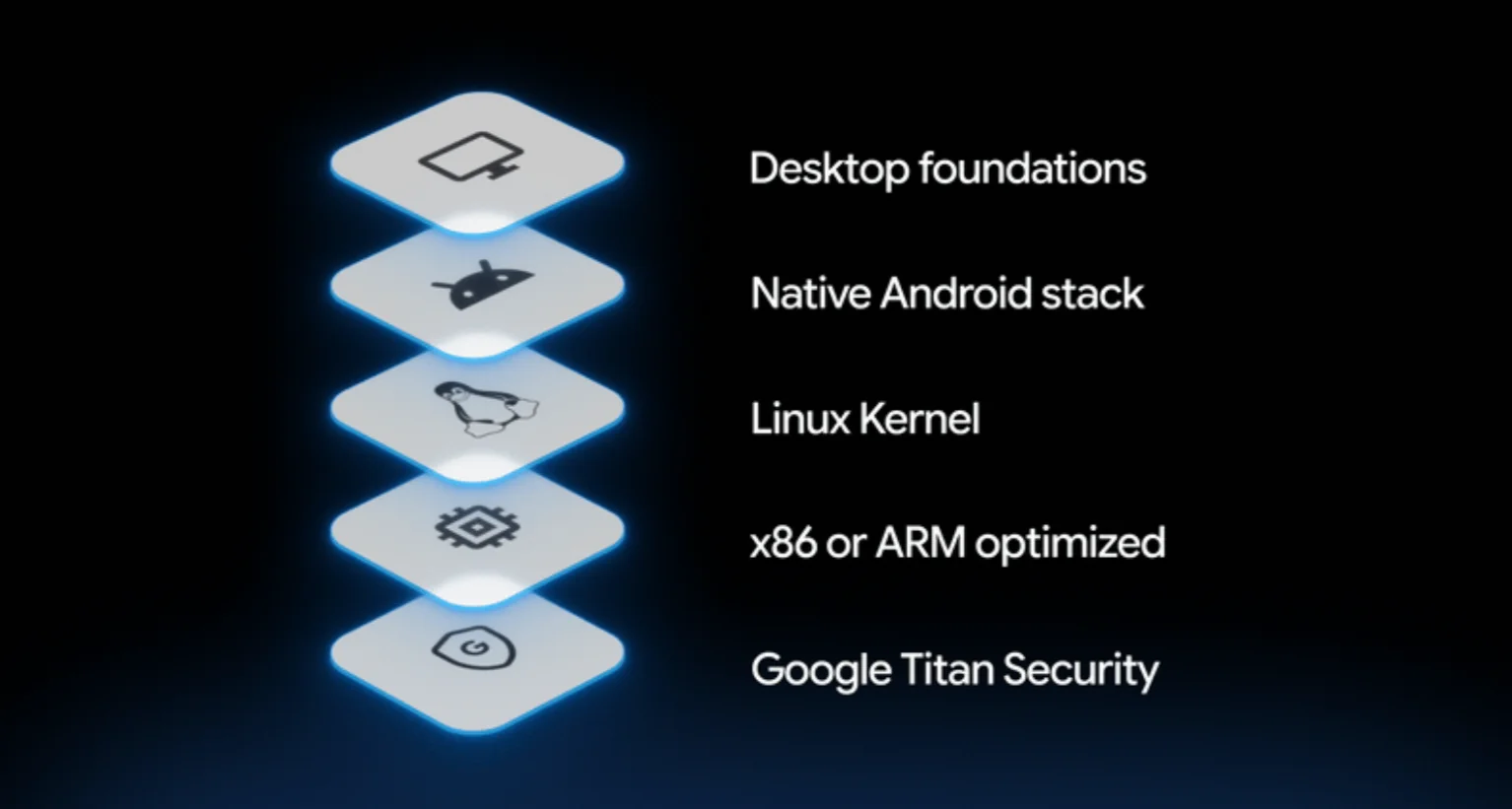
Google had also previously confirmed that the operating system, internally referred to as Aluminium OS, uses Android as its foundation. Therefore, Play Store applications run as native apps instead of relying on the ARCVM approach used by Chromebooks. Chrome extensions, web applications and a desktop-style interface remain part of the package. Googlebook OS is built on the Android technology stack but incorporates "desktop foundations" from ChromeOS, giving it a conventional windowing environment, a desktop-class Chrome browser, and a full Linux environment alongside access to Android apps.
Googlebook OS retains Android's application sandboxing and permissions while inheriting ChromeOS features such as verified boot, on-device malware detection and Google's Titan security hardware. A pKVM-based hypervisor provides an isolated Linux environment with full terminal access. Google describes it as the first Level 5 security-certified hypervisor to appear in a laptop platform.
As stated earlier, the Linux environment is one of the more substantial differences between Googlebook and conventional ChromeOS. Users can pull repositories, access networks and ports, and run Linux development tools without going through the old Chromebook Crostini setup. Google's Antigravity development platform and tools such as Claude CLI can therefore run in a proper terminal environment.
The Googlebook is not intended to replace the Chromebook. Responding to users on Reddit, Google said it intends to continue supporting Chromebooks in education, industry and the entry-level consumer segment. Googlebooks instead target the premium end of the market, particularly Android phone owners looking for tighter integration between their laptop and smartphone.
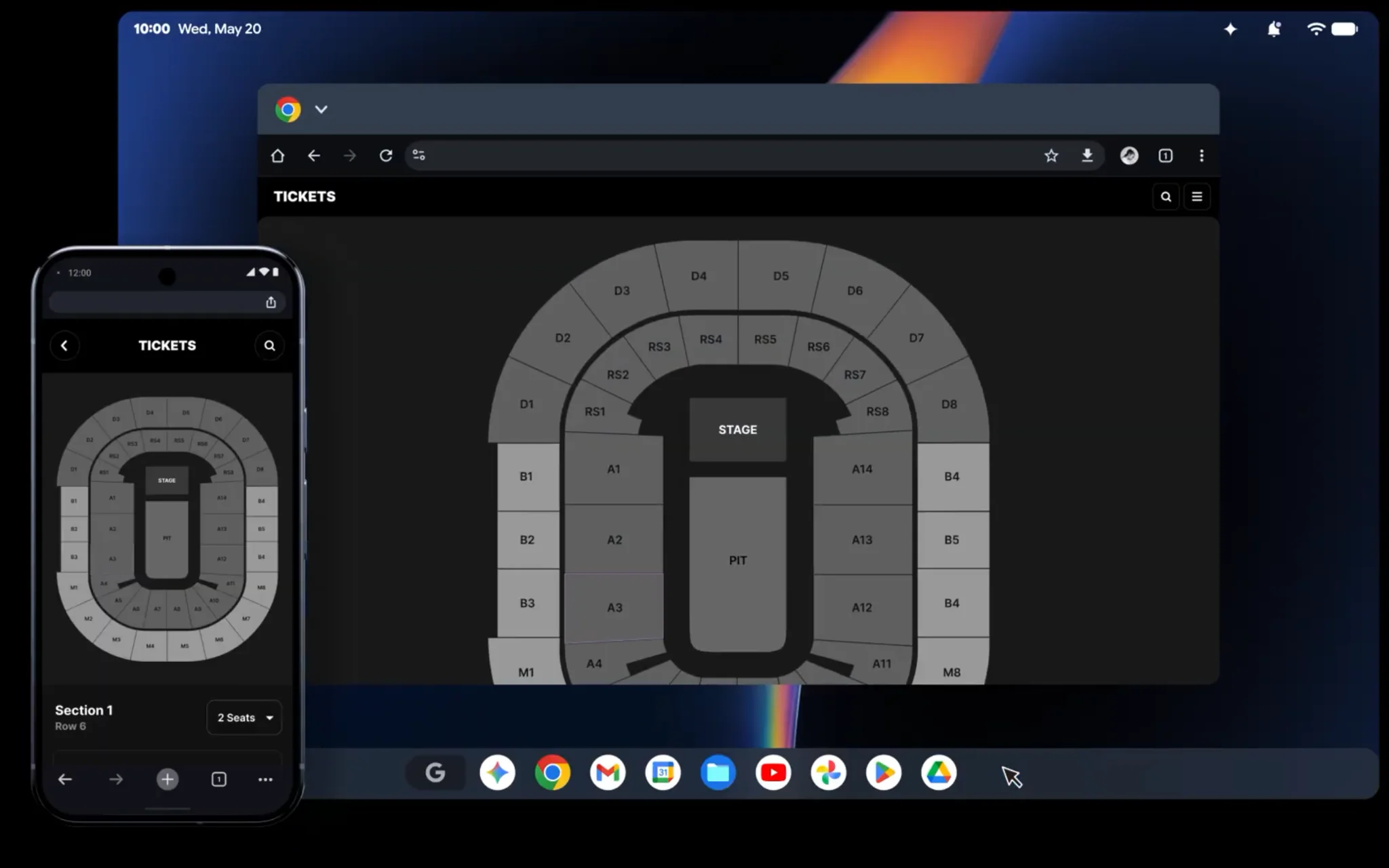
Features like Continue, which lets supported apps resume tasks started on a phone; Quick Access, which exposes phone photos and files through the laptop's Files app; and Cast My Apps, which streams an Android phone application into an interactive desktop window aim to bridge the gap between laptops and smartphones. Android settings, passwords, Wi-Fi networks and messages can also migrate when setting up the laptop.
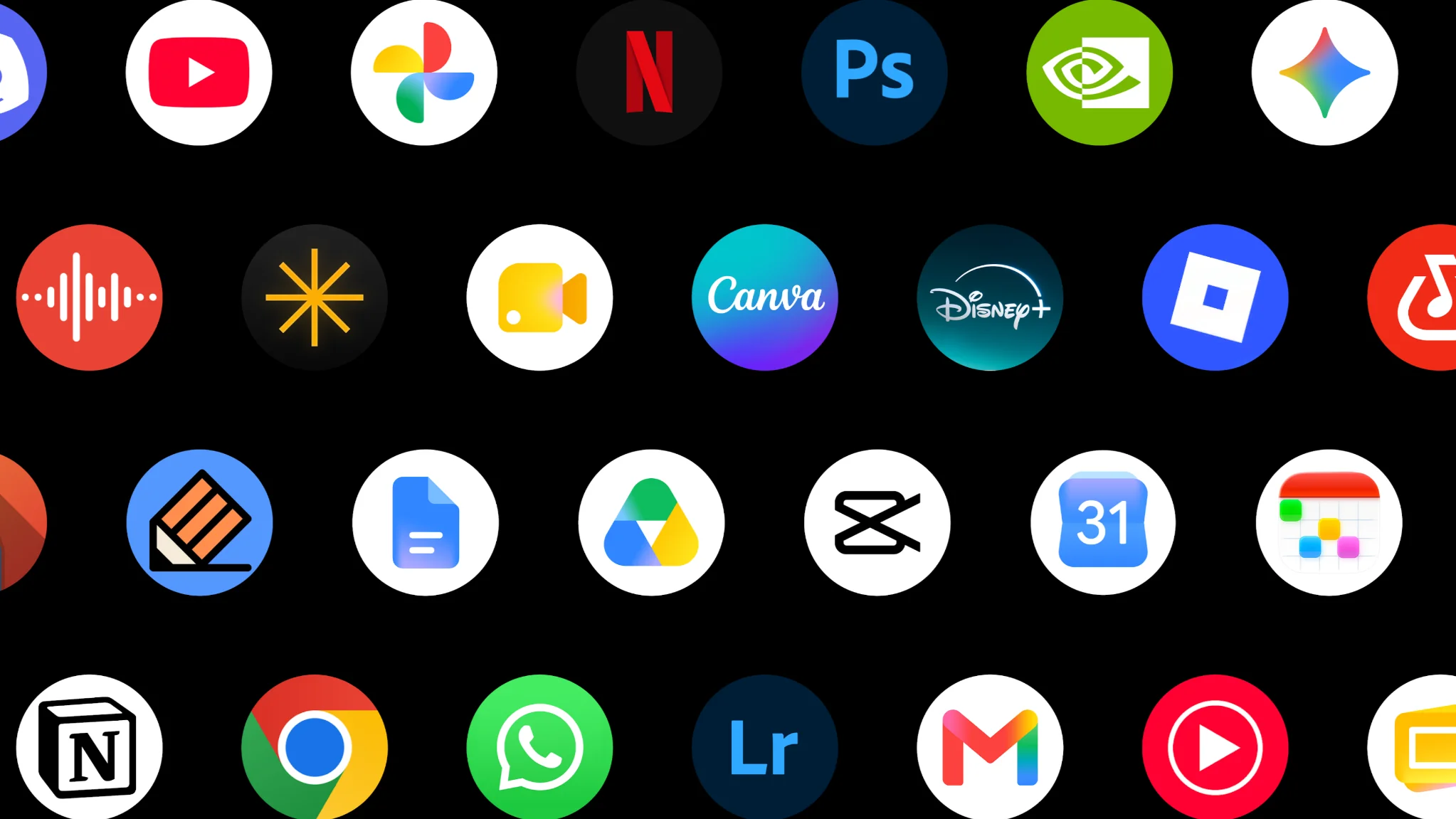
Software that benefits from direct hardware and OS integration can run natively, including Android versions of Adobe Photoshop, Lightroom and CapCut, while productivity services such as Docs, Sheets and Gmail default to their full desktop web interfaces. Chrome retains extension support, while Netflix and HBO Max can use their Android apps for offline viewing.
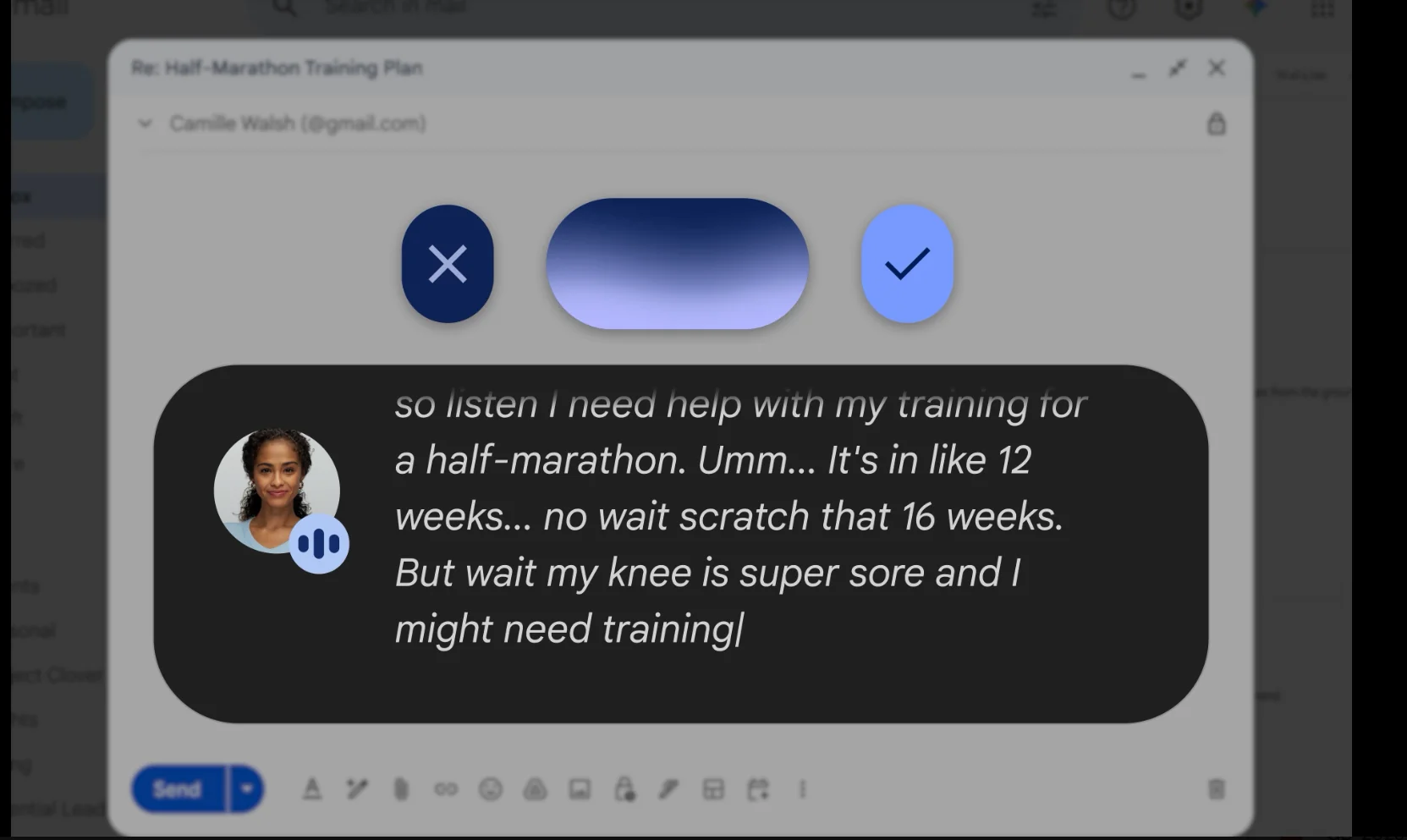
As is the case with most Google products launched in recent times, Gemini remains deeply embedded in the platform as well. Magic Pointer can summon Gemini over onscreen content by wiggling the cursor, Create My Widget generates desktop widgets from natural-language descriptions, and Rambler turns spoken thoughts into structured text. Google clarified on Reddit that the Magic Pointer gesture is optional and can be left disabled or have its sensitivity adjusted.
Google says Googlebook OS will receive security patches and new OS features every quarter for "up to 10 years". The company points to the equivalent 10-year update policy for Chromebooks and more than 15 years of ChromeOS development as precedent for the commitment.
Source(s)
 Add as a preferred source on Google


No comments for this article
