




Garmin feature unreliable? 4-minute gap sparks debate on psychology and performance
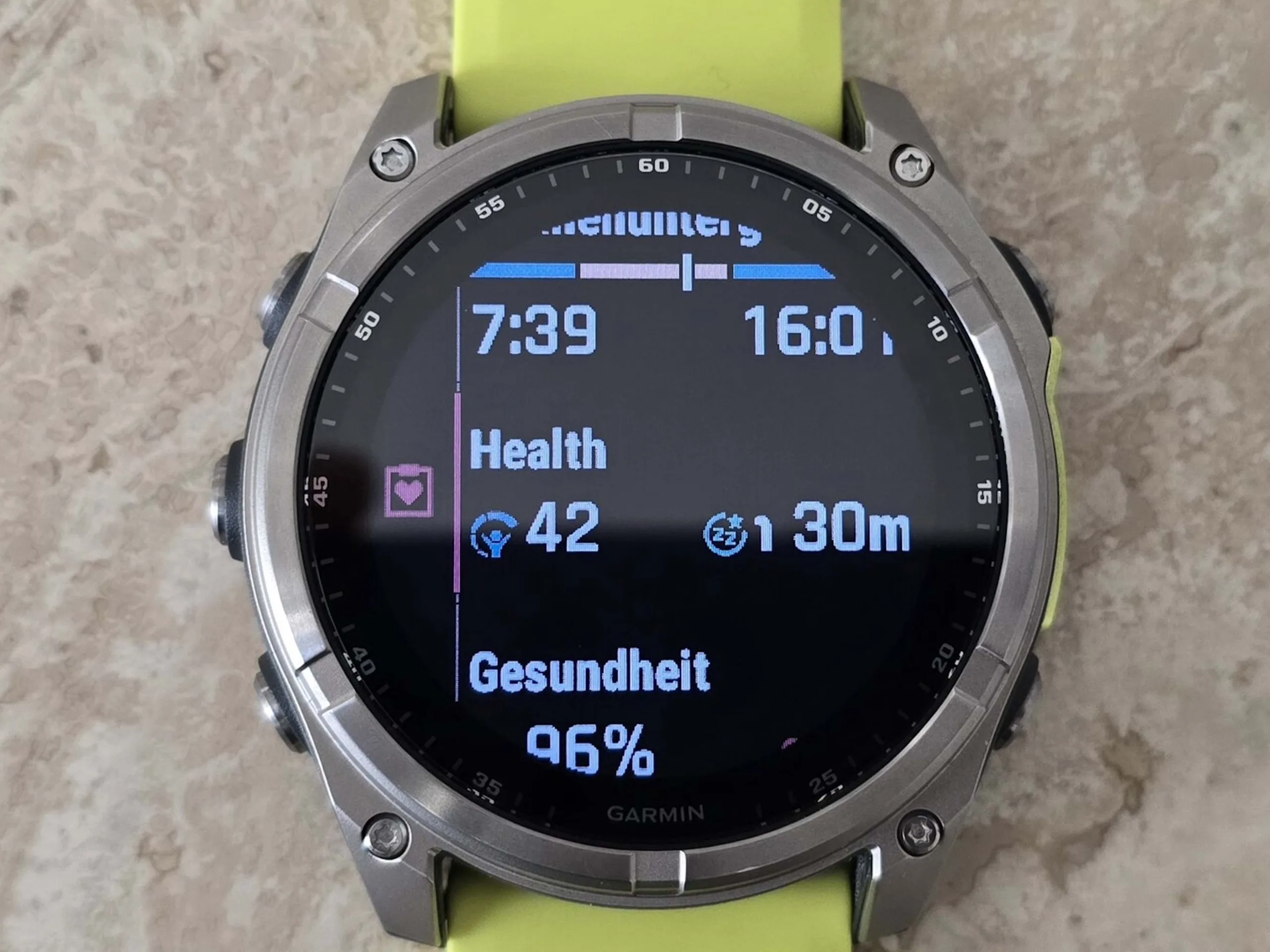
Previously, in our reviews of Garmin smartwatches, we've certainly praised the extensive feature set. Garmin wearables - and ultimately the entire ecosystem - are designed to provide performance-oriented athletes, in particular, with powerful tools not only for evaluating their current performance but also for receiving structured guidance on improvement. One interesting feature is the Race Time Prediction. This feature uses various data points collected from as many training sessions as possible, as well as from everyday activities. Users are then shown what times they can expect on a specific course - at near-maximum or full exertion. For ambitious runners and athletes like me, such an estimate is worth its weight in gold, provided it's reliable, whether for choosing the right running partner or pacemaker on race day, or for devising a pacing strategy.
There's currently a discussion on Reddit about the accuracy of this prediction. It stems from a post by an athlete who, at (at least subjectively!) maximum effort, can complete 5 kilometers in 25 minutes but, according to Garmin, should be able to cover that distance in just 21 minutes. While both performances fall squarely within the ambitious amateur running realm, they represent a performance leap that, on a physical level, cannot be achieved in weeks - but often takes months. Commenters are offering various tips. A relatively obvious suggestion is using a chest strap (available on Amazon), along with mention of the psychological component - specifically, that effort perceived subjectively as maximal isn't actually maximal. It's entirely possible the runner lacks the psychological resilience to maintain that pace. However, in my experience, on race day - thanks to adrenaline, great atmosphere, and the determination to keep up with that runner up front in the yellow T-shirt - you can usually push yourself at least a little further. As one Reddit commenter aptly notes, Garmin predictions are based on ideal conditions. The high - but not maximum - average heart rate during the test run could also indicate a mismatch between subjectively perceived and objectively measurable exertion in the specific case described by user jagLegion. Overall, even among athletes who, by their own accounts, are high-performing, experiences and opinions regarding the prediction vary significantly.
Source(s)
Reddit, Image source: Marcus Herbrich, Notebookcheck
 Add as a preferred source on Google


