




Director confirms Phantom Blade Zero uses zero generative AI
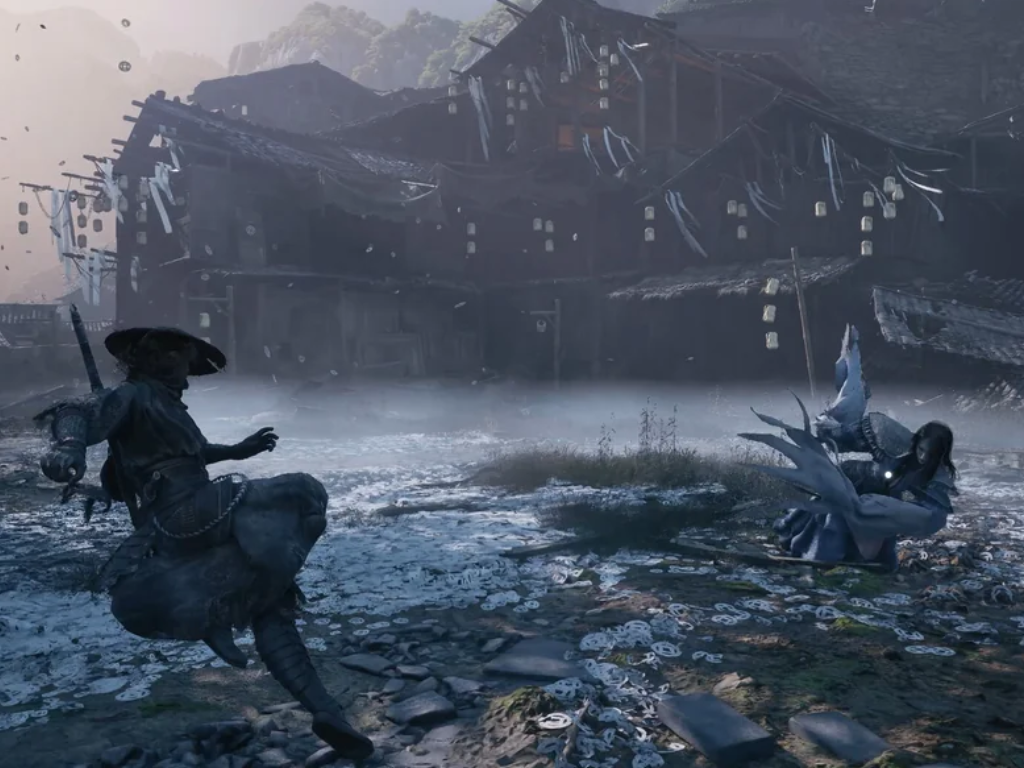
Phantom Blade Zero is slowly approaching its global launch on September 9, 2026. Meanwhile, Liang, CEO of S-Game and the creative director of Phantom Blade Zero, is reminding everyone that the game is built by people and not algorithms. Liang took to social media in a detailed post, stating that the team took its time to carefully handcraft the game. The development team poured blood, sweat, and tears into the final stretch of development while using no generative AI at all.
Liang stated on X, “Phantom Blade Zero is currently in the intense final stages of development. With the time we have left, we are pouring every available resource into pushing every aspect of the game to the absolute limit of our capabilities.”
Phantom Blade Zero director confirms no AI use
He also addressed the elephant in the room: generative AI. More and more video game studios are relying on AI, but he has made it clear that S-Game is not at all interested in using the technology or hopping on the AI trend. He continued:
“We are fully aware that a profound technological revolution is unfolding around us. However, to this day, every single piece of content in our game has been crafted by the hands of real artists. We will not use AI visual tech that could alter our artists’ original creative intent.”
Phantom Blade Zero goes all-in on human creativity
But that’s not all. He walked through how everything was created from scratch. All character models started with 3D scans of real actors. Voice dubs in both Chinese and English were recorded by actual actors and directors, then later lip-synced by the development team.
S-Game ensured that even the smallest details were handled entirely hands-on. Liang explained, “The game also features a series of guiding maps. These are not AI-generated, nor are they digital paintings at all. They were hand-drawn using Chinese brushes and Xuan paper (rice paper) by young artists from the Chinese Painting Department at the Central Academy of Fine Arts.”
Weapons were inspired by ancient Chinese designs. To kick things up a notch, the studio even hired master swordsmiths to forge physical replicas so that animators could get a feel for the weight and balance of the weapons in their own hands.
Furthermore, the combat mechanics have been motion-captured by more than twenty experienced martial artists under the direction of kung fu masters, sword masters from Mount Emei, and lion dancers from Guangdong.
The team also took a work tour across China to scan ancient halls in Fujian, towns in Zhejiang, and old factories in Beijing, then blended everything to create a “Kungfupunk” aesthetic.
Liang ended his message by applauding the human element of creativity, stating, “We firmly believe that human artistry is not merely a means for creating value; it is the value itself. S-Game didn’t just hire a group of developers to make a game. Rather, in our pursuit of continuously building an exceptional, passionate team, we decided to make a game that everyone here could be deeply proud of.”
Source(s)
 Add as a preferred source on Google


