




DJI’s osmo action 6 targets a specific audience
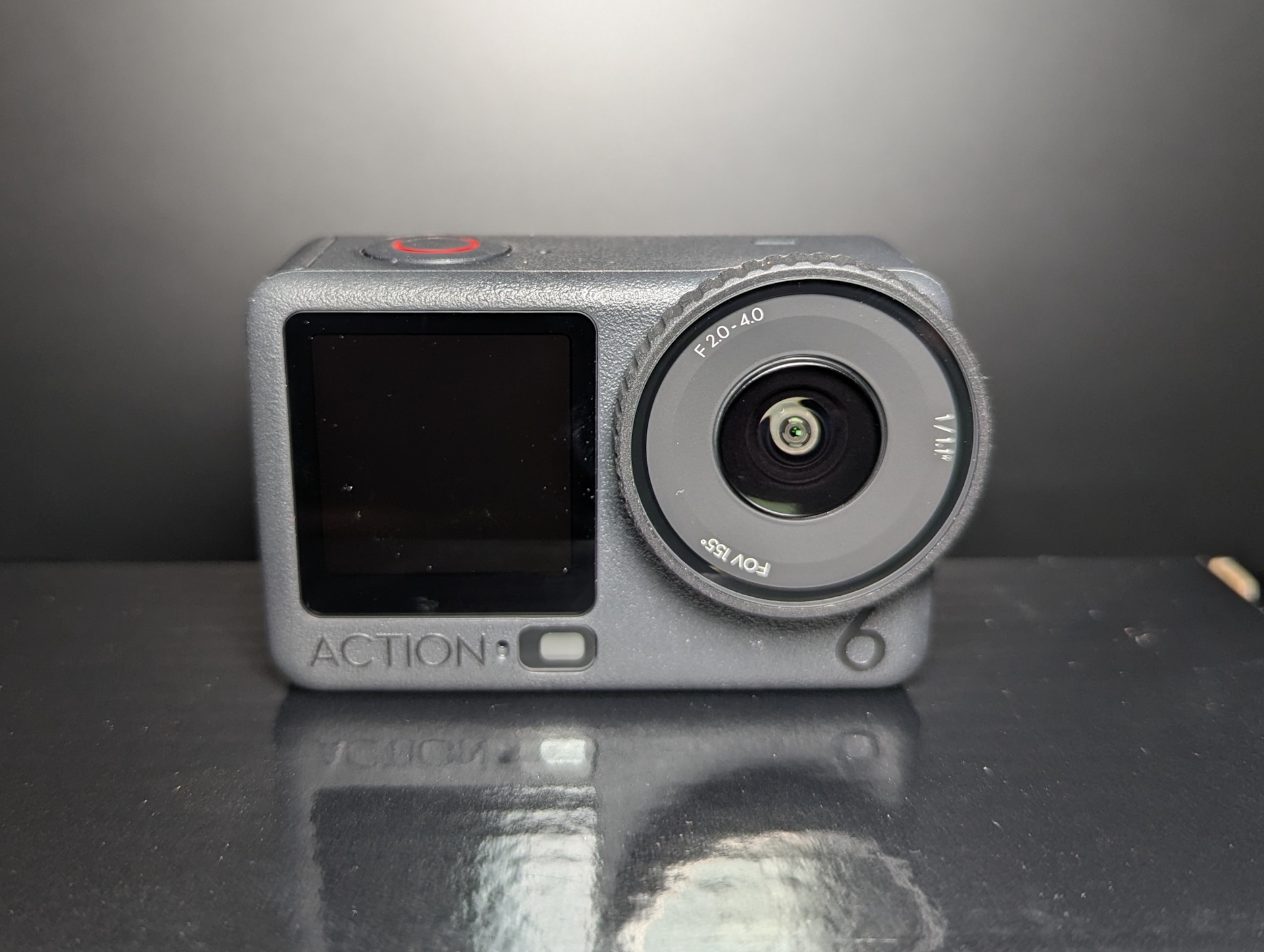
We recently tested the DJI Osmo Action 6 and took it out for a spin on the bike, dusted off our running shoes, and even practiced a few rolls again (totally spontaneous and unprepared, really).
In our tests, we also compared the Action 6 with its earlier predecessor, the Action 4. Many of the scenes and clips felt almost identical, and most changes in image quality are relatively minor.
What is genuinely new is the Supernight mode, which brightens nighttime footage noticeably—though at the cost of a somewhat unrealistic look. In standard mode, low-light recordings from the Action 6 and Action 4 are barely distinguishable.
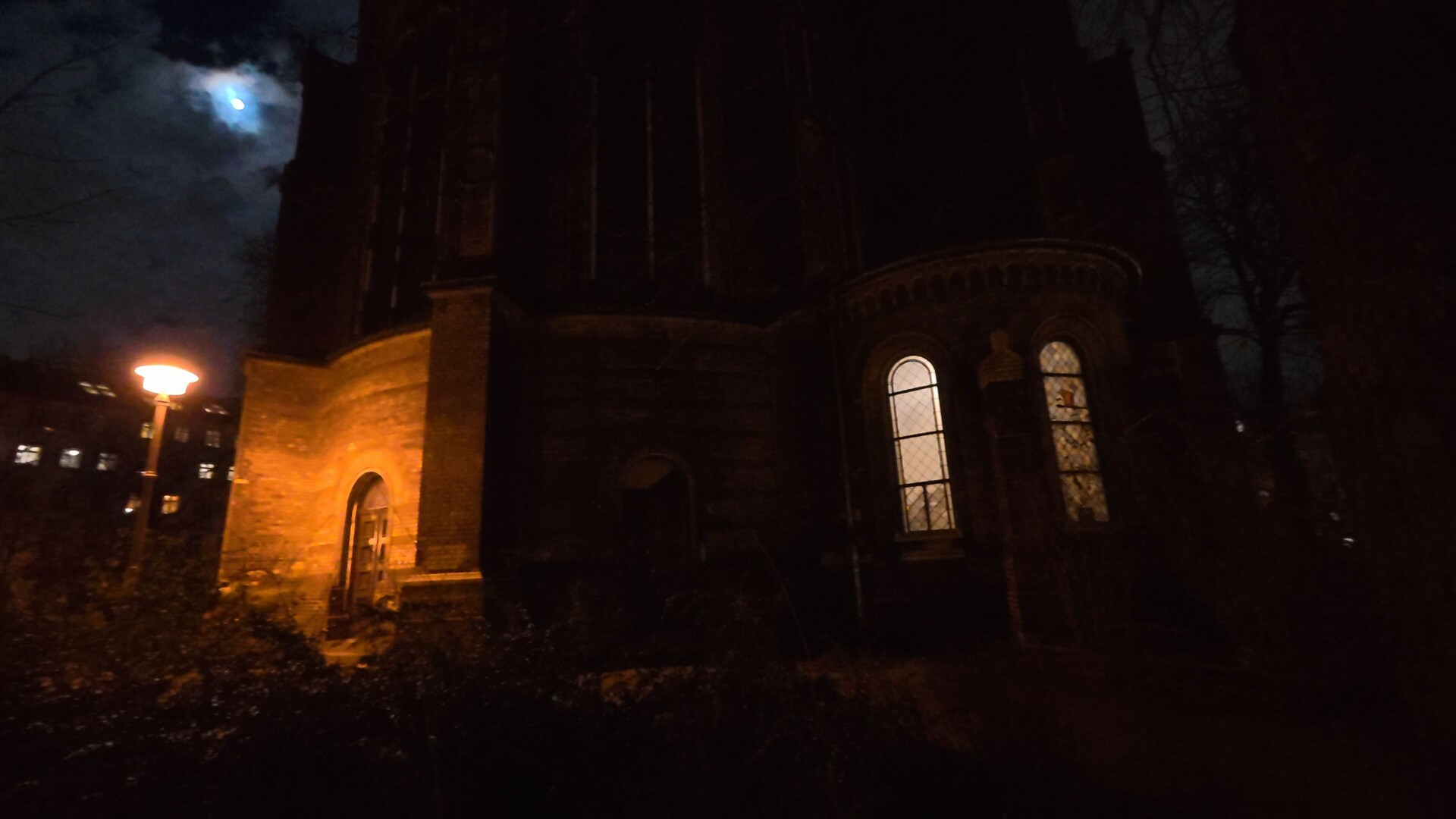
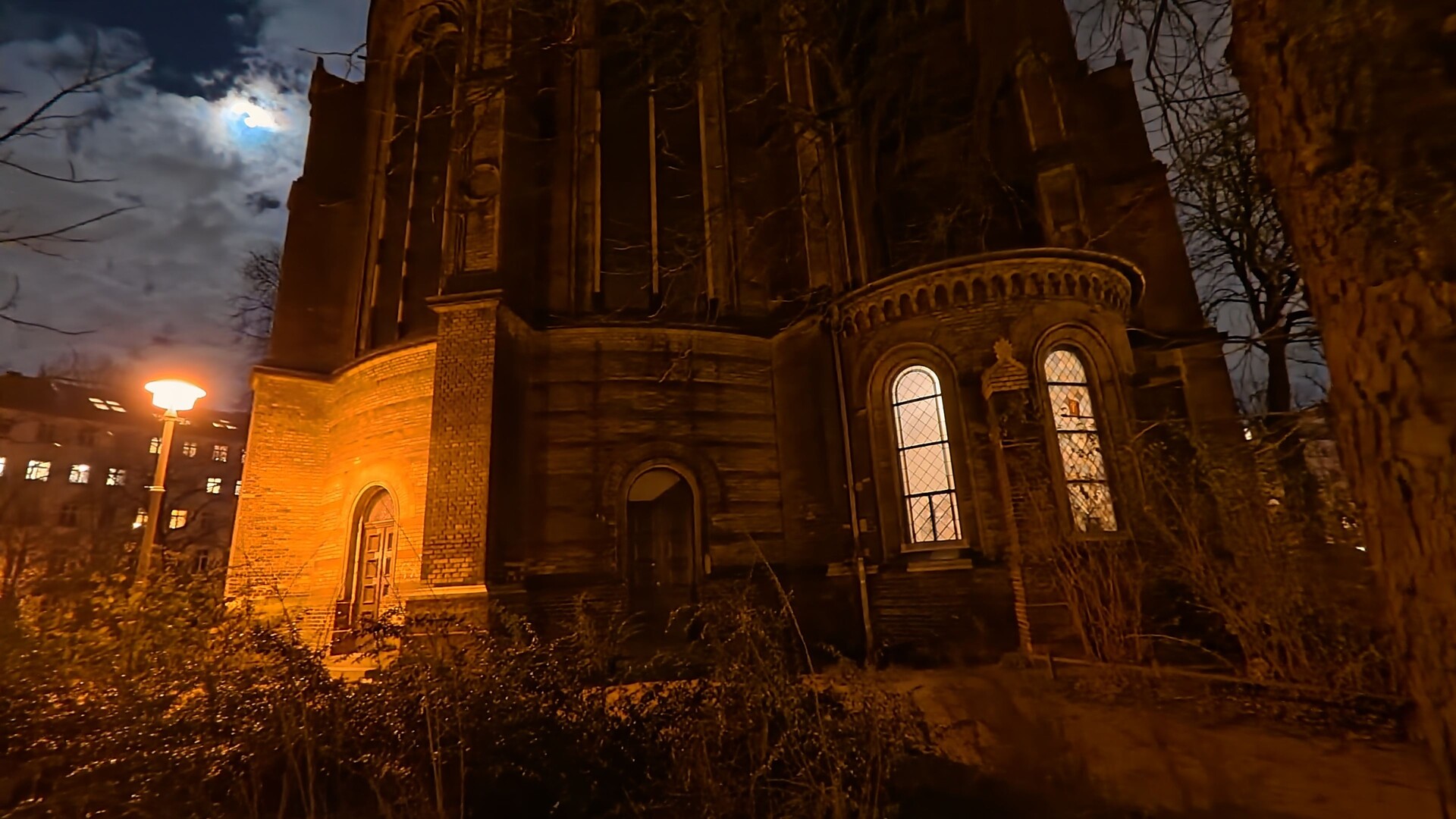
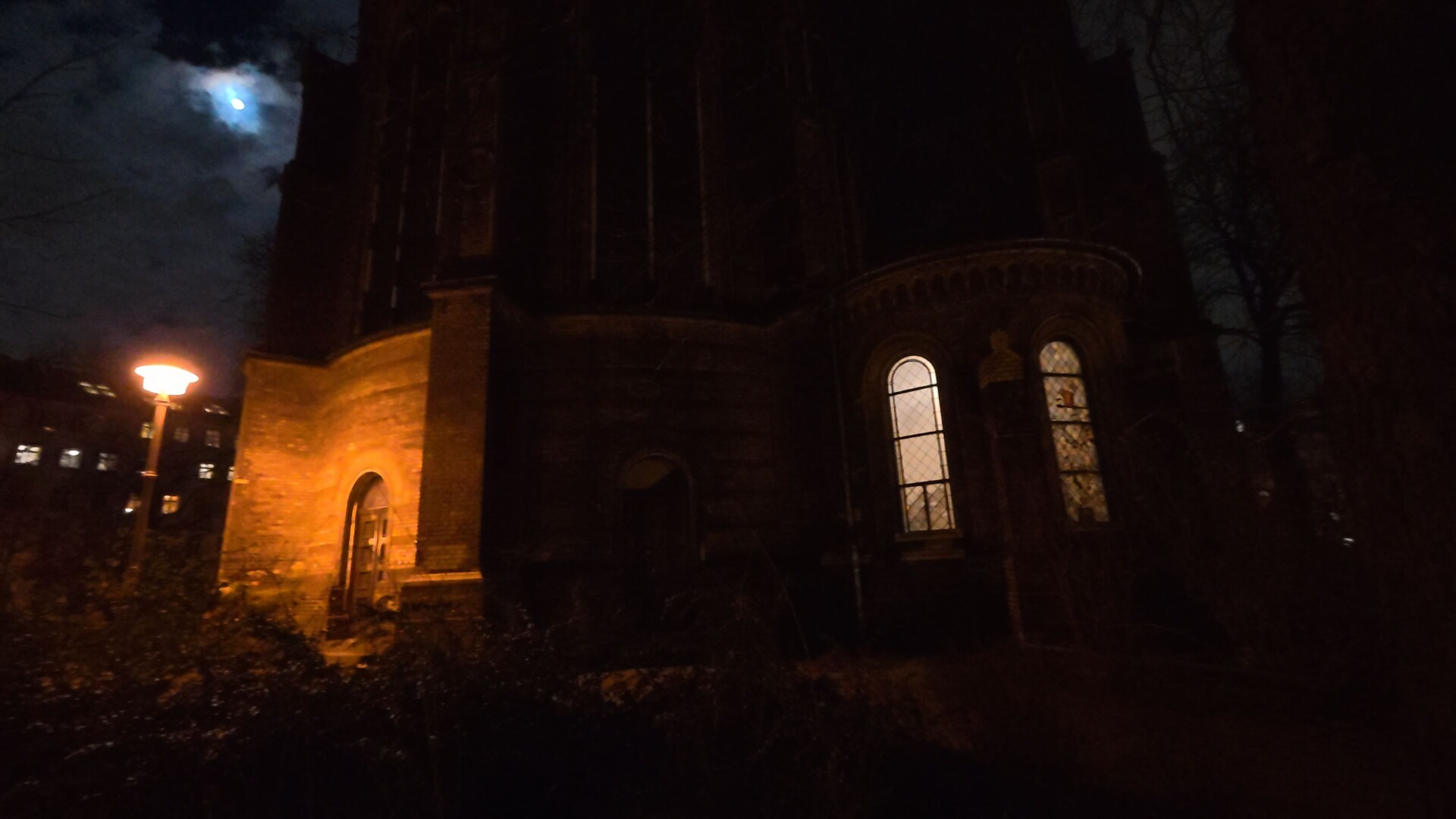
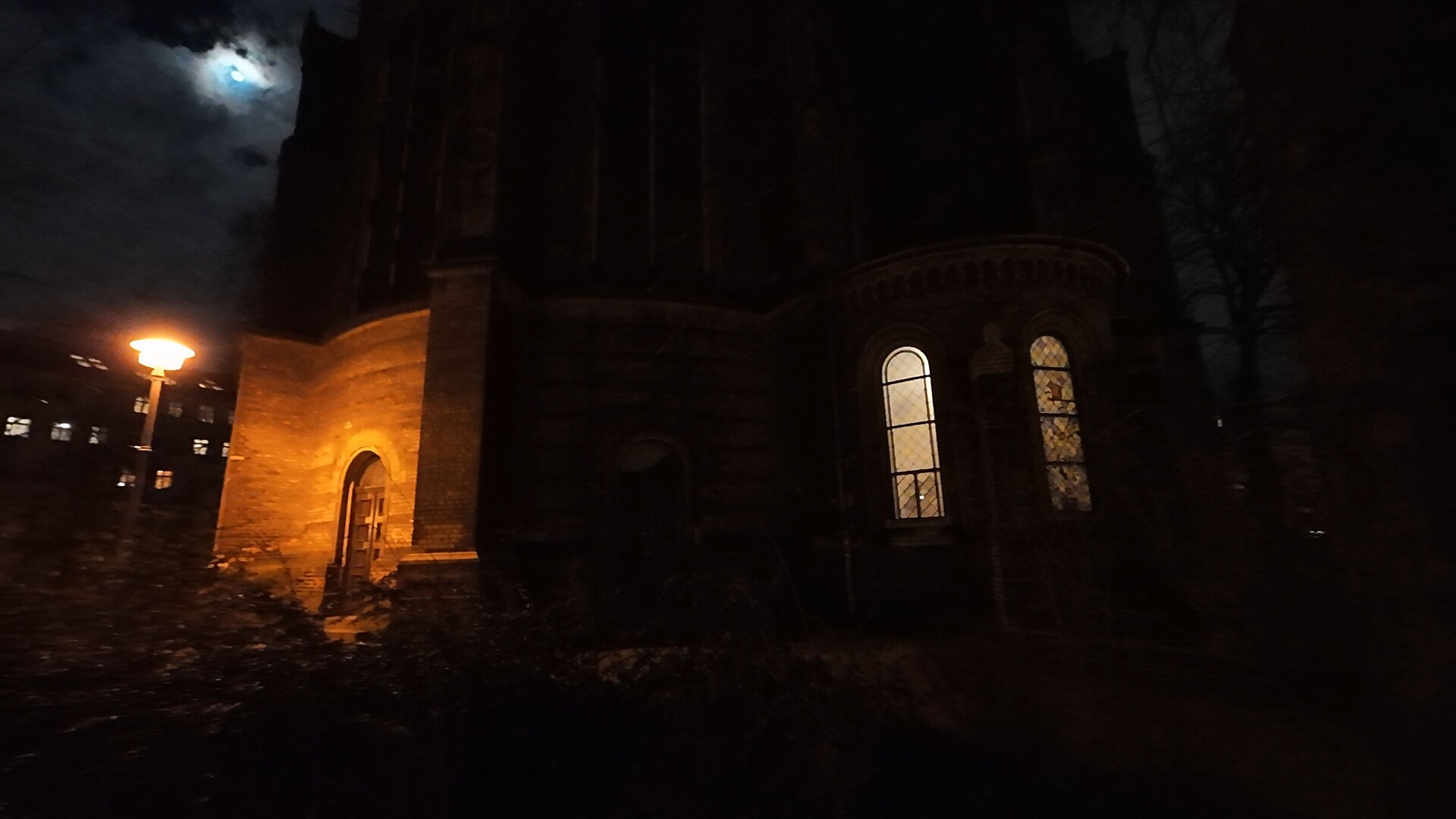
Stabilization has also been improved again, which is likely the upgrade most casual users will feel right away. During our short jogging segment, the Action 6 delivered noticeably steadier footage, while the Action 4 introduced more shake. The difference compared to the more recent Action 5, however, is expected to be minimal.
So, have action cams reached their limit—and what about DJI’s hyped updates like the larger sensor and variable aperture? The first point could spark a discussion on its own, but the latter two features mainly benefit one group in particular this year: content creators.
For vacation videos shot in 16:9, the effective sensor area doesn’t actually increase, because the sensor gains height but not width. The new sensor is square, meaning it’s just as tall as it is wide. As a result, 16:9 footage shows little to no improvement, even in low light—at best, just a slight one.
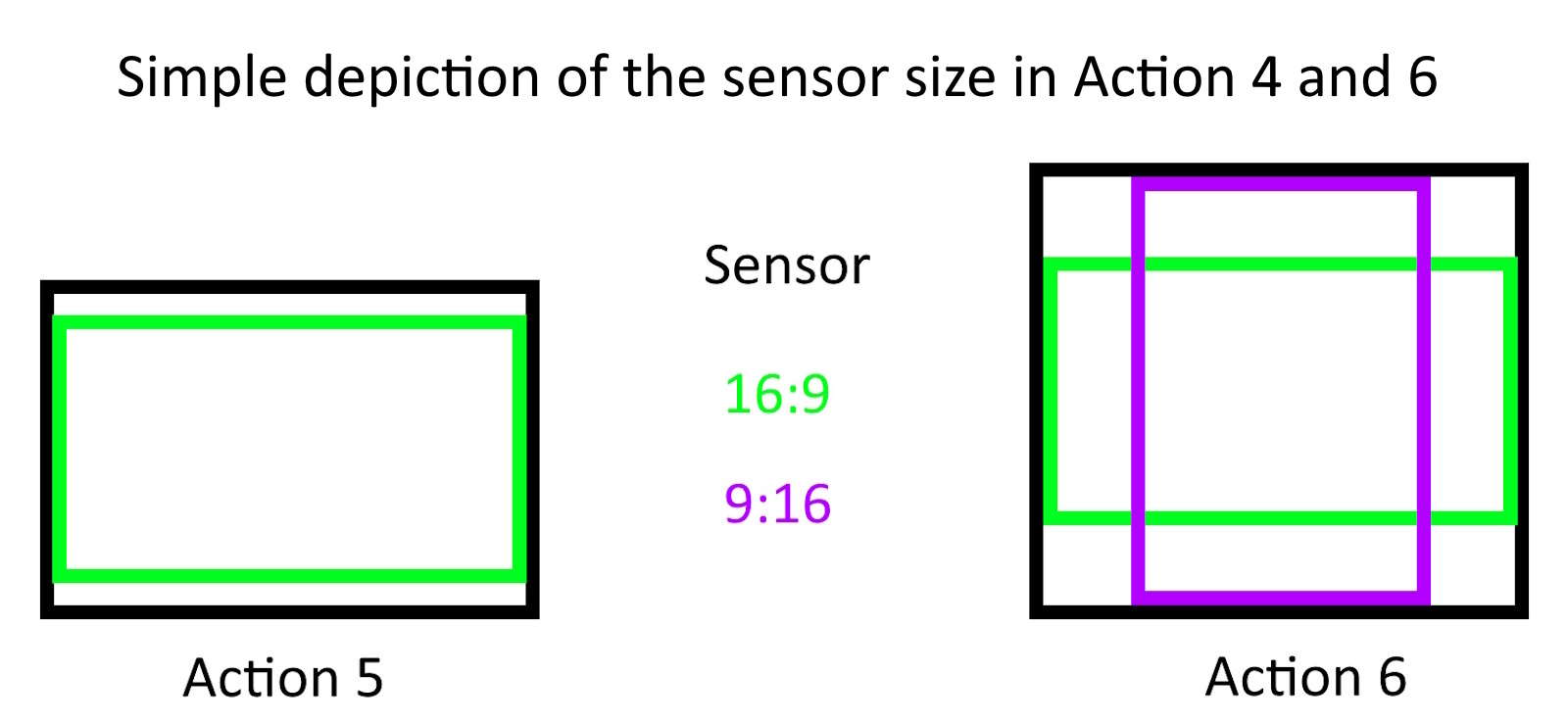
But creators now have far more flexibility when publishing across different video platforms. A square sensor allows footage to be exported in both 16:9 landscape and 9:16 vertical formats—all from the same source capture.
The same goes for the aperture: Casual users will still rely on automatic settings. Content creators, however, now have more creative control—something genuinely new for an action cam. Shooting a selfie at arm’s length? Go with f/4.0. Need more light for night shots? Choose f/2.0. Want maximum sharpness and image quality? Use f/2.8.
That’s why we see this year’s improvements as highly targeted: they primarily benefit creative users seeking more artistic freedom and flexibility. It does mean spending more time with manual settings, though. Casual shooters sticking with fully automatic operation will barely notice many of the advertised changes.
Source
 Add as a preferred source on Google


