




Coming soon: Nitecore power banks with CCC mark for China trips
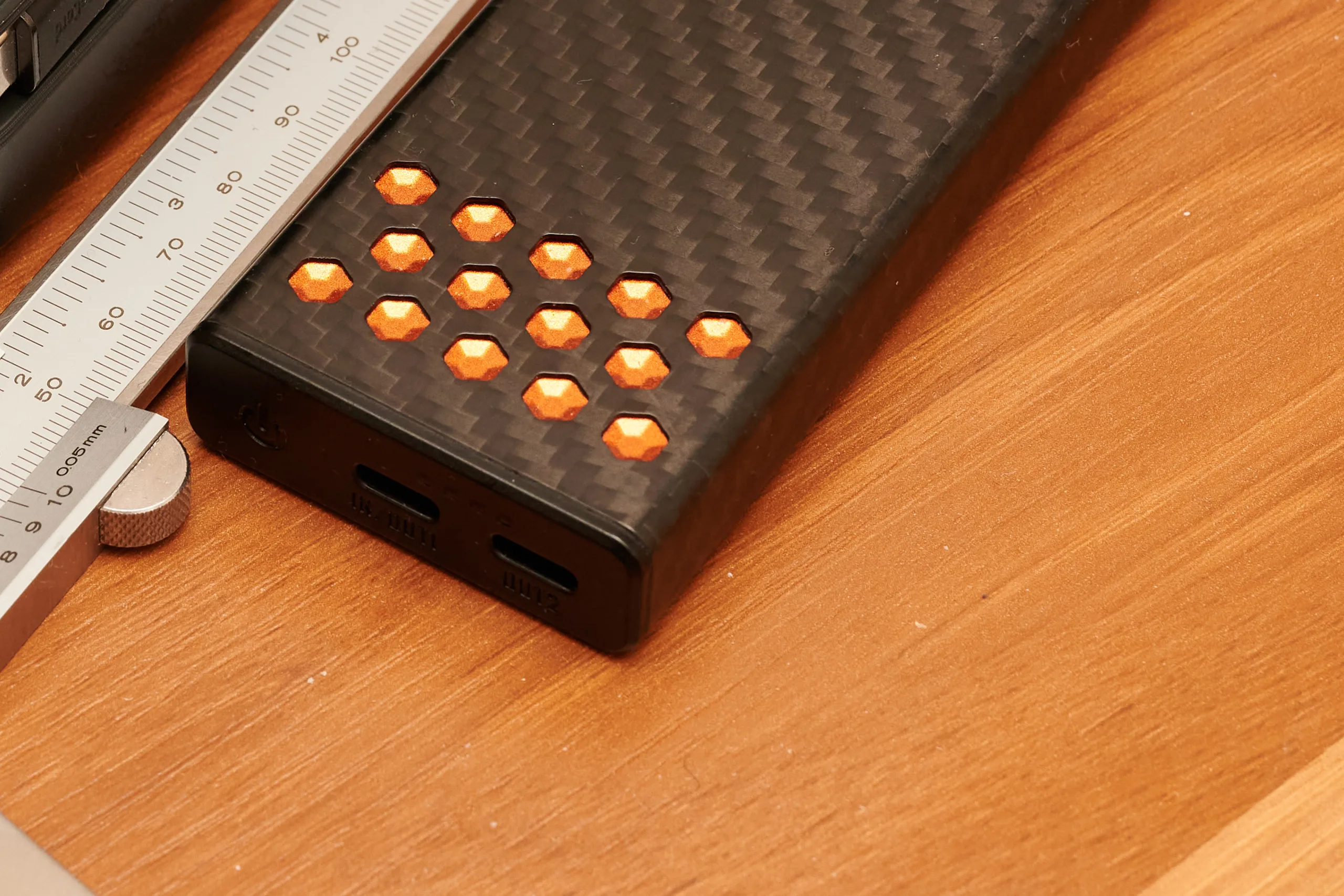
If you are interested in ultralightweight and compact power banks and are planning to travel to China, Nitecore may soon offer solutions with the China Compulsory Certificate (CCC) mark. According to Nightwalker Lab, a Singapore-based retailer specializing in Nitecore products, these power banks will start rolling out next month.
The first Nitecore power banks with the CCC mark are expected to be available in June. The CCC mark – also referred to as 3C or Triple C – features three letter Cs inside an oval. Any power bank without the mark is not allowed onboard Chinese domestic flights, as stated by China Eastern, for example.
Overall, batteries are more closely scrutinized during airport security checks in East and Southeast Asia than in Europe. Security personnel may even check a battery’s capacity. Airlines also provide guides in the form of posters on how to convert imprecise mAh values to Wh. In China, power banks without the CCC mark will also be confiscated before a domestic flight.
The absence of the CCC mark on Nitecore power banks is quite remarkable given that the brand is owned by the Chinese company Sysmax. As we’ve learned in recent months, however, the certification process can take some time, potentially driving some manufacturers to offer their power banks in Europe first. By and large, many manufacturers do not offer products carrying the CCC mark. It is also rarely advertised in stores. So if you are planning a trip to China, it’s crucial to do thorough research and, if necessary, check out various models in your local stores before making a purchase.
It will also be interesting to see what happens when Nitecore ships initial batches of already unveiled products with the CCC mark. Having clear distinguishing features may be helpful, as European retailers aren’t always aware of the issue
The CCC requirement may have partly been driven by an incident involving Air Busan Flight 391. In early 2025, the aircraft caught fire while on the ground in Busan. Although the final report is still pending, the fire is believed to have originated from overhead luggage compartments. Since then, many airlines, including European ones, have banned the use of power banks during flights. Additionally, power banks must be stored within easy reach while on board. In countries like South Korea, exposed battery terminals are even required to be insulated (for example using electrical tape) before security checks.
According to South Korean statistics, power banks are more likely to cause in-flight incidents than smartphones, with low-quality products possibly being the main reason for this. When looking at these statistics, it is also important to keep in mind that almost all passengers carry a mobile phone, but not all of them bring along a power bank.
Source(s)
Nitewalker Labs
 Add as a preferred source on Google


