




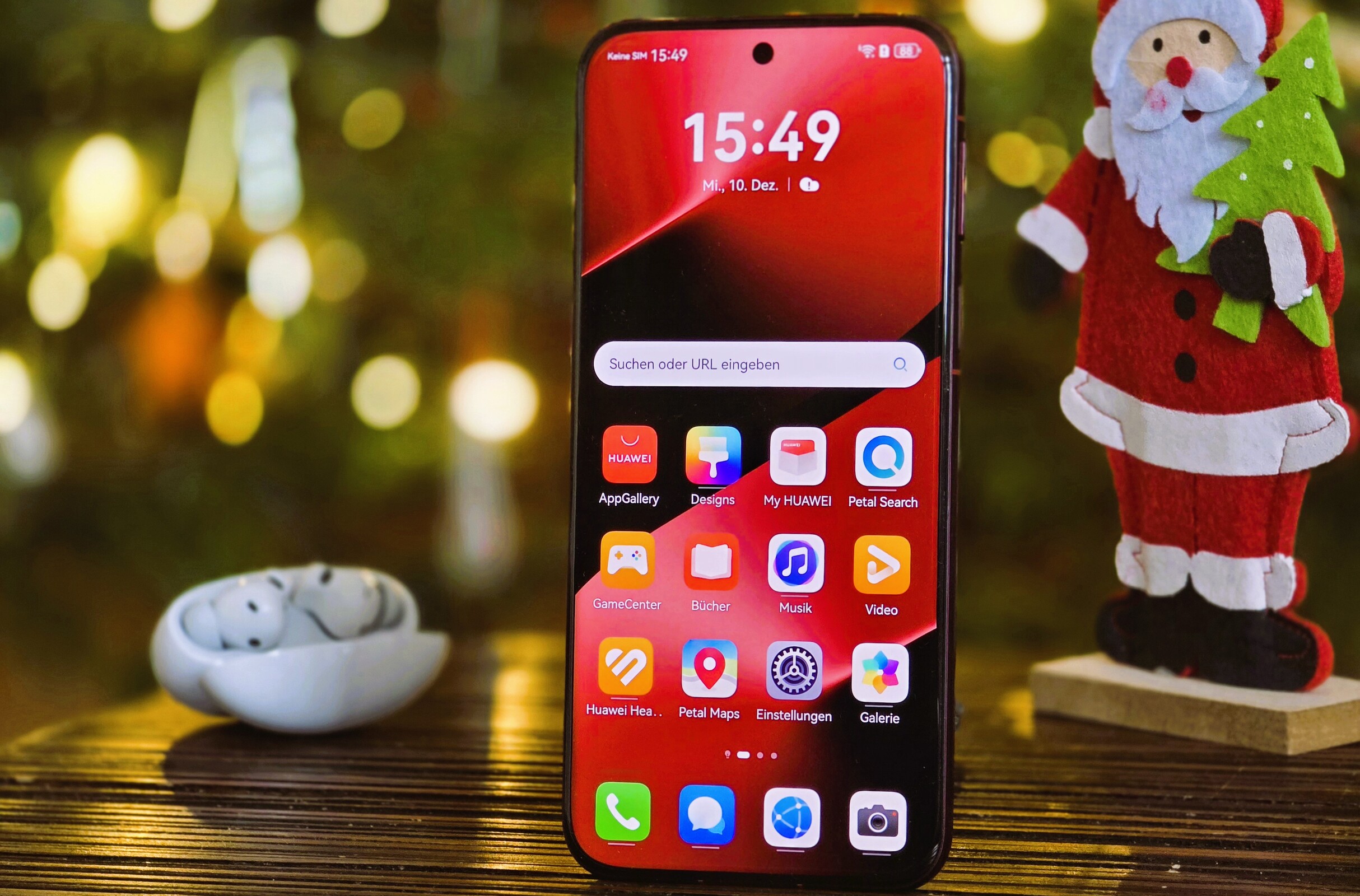
Verdict
With the Pura 80 Pro, Huawei has succeeded in creating a well-rounded smartphone, but given existing shortcomings, the upper-class model is more for enthusiasts and is difficult to recommend. Many issues are caused by trade restrictions with the USA, such as the lack of the modern 5G standard, Google services, and competitive chipset. However, other complaints are home-grown, like poor battery life and a sharp decline in photo quality, besides the excellent main camera.
For an RRP of more than 1,000 euros, the smartphone market offers a wide range of better alternatives that allow the Play Store or Android Auto to be used directly without any detours.
Pros
Cons
Price and availability of the Huawei Pura 80 Pro
Huawei estimates an RRP of 1,099 euros (approximately US$1180) for its Pura 80 Pro with 12 GB RAM and 512 GB UFS memory. The top-of-the-range phone is available directly from the manufacturer or from Amazon.de in three colors.

- $16.99JxVrennzik [4 Pack] Tempered Glass Screen Protector for Huawei Pura 80 Pro
- $13.80Kukoufey Compatible with Huawei Pura 80 Pro+ Case Cover,Compatible with MagSafe,Compatible with Huawei Pura 80 Pro LMR-AL00 Built-in Magnetic Anti-Shock Cell Phone Case Black
- $885.00Apple iPhone 16 Pro Max, 512GB, Natural Titanium - Unlocked (Renewed)
Table of Contents
- Verdict
- Specifications of the Huawei Pura 80 Pro
- Case and features - Waterproof Android-phone
- Communication and operation - Premium smartphone without 5G
- Software and sustainability - Android phone without update information
- Camera - Smartphone with 1-inch sensor
- Display - Large OLED screen with LTPO
- Performance, emissions and battery life - Android phone with low heat development
- Notebookcheck overall rating
- Possible alternatives in comparison
Specifications of the Huawei Pura 80 Pro
Case and features - Waterproof Android-phone
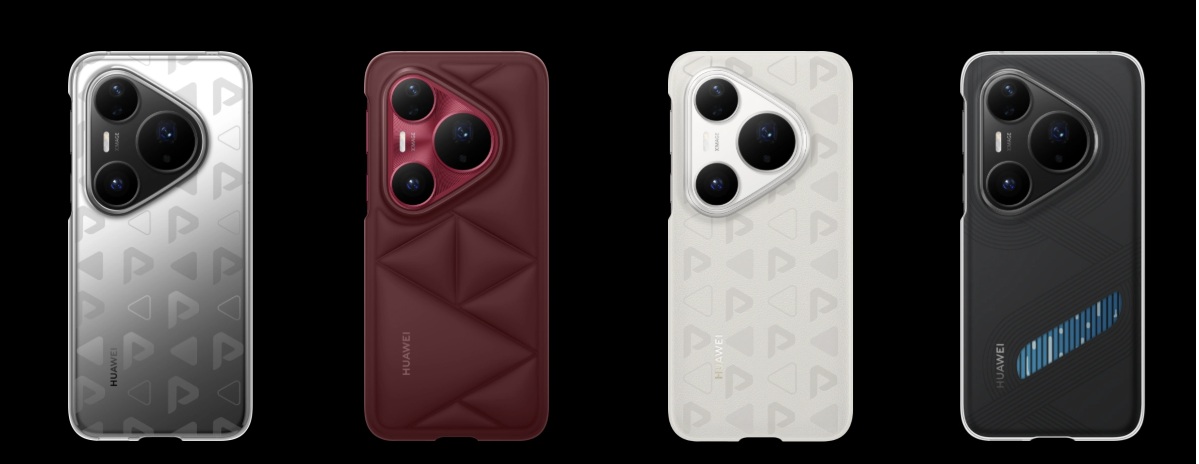
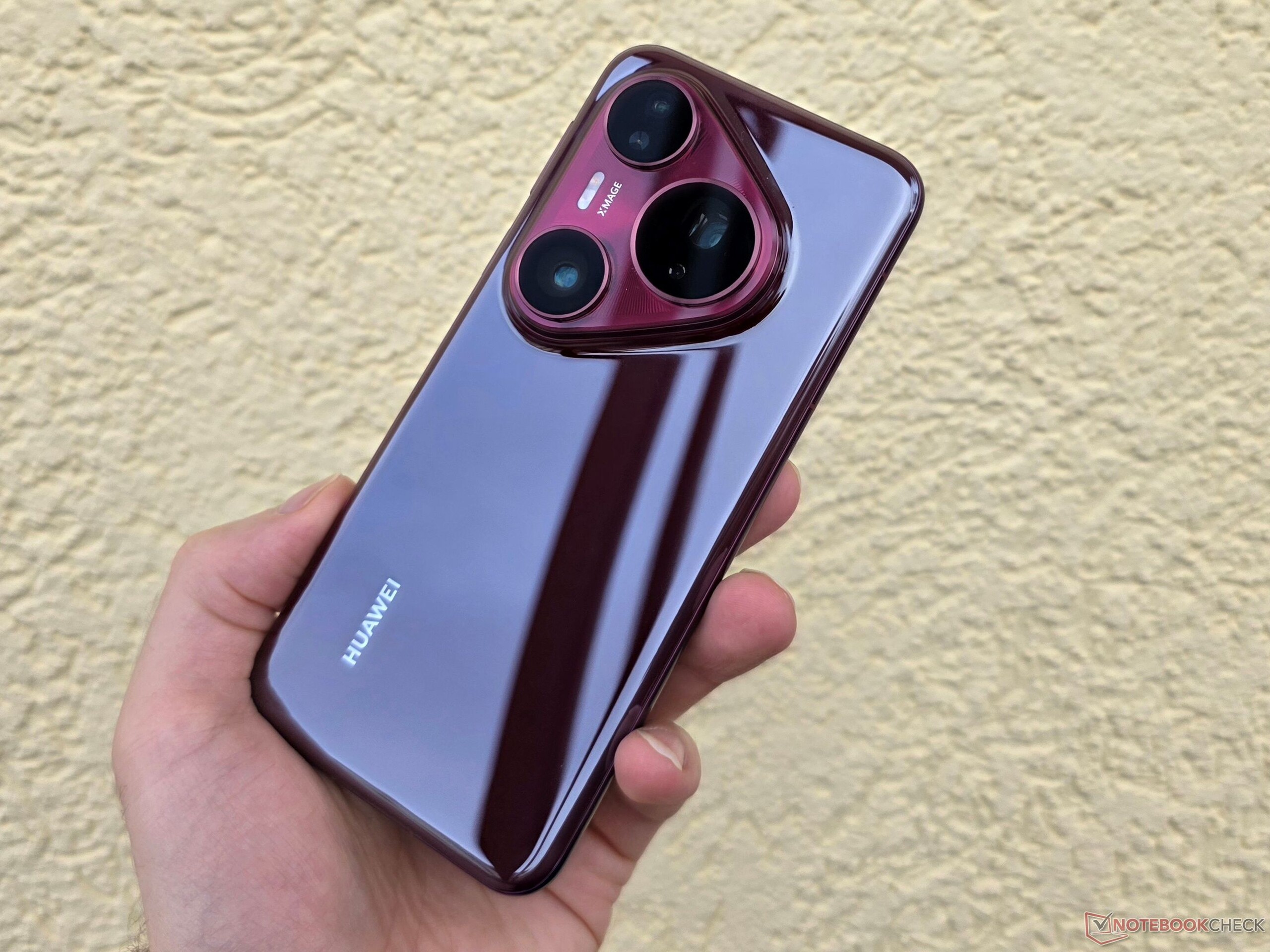
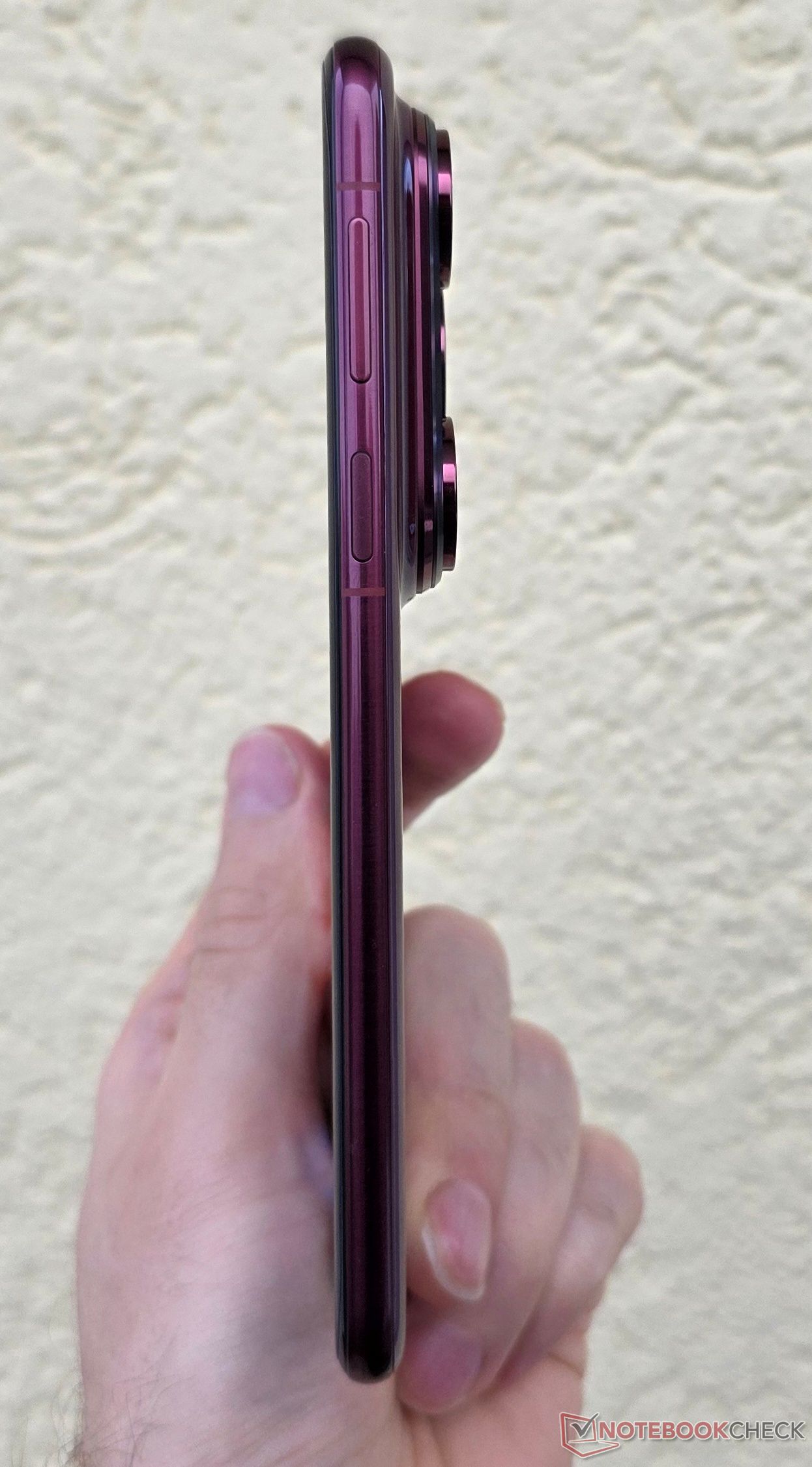
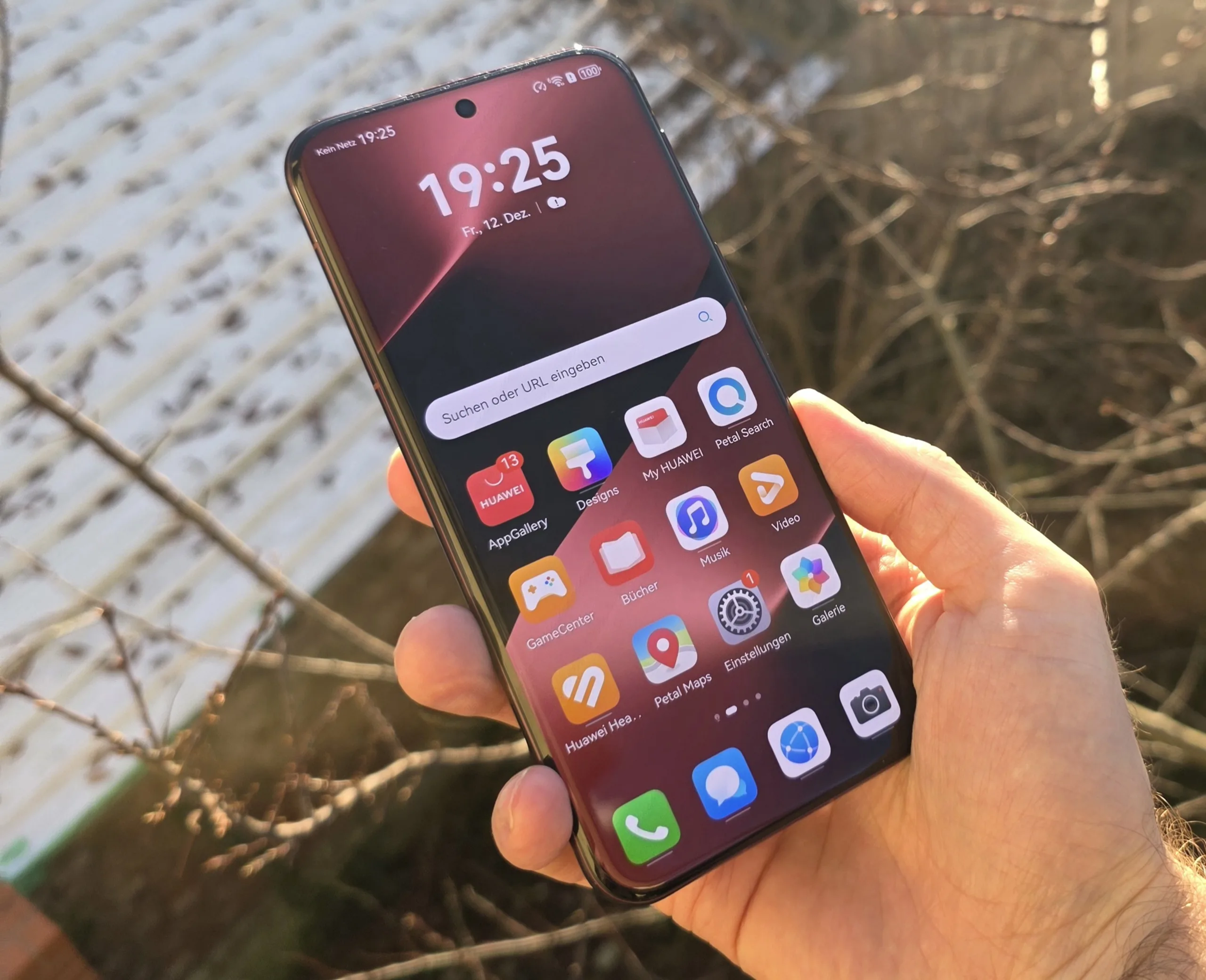
The Pura 80 Pro is IP69-certified and therefore water- and dust-resistant. There is nothing wrong with the build quality and the perceived value of the glass case, but the Huawei phone feels quite thick and heavy in the hands. Second-generation Crystal Armour Kunlun glass is used.
With a screen-to-body ratio of around 89%, the Pura 80 Pro has a modern look, but its premium competition offers even thinner display edges.
Features include an infrared sensor, dual-band GNSS and NFC, as well as a fast USB 3.1 port with the option of image output and OTG.
Communication and operation - Premium smartphone without 5G
Without access to the 5G network and with Bluetooth 5.2, the Huawei phone looks as if it has come out of a deep sleep into the year 2025. This deficit is certainly due to trade restrictions, but it does not improve the user experience. Without the powerful 6 GHz band, we achieved only comparatively weak reception performance with the WiFi 7 standard when combined with our Asus ROG Rapture GT-AXE11000 reference router.
The satellite SOS system available in China is not on board in the global version. Our test device supports dual SIM (physical and eSIM), but according to the data sheet, there is also a single-SIM model. The voice sounds natural through the main and the earpiece speaker.
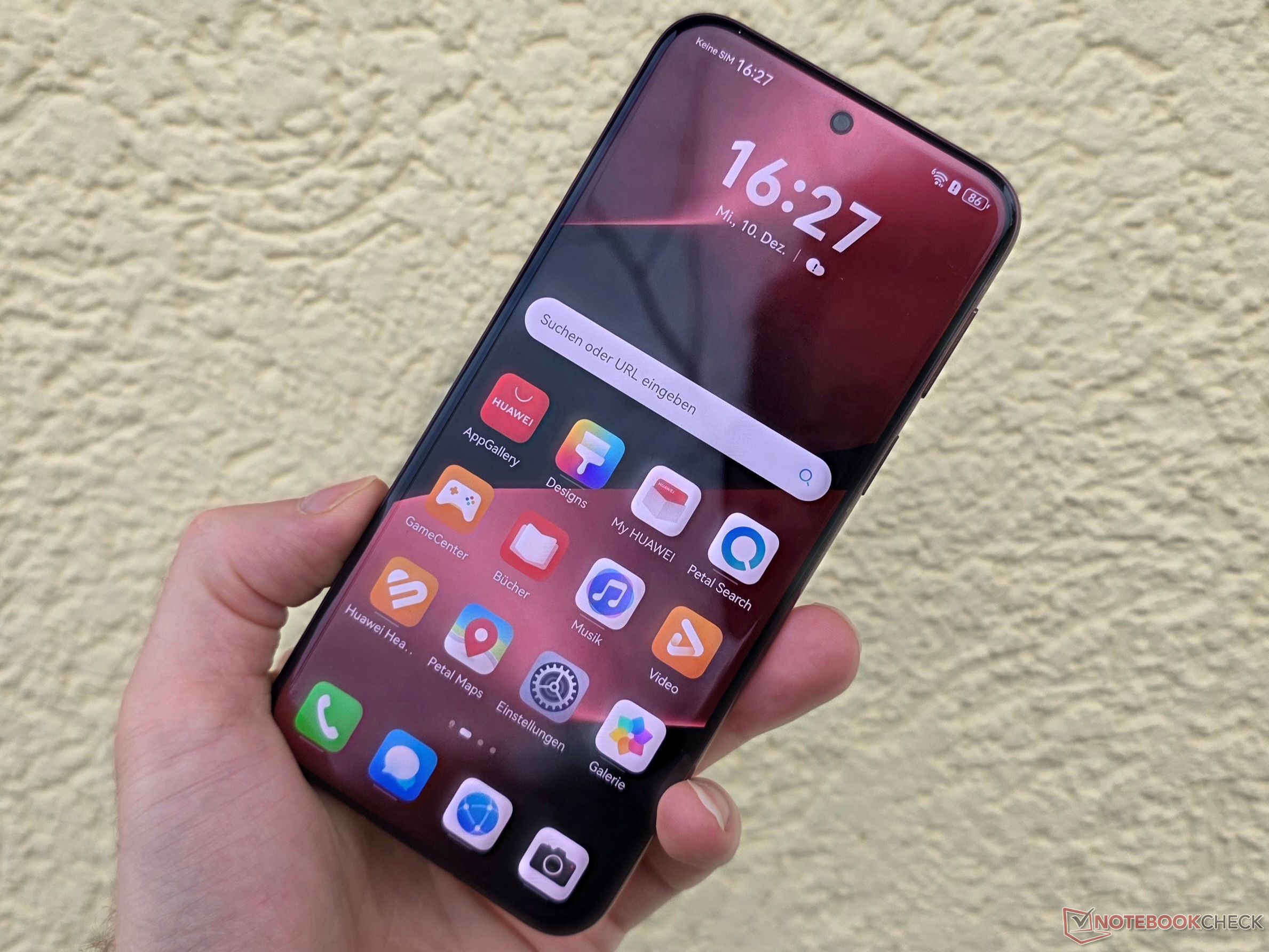
The fingerprint sensor is integrated into the side of the on/off button, a fact that is likely to annoy many users of a premium phone. In everyday use, this works very satisfactorily. The large 6.8-inch screen, with a sampling rate of 300 Hz, is also very easy to use. The linear vibration motor provides crisp feedback.
| Networking | |
| Huawei Pura 80 Pro | |
| iperf3 transmit AXE11000 | |
| iperf3 receive AXE11000 | |
| Vivo X300 | |
| iperf3 transmit AXE11000 6GHz | |
| iperf3 receive AXE11000 6GHz | |
| Xiaomi 17 Pro Max | |
| iperf3 transmit AXE11000 | |
| iperf3 receive AXE11000 | |
| iperf3 transmit AXE11000 6GHz | |
| iperf3 receive AXE11000 6GHz | |
| Oppo Find X9 | |
| iperf3 transmit AXE11000 6GHz | |
| iperf3 receive AXE11000 6GHz | |
| Average 802.11 a/b/g/n/ac/ax/be | |
| iperf3 transmit AXE11000 | |
| iperf3 receive AXE11000 | |
| iperf3 transmit AXE11000 6GHz | |
| iperf3 receive AXE11000 6GHz | |
| Average of class Smartphone | |
| iperf3 transmit AXE11000 | |
| iperf3 receive AXE11000 | |
| iperf3 transmit AXE11000 6GHz | |
| iperf3 receive AXE11000 6GHz | |
Software and sustainability - Android phone without update information
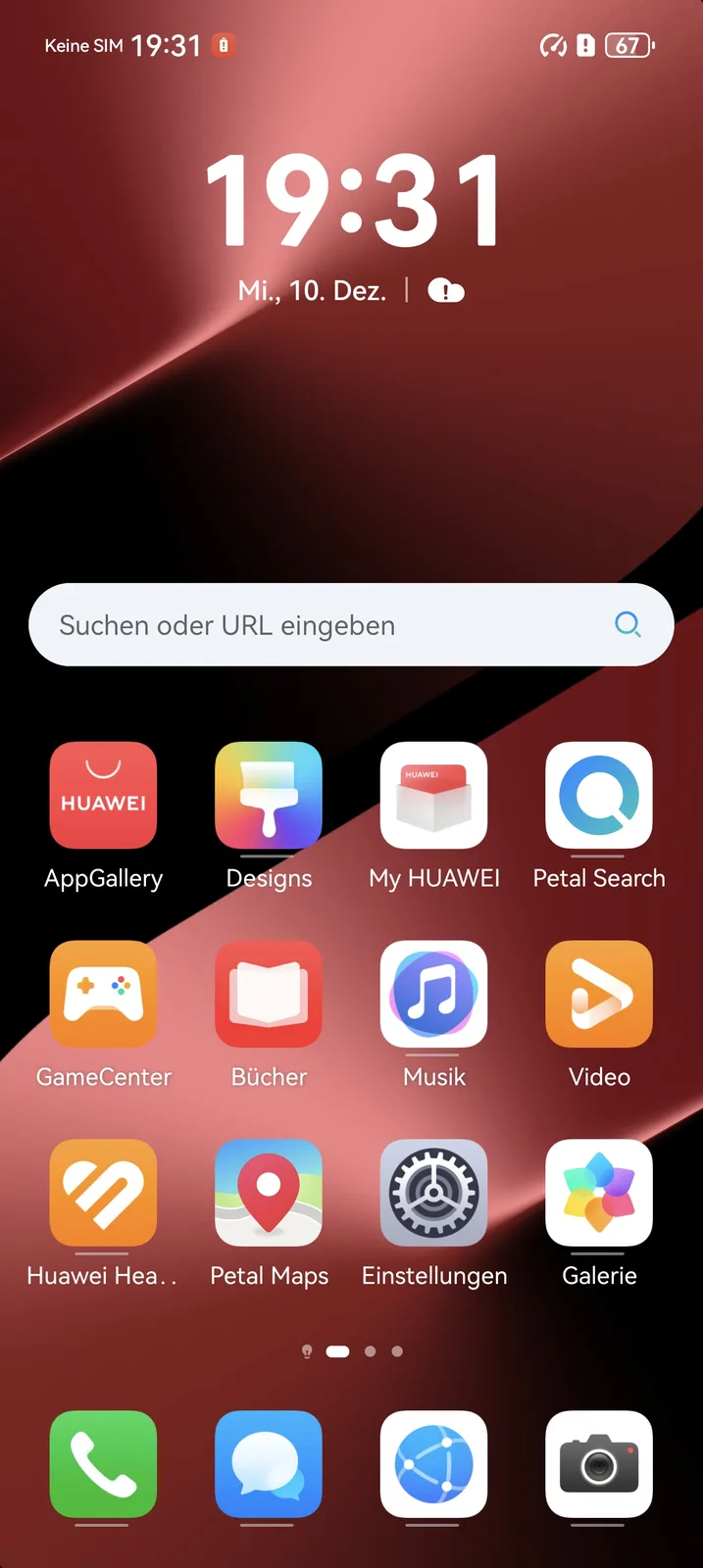
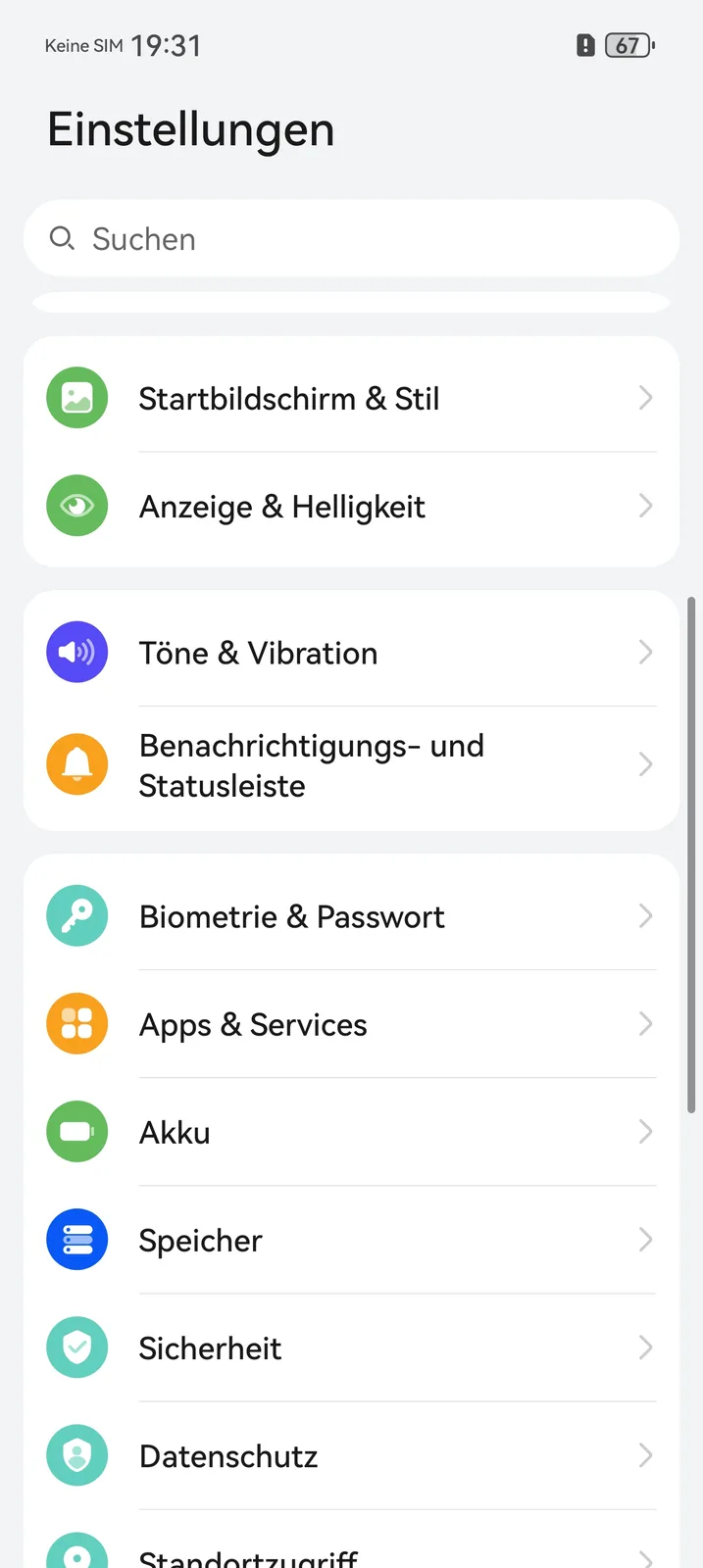
The Pura 80 Pro is not based on HarmonyOS, but on EMUI 15, which is based on the open source part of Android 12. Pre-installed Google services and the Play Store are missing, leaving users initially reliant on the AppGallery. However, the Aurora Store, including the Google Play Store library, can also be used. The installation is quite simple and is described in this separate article.
Huawei does not officially announce the software update rollout period. However, the manufacturer has confirmed to us in the past that devices are guaranteed to receive updates for 5 years from the end of the product cycle - i.e., in line with EU requirements.
Sustainability does not play a major role in the Pura 80 Pro; at least, we are not aware of any official information on the materials used. The Huawei phone is listed in the EPREL database with repair class C.
Camera - Smartphone with 1-inch sensor

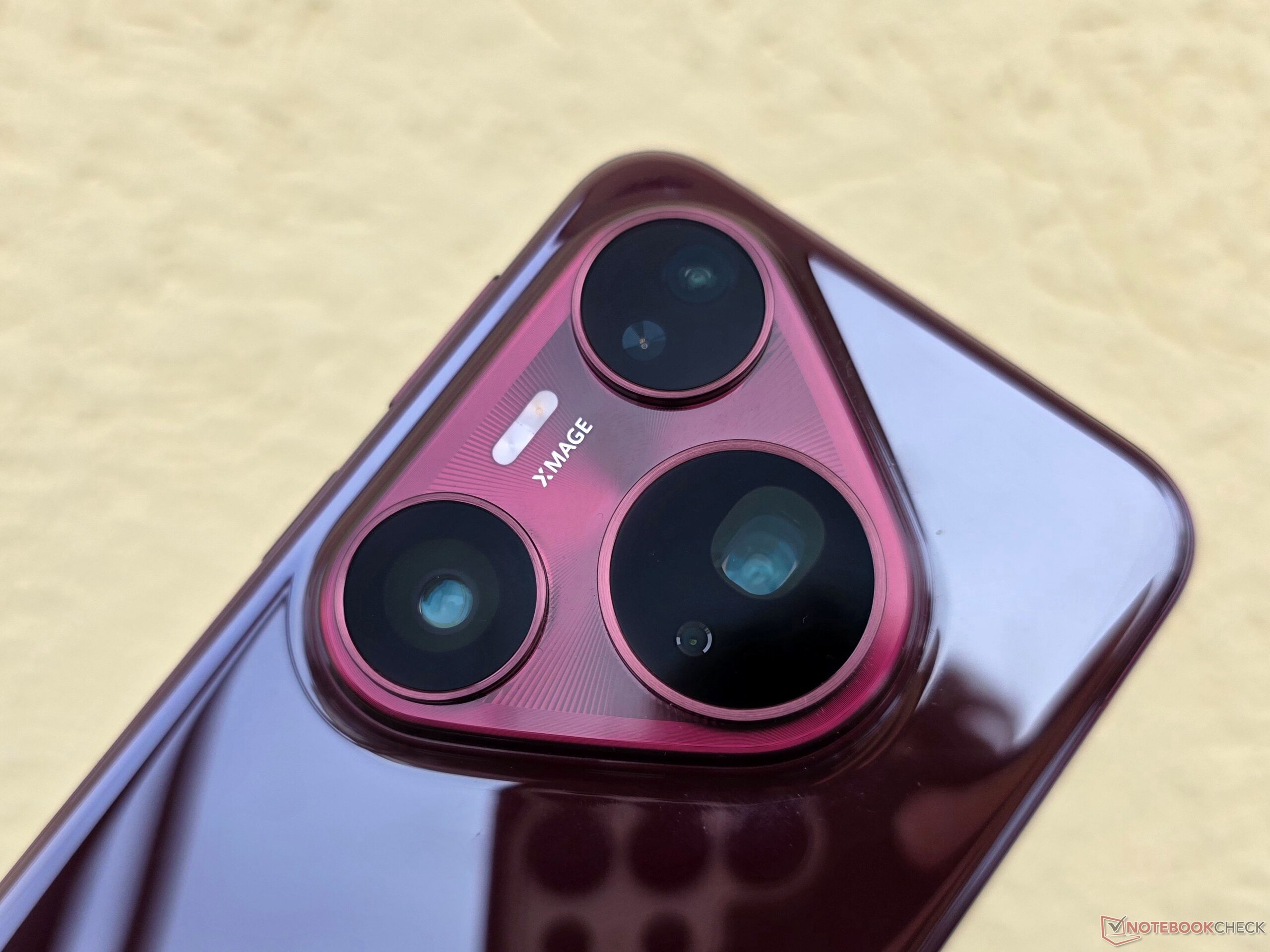
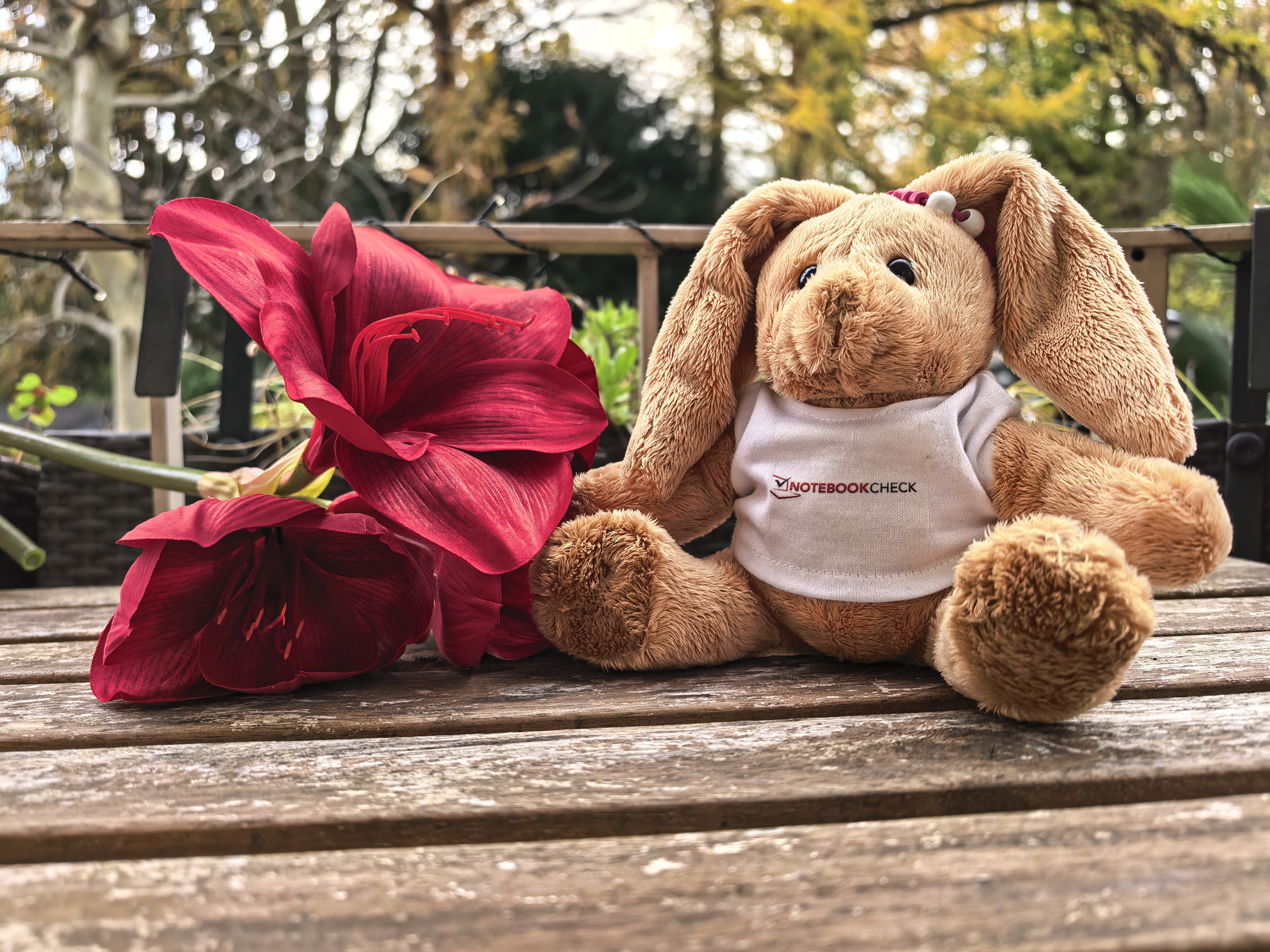
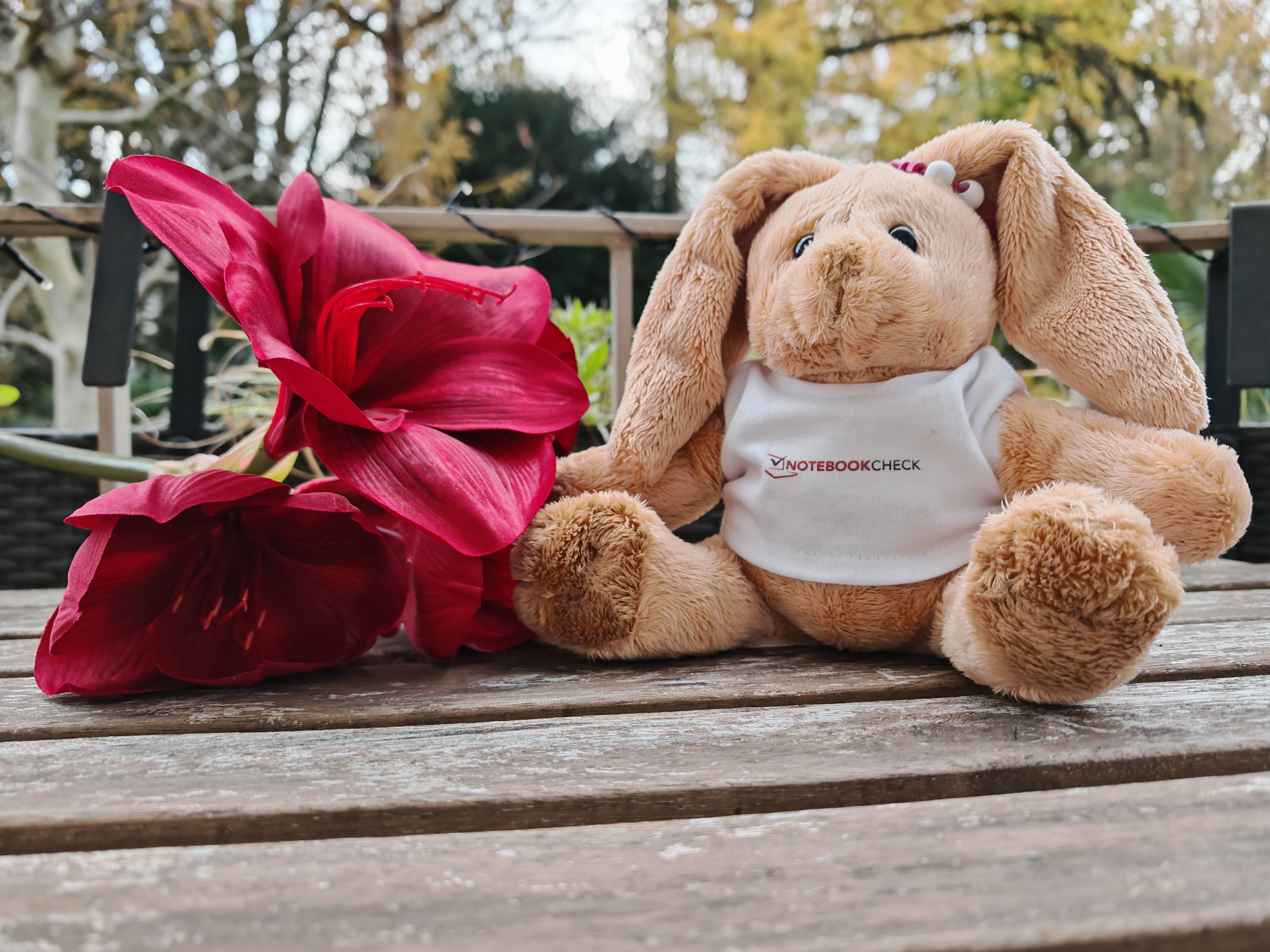
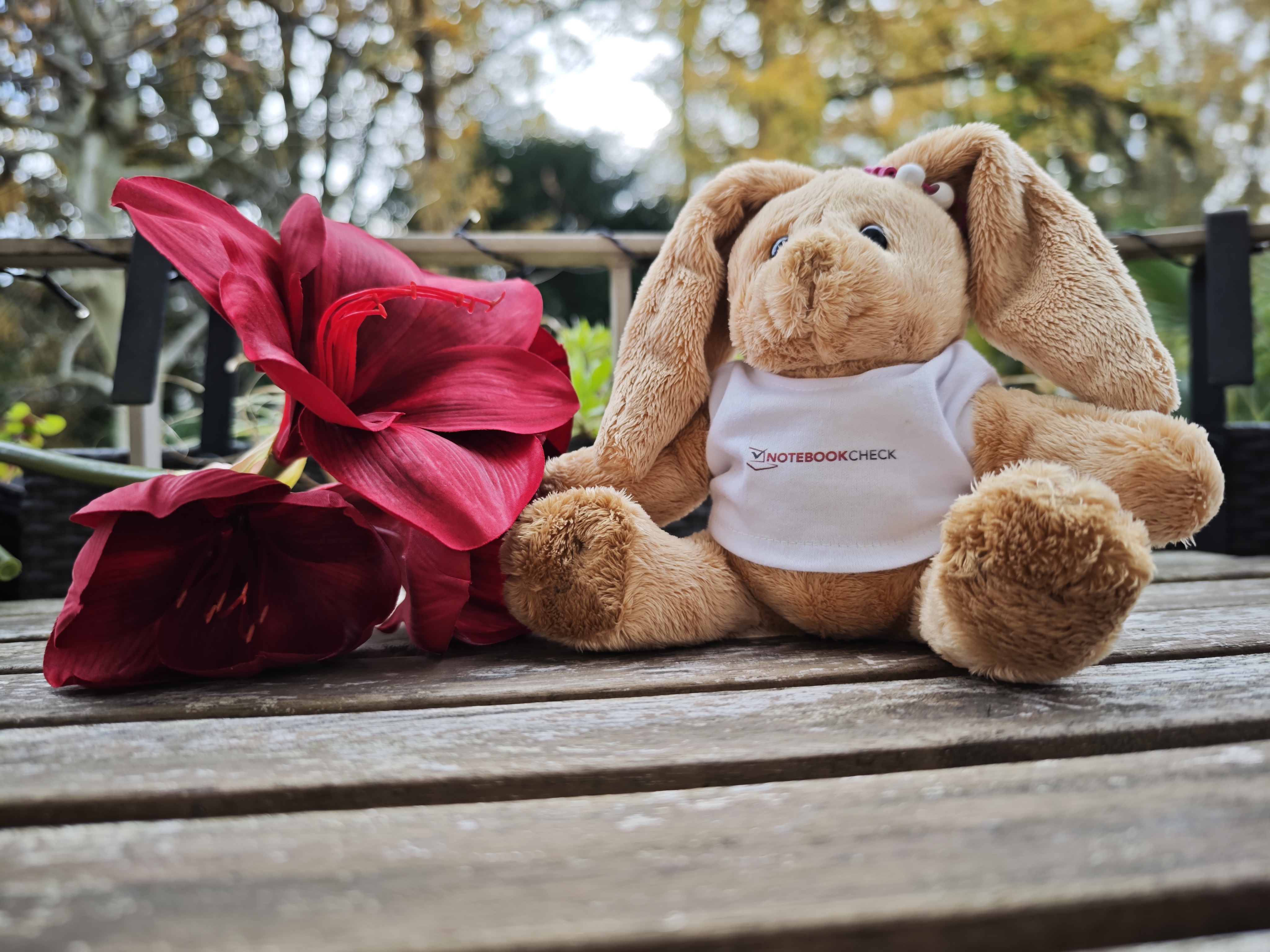
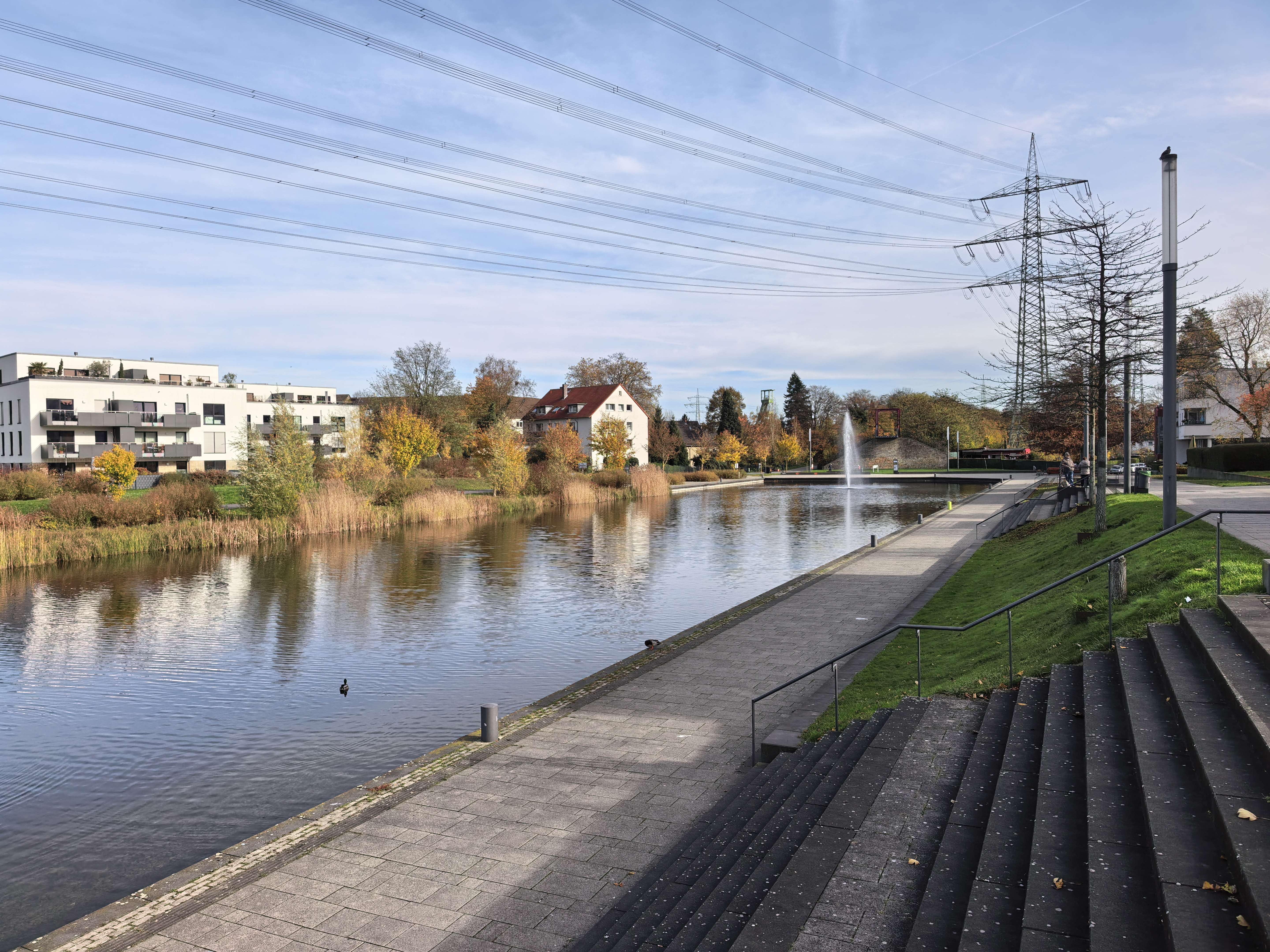
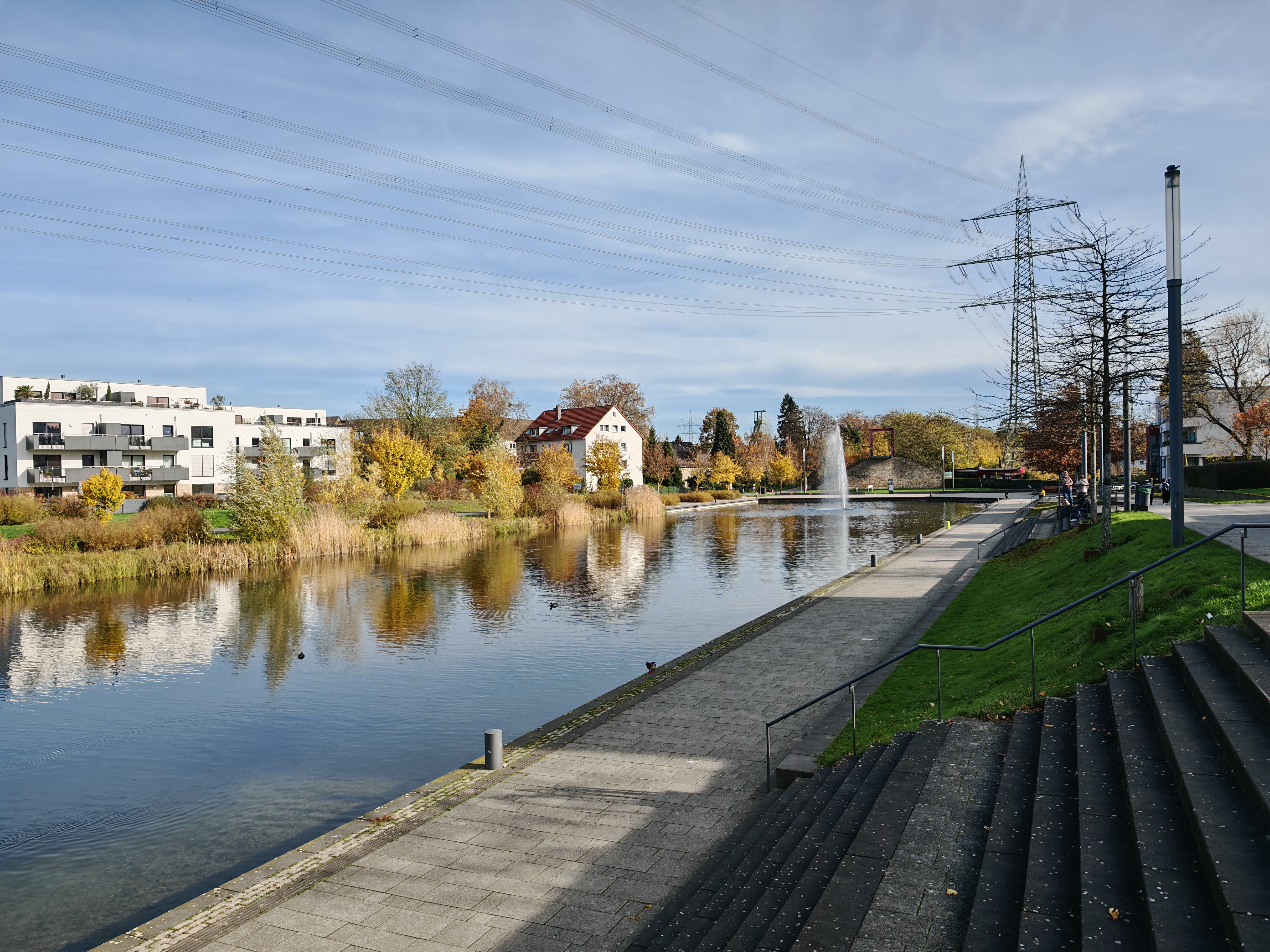
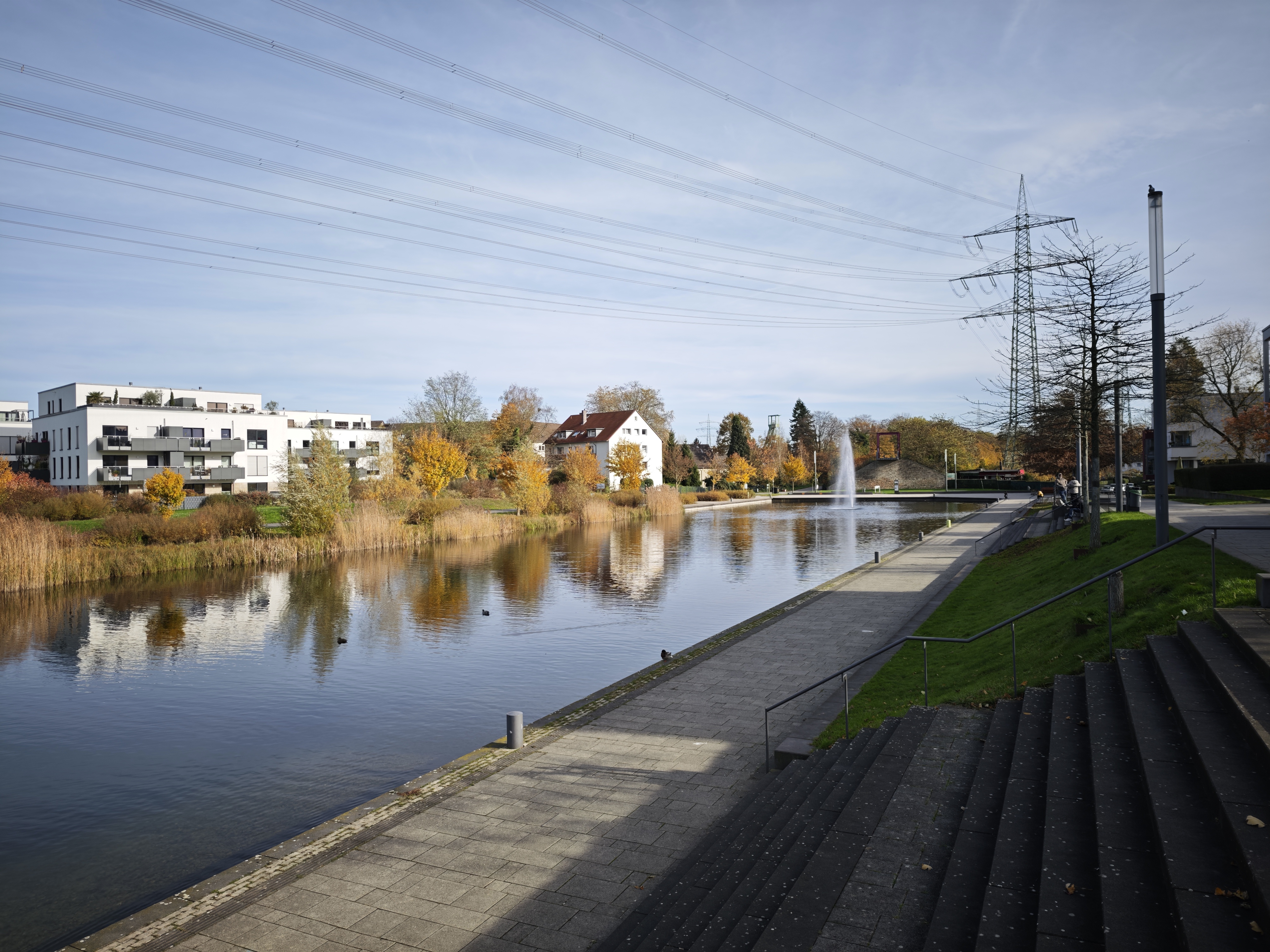
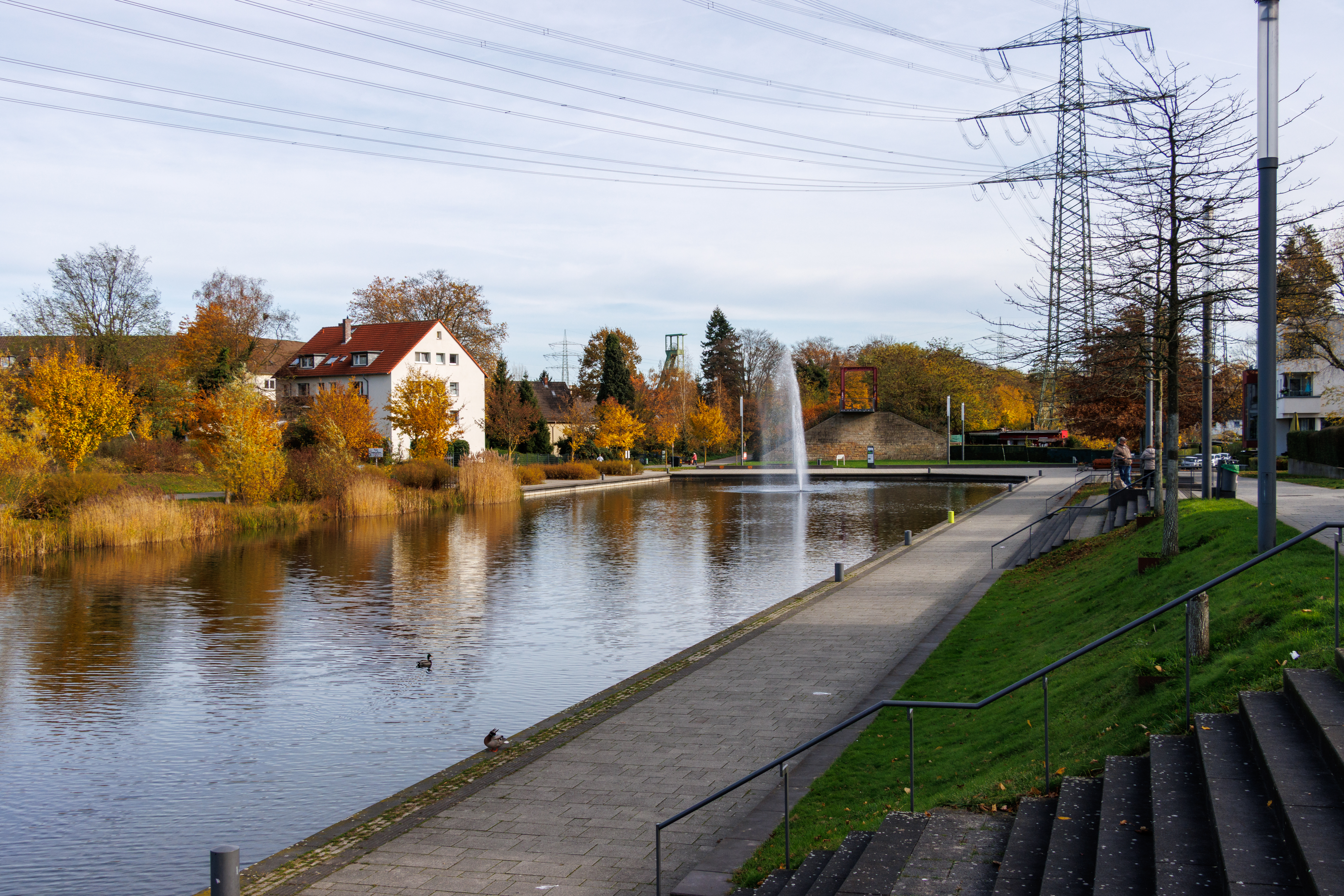
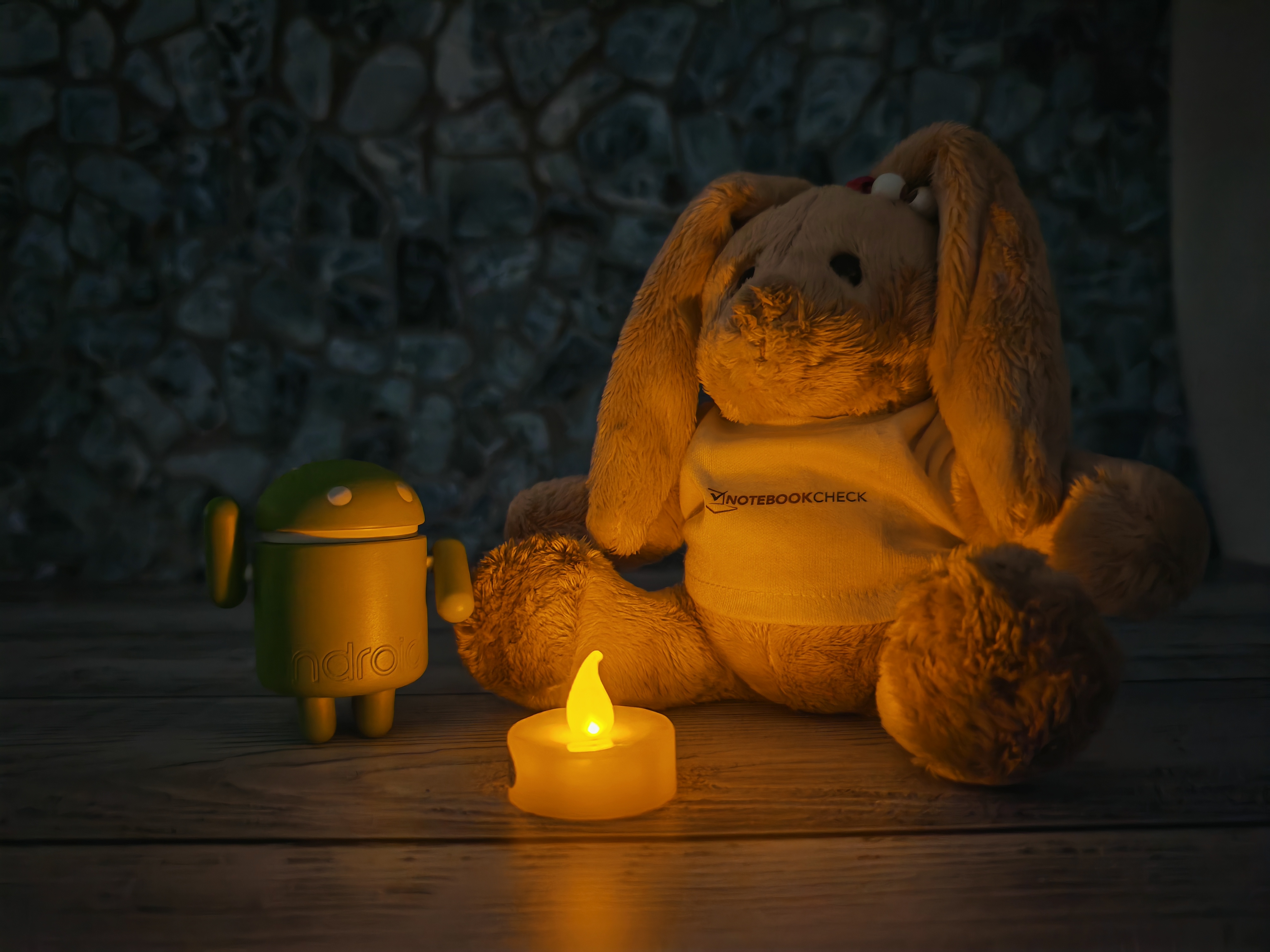
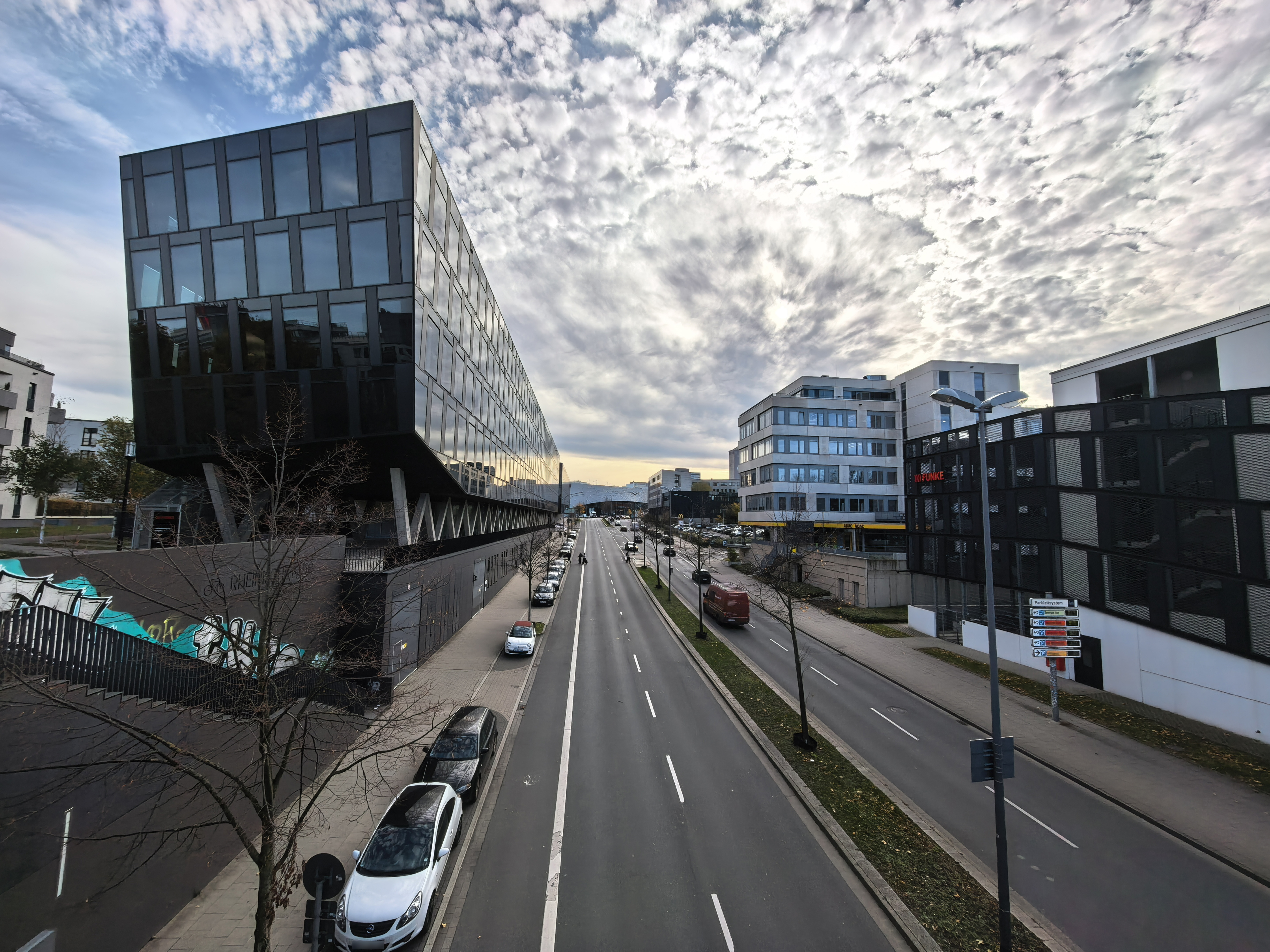
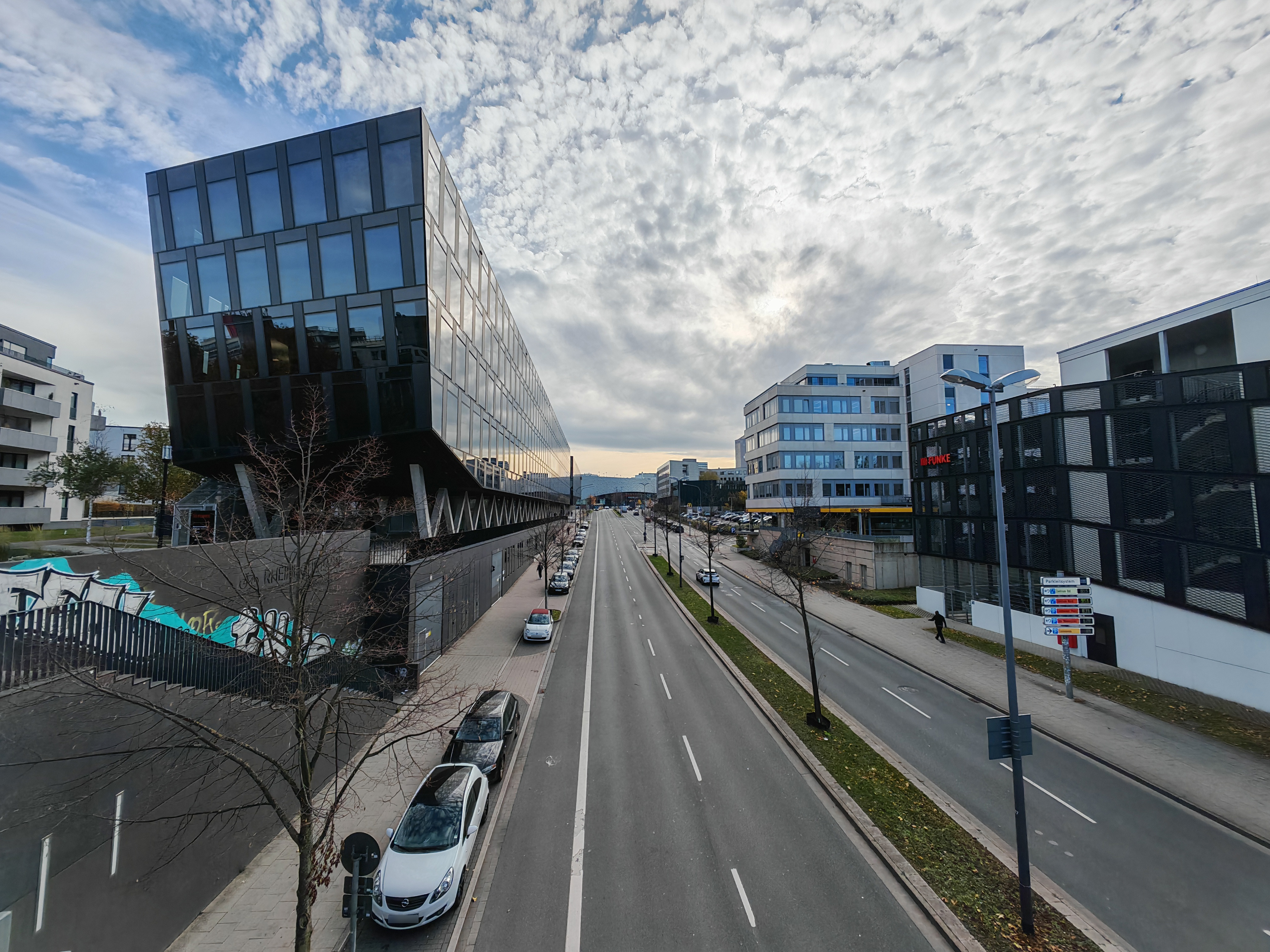
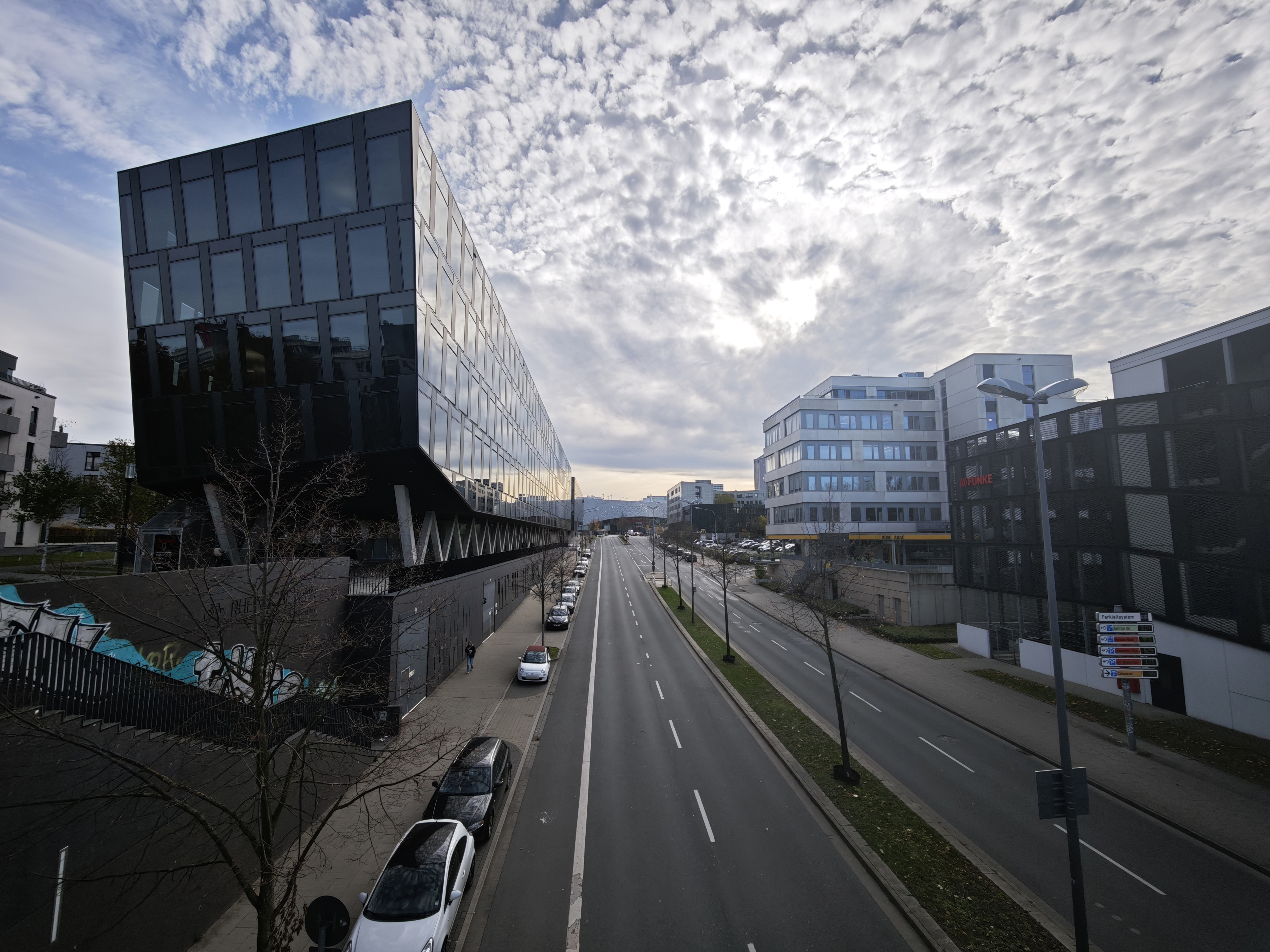
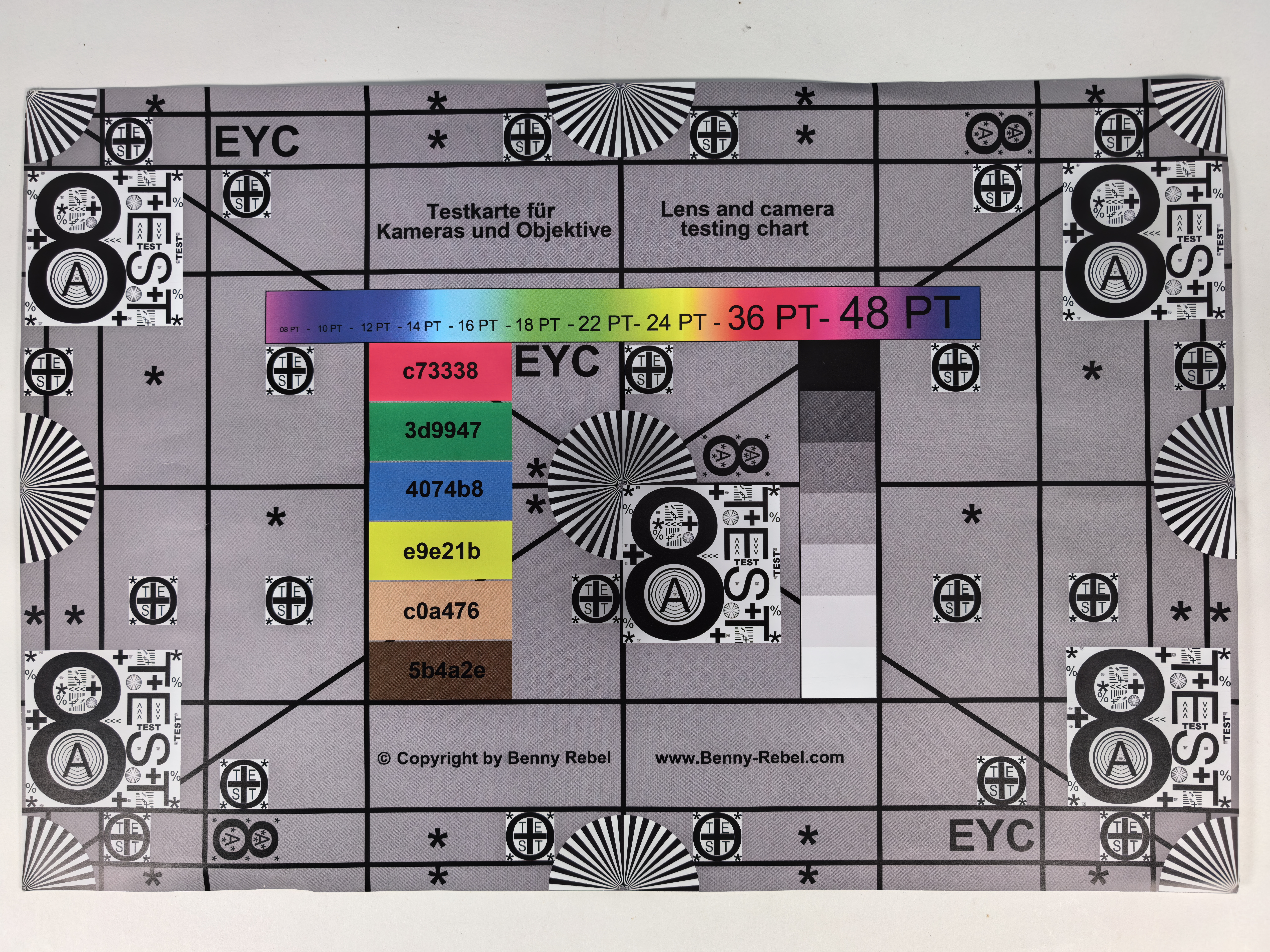
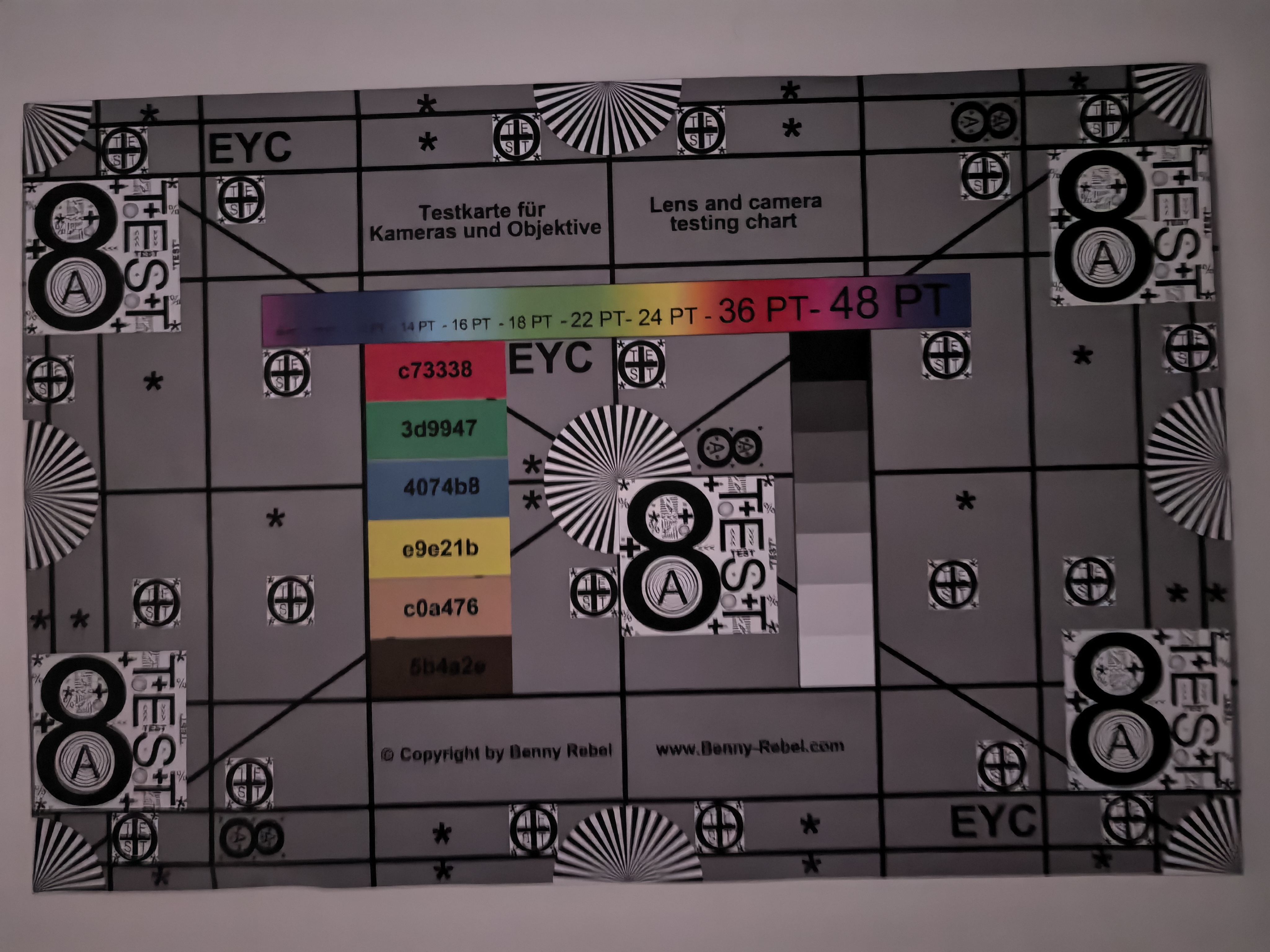
When it comes to the main camera, the Pura 80 Pro plays in the top league with its 50 MP sensor in 1-inch format. The lens with optical image stabilization and a variable aperture from f/1.6 to f/4.0 delivers outstanding sharpness and strong dynamics - both during the day and at night. However, the significant drop in the quality of the ultra-wide-angle and telephoto lenses on a flagship phone must also be mentioned at this point.
Thanks to the built-in spectral channel sensor, color accuracy should be particularly high, which works well for the most part in everyday use. However, a visible red cast occasionally creeps into the Pura 80 Pro's photos.
When it comes to video, ambitious users are shown the limits. Neither 8K nor UHD recording at more than 60 FPS is supported by the Pura 80 Pro.
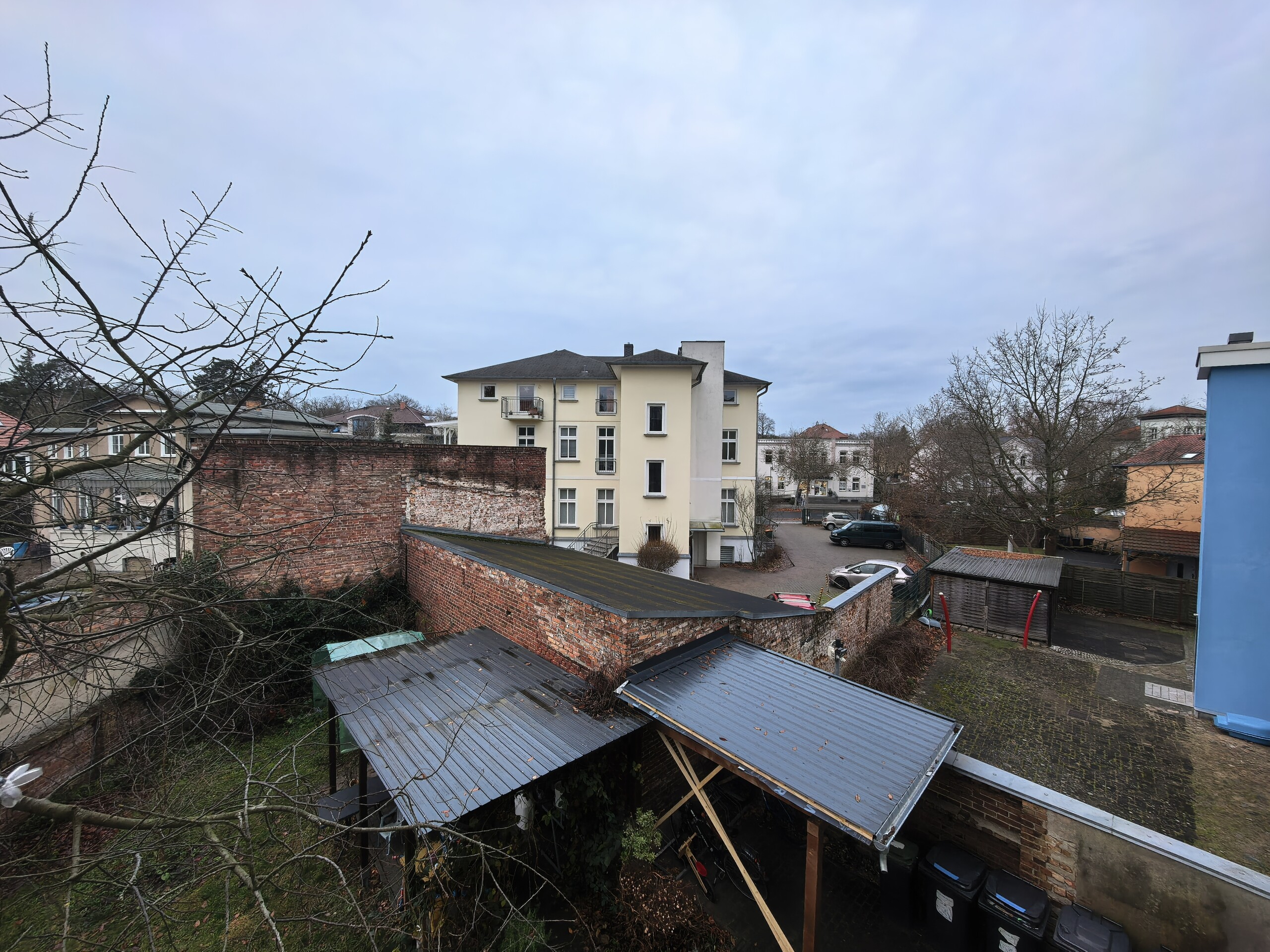
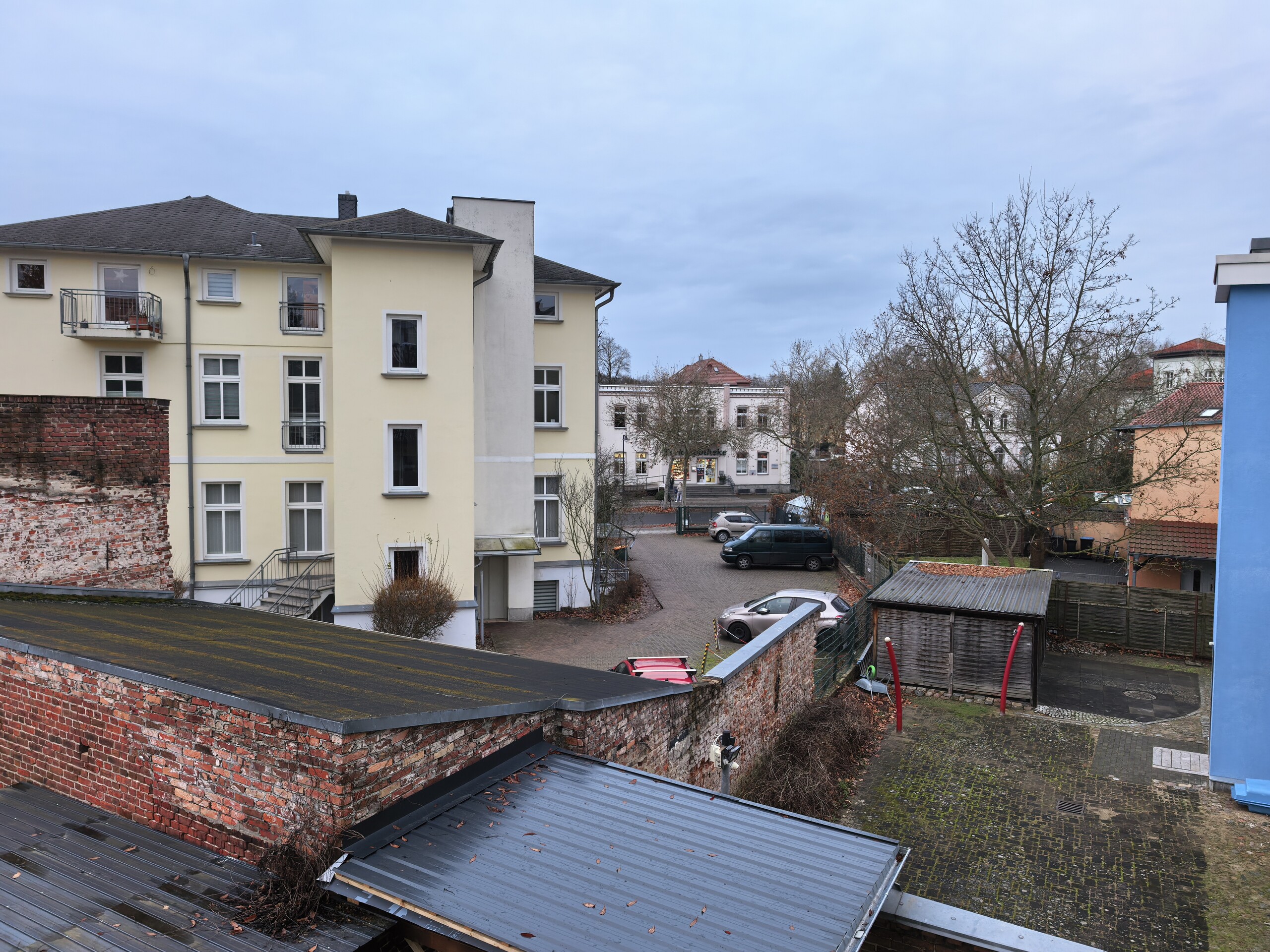
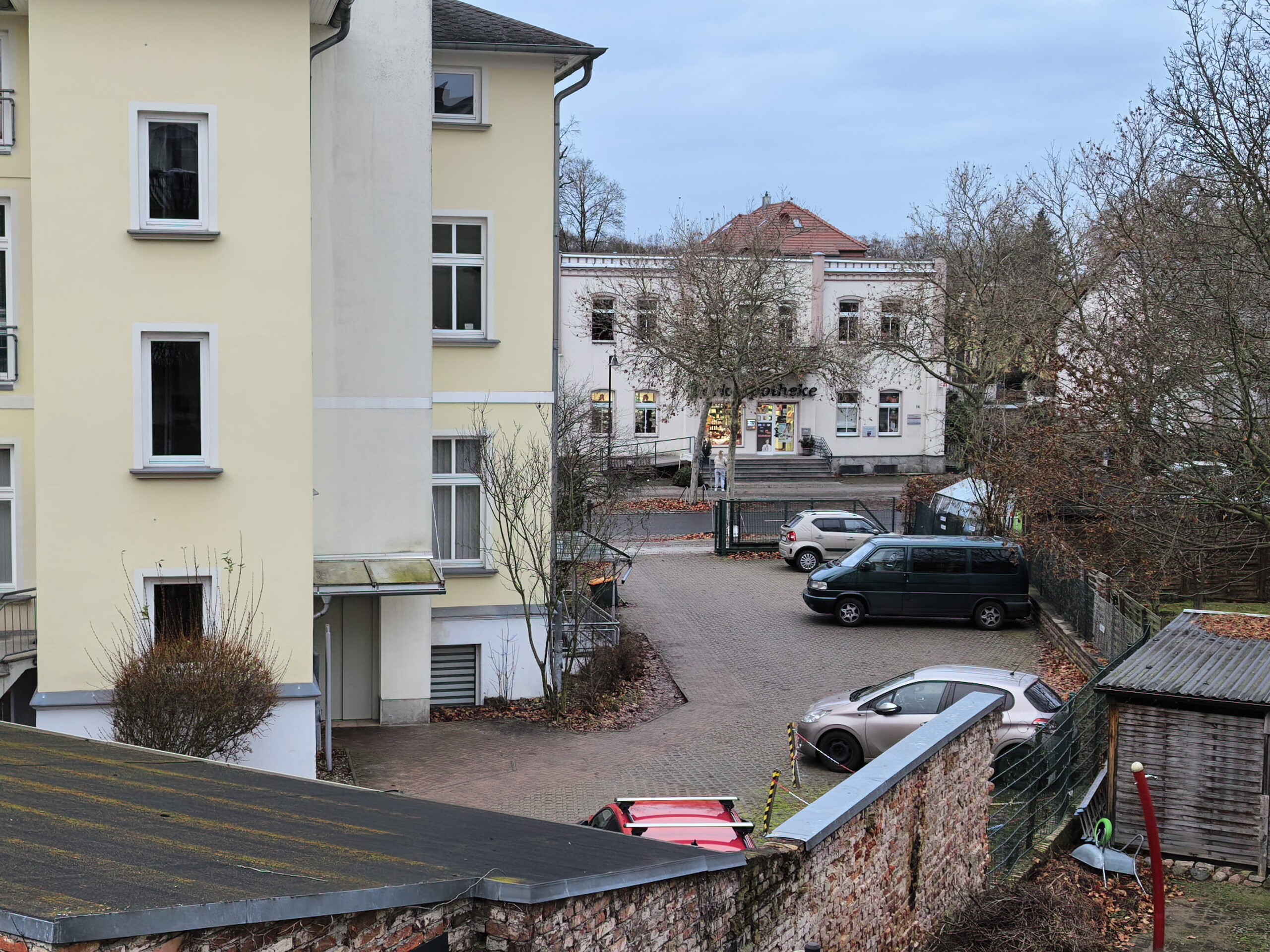
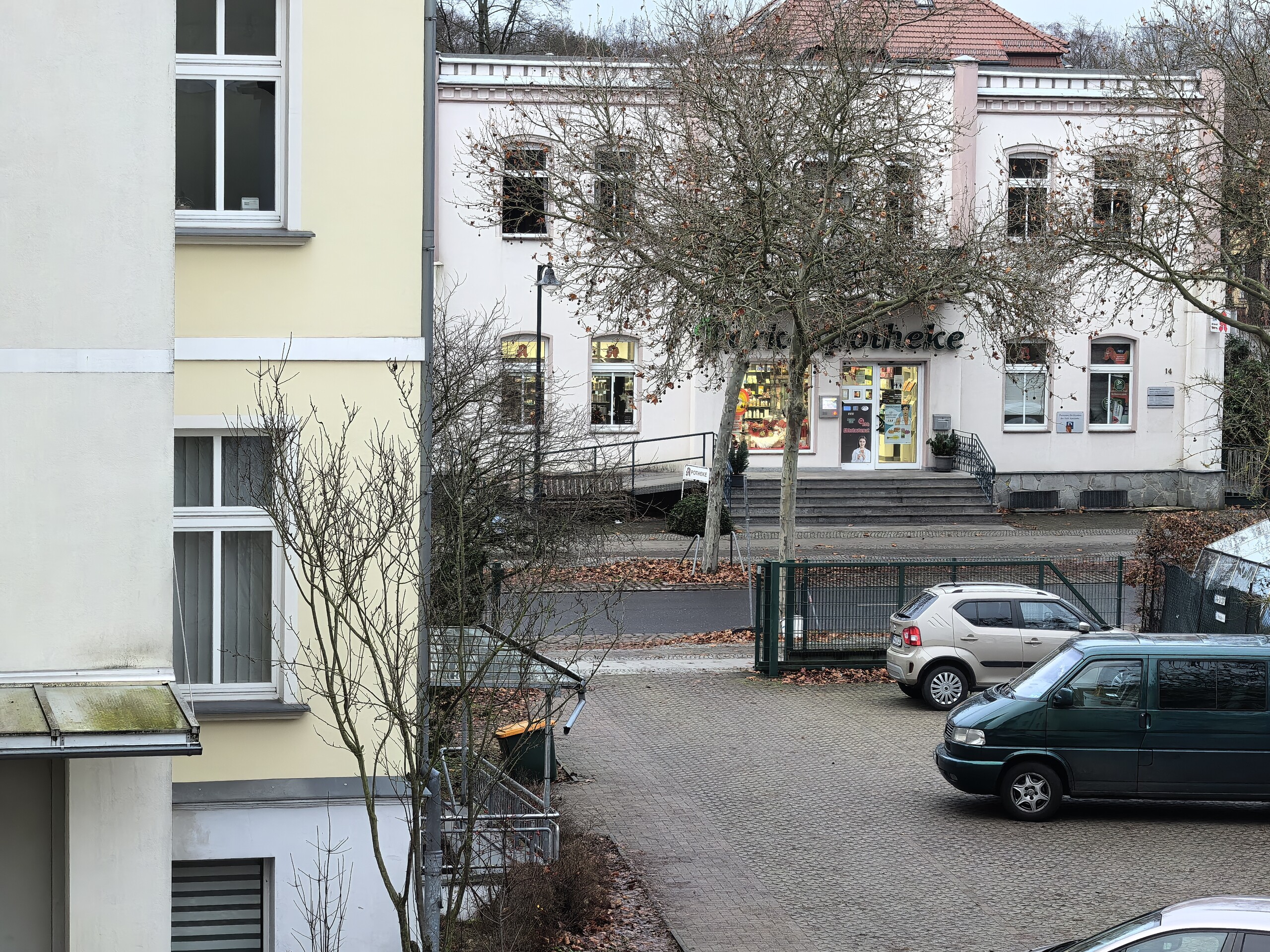


Image comparison
Choose a scene and navigate within the first image. One click changes the position on touchscreens. One click on the zoomed-in image opens the original in a new window. The first image shows the scaled photograph of the test device.
Main cameraMain cameraLow LightUltra wide-angleZoom 5x












Display - Large OLED screen with LTPO
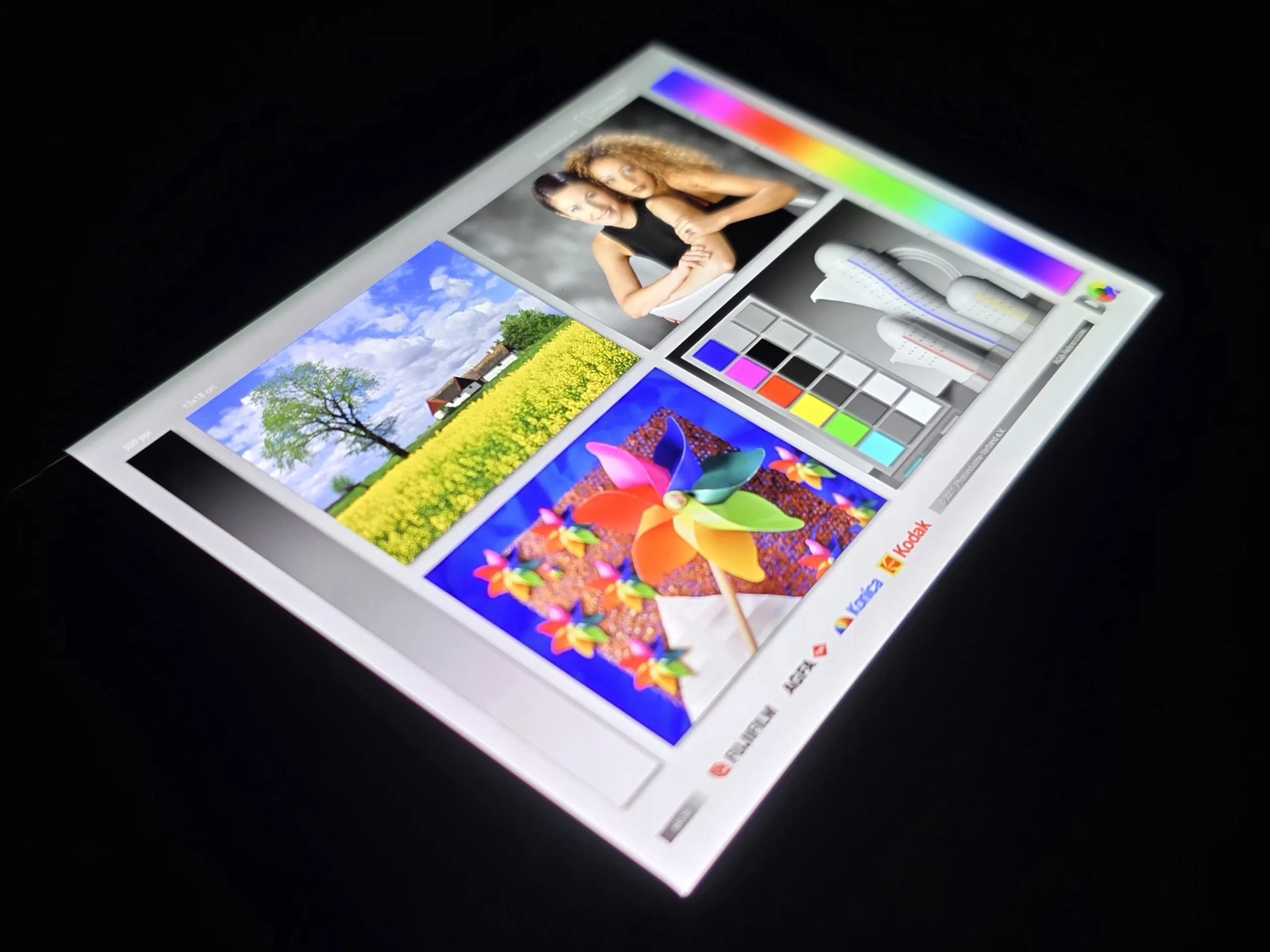
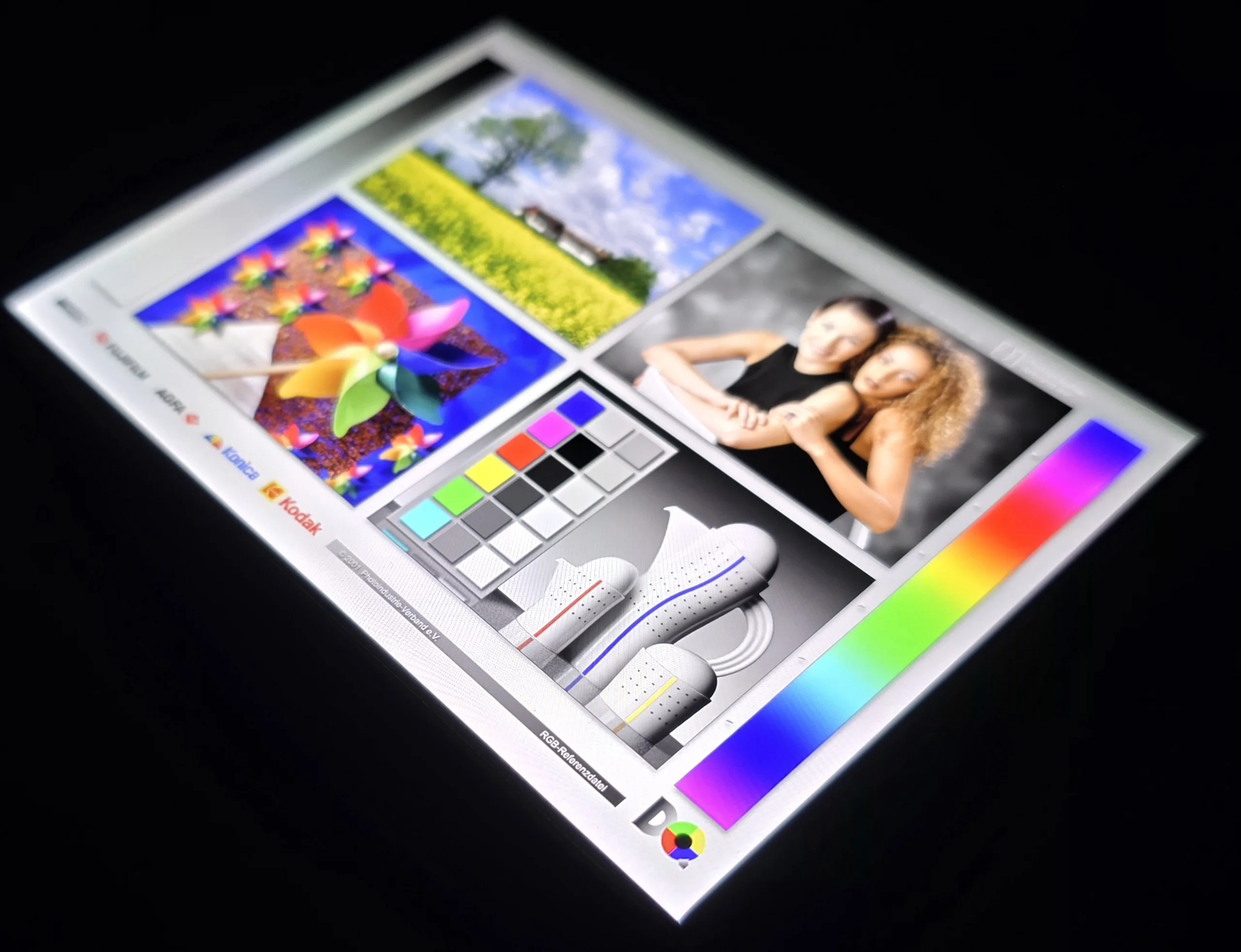
Huawei has installed a 6.8-inch LTPO display with a 1,276p resolution and a variable maximum frame rate of 120 Hz in its premium phone. The brightness is reported to be 3,000 nits, though we measured 3,384 cd/m² with the APL18 pattern, which is more relevant in everyday use. When playing an HDR video, we even achieved 3,864 cd/m².
The Pura 80 Pro uses pulse width modulation to control the screen brightness. According to the manufacturer, high-frequency PWM dimming at 1,440 Hz is available, which minimizes flicker-related effects. We measure a frequency very similar to that with the Rigol software.
| |||||||||||||||||||||||||
Brightness Distribution: 97 %
Center on Battery: 1654 cd/m²
Contrast: ∞:1 (Black: 0 cd/m²)
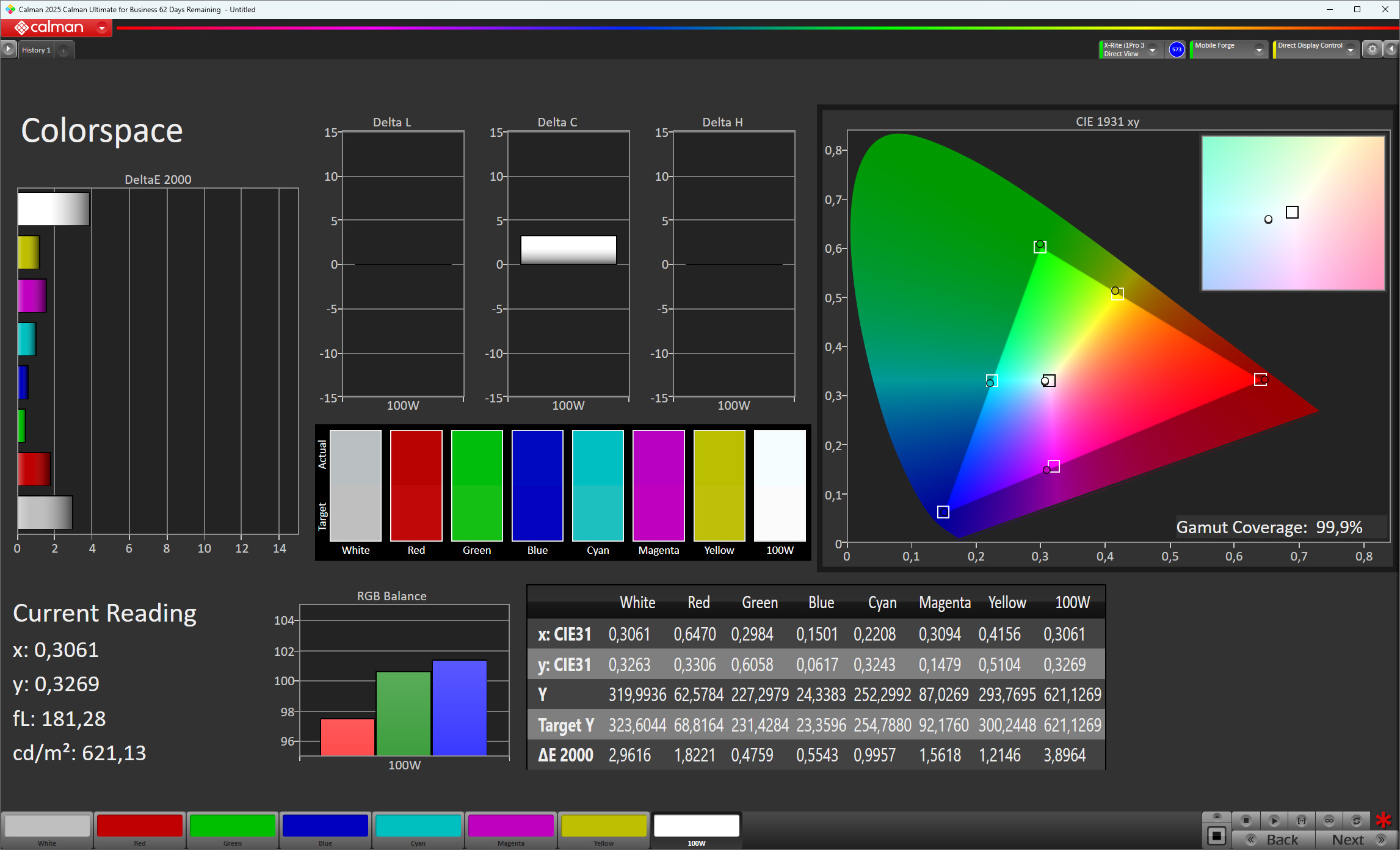
ΔE ColorChecker Calman: 1.7 | ∀{0.5-29.43 Ø4.69}
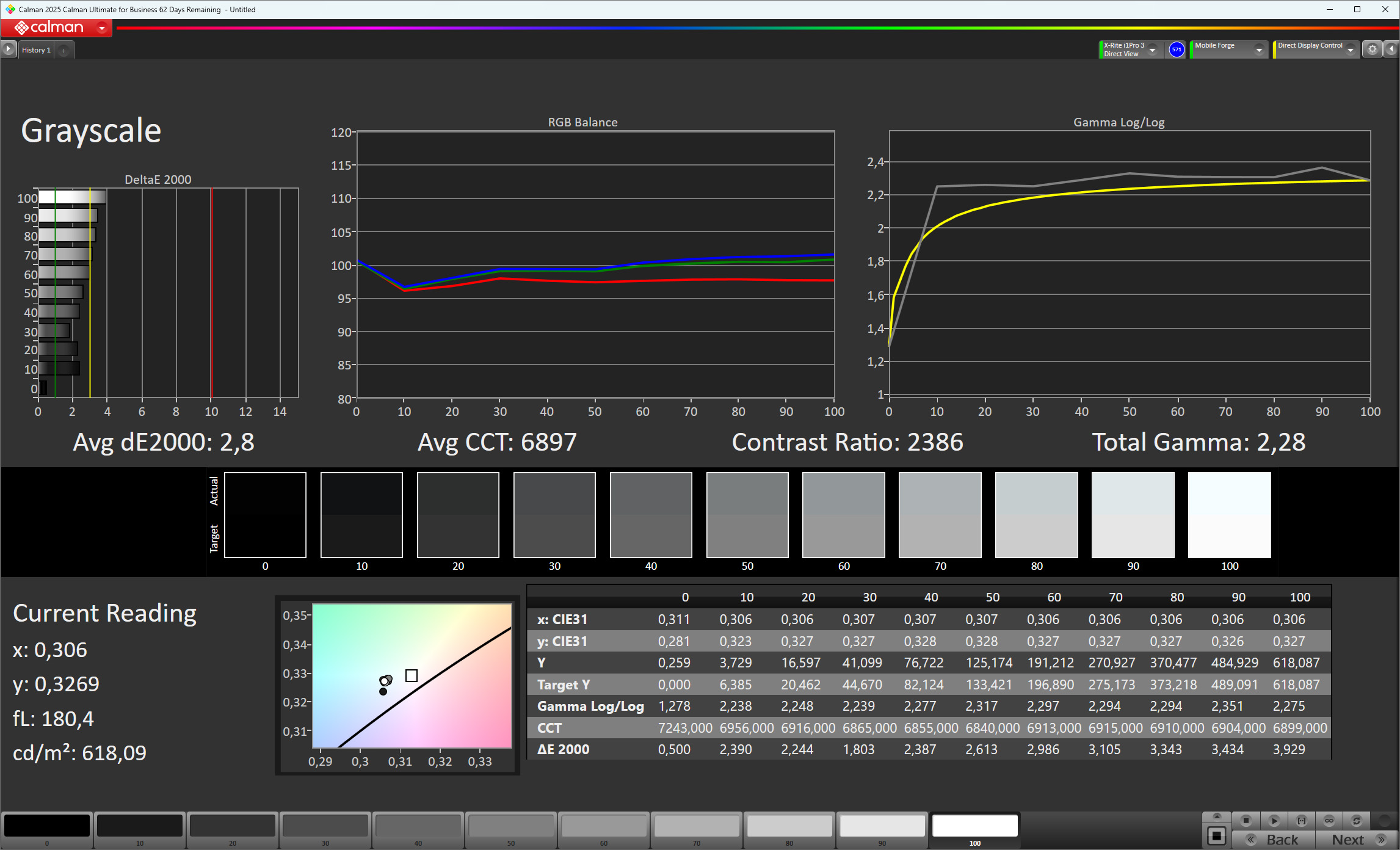
ΔE Greyscale Calman: 2.8 | ∀{0.09-98 Ø4.94}
99.9% sRGB (Calman 2D)
Gamma: 2.28
CCT: 6897 K
| Huawei Pura 80 Pro OLED , 2848x1276, 6.8" | Vivo X300 AMOLED, 2640x1216, 6.3" | Xiaomi 17 Pro Max AMOLED, 2608x1200, 6.9" | Oppo Find X9 AMOLED, 2760x1256, 6.6" | |
|---|---|---|---|---|
| Screen | 10% | 8% | 17% | |
| Brightness middle (cd/m²) | 1654 | 1537 -7% | 1099 -34% | 1132 -32% |
| Brightness (cd/m²) | 1630 | 1523 -7% | 1067 -35% | 1114 -32% |
| Brightness Distribution (%) | 97 | 96 -1% | 95 -2% | 97 0% |
| Black Level * (cd/m²) | ||||
| Colorchecker dE 2000 * | 1.7 | 1.4 18% | 1.05 38% | 0.82 52% |
| Colorchecker dE 2000 max. * | 3.9 | 2.6 33% | 2.38 39% | 1.95 50% |
| Greyscale dE 2000 * | 2.8 | 2.1 25% | 1.7 39% | 1 64% |
| Gamma | 2.28 96% | 2.28 96% | 2.232 99% | 2.244 98% |
| CCT | 6897 94% | 6754 96% | 6779 96% | 6546 99% |
* ... smaller is better
| Display / APL18 Peak Brightness | |
| Huawei Pura 80 Pro | |
| Vivo X300 | |
| Display / HDR Peak Brightness | |
| Vivo X300 | |
| Huawei Pura 80 Pro | |
Screen Flickering / PWM (Pulse-Width Modulation)
| Screen flickering / PWM detected | 360 Hz Amplitude: 15.46 % Secondary Frequency: 1428 Hz | 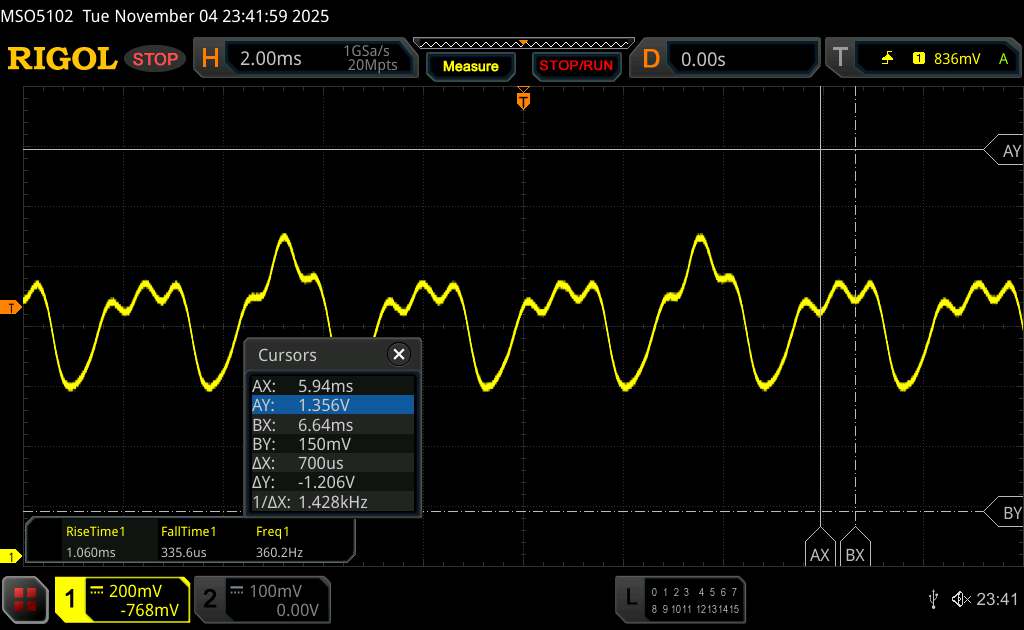 | |
The display backlight flickers at 360 Hz (worst case, e.g., utilizing PWM) . The frequency of 360 Hz is relatively high, so most users sensitive to PWM should not notice any flickering. However, there are reports that some users are still sensitive to PWM at 500 Hz and above, so be aware. In comparison: 52 % of all tested devices do not use PWM to dim the display. If PWM was detected, an average of 7617 (minimum: 5 - maximum: 343500) Hz was measured. | |||
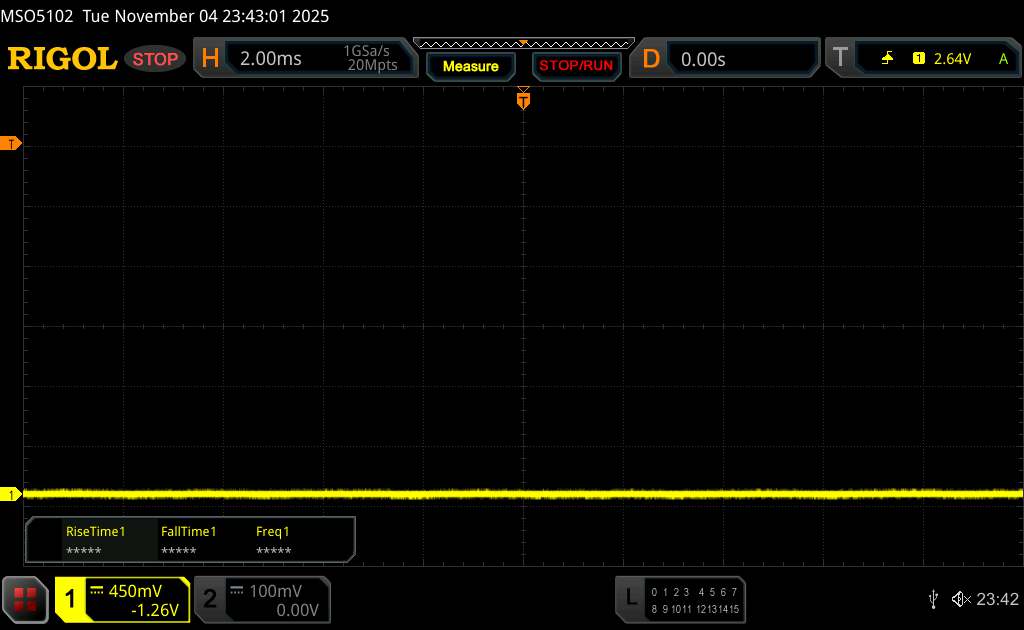
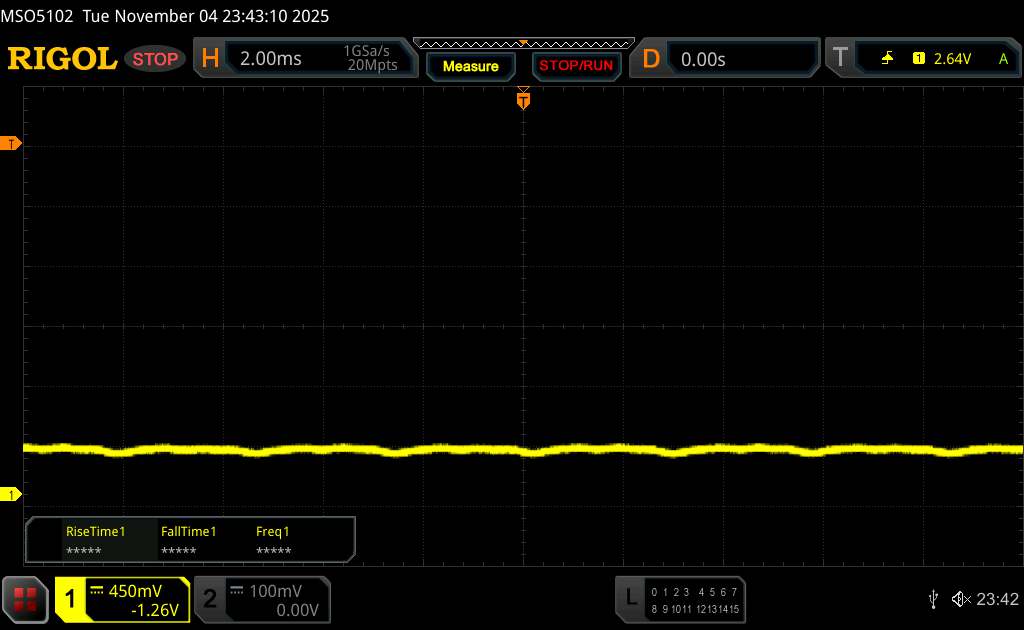
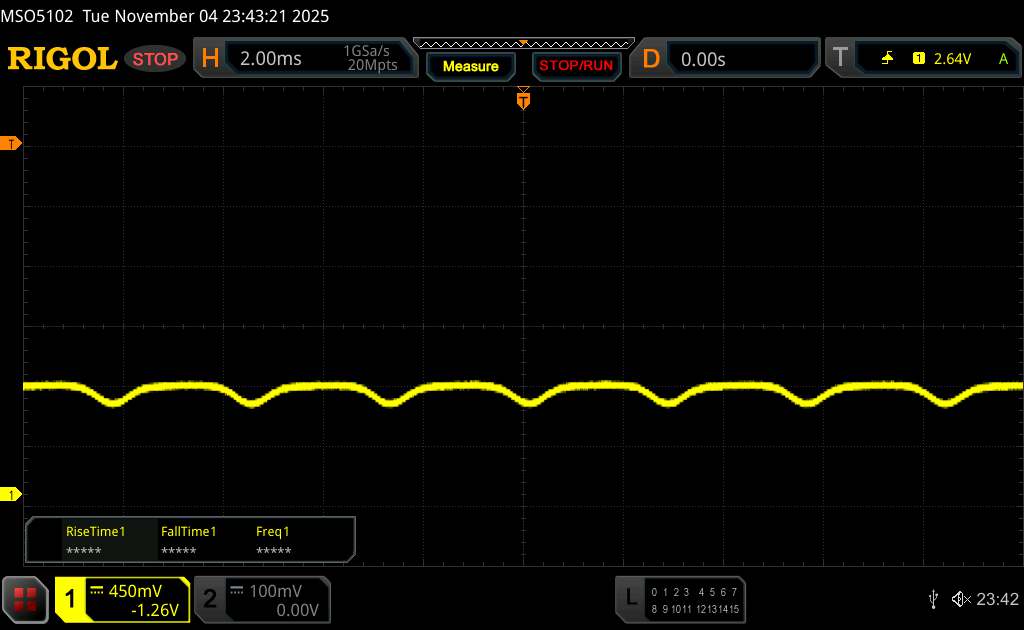
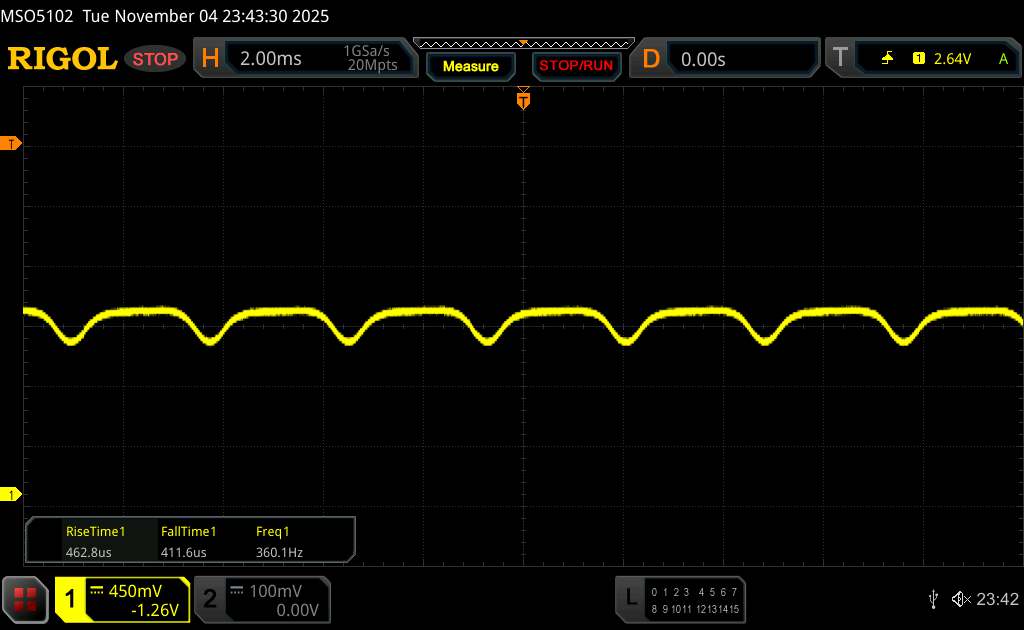
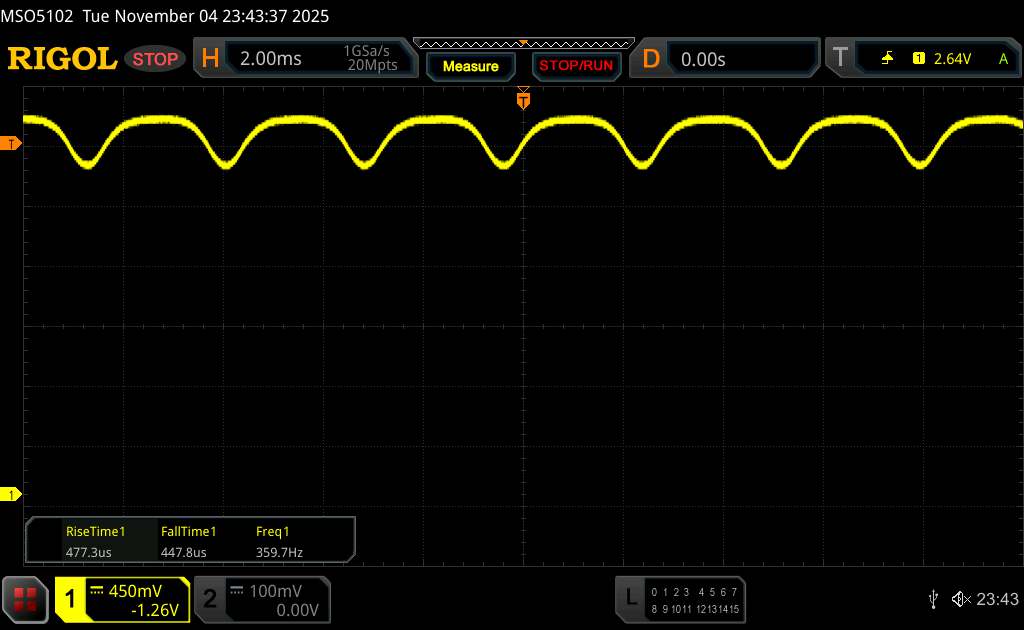
Measurement series with fixed zoom level and different brightness settings (The amplitude curve at minimum brightness looks flat, but this is due to the scaling. The info box shows the enlarged version of the amplitude at minimum brightness)

Display Response Times
| ↔ Response Time Black to White | ||
|---|---|---|
| 0.9 ms ... rise ↗ and fall ↘ combined | ↗ 0.512 ms rise | 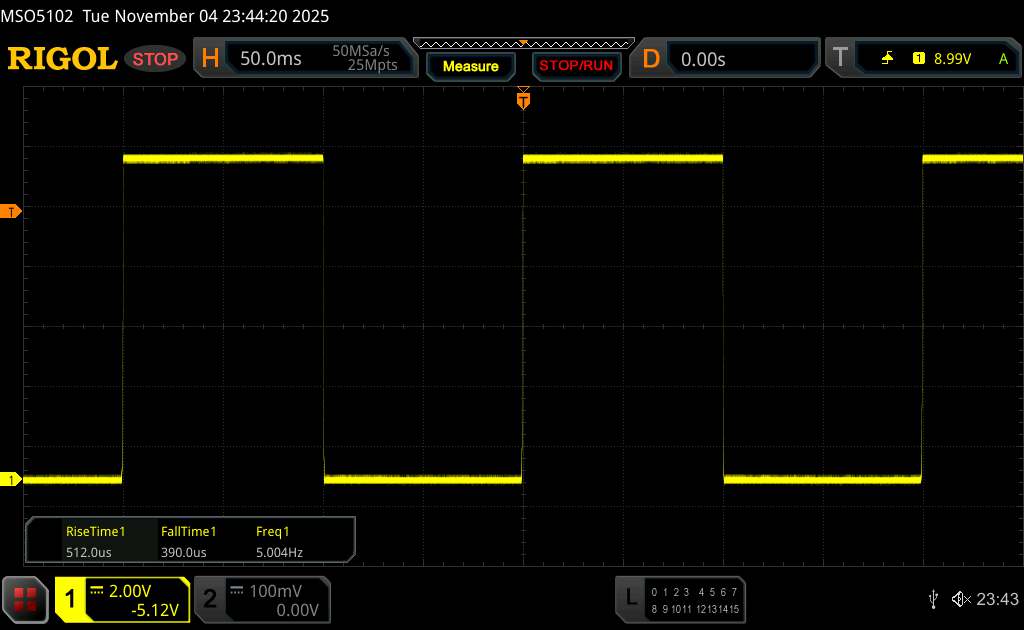 |
| ↘ 0.39 ms fall | ||
| The screen shows very fast response rates in our tests and should be very well suited for fast-paced gaming. In comparison, all tested devices range from 0.1 (minimum) to 240 (maximum) ms. » 3 % of all devices are better. This means that the measured response time is better than the average of all tested devices (19.7 ms). | ||
| ↔ Response Time 50% Grey to 80% Grey | ||
| 0.76 ms ... rise ↗ and fall ↘ combined | ↗ 0.37 ms rise | 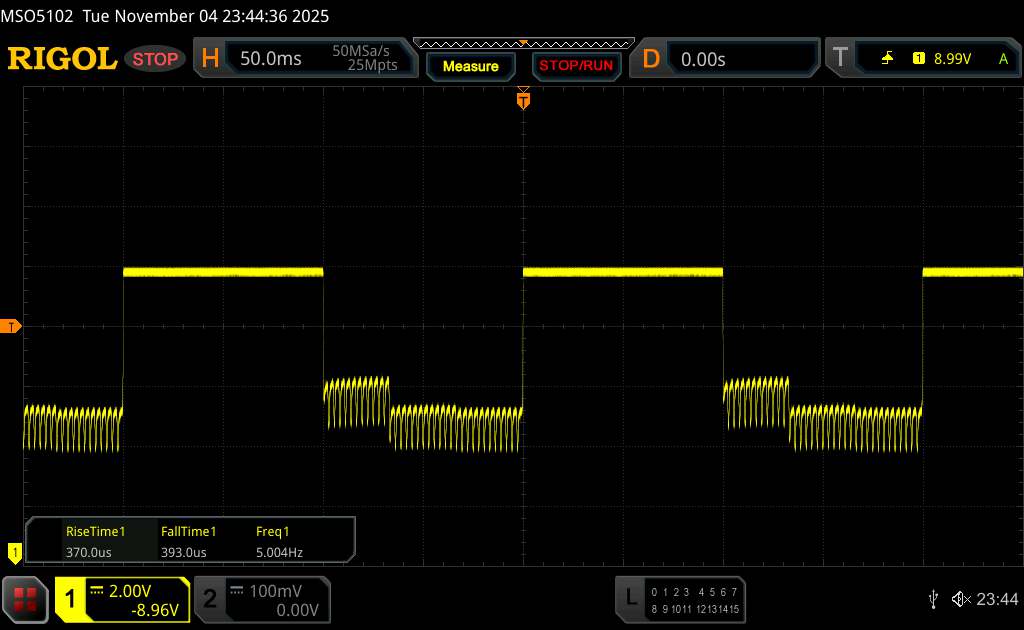 |
| ↘ 0.393 ms fall | ||
| The screen shows very fast response rates in our tests and should be very well suited for fast-paced gaming. In comparison, all tested devices range from 0.13 (minimum) to 636 (maximum) ms. » 3 % of all devices are better. This means that the measured response time is better than the average of all tested devices (30.7 ms). | ||
Performance, emissions and battery life - Android phone with low heat development
The Pura 80 Pro relies on the in-house HiSilicon Kirin 9020 and delivers good system performance, but the CPU unit is inferior to the flagship competition in the benchmarks.
The GPU unit Maleoon 920 does not support ray tracing and is also only partially convincing in the 3DMark and GFXBench tests. The Pura 80 Pro achieves just 14 fps in the High Tier test with 4K resolution.
The overall picture continues with the battery runtimes. The Huawei phone, with its SoC manufactured using the 7 nm process, only achieved 12 hours in our Wi-Fi test. The 5,170 mAh battery can be charged very quickly via USB-C with up to 100 watts in just over half an hour. Fortunately, the matching quick charger is included. Wireless charging is also supported.
| Jetstream 2 - 2.2 Total | |
| Vivo X300 | |
| Average of class Smartphone (2 - 480, n=103, last 2 years) | |
| Average HiSilicon Kirin 9020 (173.5 - 179.8, n=2) | |
| Huawei Pura 80 Pro | |
| BaseMark OS II - Overall | |
| Xiaomi 17 Pro Max | |
| Vivo X300 | |
| Oppo Find X9 | |
| Average of class Smartphone (1885 - 16690, n=112, last 2 years) | |
| Average HiSilicon Kirin 9020 (7087 - 8075, n=3) | |
| Huawei Pura 80 Pro | |
| Huawei Pura 80 Pro | Vivo X300 | Xiaomi 17 Pro Max | Oppo Find X9 | Average 512 GB UFS 4.0 Flash | Average of class Smartphone | |
|---|---|---|---|---|---|---|
| AndroBench 3-5 | -43% | -12% | -51% | -29% | -50% | |
| Sequential Read 256KB (MB/s) | 4354.89 | 2056.87 -53% | 3971.4 -9% | 3232.3 -26% | 3708 ? -15% | 2280 ? -48% |
| Sequential Write 256KB (MB/s) | 4051.34 | 1997.76 -51% | 3899.9 -4% | 1565.8 -61% | 3129 ? -23% | 1972 ? -51% |
| Random Read 4KB (MB/s) | 511.78 | 332.61 -35% | 548.4 7% | 335.7 -34% | 382 ? -25% | 317 ? -38% |
| Random Write 4KB (MB/s) | 987.21 | 654.09 -34% | 561.3 -43% | 172.6 -83% | 476 ? -52% | 362 ? -63% |
(±) The maximum temperature on the upper side is 42.7 °C / 109 F, compared to the average of 35.4 °C / 96 F, ranging from 21.9 to 247 °C for the class Smartphone.
(±) The bottom heats up to a maximum of 43.4 °C / 110 F, compared to the average of 34.1 °C / 93 F
(+) In idle usage, the average temperature for the upper side is 26.9 °C / 80 F, compared to the device average of 33 °C / 91 F.
3DMark Stress Tests
| 3DMark | |
| Wild Life Stress Test Stability | |
| Huawei Pura 80 Pro | |
| Oppo Find X9 | |
| Xiaomi 17 Pro Max | |
| Vivo X300 | |
| Wild Life Extreme Stress Test | |
| Huawei Pura 80 Pro | |
| Oppo Find X9 | |
| Xiaomi 17 Pro Max | |
| Vivo X300 | |
| Solar Bay Stress Test Stability | |
| Xiaomi 17 Pro Max | |
| Oppo Find X9 | |
| Steel Nomad Light Stress Test Stability | |
| Huawei Pura 80 Pro | |
| Vivo X300 | |
| Oppo Find X9 | |
Huawei Pura 80 Pro audio analysis
(+) | speakers can play relatively loud (89.8 dB)
Bass 100 - 315 Hz
(-) | nearly no bass - on average 19.6% lower than median
(±) | linearity of bass is average (7.3% delta to prev. frequency)
Mids 400 - 2000 Hz
(±) | reduced mids - on average 5.2% lower than median
(+) | mids are linear (4.7% delta to prev. frequency)
Highs 2 - 16 kHz
(+) | balanced highs - only 4.3% away from median
(+) | highs are linear (2.6% delta to prev. frequency)
Overall 100 - 16.000 Hz
(±) | linearity of overall sound is average (15.3% difference to median)
Compared to same class
» 3% of all tested devices in this class were better, 3% similar, 94% worse
» The best had a delta of 11%, average was 34%, worst was 136%
Compared to all devices tested
» 22% of all tested devices were better, 4% similar, 73% worse
» The best had a delta of 4%, average was 23%, worst was 136%
Xiaomi 17 Pro Max audio analysis
(+) | speakers can play relatively loud (85.8 dB)
Bass 100 - 315 Hz
(±) | reduced bass - on average 10.1% lower than median
(±) | linearity of bass is average (12.2% delta to prev. frequency)
Mids 400 - 2000 Hz
(+) | balanced mids - only 3.8% away from median
(+) | mids are linear (4% delta to prev. frequency)
Highs 2 - 16 kHz
(+) | balanced highs - only 4.4% away from median
(±) | linearity of highs is average (8.4% delta to prev. frequency)
Overall 100 - 16.000 Hz
(+) | overall sound is linear (11.2% difference to median)
Compared to same class
» 0% of all tested devices in this class were better, 0% similar, 100% worse
» The best had a delta of 11%, average was 34%, worst was 136%
Compared to all devices tested
» 7% of all tested devices were better, 2% similar, 91% worse
» The best had a delta of 4%, average was 23%, worst was 136%
| Battery runtime - WiFi v1.3 | |
| Huawei Pura 80 Pro | |
| Vivo X300 | |
| Xiaomi 17 Pro Max | |
| Oppo Find X9 | |
Notebookcheck overall rating
The Huawei 80 Pro offers a fantastic main camera, but is only really recommended for Huawei fans.

Huawei Pura 80 Pro
- 12/23/2025 v8
Marcus Herbrich
 Total Sustainability Score:
 Possible alternatives in comparison
Image | Model / Review | Price | Weight | Drive | Display |
|---|---|---|---|---|---|
1. 85.1%  | Huawei Pura 80 Pro HiSilicon Kirin 9020 ⎘ HiSilicon Maleoon 920 ⎘ 12 GB Memory, 512 GB UFS 4.x | List Price: 1098€ | 219 g | 512 GB UFS 4.0 Flash | 6.80" 2848x1276 459 PPI OLED |
2. 88%  | Vivo X300 MediaTek Dimensity 9500 ⎘ Arm Mali G1- Ultra MC12 ⎘ 12 GB Memory, 256 GB UFS 4.x | List Price: 1049€ | 190 g | 256 GB UFS 4.1 Flash | 6.31" 2640x1216 461 PPI AMOLED |
3. 89%  | Xiaomi 17 Pro Max Qualcomm Snapdragon 8 Elite Gen 5 ⎘ Qualcomm Adreno 840 ⎘ 16 GB Memory, 1024 GB UFS 4.x | Amazon: 1. $785.00 XIAOMI 17T PRO Ai 5G (Compat... 2. $1,319.50 XIAOMI 17 Ultra Ai 5G (Compa... 3. $787.50 XIAOMI 17T PRO Ai 5G (Compat... List Price: 940€ | 219 g | 1TB UFS 4.1 Flash | 6.90" 2608x1200 416 PPI AMOLED |
4. 86.1%  | Oppo Find X9 MediaTek Dimensity 9500 ⎘ Arm Mali G1- Ultra MC12 ⎘ 12 GB Memory, 512 GB UFS 4.x | List Price: 999€ | 203 g | 512 GB UFS 4.1 Flash | 6.59" 2760x1256 460 PPI AMOLED |
Transparency
The selection of devices to be reviewed is made by our editorial team. The test sample was provided to the author as a loan by the manufacturer or retailer for the purpose of this review. The lender had no influence on this review, nor did the manufacturer receive a copy of this review before publication. There was no obligation to publish this review. As an independent media company, Notebookcheck is not subjected to the authority of manufacturers, retailers or publishers.
This is how Notebookcheck is testing
Every year, Notebookcheck independently reviews hundreds of laptops and smartphones using standardized procedures to ensure that all results are comparable. We have continuously developed our test methods for around 20 years and set industry standards in the process. In our test labs, high-quality measuring equipment is utilized by experienced technicians and editors. These tests involve a multi-stage validation process. Our complex rating system is based on hundreds of well-founded measurements and benchmarks, which maintains objectivity. Further information on our test methods can be found here.
 Add as a preferred source on Google


