




AMD: The Ryzen 5800X3D's relaunch was 'a whole body of engineering work'
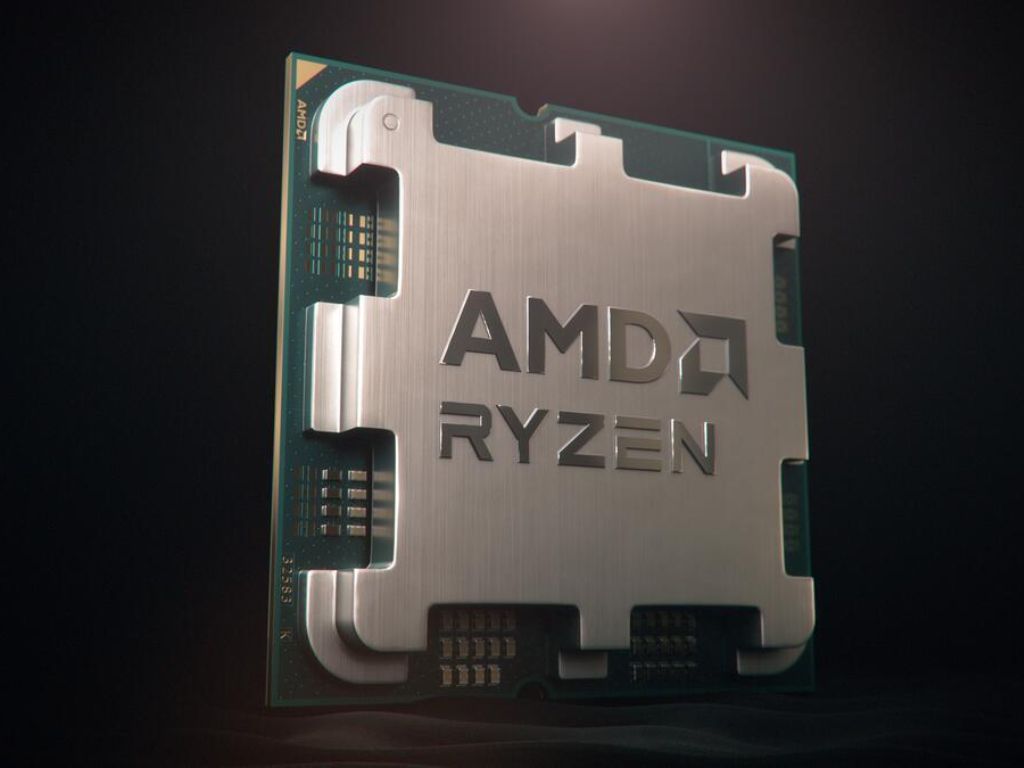
After numerous leaks and rumors, the AMD Ryzen 7 5800X3D has officially been re-announced by Team Red at Computex 2026. The tenth anniversary of the 5800X3D just goes to show the longevity of the AM4 platform, even as the company continues to produce Zen 4 and Zen 5 chips. This means gamers can stick to reliable, relatively inexpensive DDR4 memory without having to upgrade their motherboards, while still getting a bump in CPU and gaming performance.
In press briefings at Computex, AMD framed the Ryzen 7 5800X3D as the “Return of the King,” evoking the chip’s status in 2022 as the first Ryzen gaming processor to introduce 96MB of 3D V-Cache. Even today, it remains one of the best go-to options, with the re-release set for June 25, 2026, at a retail price of $350.
At Computex, David McAfee, the corporate VP and GM of AMD’s Client Channel and Graphics Business, addressed gamers while announcing the processor, stating, “We’re committed to giving gamers high-performance technologies with the flexibility to upgrade their systems over time. Ultimately, our goal is to deliver unmatched ownership experiences for players around the world.”
However, the road to re-releasing the Ryzen 7 5800X3D wasn’t as straightforward as simply refabricating the chips, because AMD says a lot of engineering effort went into adapting to the current chip manufacturing landscape.
Bringing back the 5800X3D wasn’t just a matter of dusting off the old design and pressing “go” on the production line. McAfee stated that “a whole body of engineering work” went into reproducing the original bonding process TSMC used for the 5800X3D. That’s because, as AMD moved forward to second-generation 3D V-Cache designs, the original process was no longer available.
So, engineers had to re-qualify the design for the new stacking approach, fabricate and validate new sample chips, and run extensive reliability tests to make sure the re-released chip would meet quality control requirements and gamers’ standards. McAfee explained:
“It’s not as simple as bringing back the 5800X3D. The original stacking process that was used at TSMC changed when we went from first-gen to second-gen cache, so we had to re-engineer that product, and there actually went a fair amount of development work into bringing back the 5800X3D.”
Source(s)
 Add as a preferred source on Google


